What You'll Find Here
- Where Did This All Start? The Hamburger's Journey
- Why Are We So Obsessed? The Culture of the Burger
- The Classic Line-Up: Types of Hamburg Food
- The Big Question: Is Hamburg Food Healthy?
- Building the Perfect Burger at Home: A Step-by-Step Guide
- What to Serve With Your Hamburg Food
- Hamburg Food Around the World
- Frequently Asked Questions (FAQs)
Let's be real. When you think of hamburg food, you probably picture a quick meal from a drive-thru, something messy to eat at a summer BBQ, or maybe that guilty pleasure you crave after a long day. I get it. For years, that's all it was to me too. But what if I told you there's a whole world to this simple dish? A history that might surprise you, a craft behind building a great one, and even a legitimate conversation to be had about its place in a balanced diet. That's what we're diving into today. This isn't just another list of top burger joints. This is about understanding the icon.
I've had my share of burgers. The sublime and the truly terrible. I still remember a burger I had at a pub that was so dry I needed two drinks to get it down. And then there was the one from a little food truck that was pure magic, making me wonder why I ever bothered with the fancy, overpriced versions. That experience got me curious. What makes the difference? It sent me down a rabbit hole of butchers, chefs, and food historians. So, consider this your no-nonsense guide. We'll strip away the marketing hype and look at what hamburg food really is, where it came from, and how you can make something fantastic in your own kitchen.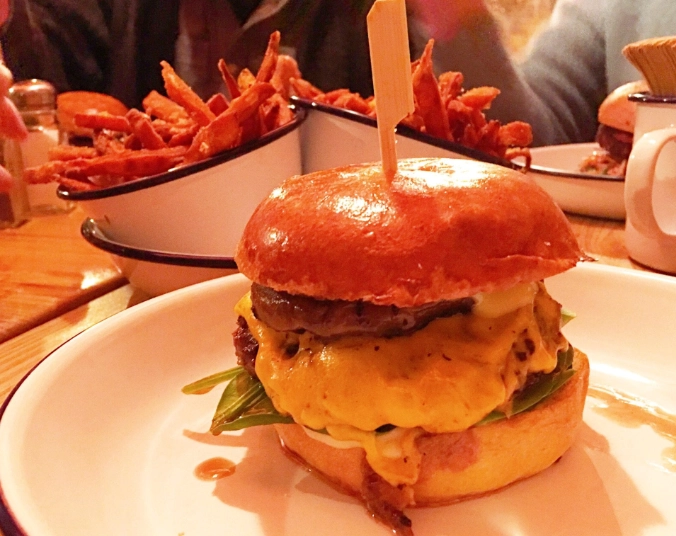
Where Did This All Start? The Hamburger's Journey
Okay, let's clear up the biggest myth right away. No, the hamburger did not originate in Hamburg, Germany, in the form we know today. That's a common mix-up. The connection is more of a culinary evolution. The story often goes back to the 19th century, with sailors traveling between Hamburg and New York. They talked about eating “Hamburg steak”—which was basically seasoned minced beef, often pan-fried and served without a bun. It was a practical way to use tougher cuts of meat.
The real transformation into fast, portable hamburg food happened in the United States. The Industrial Revolution meant workers needed cheap, quick, and filling meals. Putting that ground beef patty between two pieces of bread was a genius move. Who actually did it first is fiercely debated—several U.S. states and entrepreneurs claim the title. The 1904 St. Louis World's Fair is often cited as the event that launched it into national popularity. Vendors sold them to the crowds, and its convenience was a hit.
From there, its rise was tied to the rise of the automobile, roadside diners, and eventually, the fast-food giants in the mid-20th century. That's when hamburg food became standardized, mass-produced, and marketed to the world. So, while Hamburg gave it a name and a basic idea, America gave it its identity as the handheld meal we recognize.
Why Are We So Obsessed? The Culture of the Burger
Think about it. It's on menus from the cheapest fast-food spot to the most expensive gastropub. There are competitive eating contests dedicated to it. Why does this particular combination have such a grip on us?
First, it's customizable to an insane degree. You start with a foundation—bun, patty, cheese—and then the world is your oyster. Or your bacon, avocado, fried egg, or pineapple ring. It's a personal creation every time. Second, it's deeply nostalgic. For many, it tastes like childhood, summer, and celebrations. There's a comfort factor that's hard to beat. And third, it's communal. Grilling burgers in the backyard is a social event. It's unpretentious food that brings people together.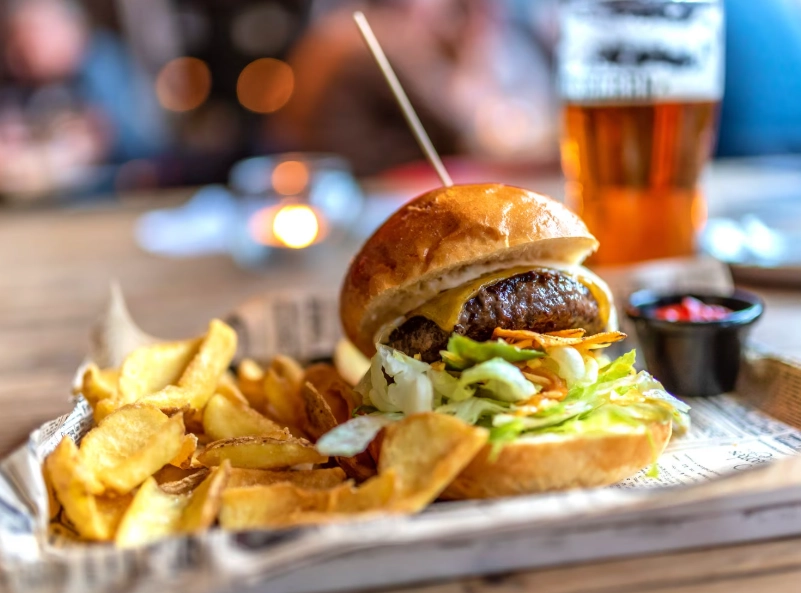
The obsession has also created a culture of “burgercraft.” People debate the merits of smash patties vs. thick pub-style burgers, brioche buns vs. potato buns, and the perfect cheese melt. It's a dish with endless variations, from the classic American cheeseburger to wild gourmet creations. This constant reinvention keeps hamburg food relevant and exciting.
The Classic Line-Up: Types of Hamburg Food
Not all burgers are created equal. Knowing the basic styles helps you know what you're in for, whether you're ordering at a restaurant or planning your cookout. Here’s a breakdown of the heavy hitters.
| Burger Style | Key Characteristics | Best For | My Personal Take |
|---|---|---|---|
| The Classic Cheeseburger | Beef patty, American cheese, lettuce, tomato, onion, pickles, ketchup, mustard on a soft sesame seed bun. | The gold standard. Nostalgia, reliability, and pure simplicity. | When done perfectly, it's unbeatable. But a bad one tastes like regret and soggy bread. |
| The Smash Burger | A thin ball of beef aggressively smashed on a hot griddle, creating a crispy, lacy, caramelized crust. | Texture lovers. Maximum crispy edges and concentrated beefy flavor. | My current favorite style. The crunch is everything. Often needs two patties for substance. |
| The Pub/ Gourmet Burger | A thicker, juicier patty (often 1/3 lb+), artisanal bun, premium cheese (like blue or aged cheddar), and “cheffy” toppings like aioli, arugula, or onion jam. | A sit-down meal experience. When you want something hearty and composed. | Hit or miss. Can be incredible, but sometimes the toppings overwhelm the beef, and the bun can’t hold up. |
| The Bacon Burger | Any of the above, but with the crucial addition of crispy bacon. Often includes BBQ sauce or mayo. | Indulgence. Adding smoky, salty, crunchy bacon is a flavor and texture game-changer. | Almost always a good idea. The salt from the bacon enhances the beef perfectly. |
Of course, this just scratches the surface. There's the mushroom Swiss burger, the chili cheeseburger, the list goes on. The beauty of hamburg food is that you can mix and match these concepts.
The Big Question: Is Hamburg Food Healthy?
This is where people get nervous. Look, if you're eating a double bacon cheeseburger with fries and a milkshake every day, that's not a great health plan. But to write off all hamburg food as “junk” is missing the point. It's about what you put in it and how it fits into your overall diet.
However, a homemade burger can be a balanced source of protein, iron, and B vitamins. You control the ingredients. Here’s how to tilt the scales toward healthier hamburg food:
- Choose Your Protein Wisely: Lean ground beef (90/10 or 93/7), ground turkey, chicken, or even plant-based patties made from beans or lentils. The American Heart Association has resources on choosing healthier proteins.
- Mind the Bun: Opt for whole-wheat or whole-grain buns for extra fiber. You can even use lettuce wraps for a low-carb option.
- Load Up on Veggies: This is the fun part. Pile on lettuce, tomato, onion, pickles, avocado, grilled mushrooms, peppers, or even beetroot slices. They add vitamins, minerals, fiber, and flavor without many calories.
- Rethink the Condiments: Mustard, salsa, or Greek yogurt-based sauces are great lower-calorie alternatives to heavy mayo or sugary ketchup.
- Watch the Cheese: Use a strong-flavored cheese (like sharp cheddar) so you can use less. Or skip it altogether.

So, can it be part of a healthy diet? Absolutely. It's a vessel. You decide what goes in it.
Building the Perfect Burger at Home: A Step-by-Step Guide
Forget the dry, bland puck you might be used to. Making great hamburg food at home is totally achievable. Here’s my no-fuss method, born from trial and error.
The Foundation: The Patty
Start with good meat. I prefer 80/20 ground chuck for a balance of flavor and juiciness. Too lean, and it dries out. Too fatty, and it flares up on the grill. Handle the meat as little as possible. Gently form it into loose balls, then pat them into patties about ¾ inch thick. Make a slight dimple in the center with your thumb—this prevents it from puffing up into a meatball.
The Cook: Grill or Griddle?
Both work, but they give different results.
- Grill (Charcoal or Gas): For that smoky, charred flavor. Get it screaming hot. Place the patties on and don't move them! Let a crust form. Flip only once. For a cheeseburger, add the cheese just after the flip and close the lid for a melt.
- Cast-Iron Griddle or Skillet: My go-to for smash burgers or when I want maximum crust control. High heat, a little oil, and you're golden. Smash that patty thin and let it sear.
Cook to an internal temperature of 160°F for well-done ground beef, as recommended by food safety guidelines. A meat thermometer is your best friend here.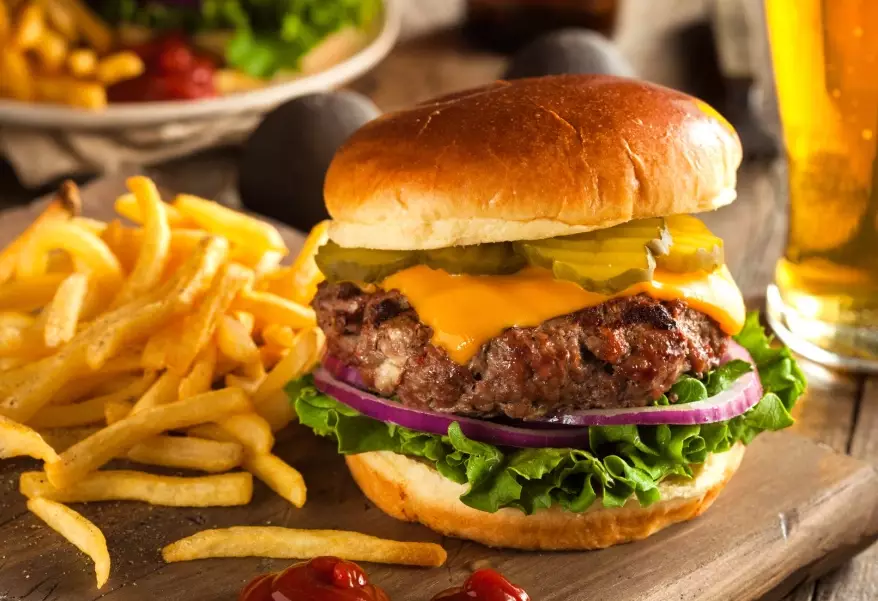
The Architecture: Assembly
This matters more than you think. A soggy bottom bun ruins everything. Here’s the order I swear by:
- Toast the bun. Always. In a toaster, on the grill, or in a dry pan. It adds flavor and creates a moisture barrier.
- Saue on the bottom bun. Mayo, mustard, or your spread of choice.
- Lettuce on the bottom. Another moisture shield between the hot patty and the bun.
- The hot patty with cheese. Goes directly on the lettuce.
- Toppings (tomato, onion, pickles). On top of the patty.
- Final sauce on the top bun. Then cap it off.
This method keeps things structurally sound and ensures every bite has a bit of everything.
What to Serve With Your Hamburg Food
A burger rarely flies solo. The sides can make or break the meal. Moving beyond the default French fries (which are great, don't get me wrong), here are some ideas:
And the drink? An ice-cold beer or a classic Coke is the traditional match. For a non-alcoholic option, homemade lemonade or iced tea works wonders. The goal is something cold and refreshing to balance the savory, rich hamburg food.
Hamburg Food Around the World
The basic idea has been adopted and adapted globally, which is a testament to its genius. Here’s a quick tour:
- Japan (Rice Burger): Uses compressed patties of rice instead of a bread bun. A clever, gluten-free twist.
- Australia (Burger with Beetroot & Egg): Often features a slice of canned beetroot and a fried egg. It's messy, sweet, and savory all at once.
- Mexico (Hamburguesa): Might include toppings like avocado, jalapeños, refried beans, or even a slice of ham.
- India (Veggie & Spiced Burgers): Given dietary preferences, you'll find incredible vegetarian patties made from potatoes, peas, and spices (like the “Aloo Tikki Burger”).
It shows that hamburg food is less about strict rules and more about a format—a delicious, handheld format that every culture can make its own.
Frequently Asked Questions (FAQs)
Let's tackle some of the common things people secretly Google about burgers.
From its humble, debated origins to its status as a global icon, hamburg food is a fascinating subject. It's a blank canvas for creativity, a subject of culinary debate, and a simple pleasure that, when done right, is hard to top. Whether you're grilling in the backyard, trying a new restaurant, or experimenting in your own kitchen, I hope this guide gives you a deeper appreciation for what's between those buns. Now, if you'll excuse me, all this talk has made me hungry. I think it's time to go make a burger.