Your Cologne Journey at a Glance
- Planning Your Cologne Travel: Before You Go
- Top 5 Must-Do Experiences in Cologne
- Beyond the Cathedral: Cologne's Diverse Attractions
- The Heart of Cologne Travel: Food, Drink & Atmosphere
- Cologne on a Budget: Smart Travel Tips
- Getting Around & Practical Advice
- Frequently Asked Questions About Cologne Travel
So you're thinking about a trip to Cologne. Good choice. It's one of those German cities that doesn't always shout the loudest on postcards, but once you're there, it just gets under your skin. It's not just about that colossal cathedral, you know? Sure, it's the star of the show, but Cologne travel is really about the vibe—the friendly, down-to-earth locals (who call themselves "Kölner"), the incredible beer culture that's more than just a drink, the charming old town, and the mighty Rhine River cutting right through its heart. I've been a few times now, and each visit feels like catching up with an old friend who always has a new story to tell.
This guide isn't going to be a dry list of facts. Think of it as a chat with someone who's wandered those cobblestone streets, made a few mistakes (so you don't have to), and discovered some spots that you won't find in every generic top-ten list. We're going to cover everything: the absolute must-dos, the food you have to try (I'm looking at you, Kölsch and Halve Hahn), how to not break the bank, where to stay, and all those little practical things that can make or break a trip. Whether you're in for a weekend or a whole week, let's get you ready for an amazing Cologne adventure.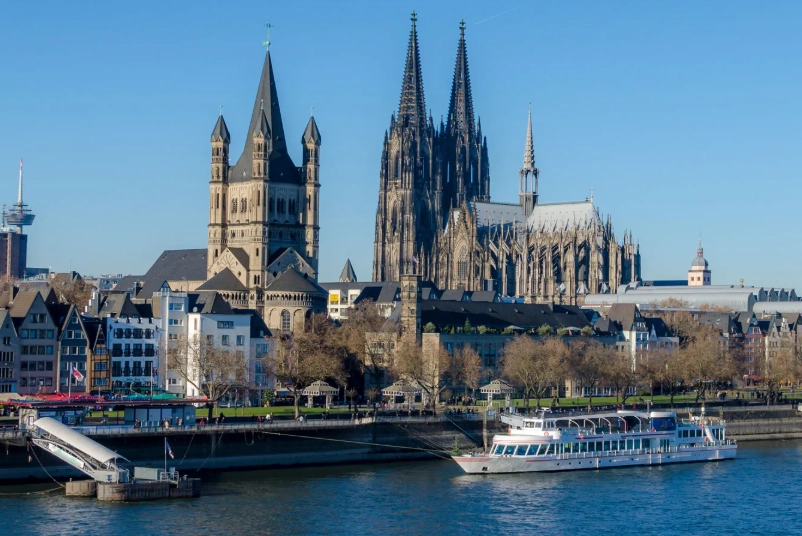
Planning Your Cologne Travel: Before You Go
Getting the basics right makes all the difference.
First things first, when should you go? Cologne has this lovely, temperate climate. The summer months (June to August) are obviously popular—the beer gardens are in full swing, the Rhine terraces are packed, and there are festivals. But it's also the busiest and most expensive time. My personal sweet spot is late spring (May) or early autumn (September). The weather is still pleasant, the crowds are thinner, and you can actually enjoy the attractions without feeling like you're in a queue simulator. Winter, especially around Christmas, is pure magic. The Christmas markets are legendary, and seeing the cathedral against a dark, chilly sky is unforgettable. Just pack a good coat!
Where to Base Yourself
Picking the right area to stay can define your trip. Cologne is pretty walkable, and the public transport is excellent, so you're never too far from anything. Here's a quick breakdown of the main districts to help you decide.
| District | Vibe | Best For | Considerations |
|---|---|---|---|
| Altstadt-Nord (Old Town North) | The classic tourist heart. Cobblestones, breweries, right next to the cathedral. | First-time visitors, nightlife, being in the thick of it. | Can be noisy, especially on weekends. Prices for hotels are higher. |
| Altstadt-Süd (Old Town South) | Slightly quieter than the north, but still full of charm and great restaurants. | A more relaxed old-town experience, foodies. | Still touristy, but feels a bit more local in the evenings. |
| Ehrenfeld | Up-and-coming, hipster, alternative. Fantastic street art and indie shops. | Younger travelers, cool cafes, authentic local life. | Further from the cathedral (15-min tram ride), but has its own unique energy. |
| Belgisches Viertel (Belgian Quarter) | Trendy, chic, boutique shopping and some of the city's best restaurants. | Style-conscious travelers, food lovers, a more upscale feel. | Accommodation can be pricey. Great for afternoon wandering. |
| Deutz (across the Rhine) | Modern, with great views of the old town skyline. Home to the LANXESS arena. | Business travelers, budget options, stunning cathedral views. | You'll need to cross the river (easy by bridge or train), feels less historic. |
I stayed in Ehrenfeld on my last trip and loved it. Waking up to the smell of fresh bread from a Turkish bakery instead of tour groups was a welcome change. The commute to the center was a breeze.
Top 5 Must-Do Experiences in Cologne
Alright, let's get into the meat of your Cologne travel itinerary. These are the experiences I think form the core of any great visit.
1. Cologne Cathedral (Kölner Dom): More Than a Photo Op
You can't miss it. Literally. It dominates the skyline. But please, don't just snap a picture from the square and walk away. That's like judging a book by its cover. The real magic is inside and up top. Entry to the main nave is free, which is amazing. The sheer scale when you walk in is breathtaking—those towering pillars, the stained glass. Take a moment to sit in a pew and just look up.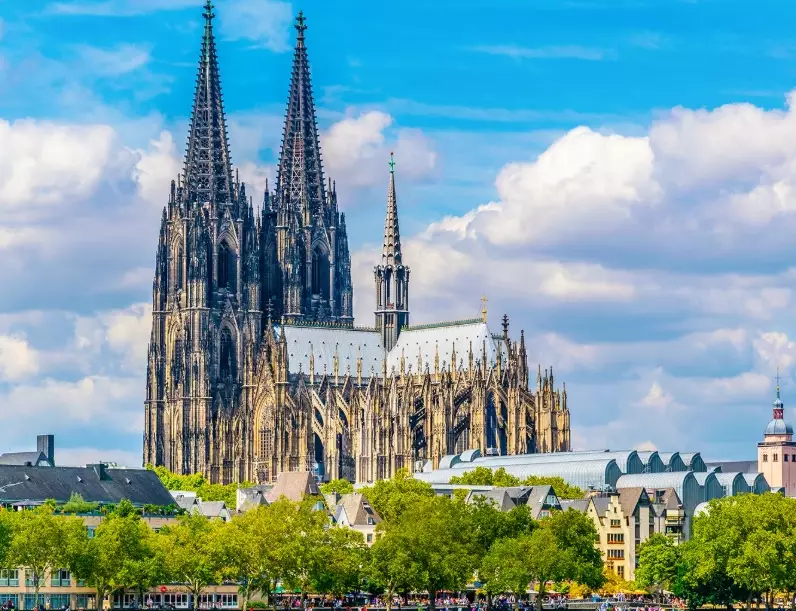
Now, the two paid parts are worth every cent. First, the treasury. It's packed with reliquaries, medieval sculptures, and liturgical objects that are mind-bogglingly ornate. It gives you context. Second, and this is non-negotiable in my book, is the climb up the South Tower. Yes, it's 533 steps. Yes, your legs will feel it. But the view from the platform just below the bells is the best in the city. You see the Rhine snake through, the patchwork of rooftops, and you get up close with the cathedral's incredible stonework. It puts the whole city into perspective. For the most accurate opening times and ticket info, always check the official Cologne Cathedral website before you go, as times can change for services or events.
2. Get Lost in the Altstadt (Old Town)
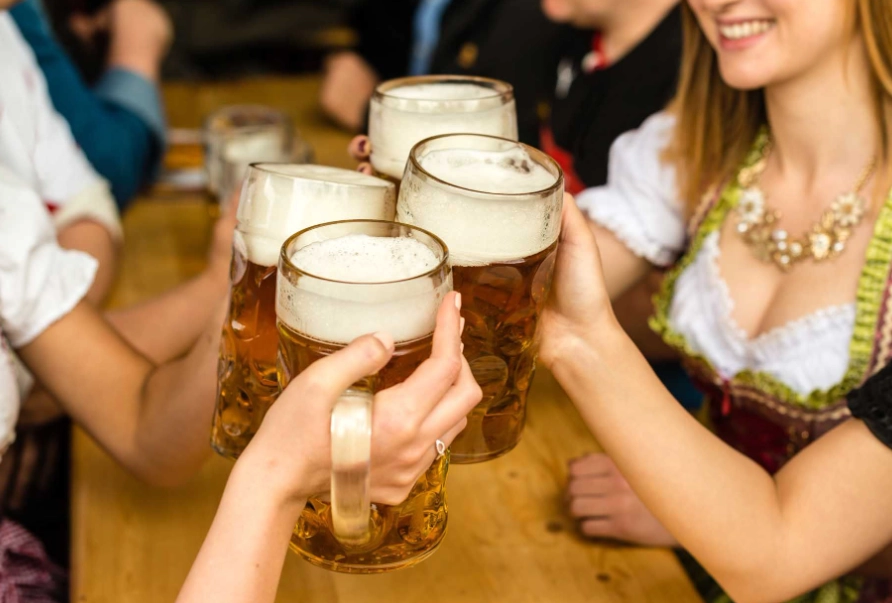
The reconstructed old town, especially around the Rathaus (City Hall) and the Alter Markt, is postcard-perfect. Colorful houses, fountains, and bustling squares. It's touristy, yes, but with good reason. This is where you'll find many of the traditional Brauhäuser (brewery taverns) like Früh, Gaffel, and Peters Brauhaus. Pop into one for that first Kölsch. The servers (called "Köbes") in their blue coats are a institution—they'll keep bringing you beers until you put your coaster on top of your glass. It's efficient and part of the fun.
But wander off the main squares. Duck down the little lanes towards the river. You'll find quieter corners, cute bookshops, and smaller cafes. The love lock bridge (Hohenzollernbrücke) is a spectacle—thousands upon thousands of locks. It's a bit chaotic, but the walk across offers killer views back towards the cathedral.
3. Museum Time: Romans, Chocolate, and Modern Art
Cologne has a fantastic museum scene, concentrated in two main areas. First, right by the cathedral, you have the Römisch-Germanisches Museum. It's built over the actual ruins of a Roman villa, and its star exhibit is the breathtaking Dionysus mosaic. It's a stunning reminder that Cologne was a major Roman colony (Colonia Claudia Ara Agrippinensium—hence the name!).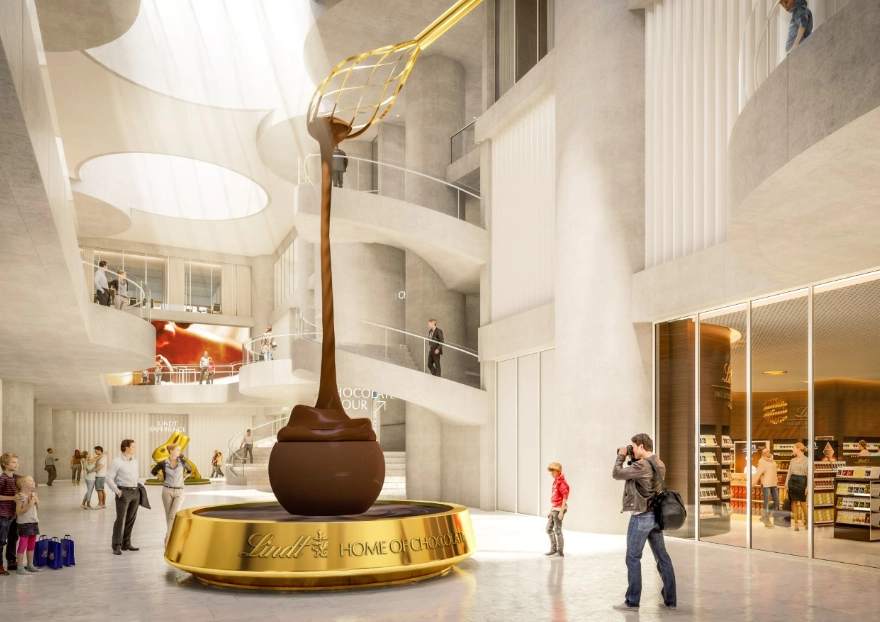
Then, just a short walk south along the river, you hit the Museum Ludwig (for modern art—think Picasso, Warhol, German Expressionism) and the absolutely delightful Schokoladenmuseum (Chocolate Museum). Now, the chocolate museum gets mixed reviews. Is it a bit commercial? Sure. But is it fun to learn about cocoa and see the chocolate fountain and get a fresh treat at the end? Absolutely. I enjoyed it more than I thought I would. For a comprehensive list of museums and combo tickets, the Cologne Museums portal is the official resource.
4. A Rhine River Cruise
Seeing Cologne from the water is a game-changer. It gives you a whole new appreciation for the city's layout and the dominance of the cathedral. You can opt for a short, one-hour round trip that goes up and down the city center, or book longer tours that go further to places like Königswinter. The short ones are perfect for a relaxing break in the afternoon. Sit on the deck with a drink, watch the city glide by, and see all the different bridges. It's a peaceful contrast to the busy streets. Boats depart regularly from the landing stages near the cathedral (KölnTourist).
5. Experience a Kölsch Brewery Tour
Kölsch isn't just a beer; it's a protected appellation (like champagne) and a way of life. It's a light, crisp, top-fermented ale served in skinny 0.2-liter glasses called "Stangen." Taking a tour of one of the traditional breweries is a deep dive into local culture. I did the tour at the Früh am Dom brewery, and it was a blast. You learn about the brewing process, the history, and yes, you get to sample the goods in the brewery's own taproom afterwards. It's social, informative, and delicious. Other big names like Gaffel and Peters also offer tours. Book ahead, especially on weekends.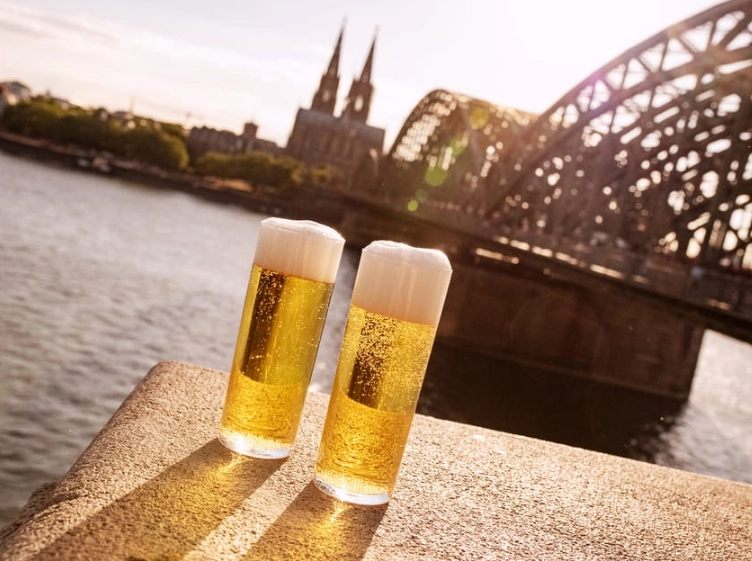
Beyond the Cathedral: Cologne's Diverse Attractions
Once you've checked the big ones off, Cologne has layers waiting to be peeled back. Your Cologne travel plans should have room for these.
For View Junkies: The KölnTriangle building across the river in Deutz offers a panoramic viewing platform that includes the cathedral in the skyline. It's a modern, elevator-up alternative to the cathedral climb, with a fantastic 360-degree view.
For Green Space: The Rheinpark, on the Deutz side, is a massive, beautifully maintained park perfect for a picnic, a run, or just lounging with a book and watching the river traffic. The Botanical Garden (Flora) is also a peaceful escape.
For Quirky & Cool: The NS Documentation Centre (EL-DE Haus) is a profoundly moving and important museum located in the former Gestapo headquarters. Its prison cells in the basement, covered in inscriptions from prisoners, are a haunting and necessary part of understanding Germany's 20th-century history. It's not a "fun" visit, but it's a powerful one.
Then there's the Cologne Cable Car (Rheinseilbahn) connecting the Rheinpark to the Zoo. It's a bit of a novelty, but floating over the Rhine in a little gondola is a unique experience, especially with kids.
The Heart of Cologne Travel: Food, Drink & Atmosphere
Let's talk sustenance. Cologne's food scene is hearty, comforting, and deeply satisfying.
What to Eat
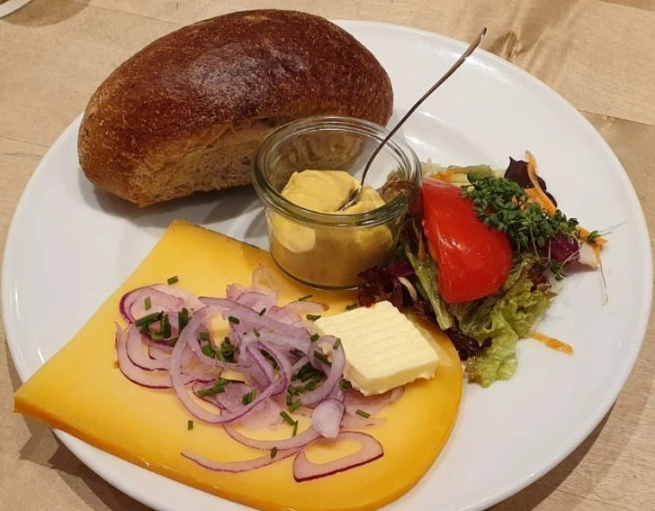
- Halve Hahn: Don't be fooled by the name ("half a chicken"). It's a hearty rye roll with a thick slice of aged Gouda cheese, butter, mustard, and usually pickles and onions. It's the perfect beer snack. I lived on these.
- Himmel un Äd: Translates to "Heaven and Earth." It's a plate of mashed potatoes (earth) and apple sauce (heaven) with black pudding (Blutwurst) or fried onions. Sounds simple, tastes incredible.
- Rheinischer Sauerbraten: A pot roast marinated for days in vinegar and spices, served with potato dumplings and red cabbage. It's the ultimate German comfort food.
- Flönz: Cologne's version of blood sausage, often served with fried onions.
- Reibekuchen: Potato pancakes, often served at Christmas markets but available year-round in some places. Crispy, hot, and usually served with apple sauce.
Where to Drink (Beyond the Brauhäuser)
Of course, you have to drink Kölsch in its natural habitat—the noisy, wooden-benched brewery taverns. But also explore some of the smaller, more modern craft beer bars, especially in Ehrenfeld and the Belgian Quarter. For wine lovers, the vineyards just south of the city in places like Rodenkirchen produce some surprisingly good Rieslings. A stroll through the old town will reveal plenty of cozy wine taverns (Weinstuben).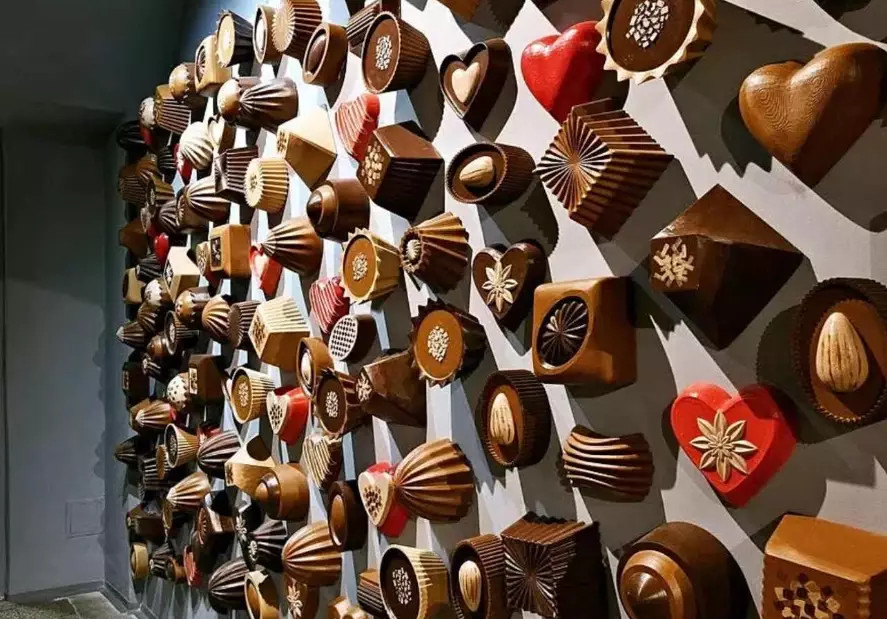
Cologne on a Budget: Smart Travel Tips
Cologne travel doesn't have to be expensive. Here are my tried-and-true ways to stretch your euros.
Get a KölnCard. This is a no-brainer if you plan to use public transport and visit a few museums. It gives you unlimited travel on trams and buses within the city zone and discounts of up to 50% at many attractions, tours, and even some restaurants. You can get it for 24 or 48 hours. Do the math based on your plans—it often pays for itself after two museums and a few tram rides. Check the latest prices and participating partners on the official Cologne Tourism website.
Embrace Free Attractions. The Cologne Cathedral nave, wandering the old town, crossing the Hohenzollern bridge, exploring the Rheinpark, and admiring the street art in Ehrenfeld cost nothing.
Eat Like a Local. Avoid the restaurants with big picture menus right on the cathedral square. Walk a few blocks away. Look for places packed with locals. Imbiss (snack stands) are your friend for a cheap and tasty currywurst or Bratwurst. Doner kebab shops are also ubiquitous, delicious, and affordable—a legacy of Cologne's large Turkish community.
Free Walking Tours. Several companies offer "pay-what-you-wish" walking tours that start near the cathedral. They're a fantastic way to get oriented, learn some history, and have a guide answer your questions. Just remember to tip your guide fairly at the end based on what you thought it was worth.
Getting Around & Practical Advice
Transportation
Cologne's public transport system (VRS) is excellent. Trams and buses will get you anywhere you need to go. The city center is very walkable. A single short-trip ticket (Kurzstrecke) is good for a few stops. For longer exploration, a day ticket (Tagesticket) is great value. Google Maps is surprisingly accurate for tram and bus times. For official route planning, the VRS website is the authority. Taxis are available but expensive. Cycling is also a great option, with many bike rental shops and dedicated paths.
Money & Tipping
Germany is a cash-friendly society, though cards are accepted in most hotels, larger stores, and restaurants. Always have some euros on you for markets, smaller cafes, and beer taverns (they often prefer cash). Tipping is customary but not as exaggerated as in some countries. Rounding up the bill or leaving 5-10% is standard and appreciated.
Language
While almost everyone in the tourist industry speaks excellent English, learning a few German phrases goes a long way. A simple "Guten Tag" (Good day), "Bitte" (Please), and "Danke" (Thank you) will be met with smiles. Kölner are generally very friendly and helpful to visitors.
Safety
Cologne is a very safe city for travelers. Standard precautions apply: watch your belongings in crowded areas like the main train station (Hauptbahnhof) and on packed trams, especially at night. The area immediately around the station can feel a bit rough around the edges, but it's more about being aware than being worried.
Frequently Asked Questions About Cologne Travel
So there you have it. A deep dive into planning a truly memorable trip to Cologne. It's a city with an ancient heart and a very liveable, modern pulse. It welcomes you with a cold beer and a fascinating story. Do the climb, make time to wander, talk to a local, and let the unique Kölsche spirit sink in. You'll leave planning your next Cologne travel adventure before you've even boarded the train home.