Quick Guide
- So, What Exactly Is the Völklingen Ironworks?
- Why You Should Bother Visiting (It's Not for Everyone, and That's Okay)
- The Must-See Areas of the Völklingen Ironworks (Don't Miss These)
- Practical Info for Your Visit (The Nitty-Gritty)
- Common Questions Answered (Stuff You're Actually Wondering)
- Digging Deeper: The History and UNESCO Status
- Final Thoughts: Is It Worth Your Time?
Let's be honest. When you think of a UNESCO World Heritage Site, you probably picture ancient temples, pristine natural parks, or grand old cities. A rusty, hulking old steel mill? Probably not the first thing that comes to mind. I thought the same before I went.
But trust me, the Völklingen Ironworks (or Völklinger Hütte, as it's known locally) is something else entirely. It’s not a polished, sanitized museum. It’s a raw, powerful, and almost overwhelming monument to human industry. Walking through it feels less like a visit and more like an experience – the scale is insane, the history is palpable in the soot-stained walls, and it completely reshapes how you think about the Industrial Age.
I spent a whole day there, got lost a couple of times (the place is massive), and came away with my ears ringing from the imagined sounds of machinery. This guide is everything I wish I'd known before I went, mixed with what I learned while wandering its labyrinth of catwalks and blast furnaces.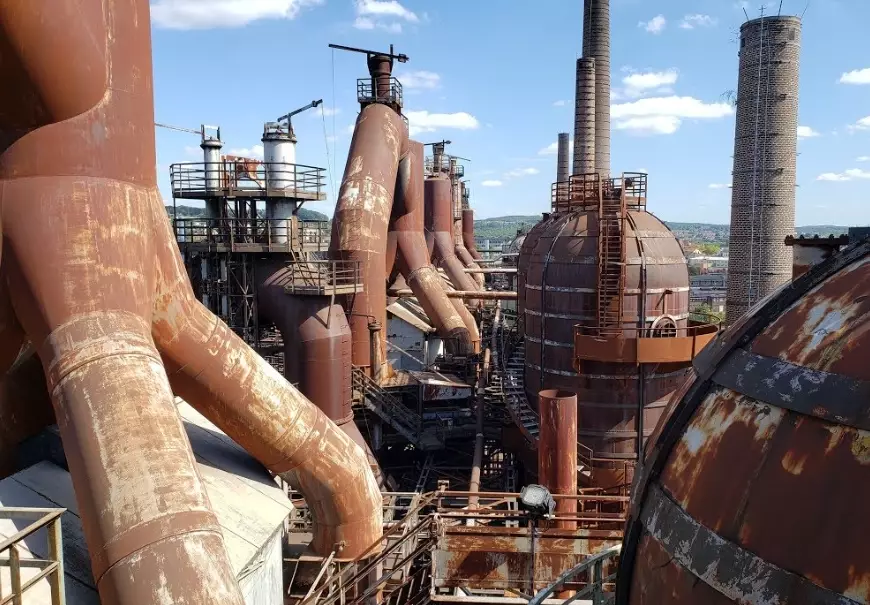
Bottom Line Up Front: The Völklingen Ironworks is a one-of-a-kind site. It's the only ironworks from the heyday of the Industrial Revolution that has been preserved in its entirety. It stopped production in 1986, and by 1994, it was on the UNESCO list. They didn't tear it down and build a shiny new museum; they just turned off the machines and let us walk in. That's the magic of it.
So, What Exactly Is the Völklingen Ironworks?
Okay, let's break it down without the textbook jargon. Imagine the most complex, noisy, and dirty factory you can think of. Now imagine it frozen in time the moment it shut down. That's the Völklingen Ironworks.
It's a fully intact iron production plant located in the Saarland region of Germany, right near the border with France. For over 100 years, from the late 19th century until the mid-1980s, this place was the economic heart of the region. Thousands of men worked here in shifts around the clock, producing pig iron that was used to build Europe.
The key thing that makes the Völklingen Ironworks so special for UNESCO is its completeness. You have the entire production chain in one spot: the coal and ore yards, the gigantic blast furnaces (six of them!), the monstrous machinery for moving raw materials, the gas purification plant, the powerhouse, and the maze of pipes and ducts connecting it all. It's a textbook example of industrial archaeology that you can literally touch.
It’s not just a relic, though. They’ve done a clever job of repurposing parts of it for massive contemporary art exhibitions and science installations. So one minute you're staring up at a 45-meter-high blast furnace, and the next you're in a dark, cavernous hall looking at a modern light sculpture. The contrast is jarring in the best way possible.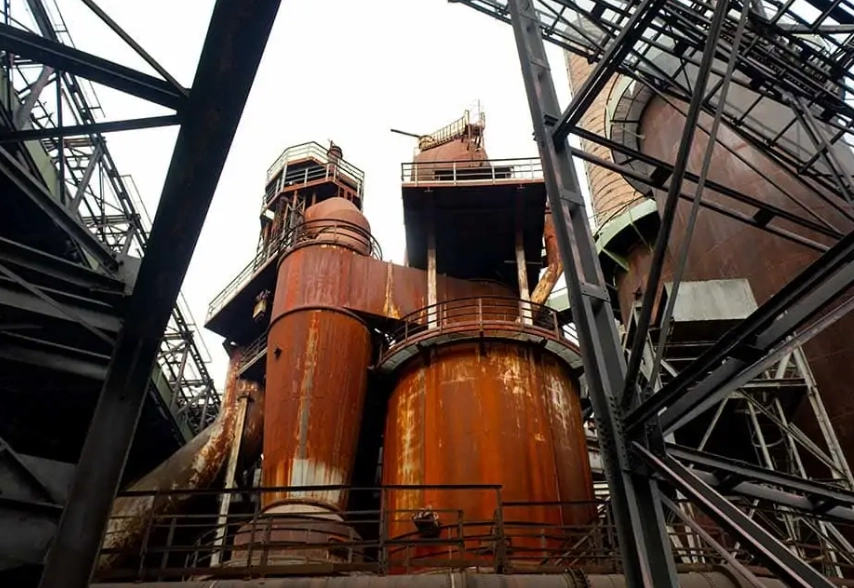
Why You Should Bother Visiting (It's Not for Everyone, and That's Okay)
Look, this isn't a cute, Instagram-perfect spot (though you can get some incredible, gritty photos). If you're looking for a cozy afternoon, go to a castle. The Völklingen Ironworks is for the curious, the slightly nerdy, and those who appreciate things that are authentically, powerfully real.
Here’s what you get:
A visceral sense of scale. Photos don't do it justice. You feel tiny. The blast furnace platform is like being on the deck of an ironclad ship. The machinery is monumental. It gives you a profound respect for the workers who operated this metal beast.
Industrial history you can feel. You're not reading about the Industrial Revolution; you're standing in its engine room. You can see the layers of soot, feel the heat (in summer, parts get very warm), and hear the echoes. It’s a totally immersive history lesson.
Incredible photo opportunities. For photographers, it's a paradise of textures, lines, shadows, and dramatic backdrops. It's all rusty reds, industrial grays, and deep shadows.
A unique blend of old and new. The contemporary art exhibitions in the raw industrial spaces are famously good. The "UrbanArt Biennale" held here is a major event. It makes you see the spaces in a new light.
A quick personal note: I loved it, but I talked to a couple who left after an hour. They found it "too bleak" and "just a bunch of old metal." And you know what? That's a fair reaction. It is bleak in places. It's confronting. It doesn't sugarcoat the hard, dirty work that happened here. Go in with the right expectations, and you'll be rewarded.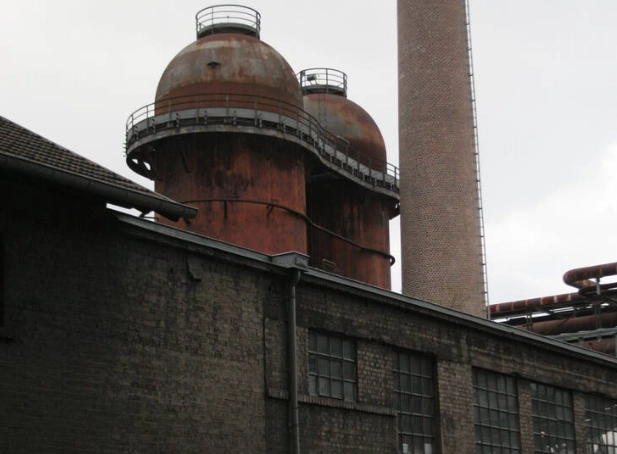
The Must-See Areas of the Völklingen Ironworks (Don't Miss These)
The site is huge—about 6 hectares. You can easily spend 4-5 hours here. Don't try to see everything if you're short on time. Focus on these highlights.
The Blast Furnace Platform
This is the heart of the beast and the single most impressive part. You take an elevator up to a network of gangways that connect the tops of the six blast furnaces. You're walking 40 meters above the ground, looking down into the giant throats of the furnaces. The view over the entire complex is staggering. You can see how everything was connected. This area alone is worth the price of admission. Just watch your step—the grids underfoot are see-through!
The Sinter Plant
This place feels like a cathedral. A dark, dusty, industrial cathedral. It's an enormous hall where iron ore was processed. Now, it's often used for the largest art installations and light shows. The scale is mind-boggling. The air feels different in here—heavy with the memory of dust.
The ScienceCenter Ferrodrom
Great if you have kids (or if you're a big kid yourself). It's a hands-on science museum built right into the old ore sheds. It explains the physics and chemistry of iron production through interactive exhibits. How do you make iron? What's a blast furnace actually do? This area answers those questions in a fun way. It breaks up the industrial grandeur with some playful learning.
The Water Management System and the "Paradise" Area
This is the surprising, green heart of the ironworks. A system of canals and settling ponds was used for cooling. Over decades, nature completely reclaimed these areas, creating a unique biotope right in the middle of the factory. It's a serene, almost surreal contrast. They call one part "Paradise"—a lush garden growing amongst the ruins of the casting hall. It’s a beautiful spot to catch your breath.
Exploring the Völklingen Ironworks is an adventure. You'll find little corners everywhere—a control room with old dials frozen in time, a workshop with tools still on the bench. The sense of sudden abandonment is everywhere.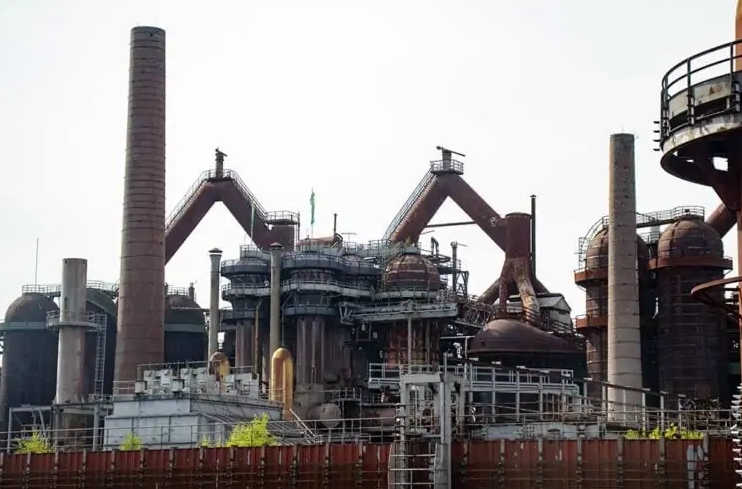
Practical Info for Your Visit (The Nitty-Gritty)
Let's get to the stuff that actually helps you plan your trip. Here’s a table with the essential facts. I always find these easier to digest than a long paragraph.
| What | Details | Notes & Tips |
|---|---|---|
| Location | Völklingen, Saarland, Germany. Right next to the French border. | Easy day trip from Saarbrücken (10 min by train), Luxembourg, or even parts of eastern France like Metz. |
| Getting There | Train to "Völklingen" station. It's a 10-15 minute walk from there. Ample parking on site if driving. | The walk from the station takes you through the town, giving you a sense of how the factory dominated the community. |
| Opening Hours | Generally 10:00 AM to 6:00 PM, 7 days a week. Slightly shorter hours in winter (Nov-Mar). | Always check the official website for the latest hours before you go, as they can change for events. |
| Admission Price | Around €17 for adults. Concessions available for students, seniors, etc. Family tickets are good value. | The ticket includes access to all areas, including any temporary exhibitions. It's not cheap, but the site is vast. |
| Guided Tours | Highly recommended. Regular tours in German, audio guides available in multiple languages (English, French). | The audio guide is excellent. It gives context and stories you'd totally miss on your own. Get one. |
| On-Site Facilities | There's a café/restaurant (in the old power plant!), a bookstore/shop, and clean toilets. | The café is decent. Eating a piece of cake in a former industrial powerhouse is a unique experience. |
| Physical Demand | Moderate to high. Lots of walking, many stairs, uneven surfaces, and open gangways. | Wear sturdy, closed-toe shoes. Not a place for heels or flip-flops. Some areas are not wheelchair accessible due to the historic structures. |
My biggest tip? Give yourself time. Don't rush. If you just sprint to the blast furnaces and leave, you'll miss the atmosphere. Wander. Get a little lost. Sit in "Paradise" for ten minutes. Let the place sink in. And for heaven's sake, dress for a factory visit, not a fashion show.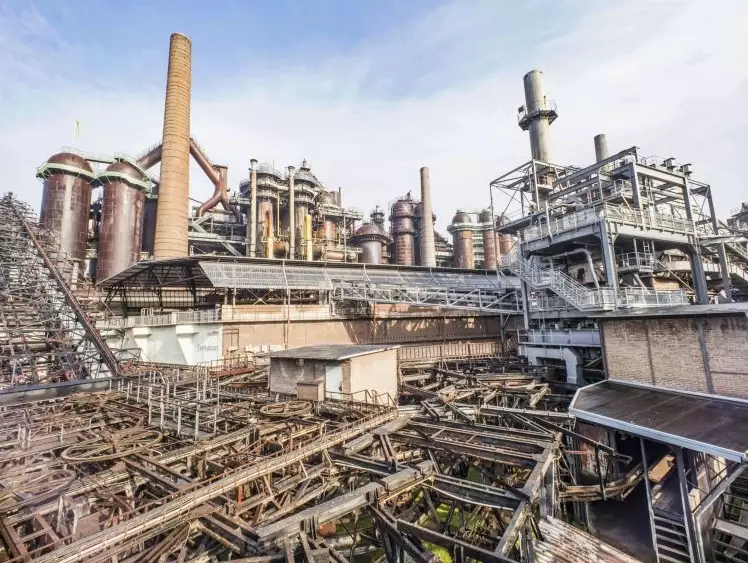
Common Questions Answered (Stuff You're Actually Wondering)
I had a bunch of questions before I went, and I've heard other visitors asking the same things. Here’s the lowdown.

Digging Deeper: The History and UNESCO Status
Okay, for the history buffs, here’s a bit more meat on the bone. Why is this place so important that UNESCO gave it the highest cultural heritage designation in the world?
The story of the Völklingen Ironworks is the story of the Saarland region. Founded in 1873, it really took off after the invention of the Thomas process, which allowed for the use of the local, phosphorus-rich iron ore. By the early 20th century, it was a technological leader. It survived two world wars (though it was heavily damaged and used for armament production). Its peak was in the 1950s and 60s, employing over 17,000 people.
But the steel crises of the 1970s hit hard. Cheaper foreign steel and changing economics made it unviable. The last blast furnace was extinguished on July 4, 1986. The plan was to demolish it.
That almost happened.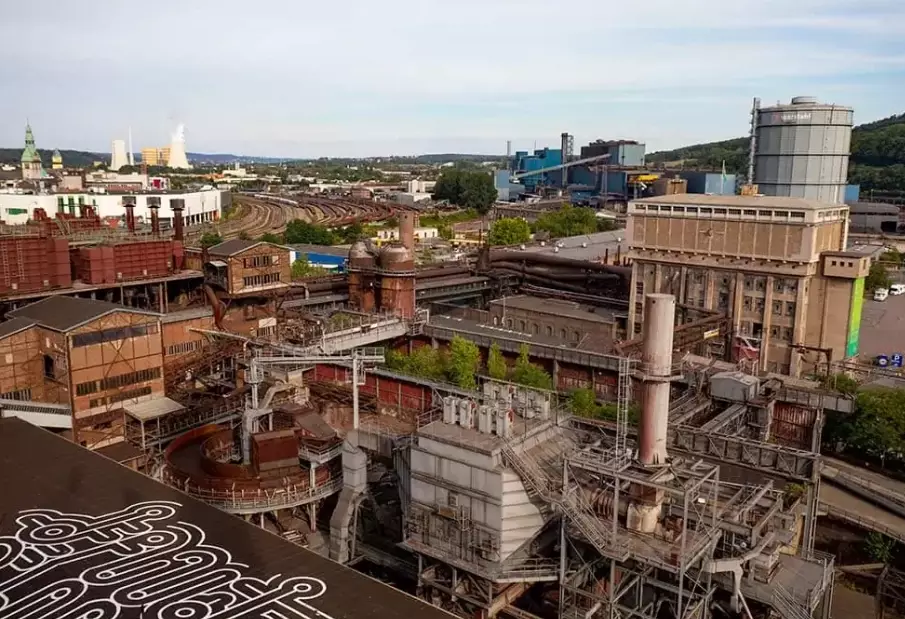
Thankfully, a group of passionate citizens and historians fought to save it. They argued it was a unique document of an era. In 1994, UNESCO agreed, inscribing it as a World Heritage Site. The justification was crystal clear: it is "the only intact example in the whole world of an integrated ironworks that was built and equipped in the 19th and 20th centuries and has remained intact."
That's the key. It's a snapshot. You can learn more about the detailed criteria on the UNESCO World Heritage Centre page for Völklingen Ironworks. It’s fascinating to read their official description.
The preservation philosophy has been "conserve, not restore." They stabilize the structures, make them safe, but they don't repaint everything or make it look new. They keep the patina of age and work. That's why it feels so authentic.
Final Thoughts: Is It Worth Your Time?
Absolutely, but with the caveats I've mentioned. The Völklingen Ironworks isn't trying to be a typical tourist attraction. It's not cozy or easy. It's challenging, awe-inspiring, and deeply educational.
It makes you think about work, about progress, about the environmental and human cost of the world we built. It’s a monument to both incredible engineering and the sheer physical labor of generations of workers. Standing on that blast furnace platform, you can't help but feel a mix of awe for what humanity can build and a sobering reflection on the conditions in which it was built.
If you're in southwestern Germany, Luxembourg, or eastern France, make the detour. Go with comfortable shoes, an open mind, and a camera. Let the iron giant tell its story. You won't see anything else like it.
And one last piece of advice: after your visit, drive or take the train into Saarbrücken for dinner. The contrast between the monumental industrial past and the lively, modern city present is the perfect way to end the day. It ties the whole experience together.