Explore This Guide
Let's get one thing straight from the start. When you hear "German food," your brain probably jumps to a giant pretzel, a stein of beer, and a plate of sausages. I did too, before I spent a good chunk of time traveling and eating my way across the country. That image isn't wrong, but it's about as complete as saying Italian food is just pizza. German food culture is a deep, regional, and surprisingly nuanced world. It's a story told through dense rye bread, tangy sauerkraut that's actually delicious, vineyards clinging to steep river slopes, and afternoon coffee rituals that feel like a warm hug. It's about how history, geography, and a very specific idea of Gemütlichkeit (a feeling of coziness and good cheer) all end up on your plate.
This isn't just about listing dishes. It's about understanding the why behind them. Why is pork so dominant? Why is there a specific cake for almost every occasion? Why do meals feel like such an important social anchor here? We're going to dig into all of that. Think of this as your friendly, slightly opinionated guide to German food culture, warts and all. I'll tell you what's amazing, what's an acquired taste, and how to navigate it all without just ending up at the tourist trap next to the cathedral.
So, grab a coffee (or a Riesling, I won't judge), and let's unpack what German food culture is really about.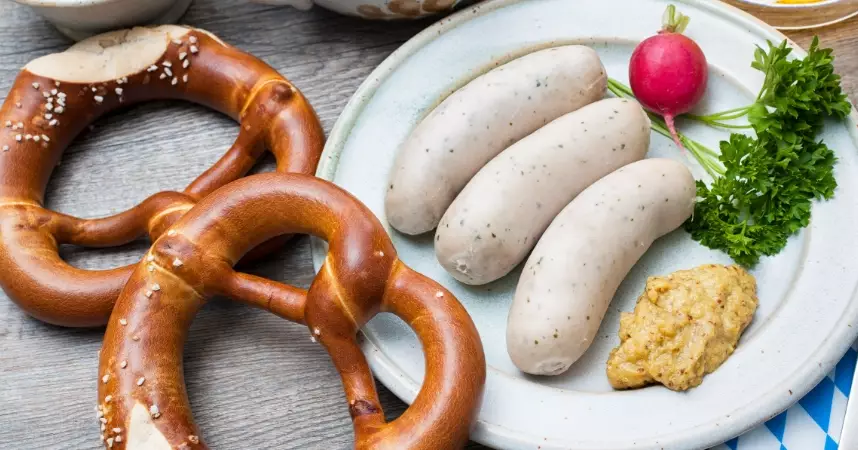
More Than Sustenance: Food as German Identity
Food in Germany isn't just fuel. It's a cornerstone of regional pride and social life. You see, Germany as a unified nation is relatively young. For centuries, it was a patchwork of kingdoms, duchies, and city-states. That history is etched directly into the culinary landscape. A Bavarian feels as distinct from a Saxon as a Texan does from a New Yorker, and their food proves it.
The north, with its access to the North and Baltic Seas, is all about fish—herring, mackerel, plaice. They use sharper, more piquant flavors, lots of mustard and vinegar. Head to the southwest, to regions like Baden-Württemberg, and suddenly you're in the land of delicate pasta-like Spätzle, creamy sauces, and refined dishes influenced by French neighbors. The east has its own legacy, with more sourdough breads, hearty stews like Soljanka, and a love for mustard and caraway that can be intense. This regionalism is the first key to unlocking German food culture. It’s impossible to talk about one single "German cuisine." There are dozens.
Then there's the rhythm of life. Meals are structured. Frühstück (breakfast) is often a spread of breads, cheeses, cold cuts, and jam. Mittagessen (lunch) is traditionally the main, hot meal of the day. Abendbrot ("evening bread") is exactly that—a lighter, cold dinner centered around, you guessed it, bread. This structure is softening in cities, but it still underpins the daily flow. And Sundays? Sundays are for family, for long, leisurely lunches, and for Kaffee und Kuchen (coffee and cake) at 3 PM sharp. It's a ritual. Miss it, and you're missing a core piece of the social fabric.
Understanding this context—the regional pride, the structured day—is what moves you from just eating German food to appreciating German food culture.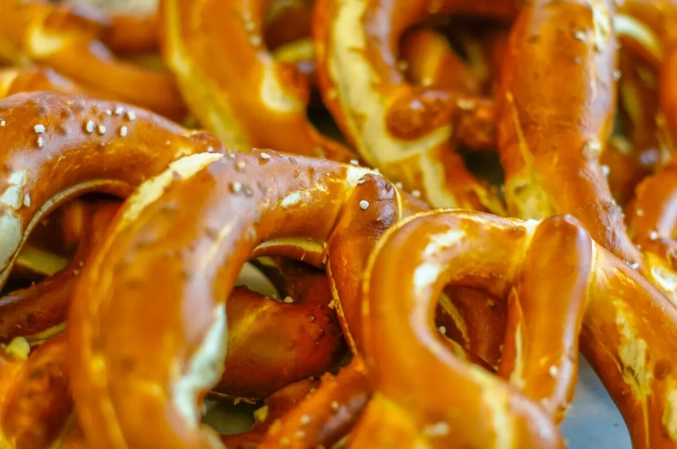
A Tour Through Germany's Regional Kitchens
Let's get specific. To truly grasp the diversity, it helps to break it down by area. Here’s a snapshot of how dramatically things change from one federal state to another. This table should give you a clear, quick reference.
| Region | Key Characteristics | Signature Dishes You Must Try | My Personal Take |
|---|---|---|---|
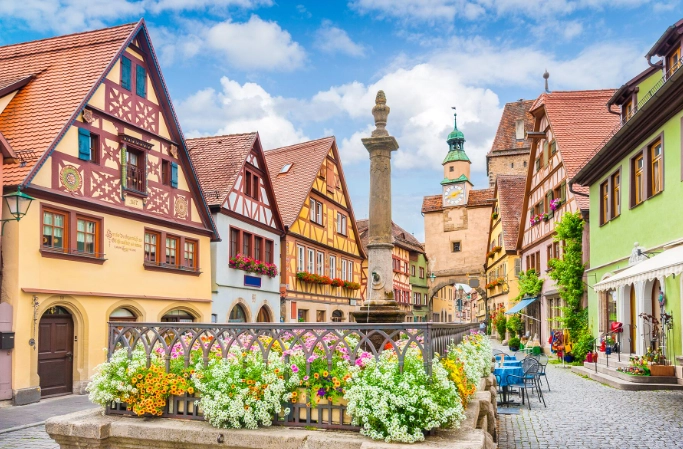
| Bavaria & Alpine South | Hearty, meat-heavy, dairy-rich. The source of most "Oktoberfest" clichés. Think dumplings, roast meats, strong beer. | Schweinshaxe (pork knuckle), Obatzda (cheese spread), Weißwurst, Brezn (pretzel). | Incredibly satisfying on a cold day. Can feel heavy after a while. The quality of a simple Brezn from a proper bakery is life-changing. |
| Swabia (Baden-Württemberg) | More refined, with French and Swiss touches. Famous for its pasta-like dishes and delicate pastries. | Maultaschen (filled pasta pockets), Spätzle (egg noodles), Schwarzwälder Kirschtorte (Black Forest gateau). | My favorite regional cuisine. Maultaschen in broth is comfort food perfection. Feels lighter and more varied. |
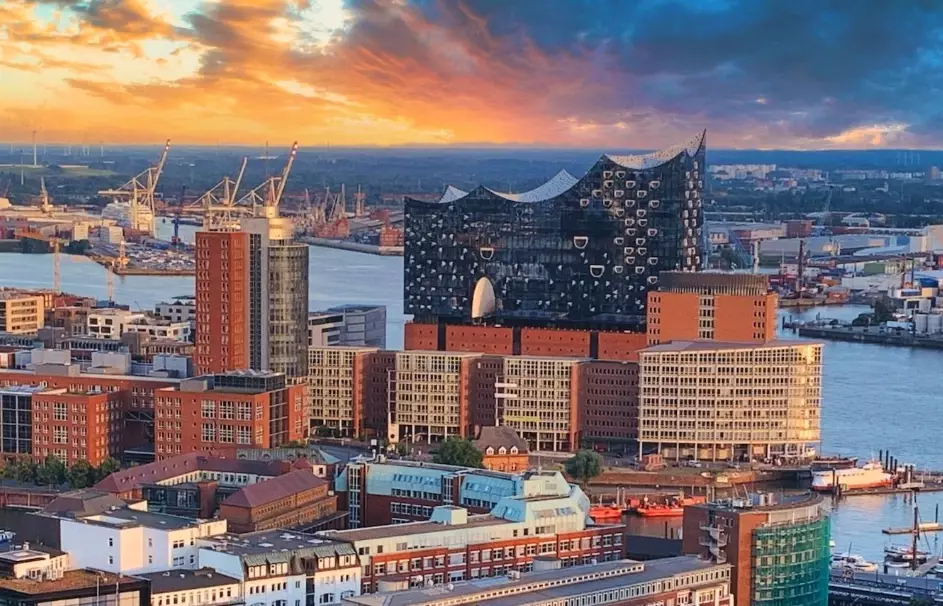
| North Germany (Hamburg, Bremen, Coast) | Maritime influence. Lots of fish, root vegetables, and hearty grains. Flavors are plainer, often using fruit (like apples) with meat. | Labskaus (a corned beef/potato/beetroot mash), Birnen, Bohnen und Speck (pears, beans & bacon), various herring preparations. | Labskaus looks... challenging. But it's delicious! The herring sandwiches (Fischbrötchen) from a harbor stand are a must-eat experience. |
| Rhineland & Westphalia | Robust, influenced by neighboring Benelux. Famous for its rye breads, cured hams, and sweet-sour flavor combinations. | Westfälischer Schinken (cured ham), Rheinischer Sauerbraten (pot roast in a sweet-sour gravy), Pumpernickel bread. | The Sauerbraten gravy, made with gingerbread and raisins, is a revelation. This is where German bread culture reaches its peak. |
| Saxony & Thuringia (East) | Rich baking tradition, hearty stews, and a distinct use of spices like caraway and mustard. | Dresdner Stollen (Christmas fruitcake), Thüringer Rostbratwurst, Leipziger Allerlei (vegetable stew). | The sausages here are often finer and more herbaceous than the southern ones. The baking is spectacular—go to a Konditorei (cake shop) and be amazed. |
See what I mean? Asking for "German food" is like asking for "European weather." It depends entirely on where you are. This regional focus is what makes exploring German food culture so rewarding. You're not just eating; you're taking a delicious geography lesson.
And speaking of bread, let's pause for a second. The German Bread Institute (https://www.germanbread.de) registers over 3,200 distinct types of bread. Let that sink in. The variety, from dark, dense rye loaves to airy white rolls, is a national treasure. A meal often starts with the question, "Which bread for today?" It's the unsung hero of the table.
The Classics Decoded: Beyond the Sausage
Okay, we have to talk about the famous stuff. But let's go deeper than the menu description.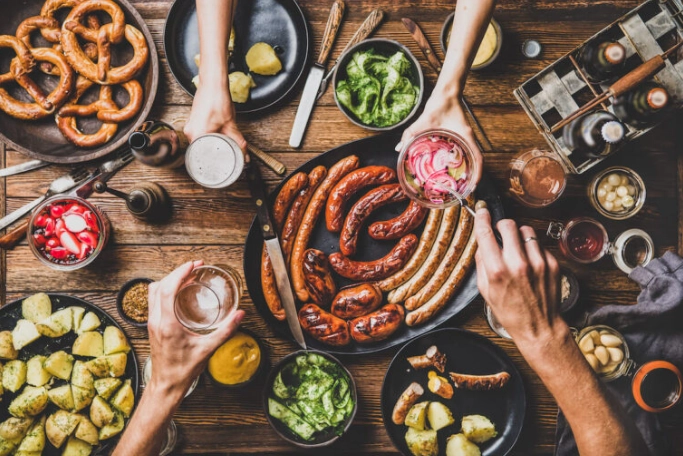
Wurst (Sausage): A Field Guide
Yes, there are many. No, they are not all the same. The variety is mind-boggling—over 1,500 types. They differ by meat (pork, veal, beef, sometimes horse), coarseness of grind, spices (marjoram, garlic, nutmeg, cardamom), casing, and cooking method (boiled, grilled, smoked).
- The White One (Weißwurst): A Bavarian breakfast staple. Made from veal and parsley, poached. You suck the meat out of the skin (or peel it). Must be eaten before noon, traditionally. Served with sweet mustard and a pretzel.
- The Grilled One (Bratwurst): The generic term for a grilled sausage. But a Nürnberger is small, thin, and comes in sets of six or twelve. A Thüringer is longer, seasoned with caraway and garlic. Never put ketchup on a good one. Mustard only.
- The Curry One (Currywurst): A Berlin street food icon. A boiled then fried pork sausage, sliced, doused in a spiced ketchup-curry sauce, and dusted with curry powder. Served with fries or a bread roll. It's messy, cheap, and perfect after a night out. Is it haute cuisine? No. Is it a cultural institution? Absolutely.
Sauerbraten, Schnitzel & Co.
These are the main-event dishes.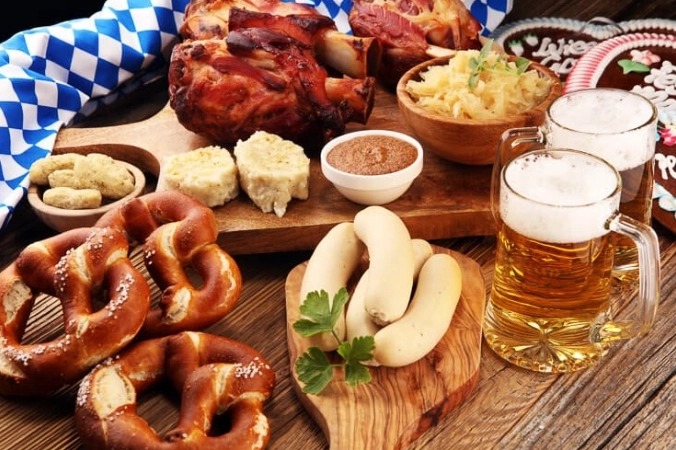
Sauerbraten: The name means "sour roast." A tough cut of beef (or sometimes horse, traditionally) is marinated for days in vinegar, wine, and spices until tender. It's then slow-roasted and served with a rich, sweet-sour gravy made from the marinade, often containing crushed gingerbread (Lebkuchen). It's a complex, time-consuming dish that represents the preserving techniques of the past. The version from the Rhineland is the most famous.
Schnitzel: Now, Austrians might fight me on this, but it's fully integrated into German food culture, especially in the south. A thin, pounded cutlet (traditionally veal—Wiener Schnitzel—but often pork—Schweineschnitzel) is breaded and fried until crispy. The key is the crispy, airy coating that doesn't get soggy. Served with lemon wedges, potato salad, or Spätzle. A simple, well-executed schnitzel is a thing of beauty.
Eintopf: Meaning "one pot." This is the ultimate hearty stew, often with beans, lentils, or peas, vegetables, and some kind of meat. It's economical, filling, and the definition of home cooking. Every family has their version.
What about the sides? They're not an afterthought. Sauerkraut is finely shredded cabbage fermented with lactic acid bacteria. The good stuff is tangy and crisp, not mushy and sour. Spätzle are soft egg noodles, a carb-lover's dream. Knödel or Klöße are large dumplings, either made from bread or potato, perfect for soaking up gravy.
How to Eat Like a Local: The Unwritten Rules
Navigating German food culture isn't just about what you order, but how you behave. Break these unwritten rules, and you'll stick out.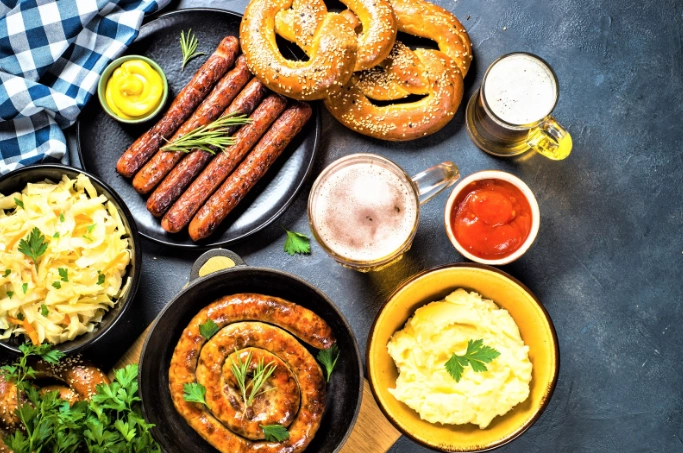
Meal Times are Real. Many traditional restaurants, especially outside big cities, serve hot food only during specific lunch (often 12:00-14:00) and dinner (18:00-21:00) windows. Showing up at 3 PM expecting a hot schnitzel might get you a puzzled look and an offer of cake. Plan ahead.
Bread is Sacred. It's almost always served in a basket. You take a piece and put it on your bread plate (the small one). You butter it with your own butter knife or the one provided. You do not bite directly from a large roll passed around the table. It’s a small ritual, but it matters.
To Tip or Not to Tip? Service is included in the bill. However, it's customary to round up or leave 5-10% for good service. You don't leave cash on the table. When paying, you tell the server the total amount you want to pay, including the tip. For a bill of €18.50, you'd say "Zwanzig" (twenty) if you're happy.
"Prost!" (Cheers!) When clinking glasses, you must look each person directly in the eyes. It's considered rude not to. A serious breach of etiquette! Also, wait until everyone has their drink and the host has made a toast before taking the first sip.
Water with Gas. If you order water (Wasser), you will almost always be served sparkling mineral water (mit Kohlensäure). If you want still water, you must explicitly ask for "stilles Wasser." It's a default setting that catches many visitors off guard.
Modern Trends & The New German Kitchen
To think German food culture is stuck in the past is a huge mistake. It's evolving rapidly, especially in cities like Berlin, Hamburg, and Cologne.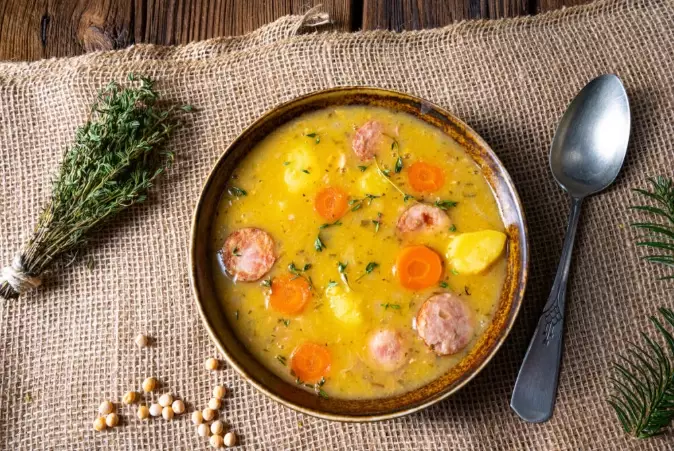
Vegetarian & Vegan Revolution: Germany is one of the easiest places in Europe to be vegetarian or vegan. You'll find vegan Currywurst, lentil-based Bolognese on Spätzle, and incredible plant-based bakeries. Even traditional restaurants now almost always have a clear "V" or "Vegan" marker on menus. This shift is massive and driven by younger generations.
New German Cuisine (Neue Deutsche Küche): Since the 1990s, a movement of chefs has been reinterpreting classic dishes with lighter techniques, modern presentation, and a focus on high-quality, local, seasonal produce. Imagine a delicate piece of pike-perch from Lake Constance with a saffron Spätzle foam and baby vegetables. It respects tradition without being shackled by it. The German National Tourist Board's culinary page (https://www.germany.travel/en/culinary-germany/culinary-germany.html) highlights many of these modern culinary destinations.
Coffee Culture 2.0: While the afternoon Kaffee und Kuchen ritual remains, the coffee itself has been revolutionized. Third-wave specialty coffee shops, roasting their own beans, are now commonplace in urban centers. The old, bitter brew is being replaced by expertly pulled espresso and pour-overs.
Craft Beer & Natural Wine: Beyond the big breweries and purity law, a vibrant craft beer scene is exploding, experimenting with IPAs, stouts, and sour beers. Similarly, natural wines from German regions like Franconia and Baden are gaining international acclaim. The German Wine Institute (https://www.germanwines.de) is a great resource to explore beyond the famous Rieslings.
The landscape is changing.
It's becoming more global, more conscious, and more innovative. But crucially, this modernity isn't erasing tradition; it's building a conversation with it. You can have your avant-garde tasting menu in Berlin one night and a perfect, traditional Rheinischer Sauerbraten in a Cologne brewpub the next. Both are authentically part of German food culture today.
Your Burning Questions, Answered
Final Thoughts on a Delicious Culture
So, what's the real takeaway about German food culture? It's robust, it's regional, and it's rooted in community. It's a cuisine that developed to fuel hard work and withstand cold winters, but has learned to lighten up and embrace new ideas without losing its soul.
Forget the monolithic idea of beer halls and lederhosen. Instead, picture a Friday night in Hamburg with friends sharing a platter of pickled herring. A Sunday in Stuttgart where the whole family gathers for Maultaschen in broth. A morning in Munich where the debate is over which bakery has the best pretzels. A modern Berlin bistro serving a vegan interpretation of a classic stew.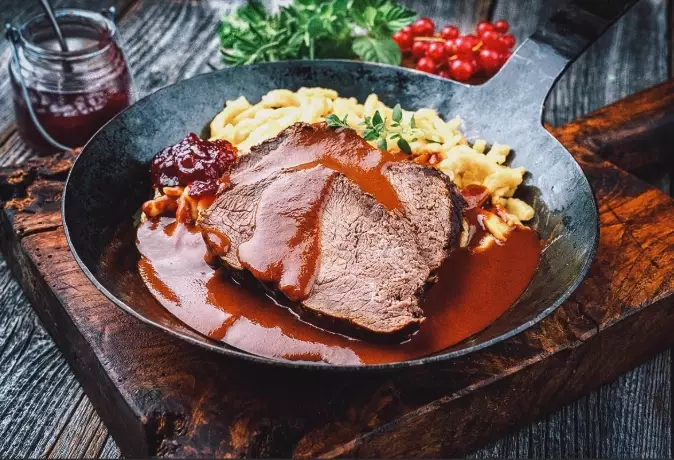
That's the vibrant, living picture. It's a food culture that welcomes you to the table, teaches you its rules with a quiet firmness, and fills you up in more ways than one. Whether you're diving into a pork knuckle the size of your head or savoring a delicate seasonal asparagus dish, you're participating in a story that's centuries old and still being written. And that, to me, is the most delicious part of all.
Just remember the eye contact when you say "Prost!". Seriously, they'll notice.