Let's cut to the chase: Hamburg is a fantastic city if you value culture, job opportunities, and a vibrant atmosphere, but it's not for everyone. The high cost of living and gloomy weather can wear you down. I've lived here for six years, and while I love stumbling upon a new street festival or grabbing a Fischbrötchen by the Elbe, I've also cursed the rental market. This guide gives you the unvarnished truth.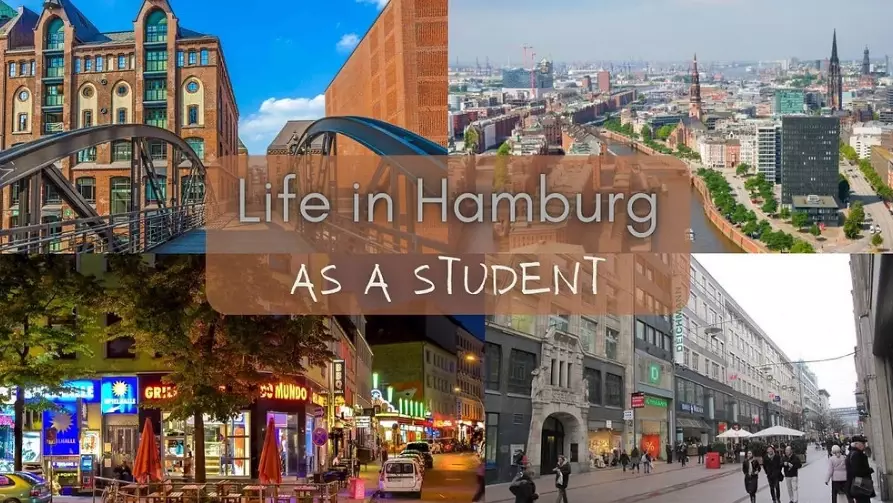
What This Guide Covers
The Upsides: Why People Love Hamburg
Hamburg isn't just Germany's gateway to the world—it's a place where things actually work. The public transport is reliable, the streets are clean, and there's a sense of order that's comforting. But beyond the basics, here's what makes it shine.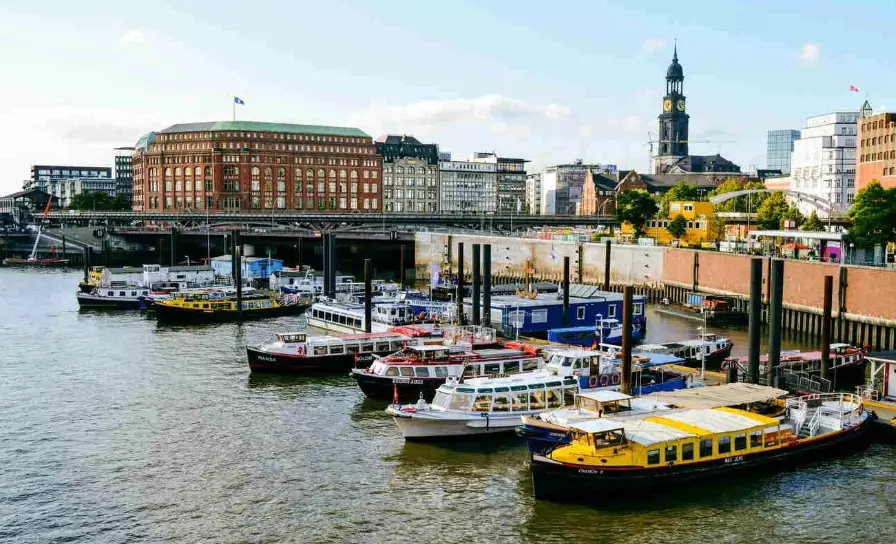
Economic Opportunities That Actually Pay
The job market here is robust. Hamburg is a hub for media (think Spiegel and Warner Bros.), logistics (thanks to the port), and a growing tech scene. Salaries are decent; for example, a software engineer might earn €60,000-€80,000 annually. I landed a marketing role within three months of moving, partly because I networked at events like Hamburg Startups. The city's economy is diversified, so even during downturns, it holds up better than some places.
A Cultural Scene That Never Sleeps
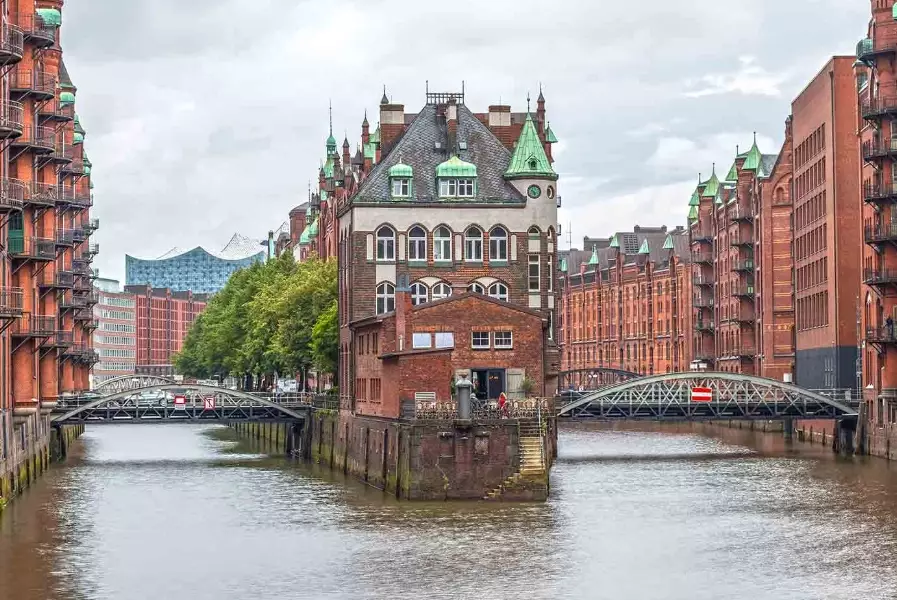
You won't get bored. From the Elbphilharmonie concerts to underground clubs in St. Pauli, there's always something. Museums like the Kunsthalle offer free entry on Thursdays, and the Reeperbahn festival turns the city into a music lover's paradise. What most guides miss: the smaller neighborhoods have their own vibes. Ottensen feels like a village with cafes, while HafenCity is all modern architecture. It's easy to find your niche.
Green Spaces and Outdoor Life
Despite the rain, Hamburg is surprisingly green. The Alster lakes are perfect for jogging, and Planten un Blomen park hosts free water light shows in summer. Cycling is huge—the city has over 2,000 km of bike paths. I bike to work most days, and it saves me money and stress. Parks are well-maintained, and you can escape to the nearby Wadden Sea UNESCO site for a weekend.
The Downsides: Challenges You Should Know
Now, the not-so-pretty parts. Hamburg has its quirks, and ignoring them can lead to frustration.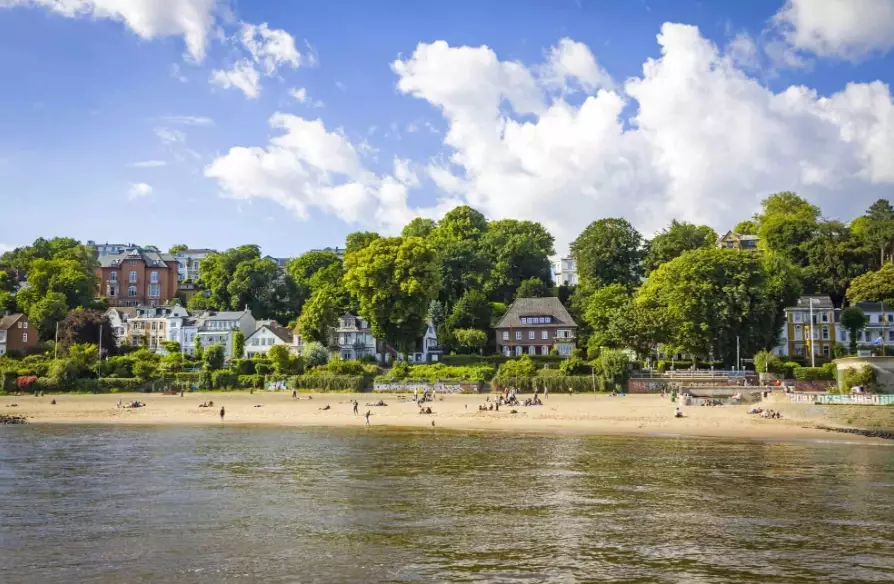
High Cost of Living: It's Real
Hamburg is expensive. Rent is the biggest headache. A one-bedroom apartment in central areas like Eimsbüttel averages €900-€1,200 per month. Utilities add another €200-€300. Food isn't cheap either—a meal out costs €15-€25. Here's a breakdown based on my experience:
| Expense | Average Monthly Cost |
|---|---|
| Rent (1-bedroom) | €1,000 |
| Groceries | €250-€300 |
| Public Transport | €90 (monthly ticket) |
| Dining Out | €150-€200 |
Data from Statistisches Amt für Hamburg und Schleswig-Holstein shows housing costs rose 5% last year. It's tough, but not impossible with budgeting.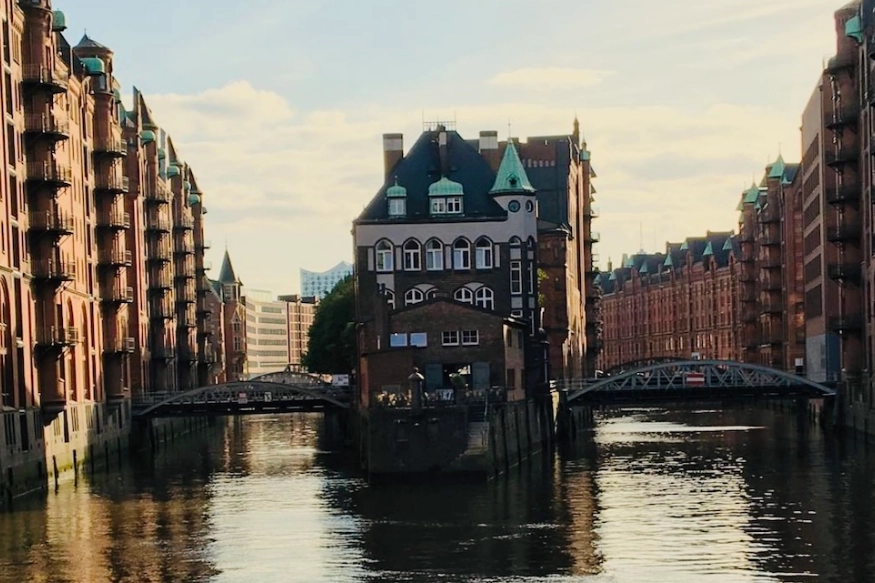
Weather: The Gray Elephant in the Room
The weather can be depressing. Winters are dark and damp, with only about 8 hours of daylight in December. I've seen friends move away after a year because of seasonal affective disorder. It's not just about carrying an umbrella; it affects your mood. Investing in a good light therapy lamp helped me, but it's a cost many overlook.
Bureaucracy and Language Barrier
Dealing with German bureaucracy, like Anmeldung (registration) or visa processes, is slow. Offices like the Bürgeramt have long waits. And while many Germans speak English, daily life—think contracts or doctor visits—requires German. I struggled until I took courses at the Volkshochschule. It's a hurdle, but manageable with patience.
How to Make Hamburg Your Home: A Step-by-Step Plan
If you're convinced, here's a practical roadmap. I wish I had this when I moved.
Step 1: Secure Housing Before You Arrive
Start early. Use platforms like Immobilienscout24, but beware of scams. A common mistake: not having a Schufa credit report ready. Landlords demand it. Consider temporary housing via Wunderflats for the first month. Neighborhoods like Altona offer a mix of affordability and vibe, while Blankenese is pricier but quieter.
Step 2: Sort Out Admin and Healthcare
Register at the Bürgeramt within 14 days of moving—book appointments online to avoid queues. For healthcare, public insurance (like TK) covers basics, but private might be faster for specialists. I use TK and find it efficient. Enroll in German classes early; integration courses subsidized by the BAMF (Federal Office for Migration and Refugees) are a lifesaver.
Step 3: Build Your Social and Professional Network
Hamburgers are friendly but reserved. Join expat groups on Meetup or local clubs like sportvereine. For jobs, LinkedIn and Xing are key, but don't ignore niche sites like Hamburg.de for public sector roles. My tip: volunteer at events like Hafengeburtstag to meet locals.
Insider Advice from a Local
Here's stuff you won't find in brochures.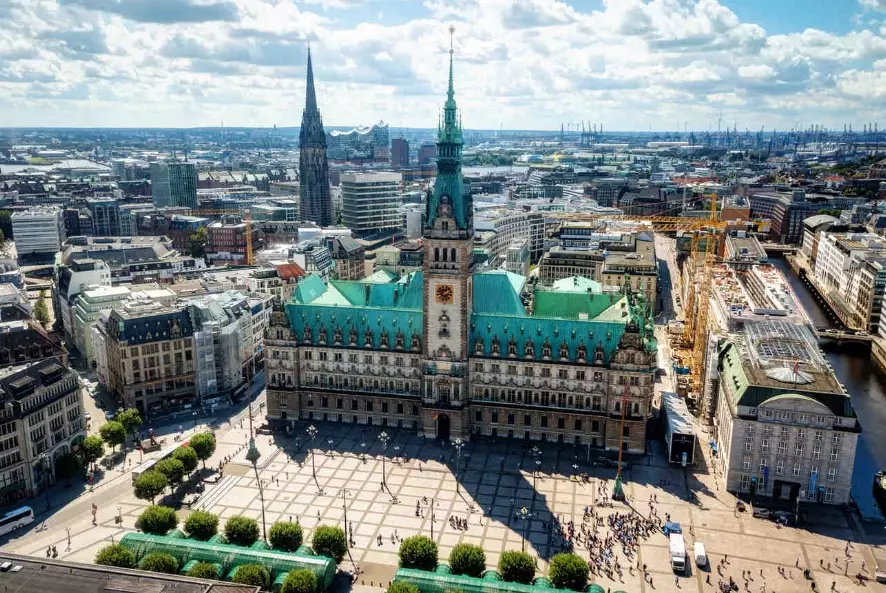
Rent Negotiation Trick: Landlords often overprice apartments. Offer to sign a longer lease (2+ years) for a 5-10% reduction. I did this in Sternschanze and saved €80 a month.
Explore beyond the center. Neighborhoods like Barmbek have cheaper markets and a community feel. For nightlife, avoid the tourist traps on Reeperbahn—head to Schanzenviertel for better bars.
Transport hack: the HVV app offers discounted group tickets for weekends. Split with friends to save.
One downside: grocery stores close early on Saturdays and all day Sunday. Plan ahead, or you'll end up at expensive gas stations like I did.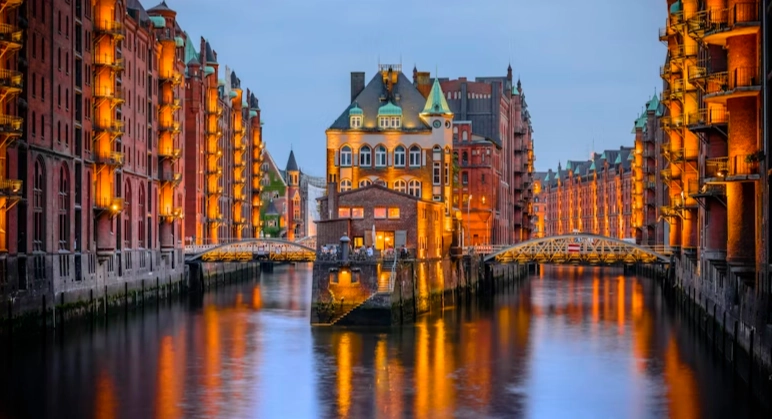
Your Burning Questions Answered
 Hamburg isn't perfect, but it's dynamic and rewarding. Weigh the pros and cons based on your priorities. For more official info, refer to Hamburg's official website for updates on housing and events. Good luck with your decision!