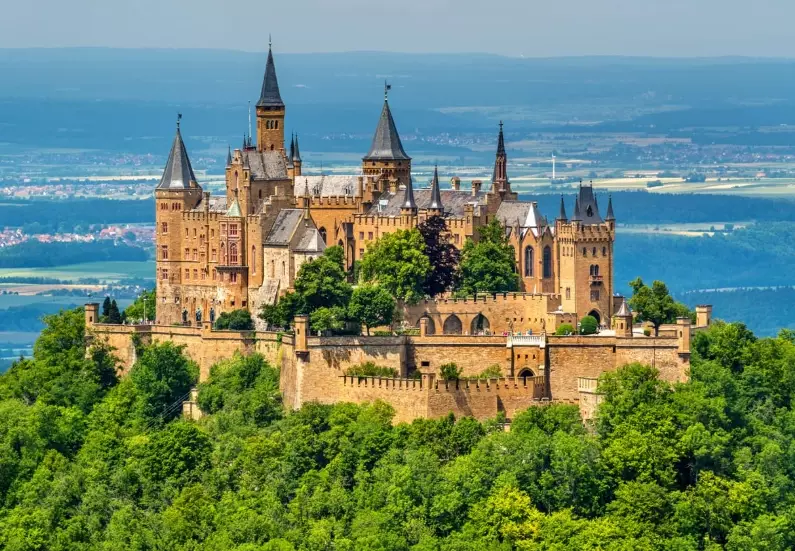
Planning a 7 day Germany itinerary by train is one of the smartest ways to see this diverse country. You skip rental car hassles, parking fees, and autobahn stress, trading it for scenic views, city-center arrivals, and the simple pleasure of watching castles roll by your window. I've done this loop half a dozen times, and I'm here to tell you it's not just efficient—it's the most enjoyable way to travel.
Your 7-Day Germany by Train: Quick Navigation
The Day-by-Day Germany Train Itinerary
This route forms a neat geographic loop: start in Berlin, head south to cultural Dresden, swing west to Bavaria's Munich, dip into the Alps, and finish in the transport hub of Frankfurt. It balances big cities, history, fairy-tale scenery, and practicality.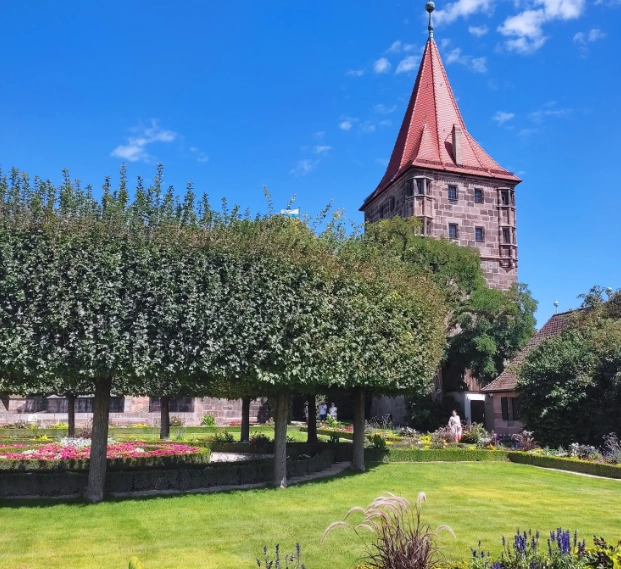
Day 1 & 2: Berlin – History & Modern Edge
Fly into Berlin Brandenburg (BER). Take the Airport Express train (FEX) or a regional train directly to Berlin Hauptbahnhof in about 30 minutes. Drop your bags at your hotel (see recommendations below) and hit the ground running.
Day 1 Focus: The Brandenburg Gate, Reichstag Building (book a free dome visit weeks in advance via the Bundestag website), and the Memorial to the Murdered Jews of Europe. For dinner, skip the tourist traps around Alexanderplatz and head to Kreuzberg for more authentic, vibrant options.
Day 2 Deep Dive: Museum Island. You can't do all five museums. Prioritize the Pergamonmuseum (currently partially closed for renovation, check its website for which halls are open) and the Neues Museum for Nefertiti. Post-museums, walk the East Side Gallery, the longest remaining stretch of the Berlin Wall.
One common mistake? Trying to see the Checkpoint Charlie museum—it's cramped, expensive, and the free outdoor exhibit tells a better story.
Day 3: Dresden – The Baroque Florence on the Elbe
Morning: Catch an early ICE train from Berlin Hbf to Dresden Hauptbahnhof (approx. 2h 10m). The train ride itself is pleasant, transitioning from urban to riverine landscapes.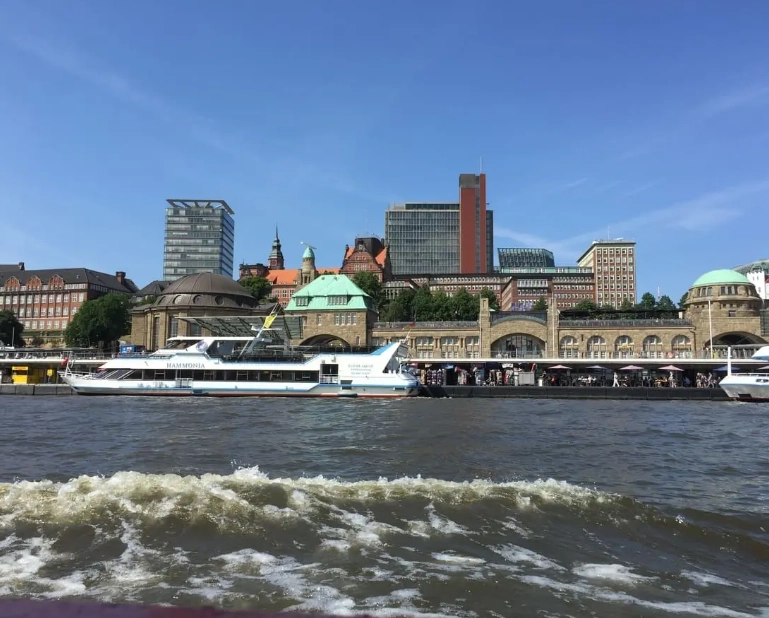
Afternoon: Dresden's main sights are a short walk from the station. The Frauenkirche (free to enter, fee to go up the dome) is a powerful symbol of reconstruction. The Zwinger Palace courtyard is stunning, and its Old Masters Picture Gallery holds Raphael's Sistine Madonna. Stroll the Brühlsche Terrasse for Elbe River views.
Dresden feels like a world away from Berlin—more ornate, more compact. You can see the core in an afternoon and evening before an early night.
Day 4: Munich – Bavarian Capital & Beer Halls
Morning Travel: Another early train. The direct ICE from Dresden to Munich takes about 4.5 hours. This is a perfect time to use that seat reservation, relax, and watch the German countryside change.
Afternoon Exploration: From Munich Hbf, it's a 10-minute walk to the Marienplatz for the glockenspiel show (at 11 am and 12 pm, also 5 pm March-October). Then, choose your vibe: art at the Alte Pinakothek, relaxation in the English Garden, or a pilgrimage to the Hofbräuhaus. Yes, it's touristy, but the atmosphere is genuinely lively. For a less chaotic beer hall, try Augustiner Bräustuben.
My take? The Viktualienmarkt, just off Marienplatz, is more interesting than the beer hall. Grab a quick, delicious lunch from one of the dozens of stalls.
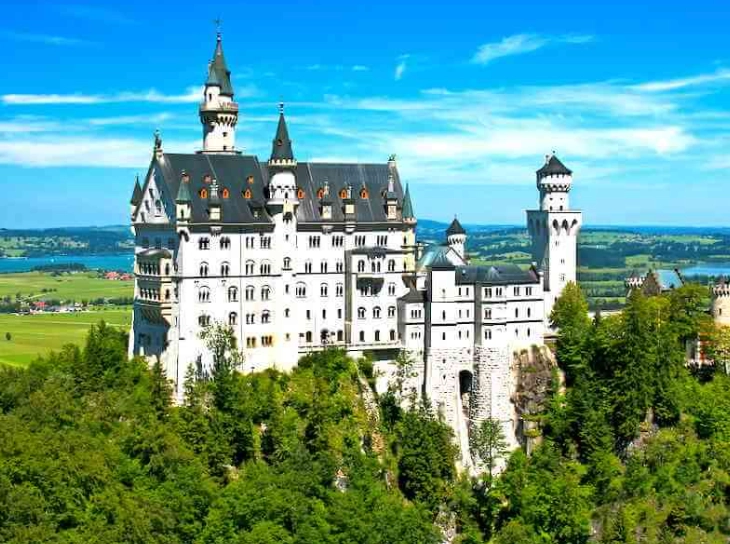
Day 5: Day Trip to Füssen & Neuschwanstein Castle
This is the scenic highlight. From Munich Hbf, take a regional train to Füssen (about 2 hours). The last leg along the Alps is gorgeous. In Füssen, catch bus #73 or #78 directly to the castle ticket center (Hohenschwangau).
Critical Advice: You must book your Neuschwanstein Castle tour ticket online in advance. Tickets are for a specific timed entry. The walk up to the castle is steep (30-40 mins); consider the paid shuttle bus or horse carriage. The view from Marienbrücke (Mary's Bridge) is the iconic photo spot, but it can be crowded and closes in winter ice.
Return to Munich by evening. You'll be tired, so plan a simple dinner near your hotel.
Day 6: To Frankfurt & Rhine Valley Glimpse
Morning: ICE from Munich to Frankfurt Hauptbahnhof (approx. 3h 15m). Frankfurt is your functional base for departure. It's a banking hub, but its reconstructed Römerberg old square is charming.
Alternative Idea: If you'd prefer small-town charm over a big city, get off the train 30 minutes earlier at Mainz or Wiesbaden. Both are lovely Rhine towns with their own character and are closer to the airport. It's a less stressful finale.
In Frankfurt, visit the Goethe House or take the short U-Bahn to the Städel Museum for an outstanding art collection.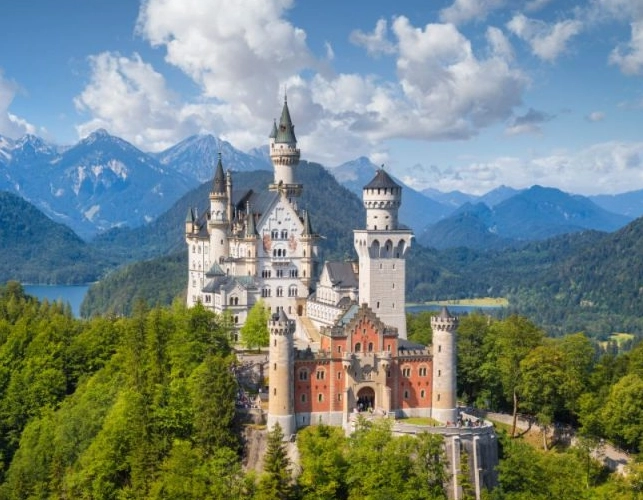
Day 7: Departure from Frankfurt
Frankfurt Airport (FRA) has its own long-distance train station, Frankfurt Flughafen Fernbahnhof. It's a 10-15 minute regional train (S-Bahn) ride from Frankfurt Hbf. Trains run constantly. Give yourself at least 3 hours before an international flight.
| Day | Overnight | Key Train Journey | Travel Time (approx.) | Daily Highlight |
|---|---|---|---|---|
| 1-2 | Berlin | Airport to City | 30 min | Reichstag Dome, Berlin Wall History |
| 3 | Dresden | Berlin Hbf → Dresden Hbf | 2h 10m | The Frauenkirche & Zwinger Palace |
| 4-5 | Munich | Dresden Hbf → Munich Hbf | 4h 30m | Marienplatz, Day Trip to Neuschwanstein |
| 6 | Frankfurt | Munich Hbf → Frankfurt Hbf | 3h 15m | Römerberg Old Town |
| 7 | – | Frankfurt Hbf → Airport | 15 min | Departure |
How to Plan Your German Train Travel: Tickets & Passes
This is where most people get anxious. Don't. The system is logical.
Option 1: Point-to-Point Sparpreis Tickets. For a fixed itinerary like this, these advance-purchase saver fares are king. They are cheap but tied to a specific train. Book on the Deutsche Bahn (DB) website or app as soon as schedules open (usually 3 months ahead). Prices start from 19.90 euros per leg.
Option 2: The Germany Rail Pass. Offers flexibility on travel days within a period. For this 7-day trip with 4 long journeys, a 7-day continuous pass is rarely cheaper than booked Sparpreis tickets. Do the math on DB's site. A pass shines for spontaneous travel or many short trips.
Seat Reservations: Not mandatory but highly recommended on ICE trains for peace of mind and a guaranteed spot, especially with luggage. Adds about 5 euros per journey. Book it with your ticket.
Where to Stay: Hotels Near the Hauptbahnhof
Your hotel's location is non-negotiable. You want to be within a 10-minute walk, with luggage, of the main train station (Hauptbahnhof or Hbf). It saves time, stress, and cab fare. Here are reliable, well-located picks in different budgets.
Berlin: The Motel One Berlin-Hauptbahnhof is my go-to. It's directly across from the station, modern, clean, and has a great lobby bar. For more space, Select Hotel Berlin The Wall is a 15-minute walk or short taxi ride from Hbf, closer to the Brandenburg Gate.
Dresden: Ibis Dresden Bastei is a 5-minute walk from the station and perfectly adequate for one night. Hotel Bülow Palais is a splurge in a beautiful Baroque palace, a 15-minute walk or quick tram ride away.
Munich: The area right in front of Munich Hbf is a bit gritty but super convenient. Hilton Munich City is a step up and just a 2-minute walk from the station's south side. Marc München is a great design hotel a few blocks away in a quieter area.
Frankfurt: 25hours Hotel by Levi's is quirky, fun, and literally across the street from the station's main entrance. Motel One Frankfurt-Römer is a 15-minute walk or one U-Bahn stop away, putting you right in the prettiest part of town.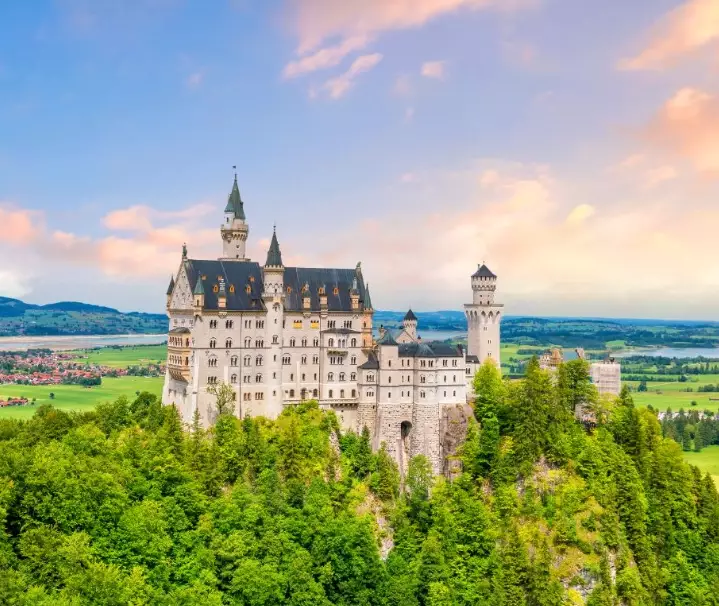
Essential Trip Logistics & Tips
Packing: One carry-on-sized suitcase and a backpack. You will be lifting this onto trains, into overhead racks, and walking to hotels. Packing light is not a suggestion; it's a requirement for sanity.
Money: Germany is still largely cash-based for small purchases (bakeries, markets, some restaurants). Withdraw euros from an ATM (Geldautomat) upon arrival. Cards are widely accepted in hotels, larger stores, and train stations.
Connectivity: Buy a local EU SIM card at the airport or use your provider's international plan. Reliable data is essential for navigating with the DB app and Google Maps.
City Travel: Upon arrival in each city, buy a day pass for the local public transport (U-Bahn, S-Bahn, tram). It's cheap and efficient. Your long-distance train ticket does not cover local transport.
The biggest time-saver nobody mentions? Use the left luggage lockers (Schließfächer) in every major train station. If you have a gap between checkout and your train, store your bags and explore hands-free.
Your Germany Train Trip Questions Answered
Is a 7-day Germany train itinerary too rushed?
Should I buy a Germany Rail Pass for a 7-day trip?
How far in advance should I book train tickets and hotels?
Do I need to reserve seats on German trains for this itinerary?
So, is a 7 day Germany itinerary by train worth it? Absolutely. It's a crash course in the country's soul—from Berlin's gritty history to Bavaria's dreamy castles, all strung together by the rhythmic comfort of the rails. You see more, stress less, and travel the way Europeans have for generations. Just book those key trains early, pack light, and get ready for one of the most efficient and rewarding weeks of travel you'll ever have.