Explore the Sections
- The Undisputed King: Brot & Brötchen (Bread & Rolls)
- The Everyday Champions: Potatoes, Pork, and Pasta
- The Liquid Gold: Coffee
- Breaking It Down: A Typical Week on a German Plate
- Regional Variations: It's Not All the Same
- Common Questions About What Germans Eat
- The Modern Twist: Vegetarian & Global Influences
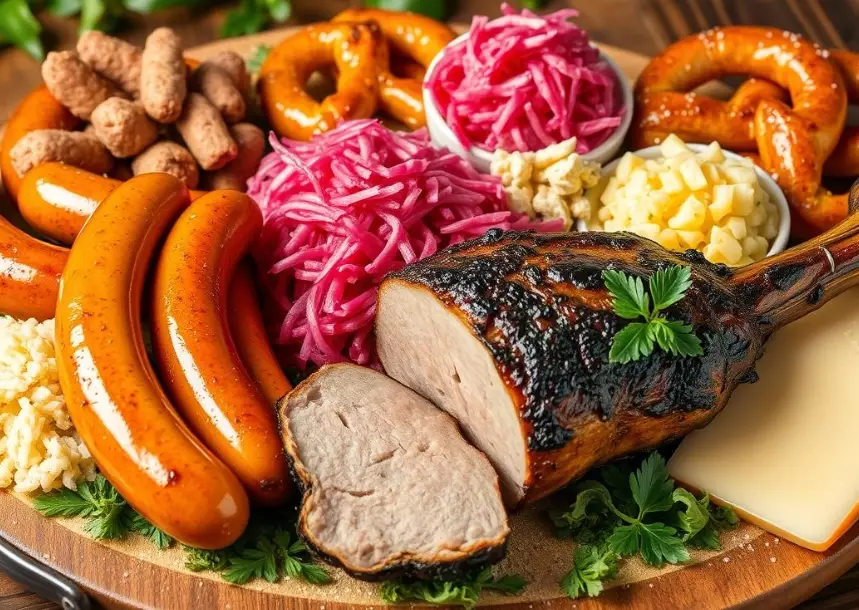
Okay, let's be honest. When you think of German food, what pops into your head? Probably a giant pork knuckle, a heap of sauerkraut, and a massive pretzel the size of your head, all washed down with a liter of beer. Right? I thought so. It's the classic postcard image. But here's the thing – if you ask a German what they actually eat for lunch on a random Tuesday, the answer is almost never "a giant pork knuckle." That's a weekend thing, a festival thing, a "I-have-tourists-visiting" thing.
So, what's the most eaten food in Germany on a daily basis? It's a surprisingly tricky question because "most eaten" can mean different things. Is it the food by weight? By frequency? The one that's always in the pantry? The true answer is less about a single, spectacular dish and more about a collection of humble, everyday staples that form the backbone of the German diet. It's the quiet workhorses of the kitchen, not the show ponies.
I remember living in Berlin for a while and being genuinely confused. My local supermarket had an entire aisle just for different types of… well, we'll get to that. My German friends' dinner plates looked nothing like the pictures in my guidebook. To really understand what Germans eat the most, we need to look past the clichés and into their supermarkets, their work canteens (Mensa), and their home kitchens.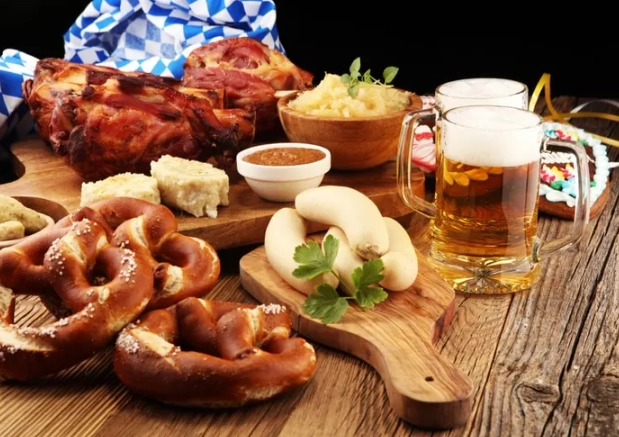
The Undisputed King: Brot & Brötchen (Bread & Rolls)
Germans don't just eat bread. They have a relationship with it. It's a cultural institution. The German Bread Institute (Deutsches Brotinstitut e.V.) registers over 3,200 different types of bread. Let that sink in. Over three thousand. The variety is staggering, from dense, dark, whole-grain rye breads (Roggenbrot) to lighter wheat mixes, seeded loaves, and sourdoughs of every description.
So, what's the most eaten food in Germany when it comes to bread? It's a two-part daily ritual.
Part 1: Breakfast (Frühstück). This is almost always a cold meal centered around rolls (Brötchen). You get a basket of fresh, crusty rolls – maybe sesame, pumpkin seed, or whole grain – and an array of toppings: cold cuts (Aufschnitt) like ham, salami, and cheese, jams, honey, Nutella, and soft-boiled eggs. It's simple, customizable, and happens in millions of households every single morning.
Part 2: Abendbrot (Evening Bread). This is the classic German dinner. The name literally means "evening bread." It's a lighter, cold meal similar to breakfast, often featuring sliced loaves of darker, heartier bread (like the famous Pumpernickel or Vollkornbrot) with cheeses, cold cuts, pickles, and maybe some salad. It's quick, requires no cooking, and is deeply ingrained in daily life.
Honestly, the quality and variety of everyday bread is one thing Germany absolutely gets right. You can find amazing, artisan-style loaves in almost any average supermarket for a couple of euros. It puts the pre-sliced, soft, white bread common elsewhere to shame. A personal favorite of mine is a simple Roggenmischbrot – a rye-wheat mix – with a thick layer of butter and aged Gouda. Perfection.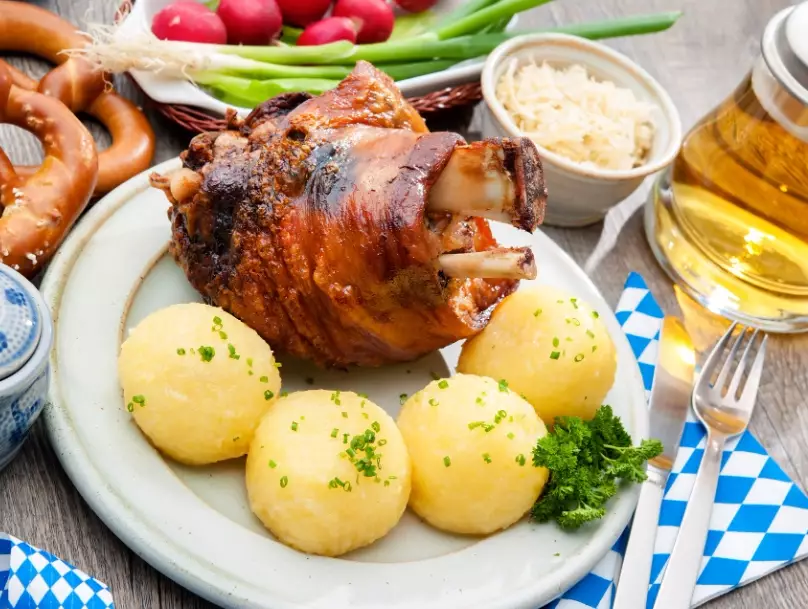
The Everyday Champions: Potatoes, Pork, and Pasta
Beyond bread, the podium for most consumed staples gets fiercely competitive. These are the ingredients that appear constantly in warm meals (Mittagessen – the main, warm meal often eaten at lunchtime).
The Mighty Potato (Kartoffel)
Forget fries. In Germany, the potato is a versatile canvas. It's boiled, mashed, fried into pancakes (Kartoffelpuffer), formed into dumplings (Klöße or Knödel, especially in the south), baked, and roasted. It's the ultimate, affordable, filling side dish. A classic comfort meal like Bratwurst mit Kartoffelsalat (sausage with potato salad, which is often mayo- or vinegar-based) is a weekly staple in countless homes.
While consumption has declined slightly over decades (thanks to the rise of pasta and rice), the potato remains a cornerstone. It's the reliable, comforting base of the plate. You'll find it in school cafeterias, office canteens, and family dinners more often than not.
Pork (Schwein)
Germany is a nation of pork lovers. It's the most consumed meat by a huge margin. Think about all the famous German meats: Bratwurst (in hundreds of regional varieties), Schnitzel (often made from pork, though the original Wiener Schnitzel is veal), pork chops (Kotelett), ground pork in meatballs (Frikadellen), and the aforementioned pork knuckle (Schweinshaxe). Bacon (Speck) is used to flavor soups and stews.
It's everywhere. A Currywurst (steamed then fried pork sausage with curry ketchup) from a street stand is arguably Germany's most iconic fast food. It's cheap, quick, and beloved. I'll admit, after a while, the sheer omnipresence of pork can feel a bit monotonous if you're not a superfan. Finding a diverse range of chicken or creative vegetarian options in a traditional Gasthaus can sometimes be a challenge, which is a valid criticism of the traditional meat-heavy focus.
Pasta (Nudeln) & The Italian Invasion
This might surprise you, but pasta has become a massive part of the German diet. It's the ultimate quick, family-friendly meal. Spaghetti with tomato sauce (often called "Napoli" sauce), pasta with pesto, or a simple pasta bake (Nudelauflauf) are standard weeknight dinners. Brands like Barilla have huge market shares.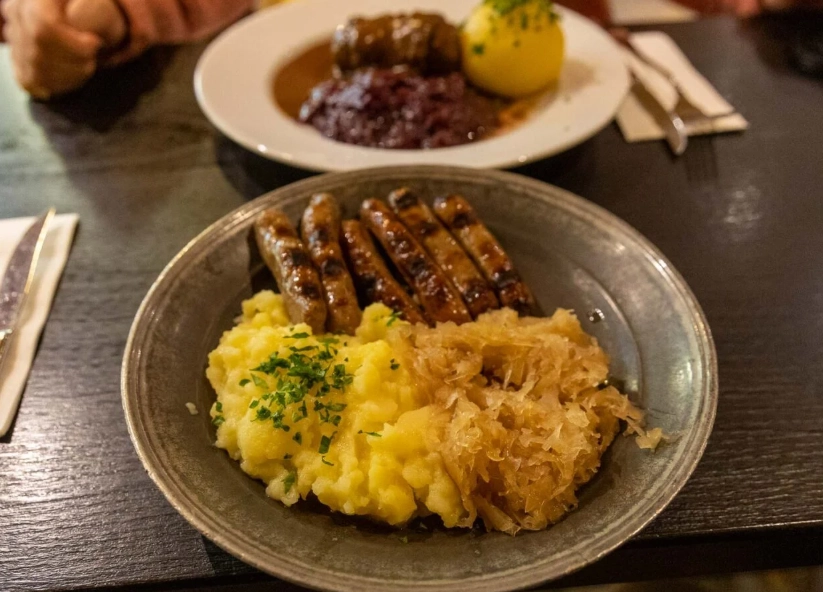
This reflects a broader European trend of culinary integration. The line between "German" and "international" food in the home kitchen is very blurry. Pizza is another huge one. So when pondering what Germans eat the most, you can't ignore the adopted staples that have become just as common as the native ones.
The Liquid Gold: Coffee
We need to talk about beverages because if we include drinks, coffee absolutely smashes the competition. Germany is a nation of coffee drinkers. It's not just a morning pick-me-up; it's a social ritual. Kaffee und Kuchen (coffee and cake) is a formalized afternoon break, often on weekends. People meet for "a coffee." Office machines run constantly.
According to the German Coffee Association (Deutscher Kaffeeverband), per capita consumption is around 450 liters per year, making it the most popular beverage by far, even more than mineral water or beer. Beer consumption, while culturally iconic, has actually been declining for years, while coffee holds strong. So, while not a "food," no discussion of daily consumption is complete without tipping a hat to the humble coffee bean.
Breaking It Down: A Typical Week on a German Plate
Let's visualize this. Here’s a hypothetical but very realistic look at what might be on the menu for a typical German household over a week. This shows how the "most eaten" foods actually play out.
| Day | Main Warm Meal (Mittagessen or Abendessen) | How It Features "Most Eaten" Staples |
|---|---|---|
| Monday | Spaghetti with tomato sauce and a green salad. | Pasta (adopted staple), salad on the side. |
| Tuesday | Pork cutlet (Kotelett), boiled potatoes, and steamed broccoli. | Pork and Potatoes – the classic duo. |
| Wednesday | Lentil soup with sausages (Linsensuppe mit Würstchen). | Features pork sausage, often eaten with a roll (Bread). |
| Thursday | Schnitzel (pork) with French fries and lemon. | Pork again, in its most famous form. |
| Friday | Fish sticks (Fischstäbchen) with potato salad and remoulade. | A common tradition (often for Catholics), featuring potatoes. |
| Saturday | Maybe a grill party: various sausages (Bratwurst), bread rolls, and salads. | Pork (sausages) and Bread central. |
| Sunday | Roast chicken or a more elaborate dish, perhaps a pot roast (Schmorbraten). | Often served with potato dumplings or bread dumplings. |
Breakfast and Abendbrot would feature bread/rolls, cold cuts, and cheese every single day.
See the pattern? Bread is a constant. Pork and potatoes rotate through the warm meals. Pasta makes a regular appearance. It's not glamorous, but it's real.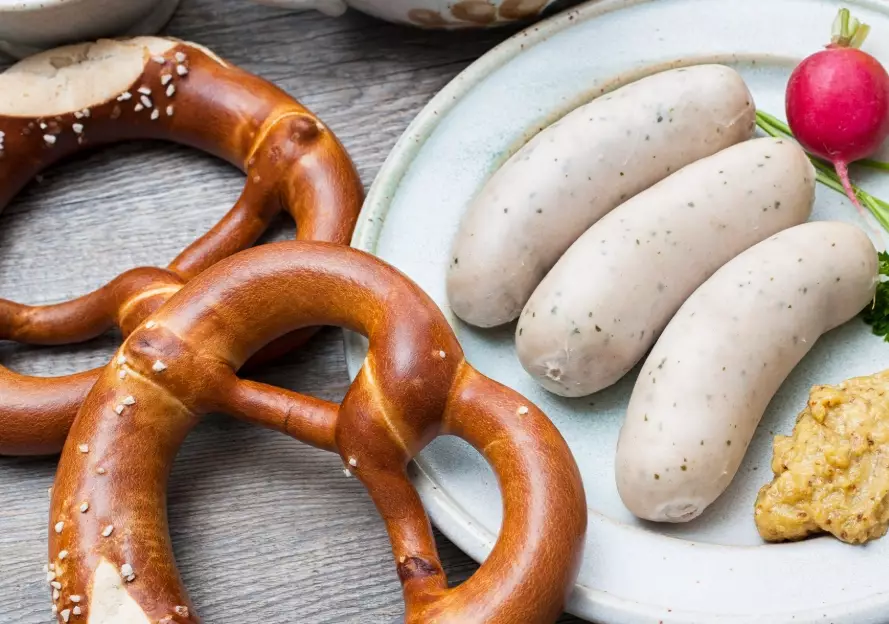
Regional Variations: It's Not All the Same
Germany is a federal country, and tastes change dramatically across regions. The answer to "what's the most eaten food in Germany" in Bavaria is different from in Berlin or Hamburg.
- South (Bavaria & Baden-Württemberg): Dumplings (Knödel) are a much bigger staple than in the north. Spätzle (egg noodles) are a daily side. White sausage (Weißwurst) is a breakfast/brunch thing. The food is generally heavier and more rustic.
- North & Coastal Regions: You'll find more fish (herring, mackerel), more kale (Grünkohl), and potatoes often prepared differently (e.g., more mashed, less dumpling). Rye bread tends to be darker and denser.
- Former East Germany: Dishes like Soljanka (a hearty, sour meat soup) and Russian-influenced items are more common. The iconic Broiler (grilled chicken) is a classic.
- Big Cities (Berlin, Cologne, Hamburg): Diet is vastly more international. You're as likely to find a Döner Kebab (invented in Berlin by Turkish immigrants and now arguably Germany's #1 fast food) or a Vietnamese pho as you are a traditional German dish. The Döner, in particular, is a fascinating case of an adopted food becoming a daily staple for millions.
So in Berlin, a strong contender for "most eaten" might be the Döner Kebab. It's the post-clubbing, late-lunch, quick-dinner savior for people from all walks of life. The bread (a flatbread or durum) is different, the meat is often a mix, but it fulfills the same role as a quick, satisfying, and affordable meal.
Common Questions About What Germans Eat
Let's tackle some of the specific questions people have when they search for this topic.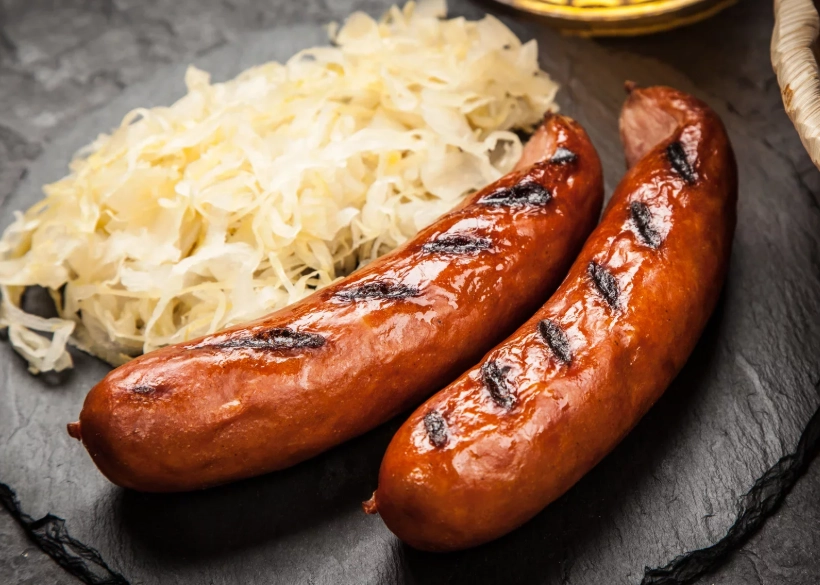
Do Germans really eat sauerkraut every day?
No. Absolutely not. It's a stereotype. Sauerkraut is a side dish, often served with heavier meals like pork roast or sausages, but it's not a daily fixture. Many Germans enjoy it, but it's no more an everyday item than kimchi is for the average Korean. It's a occasional accompaniment.
Is pretzel a common daily food?
In Bavaria, a soft pretzel (Brezn) is a common breakfast item or snack, often bought fresh from the bakery. In other parts of Germany, it's more of a snack food you might get at a bakery or beer garden, but not a daily staple for most. The hard, packaged pretzels (Salzstangen) are popular as a snack.
What about cheese and cold cuts?
Hugely important. The spread of cheeses (Käse) and cold cuts (Wurstaufschnitt) for breakfast and Abendbrot is massive. Germany produces an incredible array of sausages meant for slicing, from simple Lyoner to more regional specialties. Cheese consumption is also high, with both local varieties and imports like Gouda and Emmental being favorites.
How important are seasonal foods?
Very. There's a strong tradition of eating with the seasons, especially with vegetables. Spargel (white asparagus) in spring is a national obsession, with entire menus dedicated to it. Pumpkin in autumn, kale in winter. This adds a rotating variety to the staple base of potatoes, meat, and bread.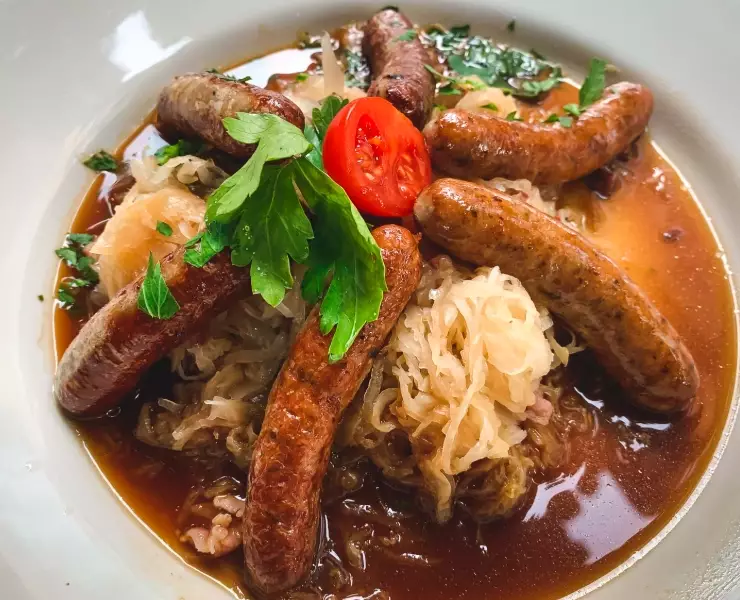
Is German food healthy?
That's a complex one. The traditional diet is heavy on meat, fat, and carbohydrates. Portions can be large. However, the bread is often wholegrain and high in fiber. There's also a strong culture of eating fresh produce, and the "5 a day" campaign is well-known. The modern German diet is a mix – the traditional heavy elements are balanced by salads, vegetables, and international influences. The biggest health concern, as noted by the German Nutrition Society (DGE), is often overconsumption of meat and not enough fish.
The Modern Twist: Vegetarian & Global Influences
The picture is changing, fast. Vegetarian and vegan options are exploding in supermarkets and restaurants. Brands like Rügenwalder Mühle have successfully pivoted to making popular meat-alternative products. Younger generations eat less meat overall.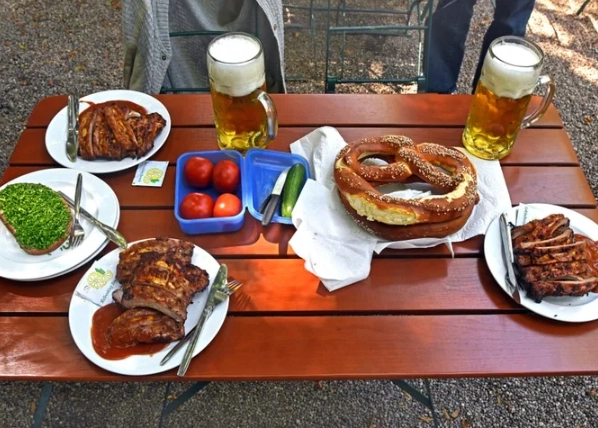
Global cuisines are now part of the fabric. Turkish, Italian, Greek, Vietnamese, and Indian foods are not "exotic" but regular choices for dinner. This makes defining the "most eaten food" even more dynamic. The base of bread, potatoes, and pork remains strong in traditional settings and among older generations, but the overall diet is diversifying.
The real takeaway isn't a single menu item. It's understanding that German daily cuisine is built on practicality, quality staples, and regional pride. It's less about constant feasting on giant platters and more about the reliable comfort of a good piece of bread, a simple sausage, and a perfectly boiled potato. And honestly, once you get used to it, there's something deeply satisfying about that.
Now, if you'll excuse me, all this writing has made me hungry. I think it's time for some Abendbrot.