In This Article: A Quick Guide
Let's be honest, when most people hear "Love Parade Berlin" today, two starkly different images pop into mind. One is a euphoric, city-wide celebration of music, freedom, and unity, a moment where Berlin felt like the center of the universe. The other is a tragic, chaotic crush that marked a devastating end. It's a story with extreme highs and a profound low, and to only remember one part is to miss the whole, complicated picture. This wasn't just a rave. For over two decades, the Love Parade Berlin was a defining symbol of post-reunification Germany, a laboratory for a new kind of society, and arguably the most significant electronic music event the world has ever seen. So, what really happened? Why did it start, how did it grow so huge, and what legacy did it leave behind in the concrete heart of Berlin?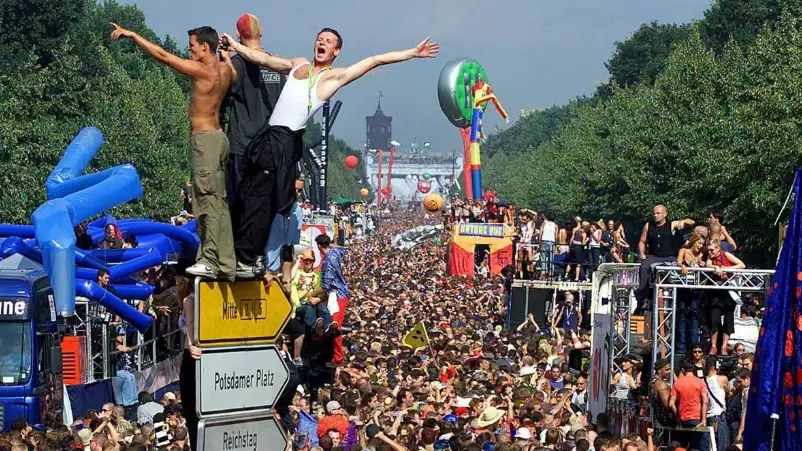
I remember first seeing footage of the Love Parade in the late 90s. It looked impossible. A sea of people, not protesting or fighting, but dancing down a major city avenue. Trucks as moving stages, music blasting, a feeling of sheer collective joy beamed through the TV screen. It planted this idea in my head: Berlin is where the future is happening. Years later, living in the city, you still feel its ghost—in the relentless beat of the clubs, in the way people talk about "back then," and in the sobering discussions about safety that every major event must now have.
The Complete Story: From Kitchen Table Idea to Global Phenomenon
The birth of the Love Parade Berlin is almost a fairy tale, a perfect story for the city it called home. It didn't come from a corporate boardroom or a government tourism agency. It started in 1989 in a Berlin apartment, dreamed up by just a handful of people, including DJ Dr. Motte (Matthias Roeingh) and his then-girlfriend. Their idea was simple, naive even: a demonstration for peace, international understanding, and love through the medium of dance music. The original name? "Friede, Freude, Eierkuchen" (Peace, Joy, Pancakes). I'm not kidding. They applied for a demonstration permit for 150 people.
On July 1, 1989, a few months before the Berlin Wall fell, about 150 people—some sources say closer to 200—followed a single truck playing techno and house music from the Ku'damm to the Victory Column. It was tiny, quirky, and full of hope. Nobody, least of all the organizers, could have imagined what this would become. The fall of the Wall later that year changed everything. Berlin was suddenly a unified, raw, sprawling canvas. Empty buildings, abandoned spaces, and an explosive energy craving new forms of expression. The Love Parade Berlin found its perfect moment and place.
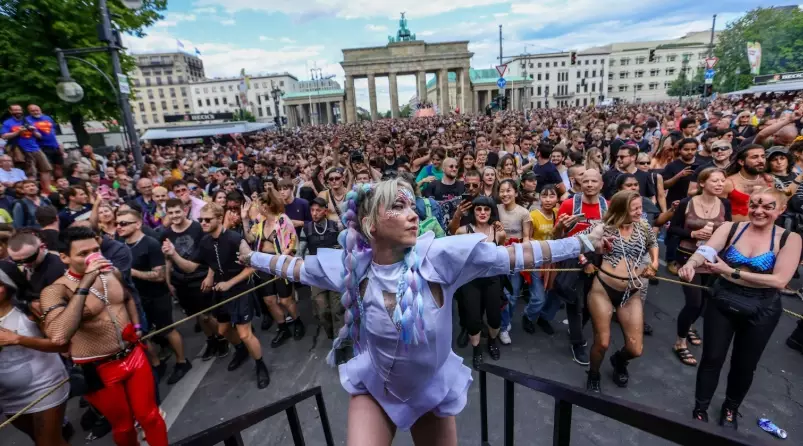
Throughout the early 90s, it grew organically. 1990 saw 2,000 people. Then 6,000. Then 10,000. It was still a subcultural thing, a secret handshake for the growing techno scene. The music—a driving, synthetic, futuristic sound—became the soundtrack of a new Berlin. By the mid-90s, the numbers exploded. 250,000 in 1995. Half a million in 1996. The Love Parade Berlin was no longer a demonstration; it was a mass event. The route shifted to the monumental Straße des 17. Juni, leading to the Brandenburg Gate. The parade of floats ("Love Mobiles") became more elaborate, sponsored by record labels, clubs, and radio stations. The world's top DJs clamored to play on them.
The peak years around 1997 to 1999 are the stuff of legend. Attendance figures hit 1 million, then 1.5 million. Berlin's city center transformed into a vast, open-air club. The official motto, changed yearly, captured the spirit: "One World One Future" (1996), "Let the Sun Shine in Your Heart" (1999). It was chaotic, messy, and overwhelmingly positive. For one day, the city's infamous bureaucracy and rules seemed to melt away. People came from all over Europe, sleeping in parks, sharing water, united by the beat. The Love Parade Berlin became Germany's biggest annual event, bigger than Oktoberfest in sheer attendance. The media called it the "World's Largest Street Party."
Key Fact: The official status as a "political demonstration" was crucial. It meant the organizers didn't have to pay the enormous fees normally charged for major commercial events in public spaces. This allowed it to stay (theoretically) free and grow from its grassroots origins. This legal classification would later become a point of intense controversy.
The Slow Turn: Commercialization and Growing Pains
Nothing that big stays pure. By the early 2000s, the cracks began to show. The original founders like Dr. Motte stepped back, feeling the core message was lost. Commercial sponsors became more visible. The city administration, initially tolerant, grew increasingly worried about the massive costs for security, sanitation, and infrastructure. Debates raged: Was it still a demonstration, or was it now a commercial music festival masquerading as one to avoid costs?
There were logistical nightmares. The sheer density of people became dangerous. In 2000, a person died after falling from a bridge. Critics complained about the mountains of trash left behind and the strain on the city. The Love Parade Berlin moved to other German cities (Duisburg, Dortmund) for a few years in the mid-2000s, but it wasn't the same. The magic was tied to Berlin's specific geography and history. It returned to Berlin in 2006, but the relationship with the city was strained. The final Berlin edition was in 2009. You could feel the tension. It was still huge, but the carefree innocence was gone, replaced by a more managed, security-heavy experience.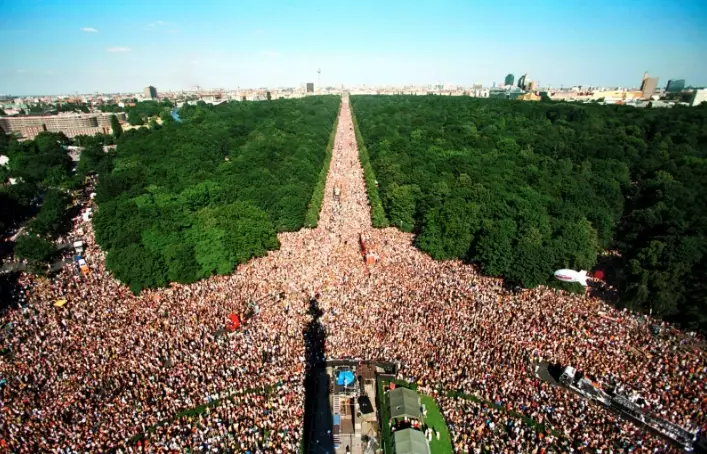
The 2010 Tragedy in Duisburg: A Day That Changed Everything
In 2010, the event was held in Duisburg, in a former freight railway yard—a narrow, basin-like area with limited access points. On July 24, as hundreds of thousands tried to enter via a single ramp tunnel, a catastrophic crowd crush occurred. 21 people died, and over 650 were injured. It was a horrific failure of planning, risk assessment, and crowd management.
The Duisburg disaster is a somber, non-negotiable part of the Love Parade story. Any discussion of the event's legacy is incomplete without acknowledging this profound tragedy. The subsequent investigations and trials revealed a catastrophic chain of failures in communication and safety planning between the event organizer and the city authorities. The final report by the investigation committee is a chilling read, detailing how preventable this was.
The immediate aftermath was the permanent end of the Love Parade. The organizer declared bankruptcy. The cultural shock in Germany and the global electronic music community was immense. The conversation shifted instantly from celebration to safety, from joy to accountability. The word "Love Parade" became inextricably linked with the disaster. For many, especially those not familiar with its history, it's now the primary association, which, while understandable, flattens a rich two-decade history.
So, is that the end of the story? A great idea that grew too big and ended in tragedy? Not quite. The physical event is gone, but its impact is woven deep into Berlin's DNA.
The Enduring Legacy: What the Love Parade Berlin Left Behind
You can't walk through Berlin today, especially its famous club districts, without feeling the echo of the Love Parade. Its legacy is multifaceted.
1. Cementing Berlin as the Global Capital of Techno
Before the Love Parade Berlin, techno was an underground sound from Detroit and Chicago. The parade, beamed via TV to the world, made Berlin its undisputed European home. It created a brand. It showed that this music could be the heartbeat of a city. The parade directly fueled the city's legendary club scene. Places like Tresor, E-Werk, and later Berghain/Panorama Bar are spiritual successors. The parade was the massive, public-facing carnival; the clubs were the all-night, intimate temples. They fed each other. Today, Berlin's tourism leans heavily on its club culture, a multi-million euro industry that the Love Parade Berlin helped launch into the mainstream.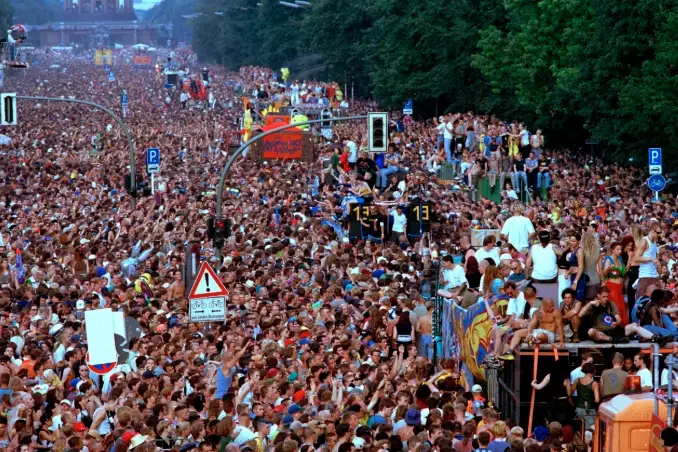
2. The Blueprint for the Modern Festival and Rave
Look at any major European electronic music festival—Tomorrowland, Mysteryland, Mayday. The concept of massive DJ stages, a focus on spectacle, and a tribe-like gathering of fans has its roots in the Love Parade Berlin model. It proved that electronic music could fill city centers, not just fields. It also pioneered the "demonstration for love" ethos that many festivals still pay lip service to with themes of peace and unity.
3. A Cultural and Political Symbol
For Germany, it was a powerful symbol of a new, young, cool, and unified nation. After the weight of 20th-century history, here was something joyful, forward-looking, and created by a new generation. It embodied the "Berlin Republic." It was also a landmark for LGBTQ+ visibility, with the parade and the surrounding club scene providing a safe, celebratory space.
4. The Dark Legacy: Event Safety
This is the hardest part. The Duisburg disaster led to a complete overhaul of major event safety regulations in Germany and influenced practices worldwide. The term "Love Parade" is now cited in safety manuals and crowd management courses as a worst-case scenario. The tragedy forced a brutal, necessary reckoning. Event organizers and city authorities now have far stricter protocols for risk assessment, ingress/egress design, and communication. The legacy here is one of painful, vital lessons learned.
Love Parade Berlin: Key Years at a Glance
It helps to see the trajectory. Here's a quick timeline of the major milestones for the Love Parade Berlin and the event itself.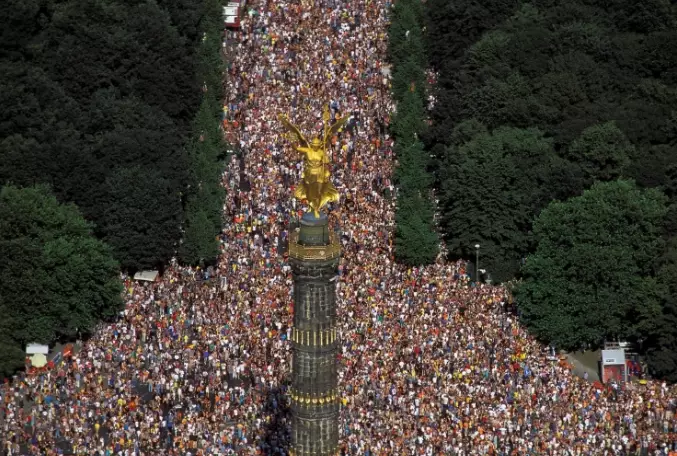
| Year | Location | Estimated Attendance | Key Significance |
|---|---|---|---|
| 1989 | Berlin (Ku'damm) | ~150 | The first, humble "demonstration for love and pancakes." |
| 1991 | Berlin | ~2,000 | Post-reunification, the event finds its energy and begins to grow. |
| 1996 | Berlin (Straße des 17. Juni) | ~750,000 | Explodes into a mass cultural phenomenon. Moves to its iconic route. |
| 1999 | Berlin | ~1.5 million | Peak attendance. Global media frenzy. The apex of its cultural power. |
| 2005-2007 | Duisburg, Dortmund | ~1 million | Moves away from Berlin due to conflicts with the senate. The vibe changes. |
| 2009 | Berlin | ~1 million | Final edition in Berlin. A nostalgic but more controlled event. |
| 2010 | Duisburg | ~500,000+ | The tragic crowd crush. 21 fatalities. The event is permanently canceled. |
Your Questions About the Love Parade Berlin, Answered
Will the Love Parade Berlin ever come back?
Almost certainly not in its original form. The brand is too tarnished by the 2010 tragedy. The original organizer is bankrupt, and no credible entity would take on the immense legal and reputational risk. Furthermore, Berlin's city government would never issue a permit for an event using that name. The era of the 1-million-person, free, loosely organized street parade in a dense urban center is over, and for good reason.
So, how can I experience the "spirit" of the Love Parade in Berlin today?
You go to the clubs. That's the honest answer. The energy, the music, the sense of community migrated from the annual parade to the weekly rituals. Spend a night at Berghain, Tresor, or About Blank. Attend the annual Fête de la Musique where bands play on streets across the city. Go to the Berlinale or Karneval der Kulturen. The Love Parade's spirit of open, collective celebration lives on in dozens of smaller, safer, and more diverse events. The official Berlin tourism site has great guides to the current scene.
What kind of music was played at the Love Parade?
It started with house and techno—the raw, driving sound of Detroit and Chicago filtered through a German lens. As it grew, trance became massively popular on the main stages in the late 90s and early 2000s. You'd also hear hard trance, progressive house, and later, electro house. It wasn't a niche event; it reflected the broad spectrum of popular electronic dance music (EDM) of its time. The sound of the Love Parade Berlin was, essentially, the sound of European mainstream rave culture.
Why is the 2010 disaster such a focus? Doesn't that overshadow the good years?
It's a tough balance. The tragedy was a profound national trauma and a massive failure of public safety. It must be discussed with gravity. To ignore it would be disrespectful and historically dishonest. However, letting it completely erase the 21 years of cultural history that preceded it is also a mistake. The story of the Love Parade Berlin is a whole story—its breathtaking creation, its chaotic glory, its problematic growth, and its terrible end. You need all the chapters to understand its true impact.
Are there any documentaries or reliable sources to learn more?
Absolutely. For the early, euphoric years, the documentary "We Call It Techno!" has great footage. The German public broadcaster Deutsche Welle (DW) has excellent photo essays and balanced articles covering both the history and the tragedy. For a detailed, sobering account of the 2010 events, the official investigation report (in German) is the primary source, but summaries are available in English through major news archives like the BBC's coverage. The Wikipedia entry is also a well-sourced and comprehensive starting point, though always cross-reference.
What was the biggest misconception about the Love Parade Berlin?
That it was just a big party. At its best, it genuinely felt like a social experiment. For one day, the normal rules of German society—order, punctuality, reserve—were suspended. It was a temporary autonomous zone built on music and a shared vibe. Of course, that very lack of rules contained the seeds of its later problems, but in the beginning, that feeling of creating your own world was real and powerful. It was also not a commercial festival in the modern sense for most of its life. You didn't buy a ticket. You just showed up. That made it feel like a true public possession.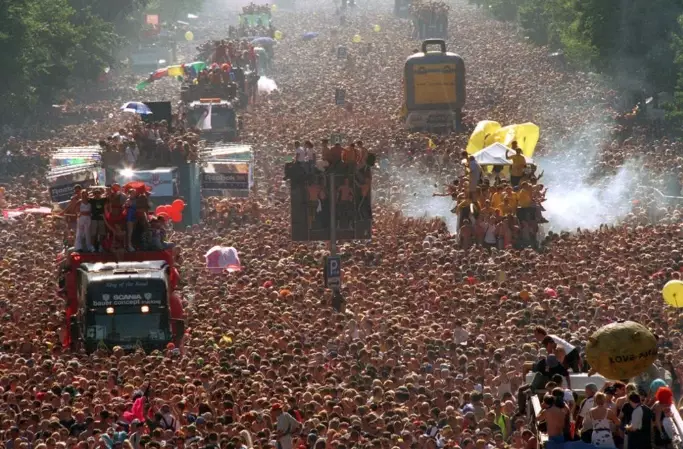
In the end, the Love Parade Berlin is a classic, almost mythical, Berlin story. Something raw, idealistic, and brilliant emerges from the cracks of history. It grows beyond anyone's wildest dreams, becomes a global symbol, gets complicated by money and size, and ends in a way that's both tragic and profoundly instructive. Its physical presence is gone, but you can't understand modern Berlin—its confidence as a cultural hub, its world-class club scene, and its cautious approach to mass events—without understanding the journey of the Love Parade. It was a defining chapter, for better and worse, and its echo will keep bouncing off Berlin's concrete walls for a long, long time.
So, if you're a music fan visiting Berlin, standing in front of the Brandenburg Gate, try to imagine it: not with cars and tourists, but packed with a million people, all moving to the same relentless kick drum. That was the Love Parade Berlin. It was chaos, it was beauty, it was a moment in time that reshaped a city. And that's a story worth knowing in full.