Let's cut to the chase. A Berlin trip isn't just checking landmarks off a list. It's feeling the weight of history at the Berlin Wall, getting lost in a world-class museum, and ending the day with a cheap, fantastic beer in a sun-drenched park. Most guides tell you what to see. I'm here to tell you how to see it—efficiently, affordably, and like someone who gets the city's rhythm. Forget the fluff. This is the guide I wish I had on my first visit over a decade ago.
Jump to What You Need
- How to Plan Your Berlin Itinerary
- Berlin's Must-See Sights & How to Tackle Them
- What are the Must-Try Foods in Berlin?
- Where to Stay in Berlin: Neighborhoods Decoded
- Getting Around Berlin: The Transport Ticket Trap (Avoid It)
- Berlin on a Budget: Realistic Cost Breakdown
- Your Berlin Trip Questions, Answered
How to Plan Your Berlin Itinerary
Berlin is sprawling. Trying to see it all in a day is a recipe for sore feet and frustration. The key is to group sights by geography. Here’s a battle-tested 3-day framework that balances iconic spots with local flavor.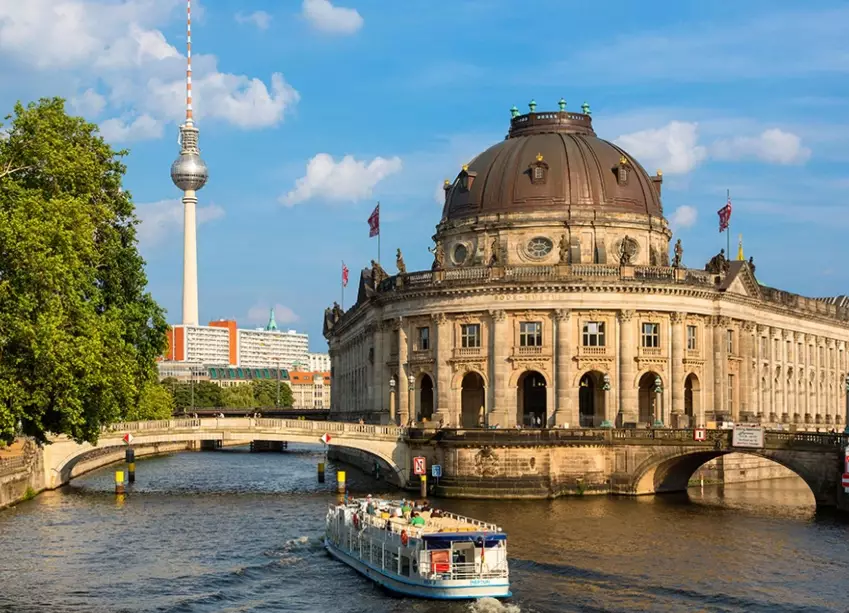
Day 1: History & The Heart (Mitte District)
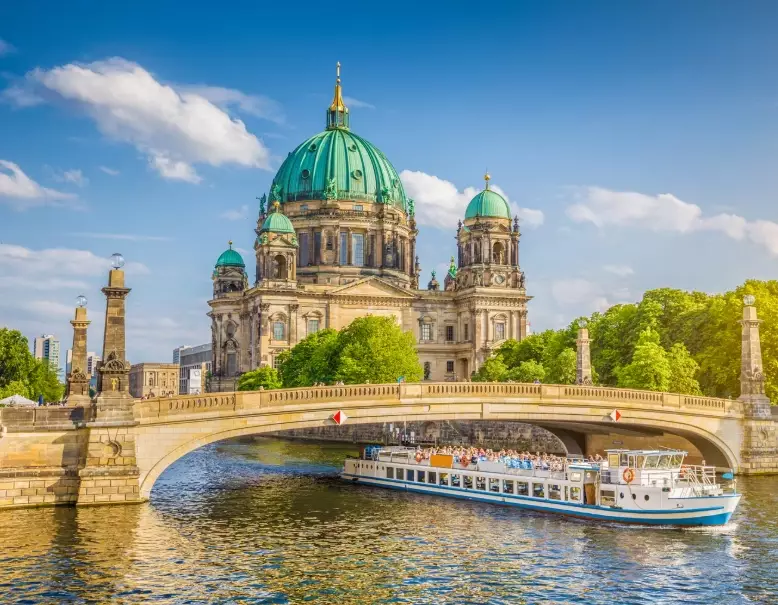
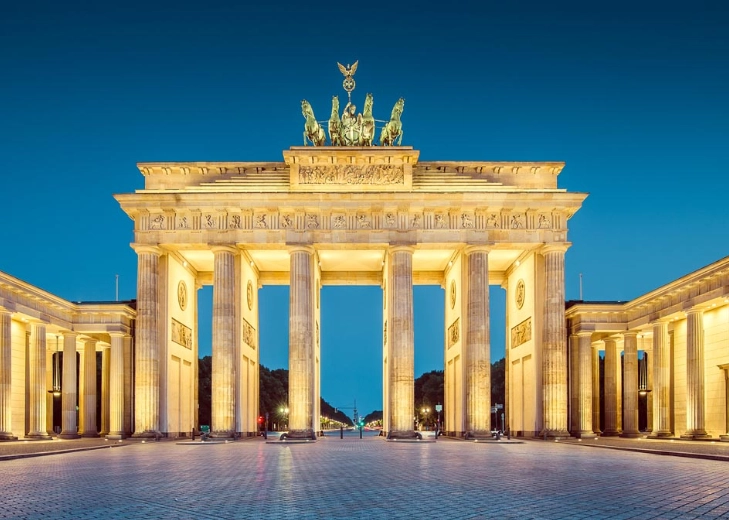
Start at the Brandenburg Gate (free, always open). Walk down Unter den Linden to Museum Island. You can't do all five museums. Pick one or two. The Pergamonmuseum (currently partially closed for renovation, check the Staatliche Museen zu Berlin website for updates) and the Neues Museum (hello, Nefertiti) are top picks. Pre-book tickets online to skip lines. In the afternoon, trace the Berlin Wall Memorial (Bernauer Str. 111, free, outdoor exhibit always accessible) – it's more sobering and informative than the East Side Gallery. Evening? Dinner around Hackescher Markt.
Day 2: Divided City & Alternative Culture (Kreuzberg/Friedrichshain)
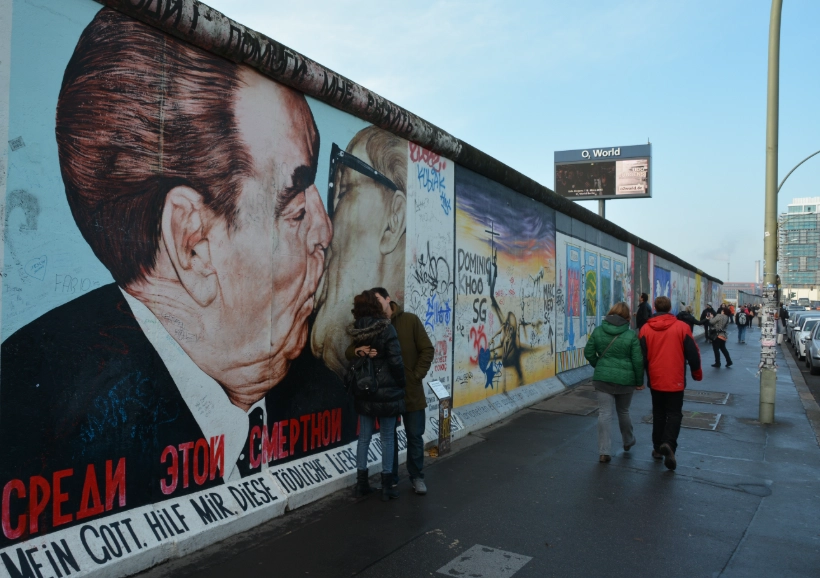
Morning at the Topography of Terror (Niederkirchnerstraße 8, free, 10 am-8 pm), a profound documentation site on Nazi crimes. Then, head to Checkpoint Charlie (look, take a photo, but don't spend money on the private museum). The real gem is the free German Resistance Memorial Center (Stauffenbergstr. 13-14). Afternoon: Cross into East Berlin. Walk the East Side Gallery (Mühlenstr., free). Then, dive into the raw energy of RAW-Gelände or Markthalle Neun (if it's a Thursday street food day).
Day 3: Royal Grandeur & Local Life (Charlottenburg & Prenzlauer Berg)
Visit Charlottenburg Palace (Spandauer Damm 20-24, Old Palace €12, gardens free, check hours). It's a journey out west, but worth it for the opulence. Head back east to Prenzlauer Berg for lunch. Stroll around Kollwitzplatz or Mauerpark (flea market on Sundays). This is where you see Berlin's village-like, family-friendly side. End with a drink in one of the countless neighborhood bars.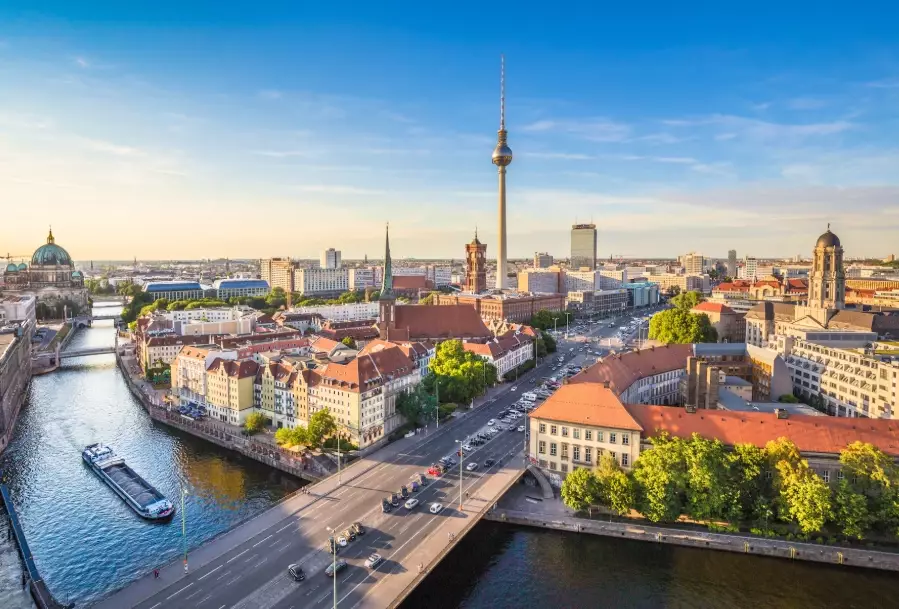
Berlin's Must-See Sights & How to Tackle Them
Beyond the itinerary, here’s the lowdown on key attractions.
The Reichstag Building & Dome
You must book the free visit to the dome and rooftop in advance on the Bundestag website. Slots fill up weeks ahead. Don't show up without a reservation—they will turn you away. The audio guide is free and fantastic, weaving the architecture with views of the city.
Museum Island Pass: Is It Worth It?
The Museum Island Pass (€19 for all 5 museums on one day) is a steal if you're a museum marathoner. For most people, visiting two in a day is the max before burnout. Calculate: two individual tickets (€12-14 each) almost equal the pass. If you see two, get the pass for flexibility. The pass also lets you skip the ticket line.
TV Tower (Fernsehturm)
Yes, the views are incredible. No, you shouldn't go up on a cloudy day. Book a time slot online to avoid the epic queue. A pro tip? Go up for sunset and watch the city light up. A cheaper alternative is the rooftop bar at Hotel de Rome or the Park Inn at Alexanderplatz (for a thrill, they offer base-flying!).
My Personal Take: Everyone rushes to the East Side Gallery. It's great, but it's often crowded. For a more contemplative and less crowded piece of the Wall, go to the Berlin Wall Memorial on Bernauer Straße. The preserved death strip and the stories of escape attempts are hauntingly powerful.
What are the Must-Try Foods in Berlin?
Berlin food is hearty, influenced by its history, and now wildly international.
Currywurst: The iconic snack. Avoid tourist traps near Alexanderplatz. Try Curry 36 (Mehringdamm 36, Kreuzberg) or Konnopke's Imbiss (under the U-Bahn arches at Eberswalder Str., Prenzlauer Berg). Expect to pay €3-4.
Döner Kebab: Invented in Berlin by Turkish immigrants. It's a meal. Mustafa's Gemüse Kebap (Mehringdamm) is famous (queue is long). Imren Grill (multiple locations) is my reliable go-to. A good döner is €5-6.
Traditional German: For Eisbein (pork knuckle) or Sauerbraten, head to a Brauhaus. Zur Letzten Instanz (Waisenstr. 14-16, Mitte) is Berlin's oldest restaurant. Mains €15-20.
Modern & International: Berlin's scene thrives. Markthalle Neun (Eisenbahnstr. 42/43) for street food, especially on Thursday evenings. Katz Orange (Bergstr. 22) for high-end, sustainable cuisine. The Vietnamese food in East Berlin is exceptional due to the former GDR's guest worker programs—check out Dong Xuan Center in Lichtenberg for an adventure.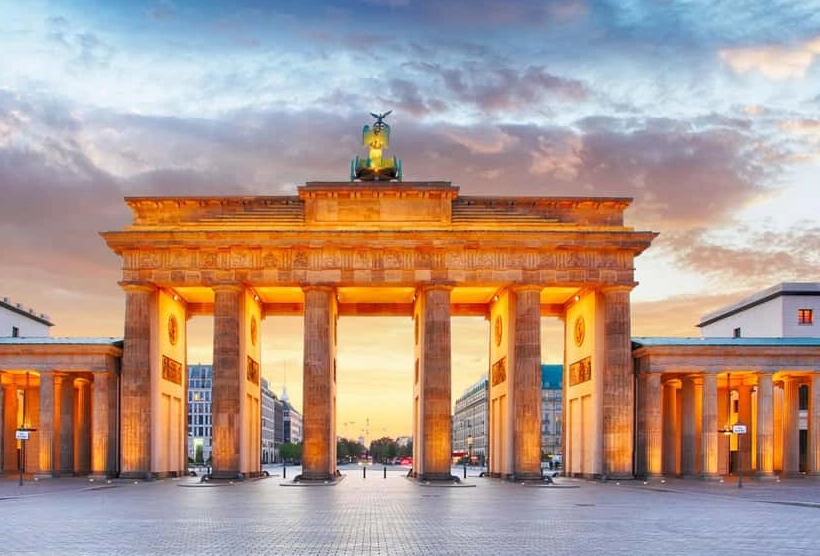
Where to Stay in Berlin: Neighborhoods Decoded
Your location defines your trip. Here’s the real deal on areas.
| Neighborhood | Vibe | Best For | Considerations |
|---|---|---|---|
| Mitte | Central, historic, touristy | First-timers, short stays, proximity to major sights | Can be expensive, less "local" nightlife |
| Kreuzberg | Alternative, vibrant, multicultural | Foodies, nightlife, street art, younger crowds | Can be noisy, some areas feel gritty (in a good way) |
| Friedrichshain | East Berlin cool, party central, creative | Nightlife (Berghain), East Side Gallery, budget stays | Can be very loud on weekends, further from western sights |
| Prenzlauer Berg | Bourgeois, leafy, family-friendly | Quieter stays, cafes, Sunday Mauerpark flea market | More expensive, can feel a bit sanitized |
| Charlottenburg | Elegant, quieter, upscale | Luxury, shopping (Kurfürstendamm), older travelers | Far from the eastern action, more traditional |
For a balanced first trip, I'd lean towards southern Kreuzberg (near Bergmannkiez) or eastern Kreuzberg/Friedrichshain near the river. You get character, great food, and good transit links.
Getting Around Berlin: The Transport Ticket Trap (Avoid It)
Berlin's public transport (BVG) is excellent. The U-Bahn (subway), S-Bahn (city train), trams, and buses are all integrated.
The #1 Mistake: Buying the wrong ticket. The city is divided into zones A, B, and C. For 99% of tourists, the AB ticket is all you need. This covers all central Berlin, including the airport BER (Terminals 1-5 are in zone B). Only buy an ABC ticket if you're going to Potsdam or the Sachsenhausen memorial.
Ticket Types:
- Single Ticket (AB): €3.20, valid for 2 hours in one direction.
- Day Ticket (AB): €9.90, valid until 3 am the next day.
- 7-Day Ticket (AB): €34. The best value for a week-long stay.
- WelcomeCard: Combates transport with discounts. Do the math—if you're not visiting many paid attractions, a plain day ticket might be cheaper.
Download the BVG FahrInfo Plus app. It has real-time departures, routing, and you can buy mobile tickets. Validate paper tickets by stamping them in the red machines before your first ride. Plainclothes inspectors are common, and fines are steep (€60).
Berlin on a Budget: Realistic Cost Breakdown
Berlin is one of Europe's more affordable capitals, but costs add up.
Accommodation: Hostel bed: €20-35/night. Mid-range hotel: €80-120/night. Airbnb (entire apt): €70-100/night.
Food: Street food/imbiss: €5-8. Casual restaurant meal: €12-20. Beer in a bar: €3-4.50.
Sights: Many are free (Reichstag dome, Topography of Terror, Holocaust Memorial). Museum entry: €10-14. A day pass for public transport: €9.90.
Daily Budget (excluding accommodation):
- Shoestring: €30-40 (street food, free sights, walking)
- Comfortable: €60-80 (museum entry, sit-down meals, transport)
- More Luxe: €100+ (fine dining, guided tours, taxis)
Save money by: picnicking in parks (Tiergarten, Tempelhofer Feld), using the 7-day transport ticket, visiting on the first Sunday of the month when many state museums offer free entry (check websites), and drinking in bars away from the main squares.