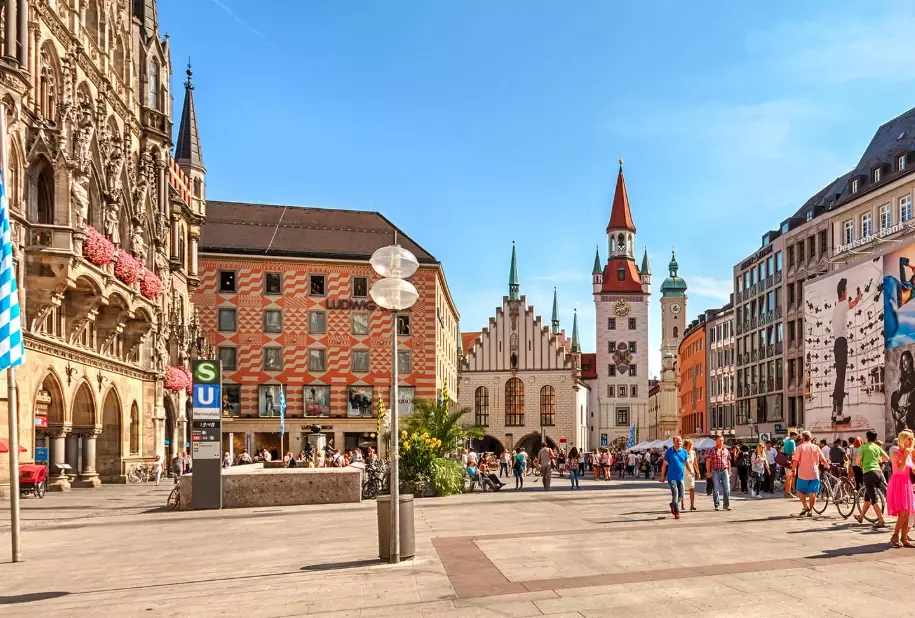
Let's cut to the chase. Driving in Germany as an American is fantastic, but it's not just a matter of hopping in a rental car and hitting the Autobahn. I learned this the hard way on my first trip, sweating over a confusing parking sign in Munich while locals zipped past. The freedom is incredible—exploring castles, vineyards, and alpine villages on your own schedule. But German traffic rules are precise, and the driving culture is different. A little preparation saves you from stress, confusion, and potentially hefty fines. This guide covers what you actually need to know, beyond the basic "they drive fast" cliché.
Your Roadmap to This Guide
Your American Driver's License in Germany: What You Really Need to Know
This is the first hurdle, and it's simpler than many think—if you're just visiting. For tourist stays under 6 months, your valid U.S. driver's license is usually sufficient. You do not need an International Driving Permit (IDP) by German law for a rental car, contrary to popular belief. However, and this is a big however, your rental company's policy might require one. I've had friends turned away at the counter for not having it. An IDP is a translation of your license into multiple languages and costs about $20 from AAA. It's cheap insurance against rental desk drama.
If you're moving to Germany (establishing residency), the rules change completely. You must convert your license to a German one (Führerschein) within six months. This often involves a vision test, a first-aid course, and sometimes even a practical exam. Start this process early with the local driver's license office (Führerscheinstelle).
Navigating the Autobahn: Beyond the "No Speed Limit" Myth
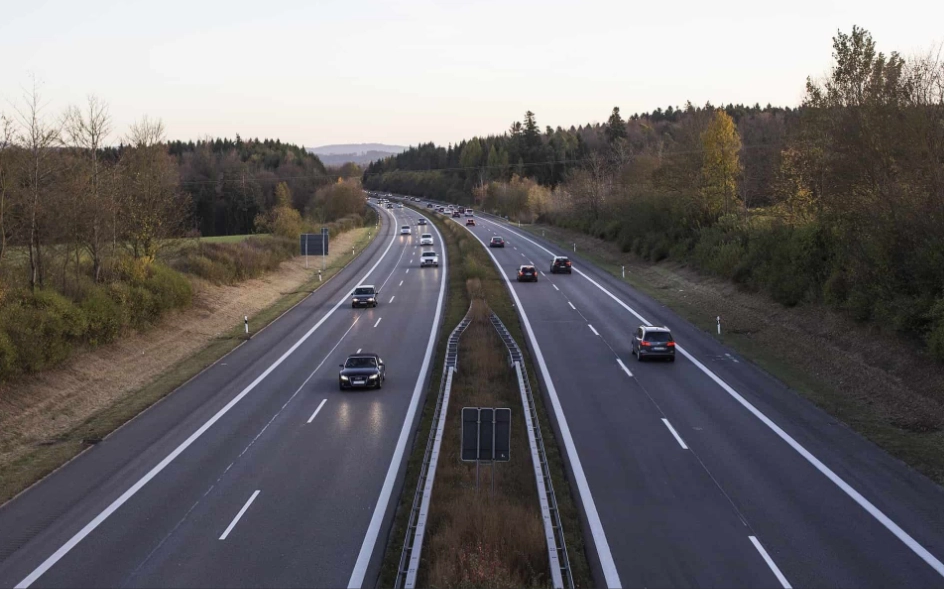
Yes, sections of the Autobahn have no mandated top speed. No, that doesn't mean it's the Wild West. Driving culture here is based on discipline and awareness. The biggest mistake Americans make is camping in the left lane. The left lane is strictly for passing. Pass, then immediately move back to the right. Glance in your rearview mirror? If a car is closing fast from behind, get over. It doesn't matter if you're already doing 85 mph.
Understanding Speed Zones and Recommendations
Look for the signs. A white circle with five diagonal black lines means the previous speed limit is canceled. A blue circle with a white number is the new limit. Crucially, a gray sign with a recommended speed (Richtgeschwindigkeit) of 130 km/h (81 mph) is not a limit, but if you crash while exceeding it, you could be found partially at fault.
| Sign / Situation | What It Means | American Equivalent / Note |
|---|---|---|
| No speed limit sign | No legal maximum. Use caution. | None. Drive at a speed safe for conditions and your skill. |
| Recommended Speed 130 km/h | Advisory speed. Not a ticketable offense to exceed. | Like a yellow "suggested speed" sign on a highway curve, but with legal implications in an accident. |
| Staugefahr (Traffic jam danger) | High probability of congestion ahead. | Be prepared to slow down or stop suddenly. Turn on your hazard lights if traffic stops rapidly. |
| Baustelle (Construction zone) | Reduced lanes, lower speed limits, fines often doubled. | Speed limits here are absolute and heavily enforced. |
Another key rule: the right-before-left rule at unmarked intersections in towns. If there's no sign or traffic light, the vehicle approaching from the right has the right of way. This catches many off guard.
How Do I Handle German Traffic Signs and Right-of-Way?
German signs are generally intuitive, but a few are critical. The yellow diamond (Vorfahrt gewähren sign facing others) means you have the right of way. The upside-down white triangle or "STOP" sign means you must yield. At a roundabout, vehicles inside the roundabout have the right of way. Signal right when you're about to exit.
Parking, Fuel, and Day-to-Day Practicalities
Parking can be a puzzle. Colored curbs are key. A yellow curb means loading/unloading only. A white curb is usually free unless signed otherwise. A blue curb means paid parking—you need a parking disc (Parkscheibe). Set the disc to your arrival time and display it. You can often buy one at gas stations or tobacco shops.
Gas is Benzin. Unleaded is Bleifrei (often Super 95 or Super E10). Diesel is, well, Diesel. Most stations are self-service. Pay at the pump with a chip-enabled card or inside. Note: Many gas stations on the Autobahn (Autohof) are more expensive than those just off an exit.
You must carry a warning triangle and high-visibility vests for all passengers in the car, accessible from the cabin (not the trunk). Most rental cars have these.
What If You Get Pulled Over by the German Police?
Stay calm. If a police car signals you to pull over, do so safely. Roll down your window. They will likely ask for your license and passport. Be polite. If you get a ticket (Bußgeldbescheid), it will often be mailed to your rental address. The rental company will charge your card on file plus an admin fee. For serious offenses (like extreme speeding), they can revoke your driving privileges on the spot.
A Sample Driving Itinerary: Frankfurt to the Black Forest
Let's make this concrete. Say you land at Frankfurt Airport (FRA), pick up your car, and have four days.
Day 1: Pick up car at FRA. Drive south on A5 towards Heidelberg (about 1 hour). Practice on the Autobahn in moderate traffic. Park at a Parkhaus (parking garage) in Heidelberg, explore the old town and castle. Drive another hour to Baden-Baden for the night. Find a hotel with parking (Hotel am Markt is a good mid-range option with a central garage).
Day 2: Enter the Black Forest via the B500 road. This is a winding, scenic route—not an Autobahn. Mind the cyclists and motorcyclists. Stop in Triberg to see the cuckoo clocks and waterfalls. Practice finding parking with a disc in a small town. Overnight in a guesthouse (Gasthof) in a village like Schiltach.
Day 3: Drive to Lake Titisee. Navigate roundabouts and tourist traffic. Fill up fuel at a station off the main road (cheaper). Drive towards Freiburg, experiencing city driving. Park in a designated Park & Ride lot and take the tram into the city center—often smarter than dealing with inner-city parking.
Day 4: Return to Frankfurt via A5. Monitor the dynamic traffic signs (Wechselverkehrszeichen) over the lanes for speed limits or lane closures due to Stau (traffic jam). Return the car with a full tank to avoid high refueling fees.
Your Burning Questions About Driving in Germany Answered
 Do I need an emissions sticker (Umweltplakette) to drive in German cities?
 Driving in Germany is a skill you quickly pick up. Respect the rules, stay alert, and embrace the efficiency. The payoff—pulling over to a Gasthof for a spontaneous lunch you'd never find on a train line—is what makes it all worth it. Have a great trip, or as they say, Gute Fahrt! (Which means "have a good journey," I promise).