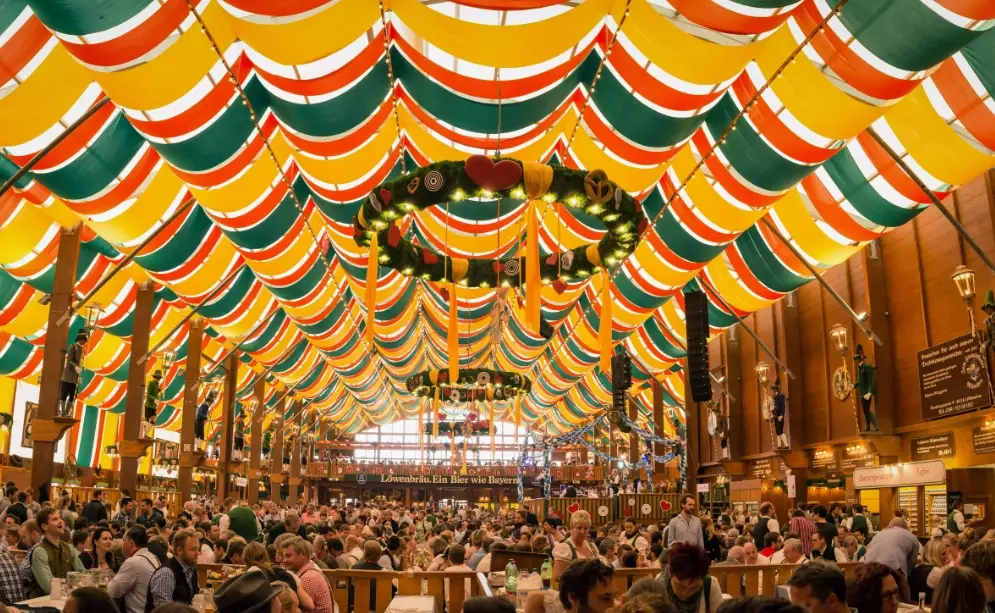
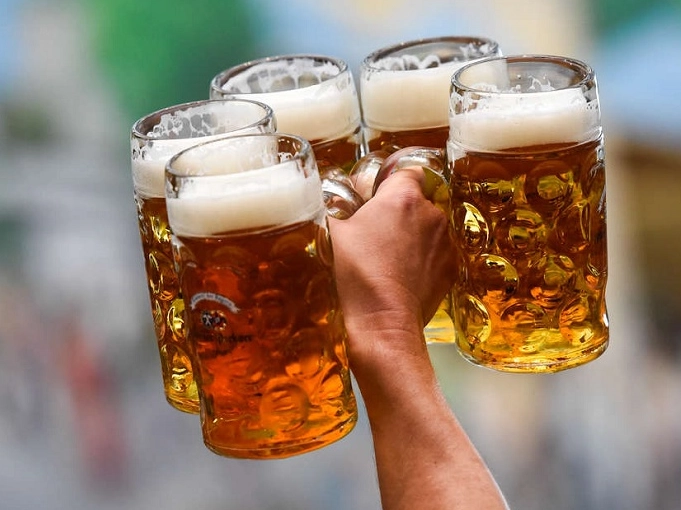
When you think of German beer, you probably picture giant steins in a crowded tent. That's part of it, but it barely scratches the surface. Germany's beer fame rests on a 500-year-old purity law, regional diversity most tourists miss, and family-owned breweries that have perfected their craft for generations. I've spent years tasting my way from Cologne's Kölsch pubs to Bamberg's smoky ale cellars, and the biggest mistake newcomers make is assuming all German beer is the same heavy, malty lager. Let's fix that.
Your Quick Guide to German Beer Giants
The Pillars of German Beer Culture
You can't talk about the brands without understanding what shaped them. The Reinheitsgebot (Beer Purity Law) of 1516 is the cornerstone. Originally from Bavaria, it decreed beer could only contain water, barley, and hops (yeast's role was understood later). This wasn't about flavor experimentation—it was about preventing cheap, potentially harmful additives. Today, it's a mark of quality and tradition for many breweries, though not all are bound by it. It forced innovation within constraints, leading to incredibly nuanced beers from just a few ingredients.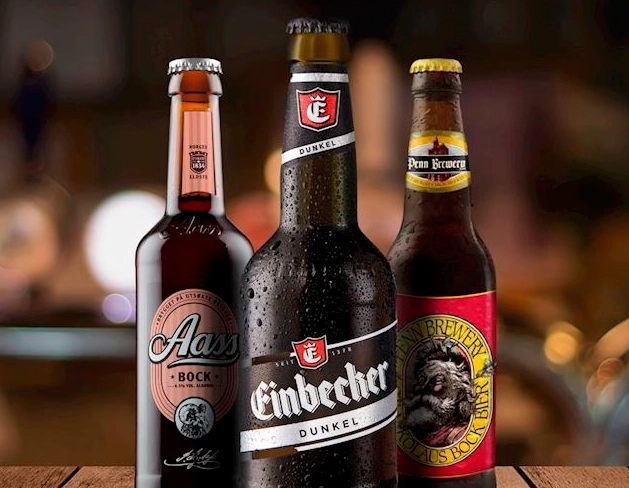
The second pillar is regionality. Germany isn't one beer country; it's a federation of beer states. A "German pilsner" from the north tastes crisper and more bitter than one from the south. Ordering the wrong style in the wrong city can get you a polite but firm correction from the waiter.
Top German Beer Brands You Need to Know
This isn't just a list. It's a breakdown of who's who, why they matter, and what they actually taste like. I've split them into categories because comparing a wheat beer to a pilsner is like comparing a sports car to an SUV.
The Global Powerhouses (The Exports)
These are the names you'll find in supermarkets worldwide. They're consistent, well-marketed, and often a safe introduction.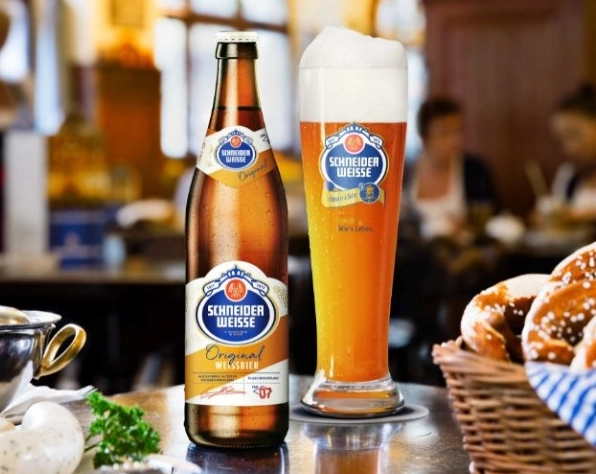
| Brand | Base / Style | Key Characteristic | Personal Take |
|---|---|---|---|
| Beck's | Bremen / German Pilsner | Crisp, hoppy, slightly bitter finish. The archetypal export beer. | It's the reliable benchmark. In Germany, it's seen as a solid northern pilsner, but it's often overshadowed by more local favorites. The green bottle can lead to skunking if stored badly—a common issue in non-German stores. |
| Warsteiner | Warstein / Premium Pilsner | Well-balanced, smooth, with a mild hop aroma. Germany's best-selling domestic beer. | Its popularity in Germany is undeniable. It's the ultimate crowd-pleaser—not too bitter, not too malty. A perfect "gateway" German pilsner for those new to the style. |
| Bitburger | Bitburg / Pilsner | Pronounced hop bitterness with a dry, clean finish. Famous slogan: "Bitte ein Bit!" (A Bit, please!). | This is a pilsner for pilsner lovers. The bitterness is more upfront than Warsteiner. It's incredibly popular in its Rhineland home and at national events. Their brewery tour is one of the best in the country. |
| Krombacher | Kreuztal / Pilsner | Malt-forward, rounded, with a soft hop note. Known for using specially protected brewing water. | If Warsteiner is balanced and Bitburger is bitter, Krombacher is the malty one. It's smoother and less aggressive, which explains its massive domestic sales. A great choice if you find other pilsners too sharp. |
The Bavarian Giants (Wheat & More)
Southern Germany, especially Bavaria, is the heartland of wheat beer (Weißbier) and rich, malty lagers.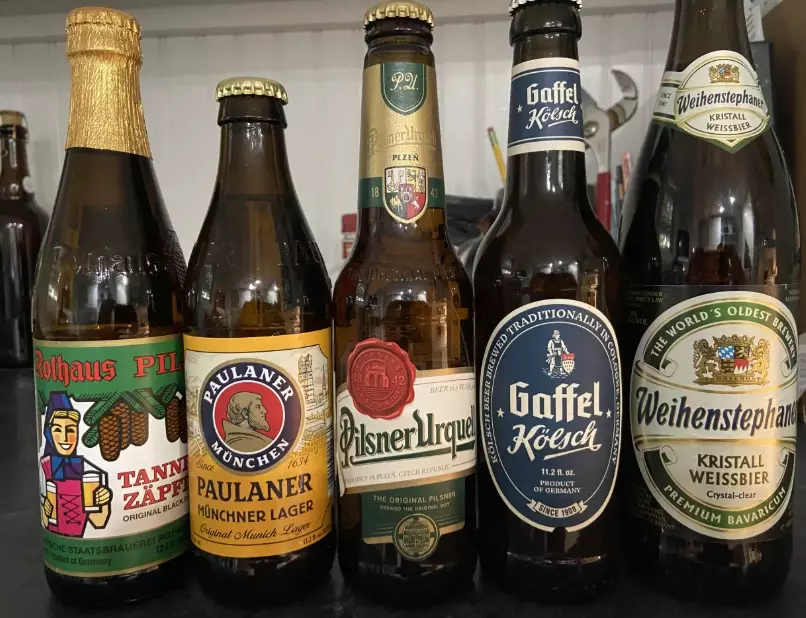
| Brand | Base / Style | Key Characteristic | Personal Take |
|---|---|---|---|
| Paulaner | Munich / Hefeweizen, Lager | Full-bodied wheat beer with classic notes of banana and clove. The unofficial beer of Oktoberfest. | Their Hefeweizen is textbook perfect. Cloudy, aromatic, and refreshing. Their Oktoberfest Märzen is the one I compare all others to—malty, toasty, and dangerously drinkable. A must-try for the wheat beer experience. |
| Erdinger | Erding / Hefeweizen | World's best-selling wheat beer. Creamy, spicy, and highly carbonated. | Paulaner's biggest rival. I find Erdinger slightly lighter and more effervescent. Their "Kristallklar" (filtered wheat beer) is a great option if you love the flavor but not the cloudiness. Their brewery is a day-trip from Munich. |
| Weihenstephan | Freising / Hefeweizen, Helles | The world's oldest continuously operating brewery (since 1040). Unmatched technical perfection. | Drinking a Weihenstephaner Hefe is a history lesson. The balance is impeccable—none of the yeast notes overpower. It's elegant. Their Vitus wheat doppelbock is a masterpiece, a strong, spicy sipping beer. This isn't just beer; it's liquid heritage. |
| Hacker-Pschorr | Munich / Hefeweizen, Oktoberfest | Traditional, slightly drier and more hoppy than other Munich wheat beers. | Often living in the shadow of Paulaner (they're part of the same group now), Hacker-Pschorr makes exceptional beers. Their Oktoberfest beer is less sweet and more crisp than others, which I personally prefer over a long session in the tent. |
The Specialists & Regional Heroes
These brands dominate their local area and are often associated with a very specific style.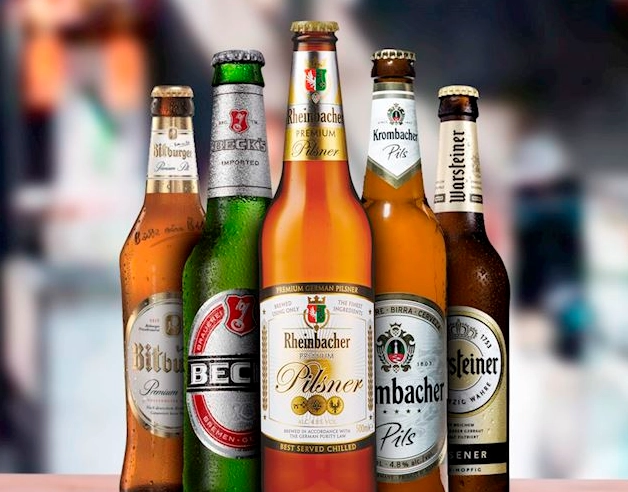
Veltins (from Grevenstein) is a pilsner powerhouse from the Sauerland region. It's crisper and more modern in marketing than the old giants. Their beer is a staple in German football stadiums.
Radeberger is Germany's oldest dedicated pilsner brewery. It's a sharper, more bitter pilsner from Saxony, representing the eastern German taste.
Früh from Cologne is your entry to Kölsch—a light, crisp, top-fermented ale served in skinny 0.2L glasses. It's a style and a ritual confined to the Cologne area. Don't call it a pilsner there.
Schlenkerla from Bamberg is the king of Rauchbier (smoked beer). They malt their barley over beechwood fires, giving the beer an intense, smoky, almost bacon-like flavor. It's an acquired taste, but a pilgrimage for beer adventurers.
How to Choose and Enjoy German Beer
Buying a German beer isn't just grabbing any bottle with a German-sounding name. Here’s how to do it right.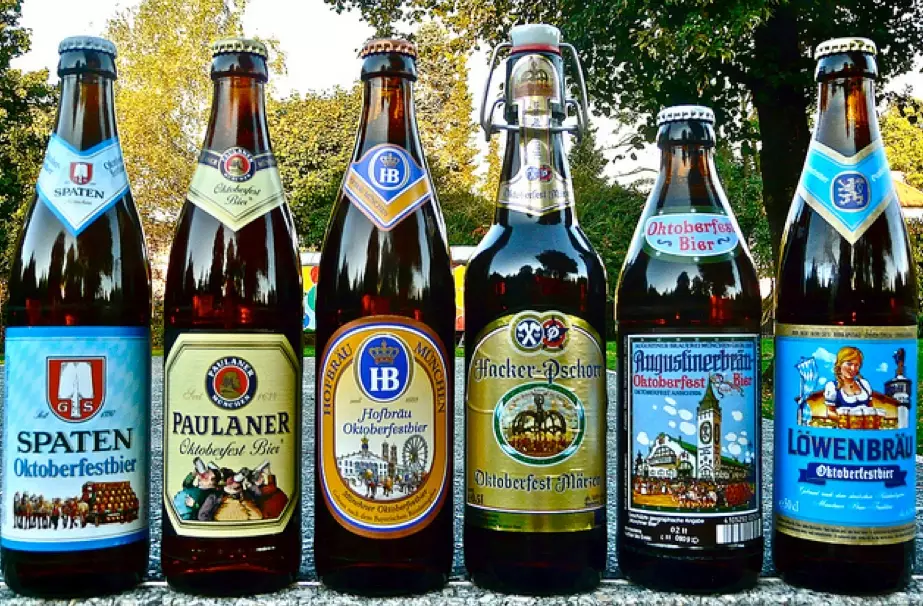
Reading the Label Like a Pro
Look for "Gebraut nach dem Deutschen Reinheitsgebot" (Brewed according to the German Purity Law). This is a quality signal. Check the style: Pils, Export, Helles, Hefeweizen, Dunkel, etc. This tells you more than the brand name. The alcohol by volume (Vol. %) matters: a standard pilsner is around 4.8-5%, a Bock beer starts at 6.5% and up.
Where to Buy Authentic German Beer
Outside Germany, your best bet is a specialty beer store or a well-stocked liquor store. Supermarket selections are often limited to the big exports. Look for stores that refrigerate their beer and have a high turnover. Light is beer's enemy—brown bottles are better than green or clear ones for storage.
Online retailers specializing in international beer can be excellent sources for regional specialties like a Rauchbier or a specific Kölsch.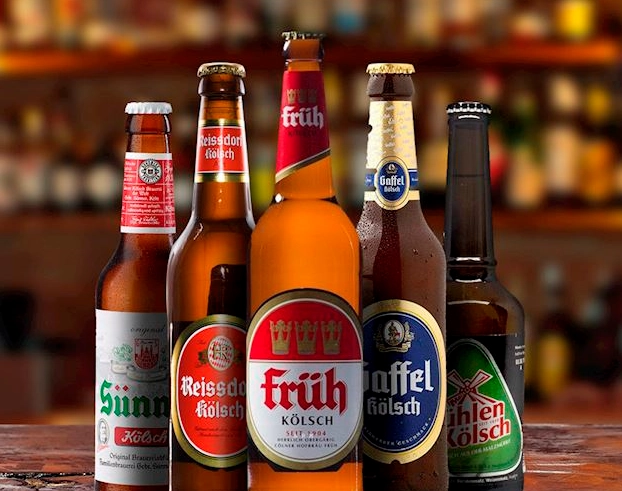
The Right Glass & Serving Temperature
This isn't snobbery; it affects flavor. Pilsner goes in a tall, slender glass to showcase carbonation and maintain head. Hefeweizen belongs in a tall, curved vase-like glass to allow the aromas to collect. Pour wheat beer aggressively to rouse the yeast (unless it's Kristallklar).
Serve pilsners cold (7-9°C/45-48°F), but not ice-cold, which numbs flavor. Wheat beers and darker lagers are better a bit warmer (8-10°C/46-50°F).
My personal ritual? For a Bavarian Hefeweizen, I rinse the glass with cold water first, pour most of the beer, swirl the last bit in the bottle to loosen the yeast, and then pour that in. It creates the perfect cloudy look and full flavor.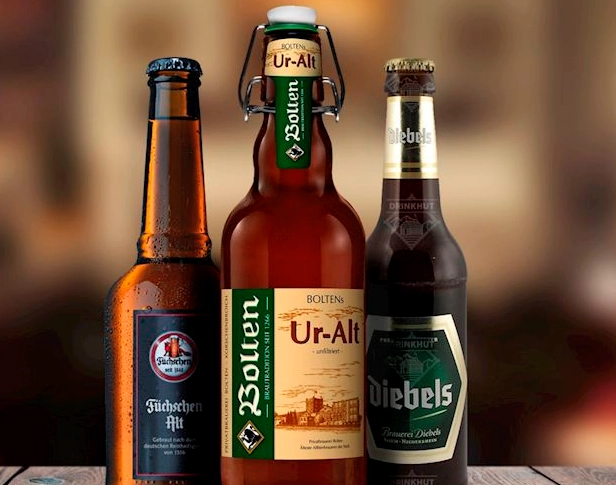
Common Questions Answered
The landscape of famous German beer brands is a mix of global ambassadors and hidden local treasures. The joy is in exploring both. Start with the reliable export pilsner, then seek out the regional wheat beer, and finally dare to try the smoky ale from Bamberg. Each bottle tells a story of place, law, and centuries of refinement. That's the real magic behind the fame.