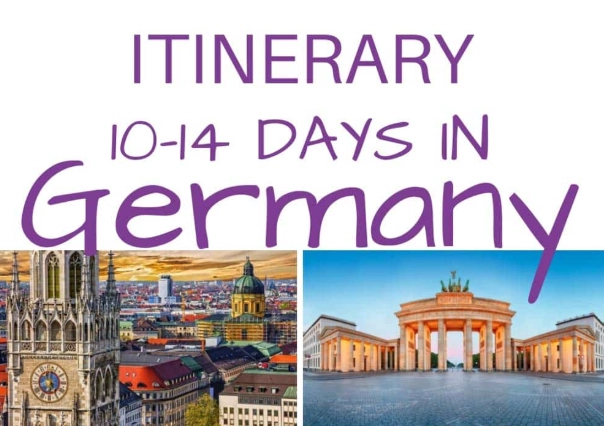
Let's cut to the chase. You're planning a trip to Hamburg and the big question is: how many days do I need? The short, honest answer is at least three to four days to get a real sense of the place without sprinting. But that's just the headline. The real answer depends entirely on what you want from your trip. Are you a whirlwind sightseer, a culture deep-diver, or someone who wants to soak up the local vibe?
I made the mistake on my first visit. I tried to cram the harbor, the museums, the nightlife, and a day trip into three days. I saw a lot, but I remember the stress more than the Speicherstadt's beauty. Hamburg, with its sprawling port, distinct neighborhoods, and waterways, rewards a slower pace. This guide breaks down exactly what you can achieve with 1, 2, 3, 4, or even 7 days, with concrete itineraries and local insights to help you decide.
Your Quick Guide to This Article
The Short Answer: How Many Days Do You Really Need?
Think of your Hamburg visit in tiers.
1-2 Days (The Highlights Reel): You'll see the iconic postcard views. The Elbphilharmonie plaza, a quick harbor cruise, the canals of Speicherstadt, and the City Hall (Rathaus). It's perfect for a weekend getaway or a stop on a broader Germany tour. You'll leave with beautiful photos but a surface-level impression.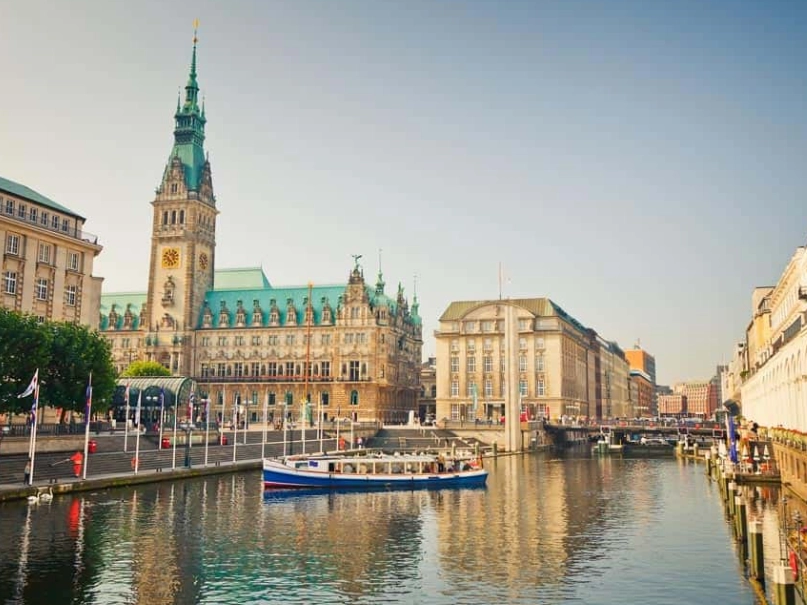
3-4 Days (The Sweet Spot): This is where Hamburg opens up. With three days, you can add a major immersive experience like the Miniatur Wunderland (book weeks ahead!) or explore a contrasting neighborhood like the trendy Sternschanze. Four days allows for a half-day trip to the nearby UNESCO town of Lübeck or a deep dive into the city's alternative culture and food scene. For most travelers, especially first-timers, this is the ideal range.
5-7 Days (The Deep Dive): A week lets you live like a local. You can take multiple day trips (Bremen, Lüneburg Heath), explore lesser-known museums, rent a bike and follow the Elbe for miles, and spend evenings in neighborhood pubs without checking your watch. It's for those who hate rushing or want to use Hamburg as a base for Northern Germany.
Crafting Your Hamburg Itinerary: From 1 to 7 Days
Here’s a practical breakdown. These aren't rigid schedules, but frameworks you can adapt. Assume each "day" is a full daylight period.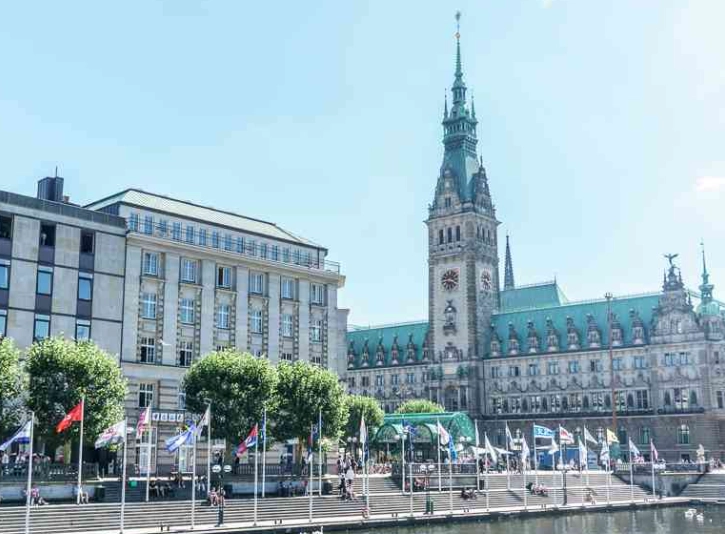
| Days | Primary Focus & Key Areas | Sample Highlights You Can Realistically Cover | Best For... |
|---|---|---|---|
| 1 Day | The Absolute Essentials: Harbor & City Center | Elbphilharmonie Plaza (free), 1-hour harbor cruise, Speicherstadt walk, Rathausmarkt, Jungfernstieg/Alster lakes glimpse. | Business travelers with a free day, cruise stopovers, extreme layovers. |
| 2 Days | Classic Hamburg Experience | Day 1: Harbor essentials. Day 2: Full Alster lake tour (walk or boat), Kunsthalle art museum OR St. Michael's Church, evening in St. Pauli (Landungsbrücken). | A solid weekend trip, first-time visitors on a tight schedule. |
| 3 Days | Highlights + One Major Immersion | Days 1-2 as above. Day 3: CHOOSE ONE: Miniatur Wunderland (3-4 hrs) OR exploring Sternschanze/Karolinenviertel districts with street art & cafes. | First-time visitors who want a comprehensive feel without rushing. |
| 4 Days | Depth & Personalization | Days 1-3 as above. Day 4: CHOOSE ONE: Day trip to Lübeck (50 min by train) OR Hamburg's "Planten un Blomen" park & a specialized museum (e.g., International Maritime Museum). | Travelers who want to tailor the trip or include a nearby cultural gem. |
| 5-7 Days | Local Rhythm & Regional Exploration | Mix of Hamburg neighborhood deep-dives (e.g., Eppendorf, Blankenese), multiple day trips (Lübeck + Bremen or Saxon Switzerland), extended cycling, attending events, relaxed dining. | Slow travelers, repeat visitors, using Hamburg as a Northern Germany base. |
Making the Most of a 3-Day Hamburg Itinerary (The Recommended Minimum)
Since 3-4 days is the sweet spot, let's flesh out a practical 3-day plan. This is the skeleton I wish I'd had.
Day 1: Port, Canals, and Modern Architecture. Start early at Landungsbrücken piers. Book a 1-hour harbor cruise from operators like Barkassen-Centrale (approx. €20). Walk through the brick Speicherstadt, the world's largest warehouse district. Your goal is the Elbphilharmonie. You don't need a concert ticket to go up to the Plaza viewing platform (free, but book a time slot online). The views are staggering. Evening? Stay around HafenCity for upscale dining or head back to Landungsbrücken for classic fish sandwiches at Brücke 10.
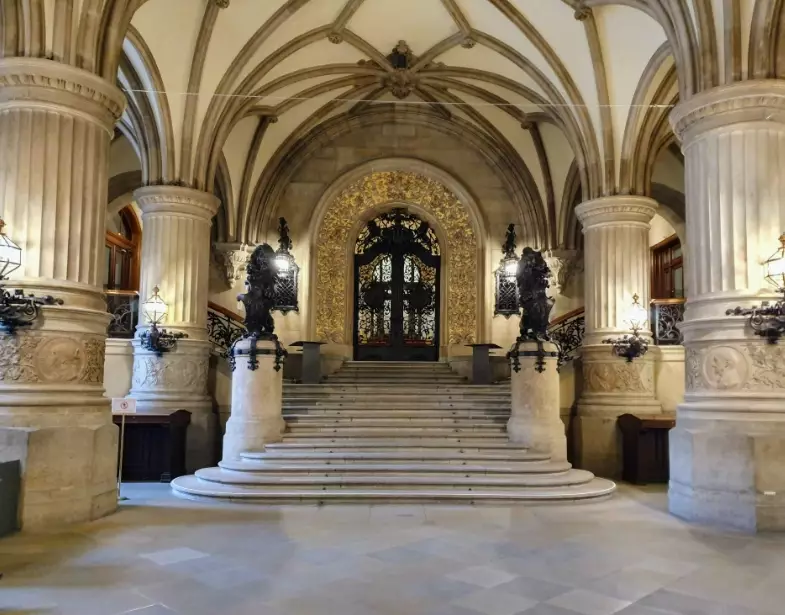
Day 2: Lakes, History, and a Church Tower. Focus on the inner city. Start at Jungfernstieg, the main shopping street by the Binnenalster lake. Consider an Alster boat tour (a different, greener perspective than the harbor). Walk to the magnificent Hamburg Rathaus (City Hall). Join a guided tour of the interior (€6, several daily in English). A short walk away is St. Michael's Church ("Michel"). Pay to go up the tower (€7) for the best traditional view over the city. Spend the late afternoon getting lost in the elegant passages of the Alster Arcades.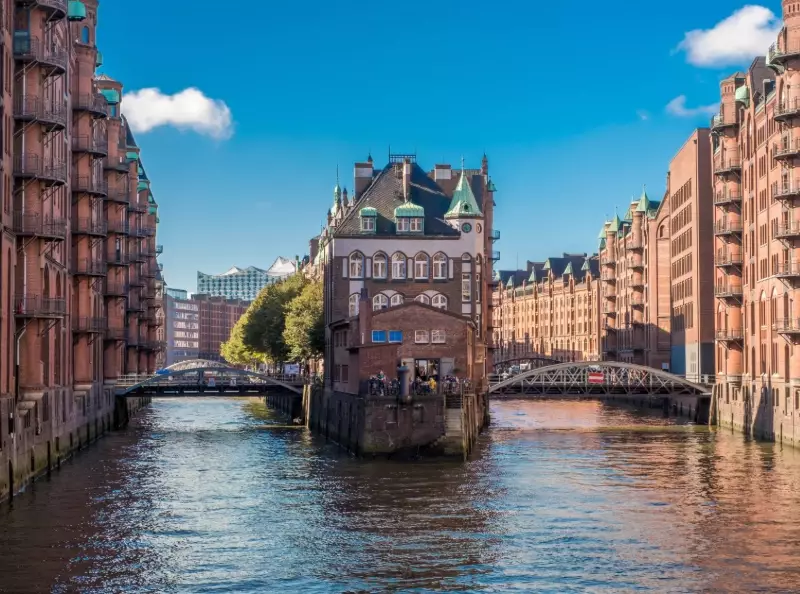
Day 3: Choose Your Adventure. This is your pivot day.
Option A (The Crowd-Pleaser): Miniatur Wunderland. This isn't just a model railway; it's a phenomenon. Book tickets at least a month in advance online. Entry is around €22. Allocate 3-4 hours minimum. It's worth it.
Option B (The Local Vibe): Take the U-Bahn to Sternschanze station. Explore the graffiti-covered, alternative Karolinenviertel and the gentrified-but-cool Schanzenviertel. Browse vintage shops, have coffee at Mutterland, and see the iconic Rote Flora cultural center. For dinner, the area is packed with international, affordable eateries.
Local Tip: Most visitors cluster around the harbor and Altstadt. For a quieter, equally beautiful waterfront experience, take the S-Bahn to Blankenese. It's a village-like district with a labyrinth of tiny streets (Treppenviertel) leading down to the Elbe. Have apple cake at a riverside cafe. It feels a world away from the city center.
Where to Sleep: Picking Your Hamburg Base
Your hotel location dramatically impacts your experience, especially on a short trip.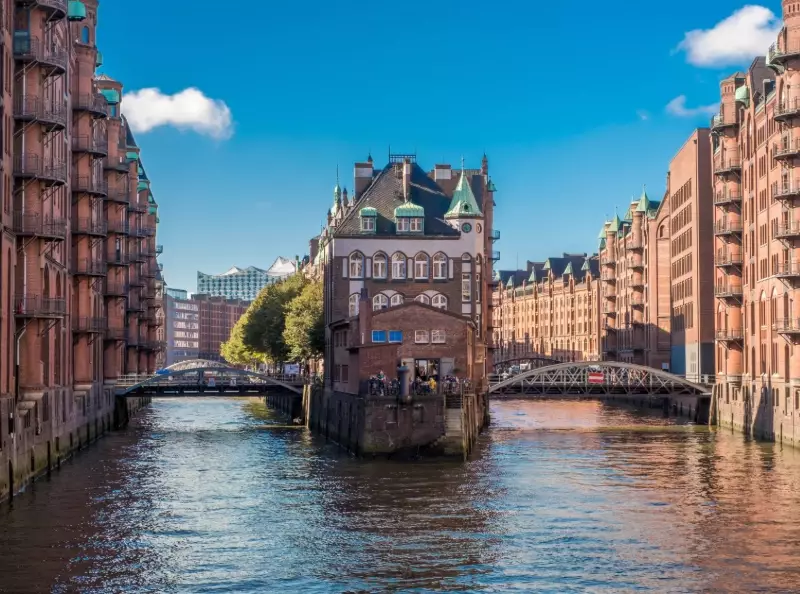
For First-Timers & Short Stays (1-3 days): Stay near the Hauptbahnhof (Central Station) or St. Georg district. It's the transport hub, with U-Bahn and S-Bahn lines going everywhere. You can be at Landungsbrücken in 10 minutes. Areas immediately south of the station can be a bit gritty at night, so check specific street reviews. The Reichshof Hotel Hamburg or Steens Hotel are solid, historic choices here.
For a More Local Feel & Longer Stays (4+ days): Sternschanze is my top recommendation. It's well-connected (U3 line), full of life, cafes, and bars, and feels authentically Hamburg. The Superbude Hotel chain here is funky and good value. Altona is another excellent, slightly more residential option with a great weekly market and direct S-Bahn links.
For Luxury & Proximity to Highlights: HafenCity itself, near the Elbphilharmonie. It's modern, quiet at night, and stunning. The The Westin Hamburg in the Elbphilharmonie complex is the ultimate splurge. Altstadt (Old Town) around the Rathaus is also premium and central, but can feel more touristy.
Getting Around Hamburg: Transport Made Simple
Hamburg's public transport (HVV) is excellent but can seem complex. Here's the cheat sheet.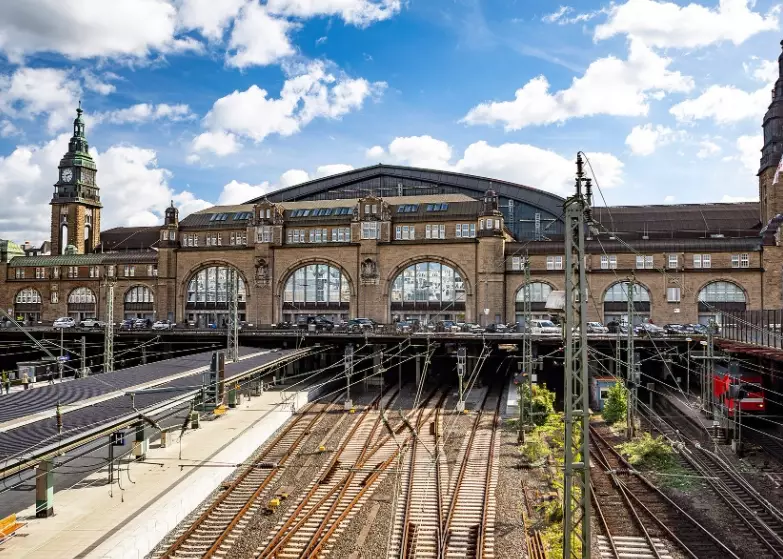
For any stay of 2+ days, the Hamburg CARD is almost always worth it. It covers all buses, U-Bahn, S-Bahn, harbor ferries (a fantastic cheap sightseeing tool!), and gives discounts to 150+ attractions. Prices (as of 2024 trend): 1-day card €11.90, 3-day card €29.90. Buy it at station machines, online, or the HVV app. The savings on transport alone add up quickly.
Key Lines to Know:
- U3: The scenic "HafenCity" line. It goes above ground over the harbor bridges—a cheap thrill ride.
- S1/S3: Connect the airport to the city center (Hauptbahnhof) in 25 minutes.
- Ferry 62: A regular public ferry from Landungsbrücken (Pier 2) to Finkenwerder. Use your Hamburg CARD. It's a fantastic, cheap alternative to a harbor cruise, offering stunning views of the container ports and shipyards.
Walking is great within districts, but the city is spread out. Biking is fantastic; consider a rental from StadtRAD city bikes if you're comfortable with urban cycling.
Beyond the Checklist: Making Your Trip Unforgettable
Anyone can visit the Elbphilharmonie. To experience Hamburg, you need to go a layer deeper.
Skip the generic souvenir shops. Bring home a packet of Franzbrot (a local cinnamon pastry) from a bakery, or a bottle of Pharisäer coffee liqueur from the nearby Altes Land region. For a unique local activity, visit the Fish Auction Hall (Fischauktionshalle) in Altona on a Sunday morning for a flea market and breakfast. It's a real local institution.
And about the Reeperbahn in St. Pauli—it's famous, but it's a specific nightlife and red-light district. If that's not your scene, don't feel pressured to go. The rest of St. Pauli, especially around the Heiligengeistfeld and the side streets, has great pubs and a more relaxed atmosphere.