Quick Links to What Matters
You're probably here because that question keeps popping up: is it safe to travel to Berlin, Germany right now? Let's get straight to it. After spending weeks in Berlin over the past year and digging into the latest data, I can say yes, Berlin is generally safe for tourists. But "generally" doesn't mean perfectly. This guide cuts through the noise to give you a clear, actionable picture of what safety really looks like in Berlin today. We'll cover crime, health, politics, and those little things most guides miss.
I remember chatting with a local café owner in Neukölln last autumn. He told me most tourists worry about the wrong things—like terrorism—when the real issues are simpler, like pickpockets on the U8 line at midnight. That's the kind of insight we're going for here.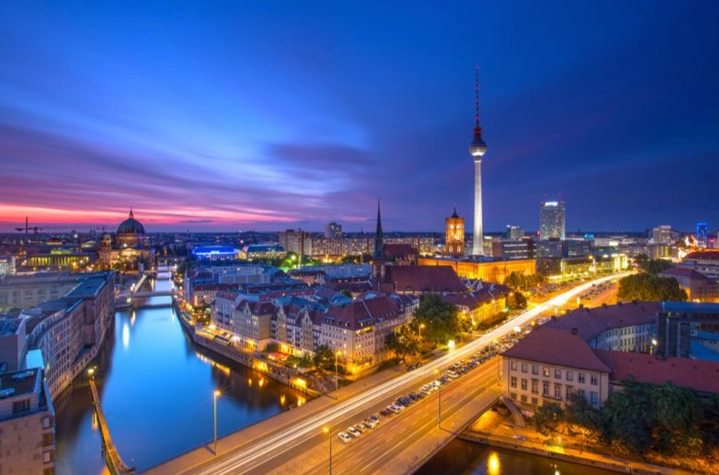
The Current Safety Overview in Berlin
Berlin's safety stats are reassuring. According to the latest reports from the Berlin Police, violent crime rates are lower than in many other European capitals like Paris or London. The city has a strong police presence, especially in tourist hubs. But numbers only tell part of the story. During my visit in March, I felt a sense of ease walking around during the day, but evenings in certain spots required more awareness.
The German Federal Foreign Office lists Berlin as a destination where normal precautionary measures apply—no special warnings. That means treat it like any big city: be smart, stay alert. One thing I noticed is that Berliners themselves are relaxed, which rubs off on visitors. But don't let that relaxation turn into complacency.
A Detailed Breakdown of Safety Concerns
Safety isn't one thing; it's a mix of factors. Let's break it down so you know exactly what to watch for.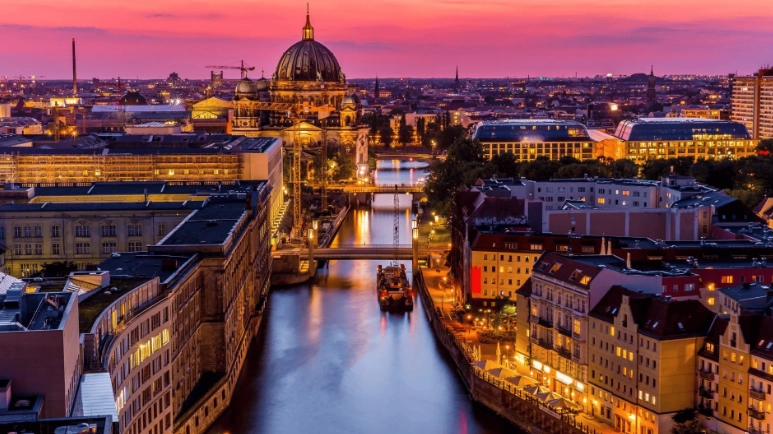
Crime in Berlin: What You Need to Know
Pickpocketing tops the list. It happens in places like Alexanderplatz, Zoologischer Garten station, and during big events like the Christmas markets. Violent crime against tourists is rare, but not unheard of—usually linked to late-night altercations in clubs. A common mistake? Leaving your phone on a café table while you grab sugar. I've seen it snatched in seconds near Hackescher Markt.
Some areas have reputations. Görlitzer Park can have drug-related activity, especially after dark. Around Kottbusser Tor, be extra vigilant at night. But during the day, these places are often fine. The key is to not look like an easy target. Walk with purpose, use bags with zippers, and avoid flashing expensive gear.
Health and Medical Safety in Berlin
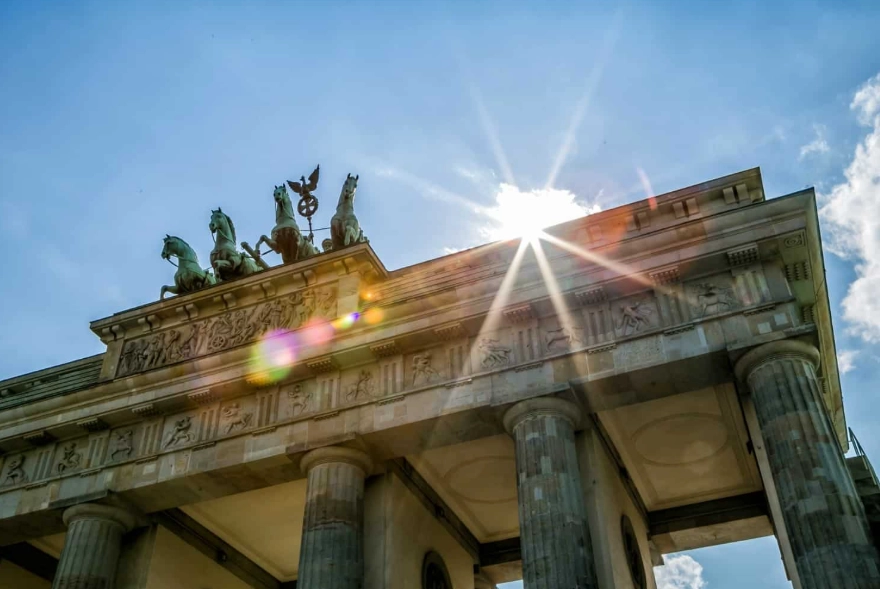
No major health crises are affecting Berlin right now. The healthcare system is top-notch—hospitals like Charité are world-renowned. COVID-19 restrictions are gone, but I still carry hand sanitizer because, well, why not? Travel insurance is non-negotiable. A friend of mine slipped on ice near Brandenburg Gate last winter and ended up with a hefty bill because she skipped insurance.
Tap water is safe to drink. Food hygiene standards are high. If you have allergies, learn to say "Ich habe eine Allergie" (I have an allergy). Pharmacies (Apotheke) are everywhere and staff usually speak English.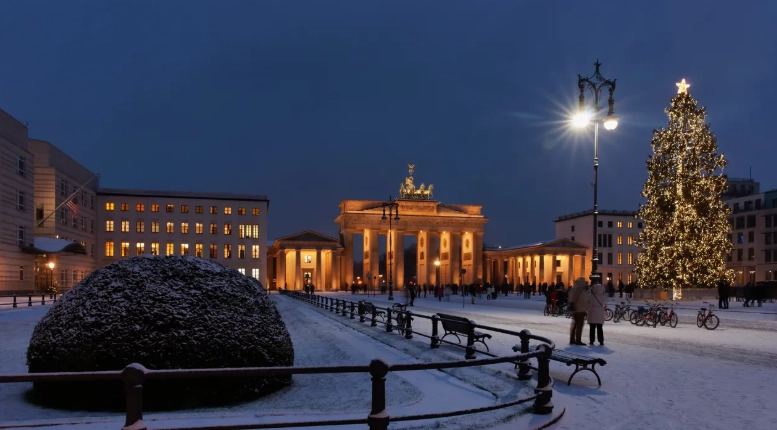
Political Climate and Demonstrations
Berlin is politically active. Demonstrations happen, often around issues like climate change or housing. They're mostly peaceful, but can block streets. Check local news or apps like BVG for disruptions. During a rally I stumbled upon near the Reichstag, it was calm, but the sheer size slowed down my sightseeing. Avoid getting caught in large crowds if you're not comfortable.
Terrorism threats exist, as in any major city, but security measures are robust. You'll see police at landmarks like the Jewish Museum. Don't let fear dictate your trip; just stay aware.
How to Stay Safe in Berlin: Practical Steps
Here's a step-by-step approach to staying secure, based on my own routines and local advice.
Step 1: Secure Your Belongings
Use anti-theft bags or a money belt. I never carry my passport unless necessary—a photocopy or digital copy suffices. In hostels, use lockers.
Step 2: Navigate Public Transport Safely
The U-Bahn and S-Bahn are reliable and safe, but night trains can get rowdy on weekends. Sit in carriages with other people. Buy tickets from official machines to avoid fines.
Step 3: Know Emergency Contacts
Save these numbers in your phone:
| Service | Number | Notes |
|---|---|---|
| Police | 110 | For emergencies or theft reports |
| Ambulance/Fire | 112 | Medical emergencies |
| Non-emergency Police | 030 4664 4664 | For minor issues or advice |
Step 4: Handle Money Wisely
Use ATMs inside banks, not on lonely streets. Notify your bank of travel plans. I once had my card blocked at a Späti (convenience store) because I forgot to do this.
Step 5: Stay Connected
Get a local SIM or eSIM for data. Apps like Google Maps or BVG (public transport) are lifesavers. Share your itinerary with someone back home.
Planning Your Berlin Trip with Safety in Mind
Safety starts before you even pack. Here's how to plan a trip that minimizes risks.
Accommodation Choices
Pick well-reviewed places in central districts. Neighborhoods like Mitte, Charlottenburg, and Prenzlauer Berg are popular and safe. Hostels like Generator Berlin Mitte have good security. For hotels, look for ones with 24-hour reception. I stayed at a boutique hotel in Kreuzberg last time—great area, but I made sure my room had a safe.
Transport Planning
The Berlin WelcomeCard offers unlimited travel and discounts. It's worth it. If driving, note that parking can be tricky and break-ins do occur. I'd stick to public transport or bikes from services like Nextbike.
Activities and Tours
Book with reputable companies. Free walking tours are fun, but research the operator. For nightlife, stick to well-known clubs like Berghain (if you can get in) and go with friends. Solo? Join group events via platforms like Meetup. I joined a photography walk in Tiergarten and felt completely at ease.
Packing Essentials
Besides clothes, pack a first-aid kit, copies of documents, and a power bank. Weather can change fast—layers help you avoid being stuck uncomfortable.
Frequently Asked Questions
 Berlin is a city that rewards the prepared traveler. By staying informed and using common sense, you can enjoy everything from its history to its nightlife without undue worry. Safe travels!