Let's cut to the chase. If you're asking if Hamburg is good for foreigners, the short answer is a resounding yes. But that simple "yes" doesn't tell you much, does it? It doesn't tell you about the gray, drizzly days that seem to last forever, or the sheer relief of finding a friendly international community. It doesn't prepare you for the infamous Wohnungssuche (apartment hunt) or the quiet efficiency that defines daily life here. Having lived here for years and watched countless expats arrive, thrive, and sometimes struggle, I want to give you the full picture—the brilliant parts and the bits that require some grit.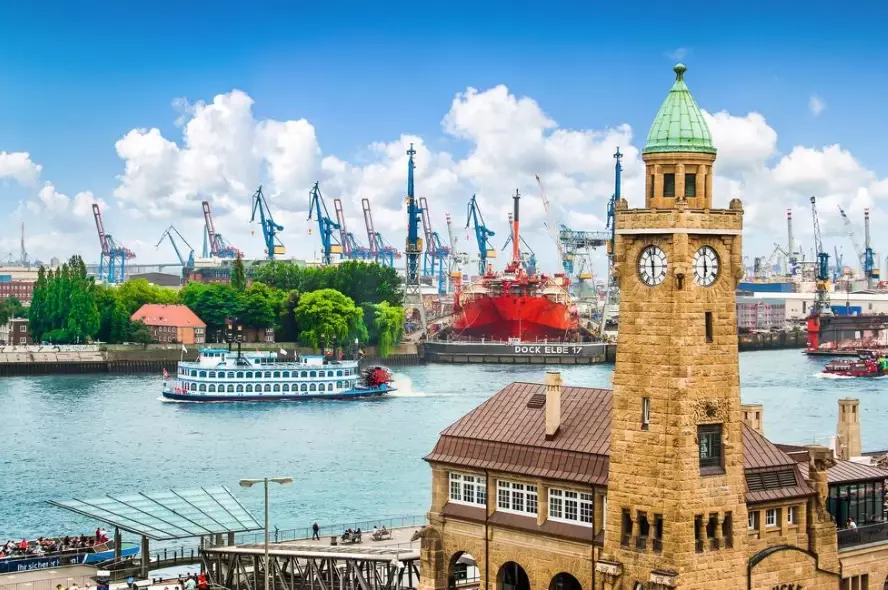
Hamburg isn't just "good"; for many, it's a fantastic choice. It's Germany's gateway to the world, a port city with a global mindset etched into its DNA. You'll hear English spoken freely in the city center, find cuisine from every corner of the globe, and work in companies where international teams are the norm. But its appeal goes deeper than just being foreigner-friendly on the surface. It's about a specific quality of life: green, orderly, prosperous, and surprisingly laid-back for a major economic hub.
What's in this guide?
What's So Great About Hamburg for Expats?
Let's start with the good stuff, because there's a lot of it. This is what usually hooks people.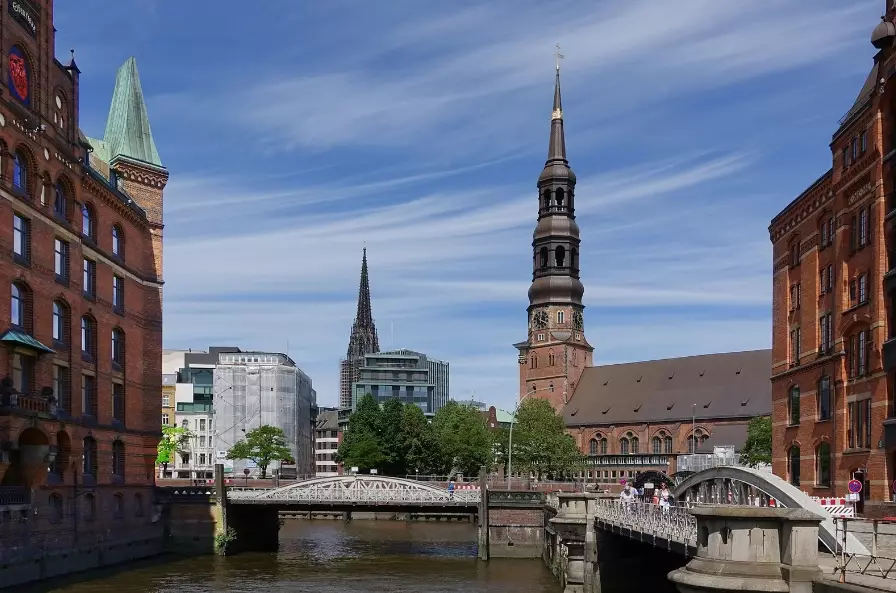
International Vibe Without the Overwhelm
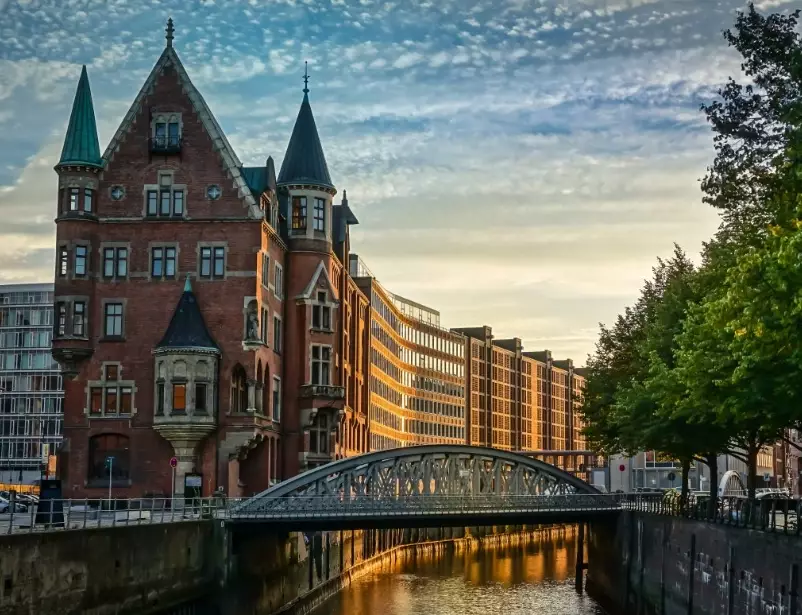
Hamburg's history as a Hanseatic trading port means looking outward is in its blood. Walk through the business districts of HafenCity or around the university, and you'll hear a chorus of languages. Major corporations like Airbus, Beiersdorf, and a huge media sector naturally attract global talent. Unlike some German cities that feel deeply insular, Hamburg feels open. Shopkeepers, waiters, and officials in central areas typically switch to English without a second thought. The city's official tourism site, Hamburg.com, is a testament to this, offering extensive English-language resources.
Yet, it's not an anonymous international bubble. The city retains a strong Northern German identity—proud, reserved, a bit maritime, and deeply connected to its neighborhoods, or Kieze. You get the best of both worlds.
Green Spaces and Work-Life Balance
Hamburg is shockingly green. The Alster lakes are right in the city center, perfect for jogging, sailing, or just sitting with a coffee. The massive Stadtpark, the Planten un Blomen botanical gardens, and the endless trails along the Elbe river mean you're never far from nature.
This feeds into a general attitude toward work-life balance that feels healthier than in many other global metropolises. The workday often ends around 5 PM. Sundays are sacred quiet days (most shops are closed). People prioritize time outdoors, with family, or at their Verein (club) for sports or hobbies. The pace is purposeful, not frantic.
Safety, Order, and Infrastructure
This is a major draw for many. Hamburg is consistently ranked one of the safest large cities in the world. You can walk almost anywhere at night without concern. The public transportation system (HVV) is excellent, reliable, and clean. Biking is a fantastic and safe way to get around thanks to an extensive network of dedicated lanes. Things just... work. Bureaucracy exists (this is Germany), but it's predictable and follows clear rules.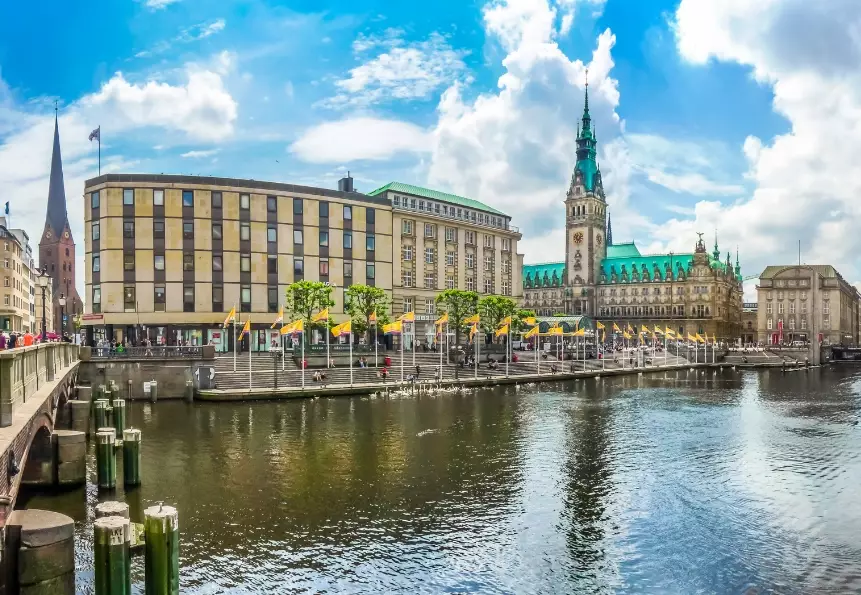
The Real Challenges: What Nobody Tells You
Now, the flip side. Ignoring these is a recipe for frustration. Forewarned is forearmed.
The Apartment Hunt: Your First Major Trial
Finding a long-term rental apartment in Hamburg is competitive, time-consuming, and often demoralizing. It's the number one pain point for newcomers. Vacancy rates are low, demand is high, and landlords can afford to be picky.
You'll need a dossier ready: proof of income (often requiring a German employment contract), a Schufa credit report (which you won't have initially), references from previous landlords, and sometimes even a self-introduction letter. Apartments are often offered as Nachmieter (successor tenant) by the previous tenant, which can be a good route in.
My advice? Budget for a temporary furnished apartment (like from Wunderflats or Mr. Lodge) for 1-3 months. Use this time to search in person, network, and get your paperwork in order. Don't limit yourself to the hyper-central areas like Sternschanze or Eimsbüttel right away. Look at Barmbek, Winterhude, or even across the river in Altona or Ottensen for more options.
The Weather and the "Hamburg Schmuddelwetter"
The weather is a genuine factor. Hamburg has a maritime climate, which means mild winters but also gray, rainy, and windy days for a significant part of the year. The locals have a term for it: Schmuddelwetter (drizzly, miserable weather). Seasonal Affective Disorder is a real thing here. Investing in good rain gear, finding indoor hobbies (the Schwimmbad culture is huge), and learning to appreciate the cozy Gemütlichkeit of a cafe on a rainy day are survival skills. The summers, when they come, are glorious and make everyone forget the long gray stretch.
The "Hanseatic" Reserve
People in Hamburg are generally friendly and helpful, but they can be reserved. Making deep German friends takes time and effort. The social scene often revolves around established friend groups from school or university. Don't expect instant, effusive friendship. It's not personal; it's cultural. The key is repeated, low-pressure interaction—join a club, take a class, volunteer. Consistency builds trust.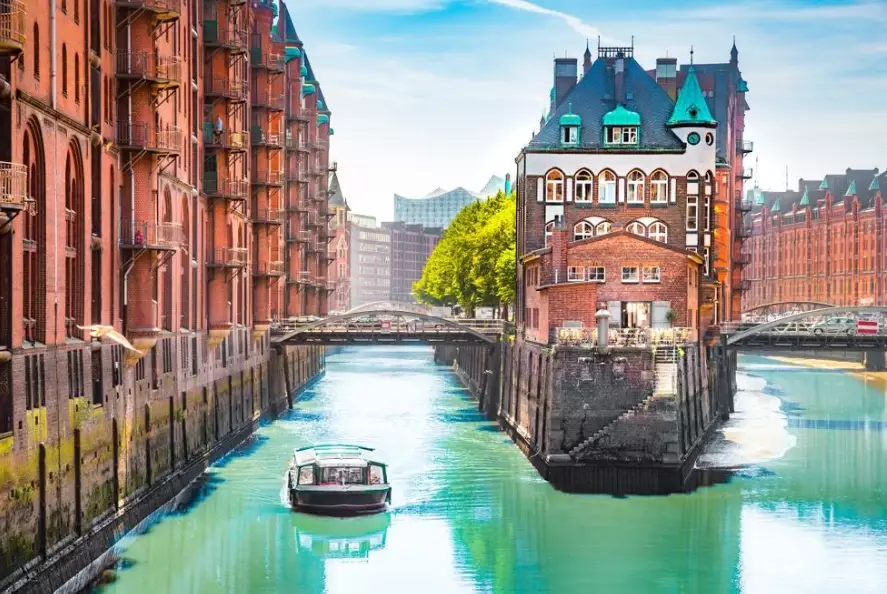
The Nitty-Gritty: Cost of Living Breakdown
Hamburg is expensive, second only to Munich in Germany. But where does the money go? Let's break it down for a single person.
>The 49-euro ticket is a game-changer. Covers all buses, trains, and U/S-Bahn in Hamburg and nationwide.>Mandatory. Public insurance (e.g., TK, AOK) is ~14.6% of your gross salary, split with your employer.>A beer in a pub (~4-5€), a casual meal (~12-18€). Cooking at home saves significantly.| Expense Category | Estimated Monthly Cost (EUR) | Notes & Tips |
|---|---|---|
| Rent (1-bedroom apt) | 900 - 1,400+ | The biggest variable. Central districts (Eimsbüttel, Sternschanze) are at the top end. Outer districts or shared flats (WG) are cheaper. |
| Utilities (heating, electricity, internet) | 200 - 300 | Often not included in "cold rent" (Kaltmiete). Budget for this separately. |
| Public Transport (HVV DeutschlandTicket) | 49 | |
| Groceries | 250 - 350 | Shop at discounters like Aldi, Lidl, or Penny. Weekly markets (e.g., Isemarkt) offer great fresh produce. |
| Health Insurance | ~ 200+ | |
| Leisure (eating out, drinks) | 150 - 300 |
A single person can expect to need a net salary of at least 2,000€ per month to live comfortably but modestly. For a couple or family, costs don't double, but childcare (if needed) can be significant.
Building Your Social Circle From Scratch
Feeling isolated is a common expat challenge. Here’s how to build your network.
Leverage Digital Hubs: Start with Facebook groups like "Expats in Hamburg" or "International Women in Hamburg." Meetup.com is active. These are great for initial contacts and event info.
The Power of the Verein: This is the golden ticket. Join a sports club (rowing, sailing, and football are huge here), a choir, a gardening association, or a hobby group. The shared activity provides a natural context for repeated interaction. Look for notices in community centers (Stadtteilhäuser) or online platforms.
Language Exchange (Tandem): Sites like Tandem or local events at cafes/bars pair you with a German who wants to learn your language. It's a low-pressure way to practice German and make a friend.
Expat Organizations: Groups like the British, American, or Australian clubs host events and can be a comforting touch of home.
Neighborhood Life: Go to the same bakery, frequent your local Kneipe (pub), visit the weekly market. Being a regular face builds familiarity.
Navigating the Job Market & Work Culture
Hamburg is a major economic hub with strong maritime, aviation (Airbus), media, and tech sectors. English is often the corporate language in multinational companies and many startups.
Finding a Job: The classic German job portal is StepStone.de. For English-speaking jobs, also check LinkedIn, Indeed, and company career pages directly. For tech, platforms like Honeypot are useful. Networking is key—attend industry meetups and events.
Work Culture Insights:
- Direct Communication: Germans are famously direct. It's not rude; it's about clarity and efficiency. Don't take it personally.
- Structure & Punctuality: Meetings have agendas, projects have clear plans, and being on time is non-negotiable.
- Separation of Work & Life: It's generally not expected to answer work emails late at night or on weekends. Respect this boundary.
- Paperwork & Contracts: Everything is documented. Read your employment contract (Arbeitsvertrag) carefully. Understand your notice period, vacation days (usually a generous 25-30), and salary components.
So, is Hamburg good for foreigners? The answer is a nuanced yes. It offers a superb quality of life, safety, career opportunities, and an international atmosphere that makes landing softer. But it demands adaptability. You'll need to tackle the housing market with patience, embrace the weather with the right gear, and make an active effort to learn the language and build a community.
If you value order, green spaces, work-life balance, and a city that's worldly yet deeply itself, Hamburg could be a perfect fit. It rewards those who make the effort to engage with it on its own terms. Come for the job or the romance of a port city; stay for the quality of life you can build here.