Berlin doesn't just hand you a postcard experience. It demands a bit of digging. You'll find world-famous landmarks shoulder-to-shoulder with gritty, creative energy. A weekend isn't enough. You need a strategy. This isn't a list of every single attraction; it's a curated playbook for the things to do in Berlin that actually deliver, mixing the essential sights with the local rhythm.
Think of it this way: you want to see the Brandenburg Gate, but you also want to find the best currywurst stand that isn't swamped with tourists. You're curious about the history, but also about where the city's famous nightlife actually lives. Let's get into it.
Your Berlin Trip Quick Navigation
- Berlin's Must-See Landmarks (The Non-Negotiables)
- The Culture Deep Dive: Museums & History
- Alternative Berlin: The Local Vibe
- Where to Eat & Drink (No Tourist Traps)
- Navigating Berlin's Legendary Nightlife
- How to Plan Your Berlin Itinerary
- Practical Tips to Save Time & Money
- Your Berlin Trip Questions Answered
Berlin's Must-See Landmarks (The Non-Negotiables)
These are the postcard spots. But seeing them is one thing, experiencing them smartly is another. A common mistake? Trying to hit them all in one frantic afternoon. Space them out.
The Brandenburg Gate & Reichstag Building
Brandenburg Gate (Brandenburger Tor): Pariser Platz, 10117 Berlin. S/U-Bahn: Brandenburger Tor. Free to view. It's always open. The first time you see it, it feels smaller than expected, but walking through it carries a weight you can't ignore. Go early in the morning (before 9 AM) or late in the evening to avoid the worst crowds. The light is better for photos then, too.
Just north, the Reichstag Building is home to the German parliament. The modern glass dome is the star here, offering a 360-degree view of the city. Visiting is free, but you must book a time slot in advance online. I mean it—book it now, even if your trip is months away. Slots on the official Bundestag website disappear fast. The audio guide is excellent, weaving the architecture into Germany's democratic story.
The Berlin Wall Memorial & East Side Gallery
Don't confuse these two. For a raw, historical understanding, go to the Berlin Wall Memorial (Gedenkstätte Berliner Mauer) on Bernauer Strasse. It's an open-air exhibition along a preserved section of the death strip. Free entry. U-Bahn: Bernauer Strasse. It's sobering and essential.
The East Side Gallery (Mühlenstraße, Friedrichshain) is the 1.3km long painted section. It's vibrant, symbolic, and often packed. S-Bahn: Ostbahnhof. Free. Go for the art and the photo op, but understand it's a gallery on a relic, not a museum. The paintings get restored, but the concrete is the real artifact.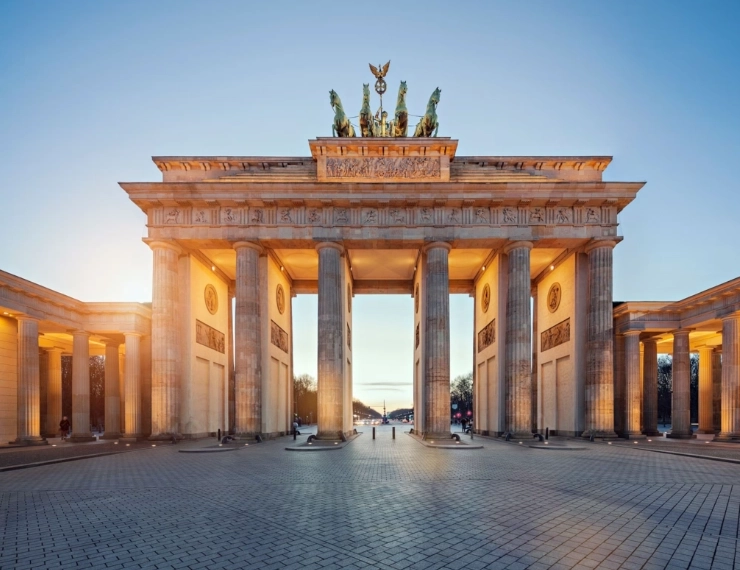
Checkpoint Charlie & Topography of Terror
Checkpoint Charlie (Friedrichstraße 43-45) is arguably Berlin's most overrated tourist trap. The museum (Haus am Checkpoint Charlie) is cluttered and expensive. My advice? Walk through, see the replica booth and the actors in period costumes, snap a picture, and then immediately walk one block south to the Topography of Terror.
This free, open-air and indoor museum is built on the former Gestapo and SS headquarters. The exhibits are meticulously researched, focusing on the perpetrators of Nazi terror. It's a heavy, crucial counterpart to the victim-centric narratives elsewhere. U-Bahn: Kochstraße. Open daily 10 AM–8 PM.
The Culture Deep Dive: Museums & History
Berlin's museum scene is staggering. You could spend a week inside. The key is focus.
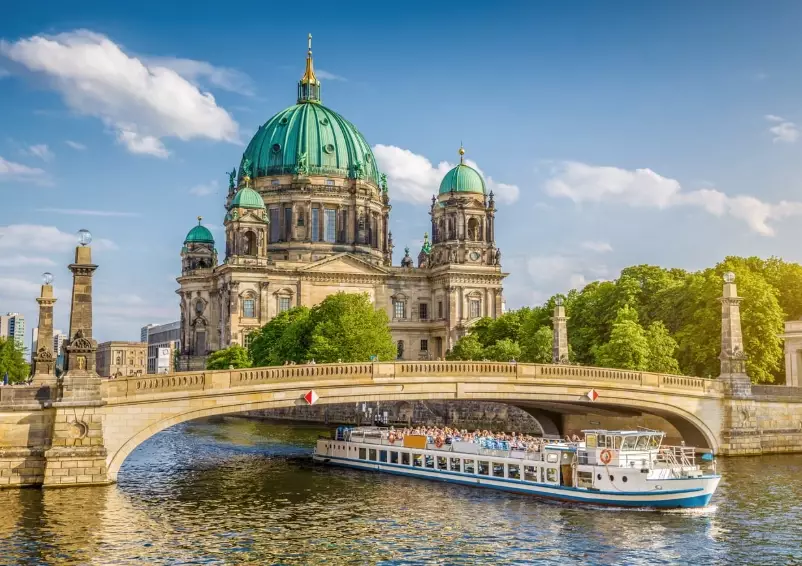
Museum Island (Museumsinsel)
A UNESCO World Heritage site with five major museums. Buying the Museumsinsel Day Pass (€19, reduced €9.50) is a no-brainer if you plan to visit more than two. Book timed tickets online to skip lines.
| Museum | What's the Highlight? | Ticket/Note |
|---|---|---|
| Pergamonmuseum | The Ishtar Gate, Pergamon Altar. Breathtaking ancient architecture. | Partially closed for renovation until 2037(!). The Panorama exhibition is a separate, paid add-on. |
| Neues Museum | The bust of Nefertiti. You'll recognize it instantly. | Timed entry is strict. She's in Room 210. |
| Altes Museum | Classical antiquities, Greek and Roman art. | A more traditional, stately museum experience. |
| Alte Nationalgalerie | 19th-century paintings (Caspar David Friedrich, Monet). | For art lovers. The building itself is a masterpiece. |
| Bode Museum | Sculptures, Byzantine art, numismatic collection. | Often less crowded. The dome hall is stunning. |
My take? The Pergamonmuseum's closure is a bummer, but the Panorama (a 360° painting of ancient Pergamon) is a fascinating, immersive substitute. The Neues Museum's curation, guiding you through human history, is world-class.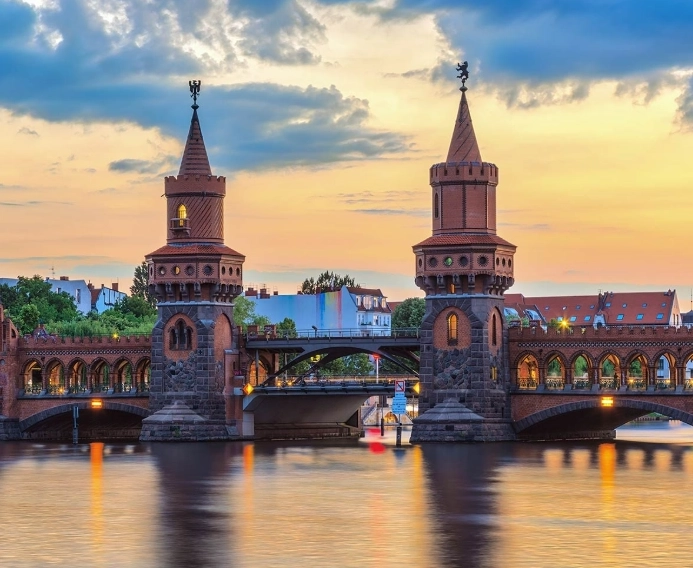
The Jewish Museum & German Historical Museum
The Jewish Museum Berlin (Lindenstraße 9-14) is an architectural experience as much as a historical one. Daniel Libeskind's zinc-clad building, with its voids and slanted corridors, physically disorients you. The permanent exhibition is vast; give it at least 3 hours. Closed on Mondays. U-Bahn: Hallesches Tor.
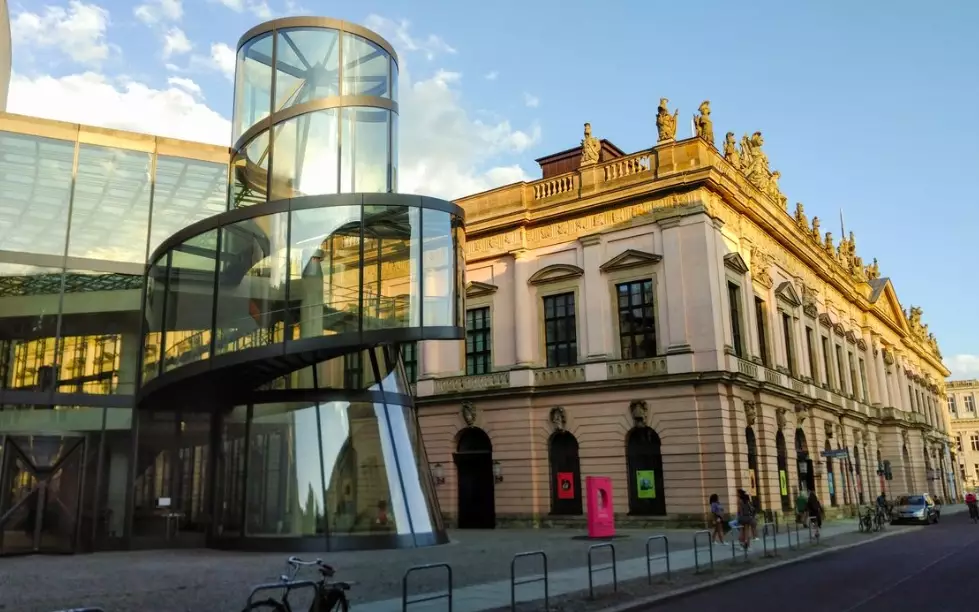
For a broader sweep, the German Historical Museum (Unter den Linden 2) covers two millennia of German history in a logical, linear fashion. It's excellent for context. Open daily.
Alternative Berlin: The Local Vibe
This is where Berlin's soul lives now—in its repurposed spaces and street-level creativity.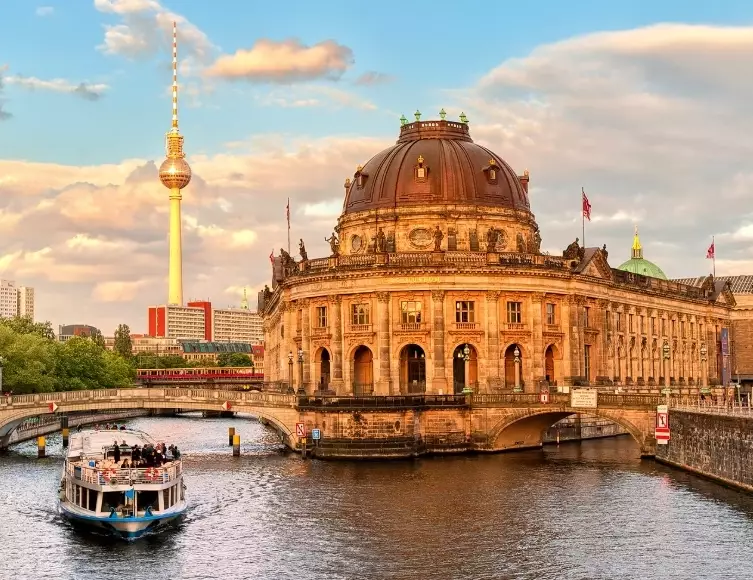
Street Art Tours in Kreuzberg & Friedrichshain: The official East Side Gallery is just the start. Join a walking tour like Alternative Berlin to find hidden courtyards and understand the artists' stories. It's the best way to access spaces you'd otherwise walk past.
Tempelhofer Feld: A former airport turned public park. The runways are now for cycling, skating, and kite-flying. You can picnic where planes once taxied. It's surreal and uniquely Berlin. U-Bahn: Platz der Luftbrücke or Paradestraße. Free entry.
Mauerpark Flohmarkt (Flea Market): Sundays only. Part flea market, part street food festival, part karaoke spectacle. The Bearpit Karaoke (from afternoon onwards) is legendary—a thousand people cheering on brave souls. It's chaotic, crowded, and completely wonderful. U-Bahn: Eberswalder Straße.
Berliner Unterwelten (Berlin Underworlds): Tours exploring bunkers, subways, and tunnels from WWII and the Cold War. The "Dark Worlds" tour is the most popular. Book online ahead. This isn't a glossy attraction; it's a gritty, factual look at the city's underbelly.
Where to Eat & Drink (No Tourist Traps)
Forget fine dining clichés. Berlin's food scene is about quality, diversity, and informality.
Markthalle Neun (Eisenbahnstraße 42/43, Kreuzberg): A historic market hall. Go for Street Food Thursday (5 PM–10 PM) to sample a global range of vendors. It's packed with locals. For a calmer experience, visit on a weekday for traditional German butchers, cheesemongers, and bakeries.
Currywurst & Döner: The two iconic fast foods. - Curry 36 (Mehringdamm 36) is a classic for a reason. Get it with skin-on fries. Expect a line. - For Döner, Mustafa's Gemüse Kebap (Mehringdamm 32) is famous, but the queue is often insane. A local secret? Rüyam Gemüse Kebab (Hasenheide 10) in Neukölln is just as good, if not better, with less wait.
Beer Gardens: - Prater Garten (Kastanienallee 7-9, Prenzlauer Berg): Berlin's oldest, massive, under chestnut trees. - Café am Neuen See (Lichtensteinallee 2, Tiergarten): By a lake in the Tiergarten park. Rent a rowboat, then have a beer. - Augustiner am Gendarmenmarkt (Charlottenstraße 55): For a more central, Bavarian-style hall with excellent food.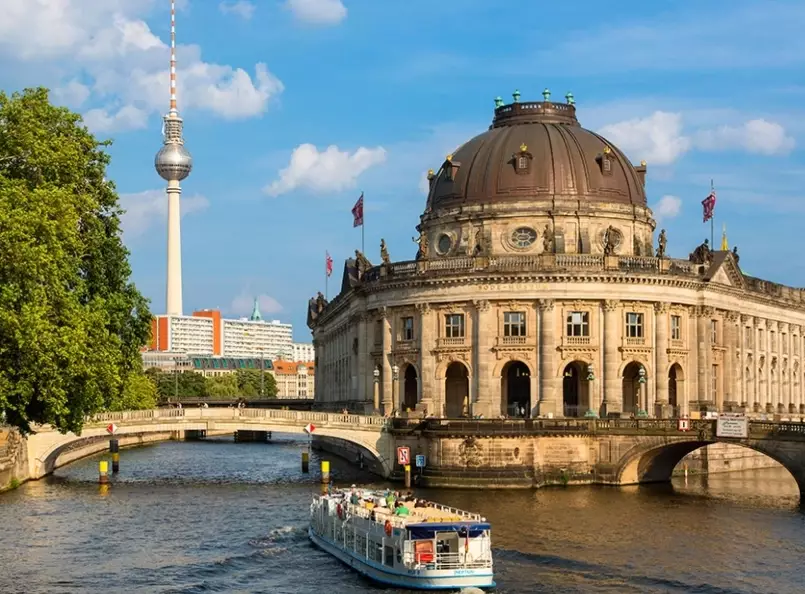
Navigating Berlin's Legendary Nightlife
It's not just about Berghain (though we'll get to that). The scene is vast and tribal.
The Berghain Question: The world's most infamous techno club. The door policy is brutal, random, and designed to keep out tourists who are just there to gawk. If you're not deeply into the music and the specific vibe, you will be rejected. Don't go in a big, loud group. Dress down (black helps). Go very late (after 3 AM) or on Sunday morning. Be prepared to wait. And have a solid Plan B.
Plan B Options: - Clärchens Ballhaus (Auguststraße 24): A 1913 dance hall with multiple rooms playing everything from swing to electronic. No face control, just fun. - ://about blank (Markgrafendamm 20c): A politically-left, collective-run club with multiple floors and a big outdoor garden. More accessible, still authentic. - Rooftop Bars: For a more relaxed evening, try Klunkerkranich (on top of a Neukölln shopping center) or Monkey Bar (by the zoo, great views).
How to Plan Your Berlin Itinerary
Berlin is sprawling. Group activities by district to minimize travel.
3-Day Core Itinerary: - Day 1 (Mitte): Reichstag Dome (morning booking), Brandenburg Gate, Holocaust Memorial, Topography of Terror. Afternoon on Museum Island (pick 2 museums). Evening dinner at a beer hall. - Day 2 (Kreuzberg/Friedshain): East Side Gallery, alternative street art tour, lunch at Markthalle Neun or a currywurst stand. Afternoon at the Jewish Museum or relaxing at Tempelhofer Feld. Evening in Kreuzberg bars. - Day 3 (Cold War & Local Life): Berlin Wall Memorial at Bernauer Strasse. Afternoon at Mauerpark (if Sunday) or a Stasi Museum visit. Final evening exploring Prenzlauer Berg's cafes or a nightlife venture.
If You Have 5 Days: Add a day for Potsdam (palaces and gardens, a 30-minute S-Bahn ride), and a deeper dive into a neighborhood like Neukölln for its food and vibe, or a longer visit to the German Historical Museum.
Practical Tips to Save Time & Money
Transport: The Berlin WelcomeCard is worth it if you use public transport heavily and visit a few partner attractions. Otherwise, the basic AB zone day ticket (€9.50) is often sufficient. Download the BVG or Jelbi app for tickets and real-time info. Validate paper tickets before boarding!
Best Time to Visit: Late spring (May-June) and early autumn (September-October) are ideal. July-August can be hot and crowded. Winter is cold but magical around Christmas markets (late Nov-Dec).
Budgeting: Berlin is relatively affordable for a Western European capital. You can eat well for €10-15 a meal. Museum entry is the biggest cost, so plan passes carefully. Hostels are plentiful, hotels in outer districts offer better value.