Let's cut straight to it. If you're planning a trip to Berlin primarily for its legendary nightlife, you want to get the timing right. The short, crowd-pleasing answer is that Berlin parties year-round. You can find a dark, throbbing techno bunker or a cozy cocktail bar any night of the week, any month of the year. But the quality, variety, and vibe of that nightlife experience shift dramatically with the seasons. The best time to visit Berlin for nightlife isn't just about open clubs—it's about aligning your trip with the city's social rhythm, the weather, and the unique events that transform an ordinary night out into something unforgettable.
Based on a decade of living here and watching the ebb and flow of the party scene, I'd pin the absolute sweet spot between May and September. But that's not the whole story. Winter has its own intense, purist charm, and shoulder months offer surprising value. The "best" time truly depends on what kind of party animal you are.
Your Quick Nightlife Navigator
Berlin Nightlife: A Seasonal Breakdown
Think of Berlin's nightlife in two distinct modes: Outdoor/Summer Mode and Indoor/Winter Mode. The city itself becomes a different venue.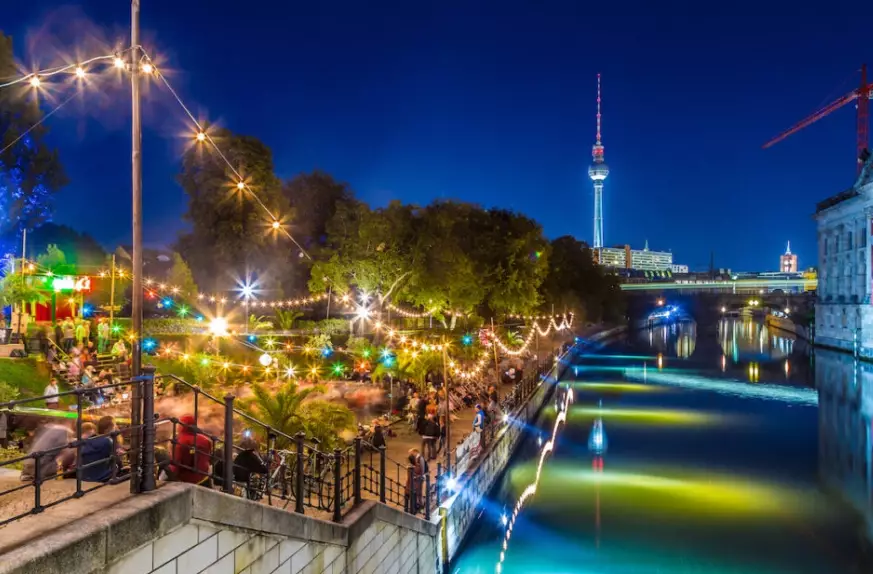
Summer (June - August): The Open-Air Extravaganza
This is Berlin at its most socially vibrant. The sun sets after 9 PM, and the city spills out onto the streets. Nightlife isn't confined to clubs; it's on rooftops, in parks, along the Spree River, and in countless Biergarten (beer gardens). Clubs with gardens—like ://about blank or Sisyphos—become day-to-night destinations. You can start with a beer in the afternoon and find yourself dancing under the stars hours later. Major festivals like Fusion (though technically outside Berlin) and Berlin Pride (CSD) define the calendar. The energy is infectious, but it's also peak tourist season. Clubs are crowded, and the famous door policies can feel even more arbitrary.
Shoulder Seasons (April-May, September-October): The Goldilocks Zone
For my money, this is the secret winner. May and September are particularly magical. The weather is often pleasant enough for open-air events (May has the Karneval der Kulturen, a massive street festival), but the oppressive tourist crowds of July and August have thinned. Clubs are still buzzing, but you can breathe. You get a taste of both worlds: the last or first rooftop parties and the return to the intense focus of the indoor dancefloor. Hotel prices tend to be more reasonable than in high summer.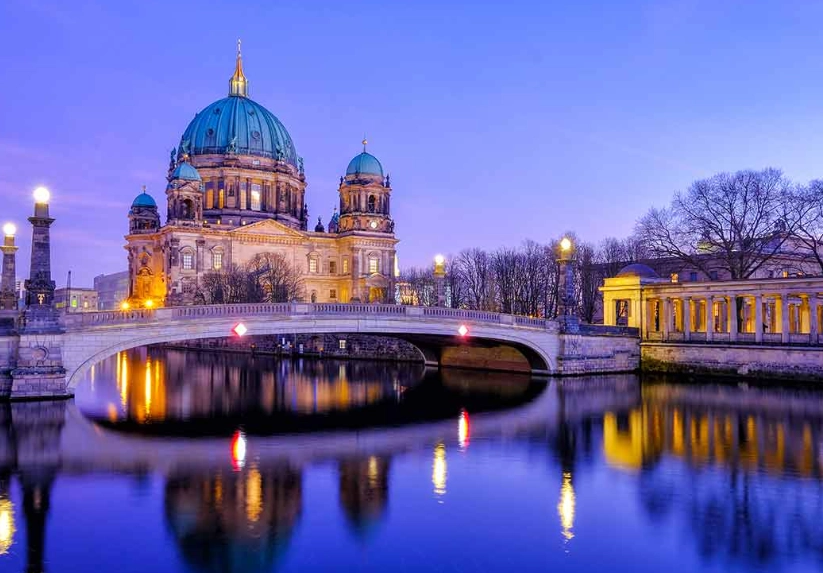
Winter (November - March): The Purist's Playground
This is when Berlin's nightlife gets serious. The fair-weather tourists are gone. The people in the clubs are there for the music, not the Instagram story. The atmosphere in venues like Tresor or Berghain is darker, more focused, and often more authentic. Christmas markets (late Nov-Dec) offer a unique, cozy pre-game with Glühwein. However, the flip side is obvious: it's cold, dark, and wet. Getting between venues is a chore. Open-air options are zero. Your nightlife is exclusively indoors, which can feel claustrophobic after a few days. January and February are the quietest, cheapest, and arguably the most "local" months on the clubbing calendar.
The Party Planner's Month-by-Month Guide
Let's get specific. Here’s what you can realistically expect across the year.
| Month | Vibe & Key Events | Pros | Cons |
|---|---|---|---|
| Jan - Feb | Deep winter, underground focus. Post-New Year calm. Clubs are less crowded. | Authentic local scene, easy door entry, low prices. | Harsh weather, limited variety (no outdoor). |
| March | Slow thaw. CTM Festival for experimental music. | Start of longer days, cultural events. | Unpredictable weather, still chilly. |
| April | Spring optimism. Easter weekend can be busy. | Pleasant temperatures, rising energy. | Can still be rainy. |
| May | Prime time begins. Karneval der Kulturen, open-air clubs start. | Perfect weather, festival vibe, long days. | Popular, so plan ahead. |
| June - Aug | Peak summer. Pride (July), lots of street fests, rooftop bars packed. | Maximum energy, 24/7 possibility, incredible outdoor options. | Overwhelming crowds, highest prices, tough door policies. |
| September | Another prime month. Berlin Music Week, still warm. | Summer vibe with fewer tourists, ideal clubbing weather. | Events wind down by month's end. |
| October | Autumn chill. Festival of Lights, clubs move fully indoors. | Beautiful city colors, serious clubbing resumes. | Weather turns quickly. |
| November - Dec | Winter closure. Christmas markets dominate evening social life. | Unique festive atmosphere, cozy bars. | Cold, dark, clubs can feel repetitive. |
The Practical Trio: Weather, Crowds & Budget
Your decision often boils down to balancing these three factors.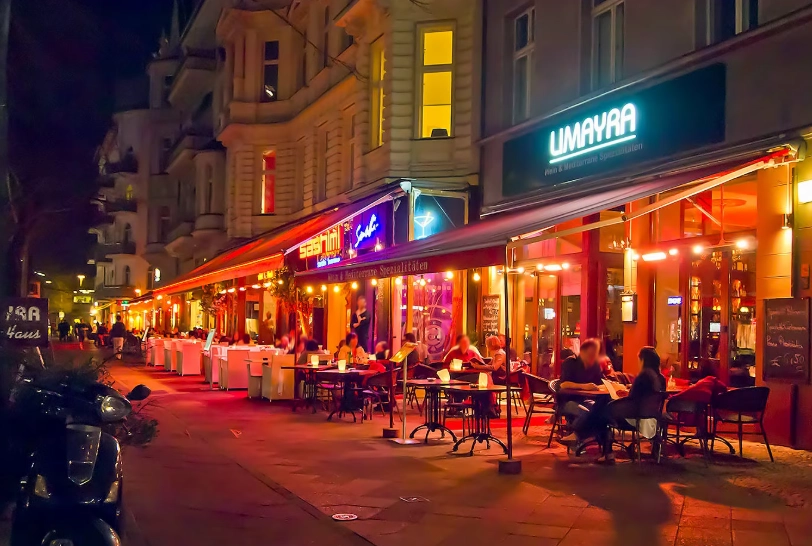
How does weather impact Berlin's nightlife?
It dictates the entire geography of your night. In summer, your journey might involve a U-Bahn to a club, then hours in its garden, then a walk to a riverside spot at dawn. In winter, it's a taxi or ride-share from your warm apartment directly to the club's coat check. Packing is key: summer calls for layers (it can be cool at night), comfortable shoes for standing/dancing, and a non-flashy, practical outfit that fits the club's aesthetic. Winter requires a serious jacket, scarf, and gloves for the queue—clubs have good coat checks, often for a small fee (€2-€3).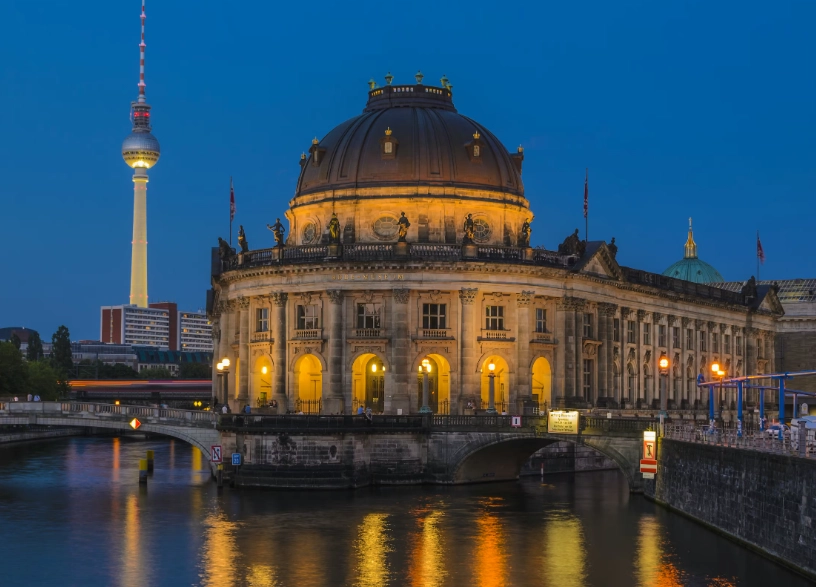
Managing Crowds and Door Policies
Summer and major festival weekends bring the toughest doors. The bouncers aren't just looking for a "look"; they're curating a crowd that fits the vibe of the club that specific night. My non-consensus advice? Don't overthink your outfit into a costume. Be confident, be quiet in the queue, and go with a small, same-gender group (1-3 people is ideal). If you get rejected, it's not a personal failure—it's a Berlin rite of passage. Have a solid Plan B club in mind (check Resident Advisor for events).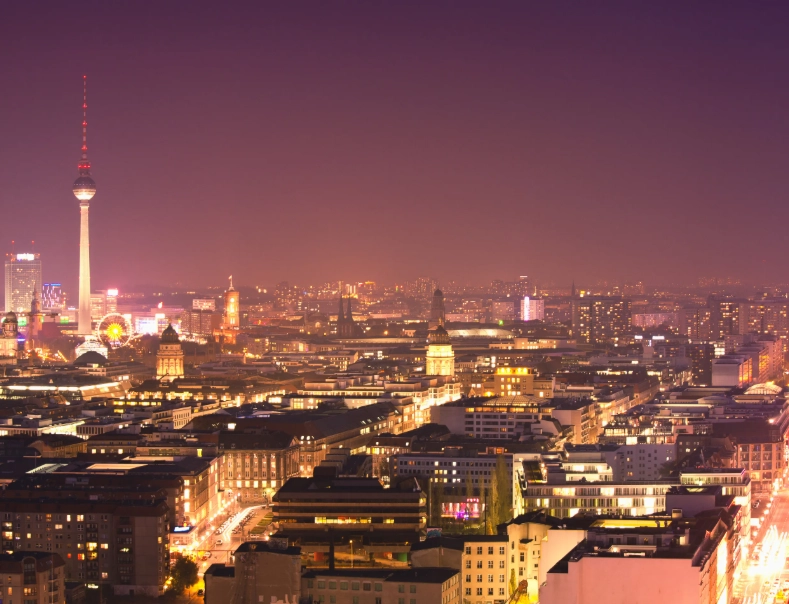
Where to Go & What to Expect
The neighborhood you base yourself in changes the experience.
Kreuzberg & Friedrichshain are the perennial epicenters. In summer, the area around RAW-Gelände in Friedrichshain and Görlitzer Park in Kreuzberg is buzzing. Clubs like Watergate (by the river) and ://about blank (with its huge garden) are summer staples. In winter, the action moves firmly inside to institutions like Berghain (Ostkreuz) and Tresor (close to Mitte).
Mitte tends to be more upscale and touristy, with cocktail bars and clubs that often have stricter dress codes. It's less about marathon techno sessions and more about a night out.
Neukölln is the current hub for a more alternative, bar-focused scene. It's less about mega-clubs and more about intimate venues, hidden bars, and a later, slower start to the night. This vibe works well year-round.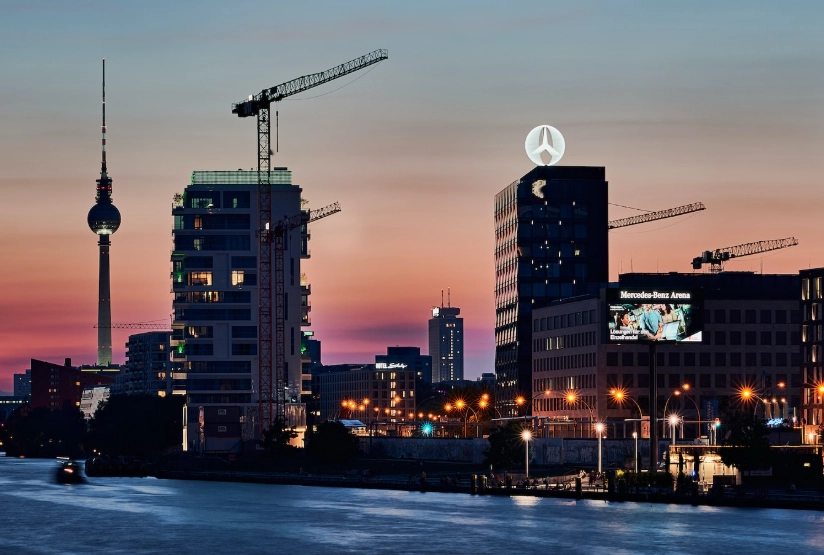
Here’s a sample itinerary for a perfect summer nightlife weekend:
Friday: Start with drinks at a Neukölln bar (like Das Hotel or Sameheads) around 10 PM. Head to an open-air club like ://about blank or Sisyphos around midnight. Stay until the sun is well up.
Saturday: Recover. Lounge at a Biergarten (Prater Garten in Prenzlauer Berg is classic) in the afternoon. For the evening, aim for a club with a different vibe—perhaps a more house-music oriented spot like Watergate or Ritter Butzke. Go early (11 PM) to avoid the worst queues.
Sunday: This is Berlin's secret. Sunday night/Monday morning is a legendary time to go out. Many clubs have their best crowds and DJs on Sunday. Berghain's most famous party runs from Saturday night well into Monday afternoon. If you have the stamina, a Sunday club visit is uniquely Berlin.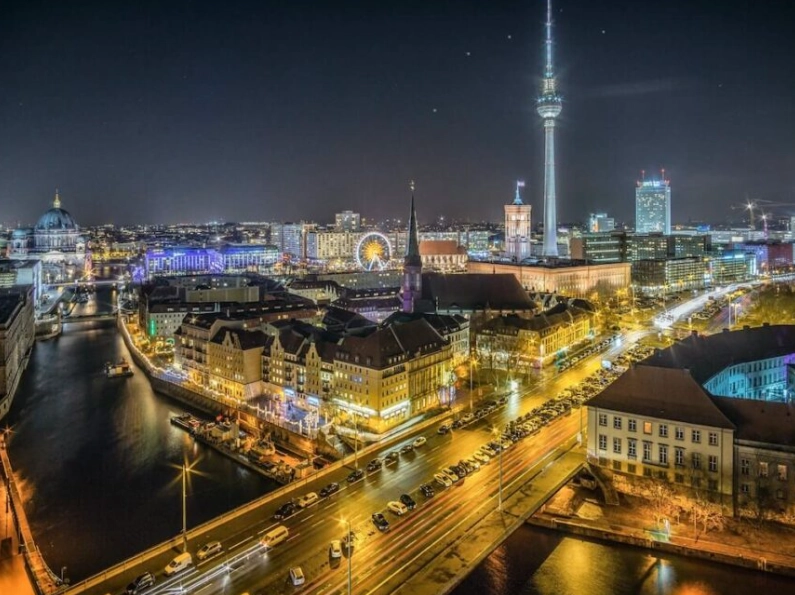
Your Berlin Nightlife Questions Answered
I hate the cold. Is Berlin nightlife in December still worth it?
If your primary goal is clubbing, December is challenging. The clubs are still great, but the journey between your accommodation and the venue in freezing weather can kill the mood. The Christmas markets offer a fantastic, warm (with Glühwein) alternative for socializing in the evenings. For a pure club trip, I'd choose November or February over December.
Are Berlin clubs really as strict with door policy as people say, and does time of year affect it?
The top-tier clubs are strict, and yes, it's worse in summer. They're filtering thousands of tourists. In winter, with a more dedicated crowd, the door can feel slightly more relaxed, but the standards are still there. The key isn't dressing "cool" but dressing appropriately for a long, sweaty night of dancing—think functional, not fashionable. Avoid large, loud groups at all costs.
What's a common mistake first-time visitors make when planning a nightlife trip to Berlin?
Underestimating the stamina required and over-scheduling. People land, try to go out three nights in a row, and are burned out by day three. Berlin nightlife is a marathon, not a sprint. Plan for one big, long night out, maybe a second, and leave recovery time. Also, assuming everything starts at 10 PM. Many Berliners don't head to a proper club until 1 or 2 AM. Pace yourself.
Is it safe to walk around at night after clubbing?
Generally, yes, especially in central districts and around club areas which are used to people wandering at all hours. As in any big city, stay aware of your surroundings. The bigger practical issue is transport: the U-Bahn and S-Bahn run all night on weekends, but on weeknights they stop around 1 AM and start again after 4:30 AM. Night buses (marked with an 'N') fill the gap, and ride-shares are widely available. Always have a transport plan.