Ask ten people about classic German beer, and you'll likely hear "Oktoberfest lager!" nine times. That's the first misconception to clear up. A true German classic isn't just one beer; it's a tapestry of regional styles, each bound by a 500-year-old purity law and a deep sense of place. It's the crisp, golden Pilsner from the north, the hazy, banana-scented Hefeweizen from Bavaria, and the malty, copper-colored Altbier from Düsseldorf. The classic German beer is defined by the Reinheitsgebot (Beer Purity Law), tradition, and a specific taste of a specific place.
Your Quick Guide to German Beer Classics
What Defines a Classic German Beer?
Forget marketing hype. In Germany, a beer earns its "classic" status through a few non-negotiable pillars. The most famous is the Reinheitsgebot. Established in 1516 in Bavaria, it originally decreed that beer could only be made from water, barley, and hops (yeast's role was understood later). While modern EU regulations have tweaked it, most traditional breweries still proudly adhere to this principle. It's not just a rule; it's a philosophy that forces brewers to excel with simple, high-quality ingredients.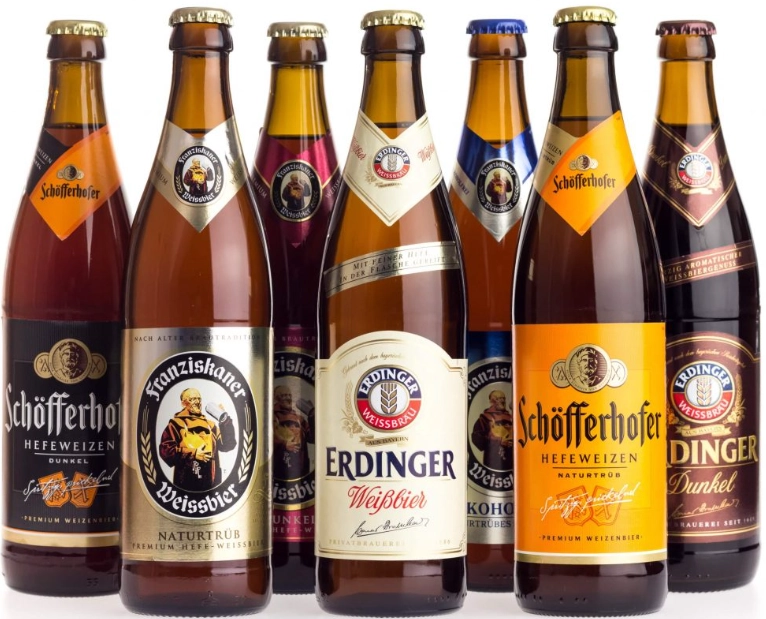
The second pillar is regional identity. Germany isn't a monolith. The water chemistry, local hops, and centuries-old customs vary wildly. A Kölsch is legally protected to be brewed only in Cologne. A beer from Munich has a different mineral profile than one from Hamburg. This terroir matters.
Finally, there's cultural integration. A classic German beer isn't just drunk; it's part of daily life. It's the 5 PM Feierabendbier (after-work beer), the centerpiece of village festivals, and the subject of friendly rivalry between towns. If a beer style has woven itself into these social rituals for generations, it's a classic.
A Common Mistake: Many newcomers equate "German beer" with "dark, heavy beer." That's a huge oversimplification. While there are superb dark beers like Dunkel or Schwarzbier, the majority of classic German beers, from Pilsner to Helles, are actually pale to golden in color and often remarkably drinkable and balanced, not heavy.
Top 5 Classic German Beer Styles You Must Try
Let's move beyond vague labels. Here are the five foundational styles that form the core of German brewing. Think of this as your essential tasting menu.
1. German Pilsner (Pils)
The king of German beer by volume. Originating in the Czech town of Pilsen but perfected in Germany, this is the benchmark for crisp, clean lagers. It's straw to pale gold, with a pronounced, spicy, floral hop bitterness from noble German hops like Hallertau or Tettnang. The finish is dry and snappy. It’s refreshing, not bland.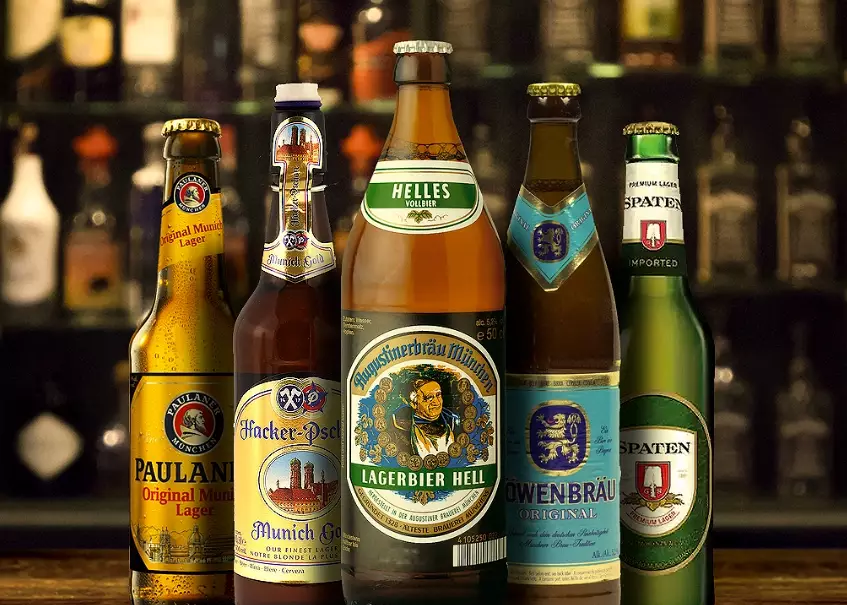
Iconic Brands to Look For: Bitburger ("Bitte ein Bit!"), Krombacher Pils, Warsteiner, Jever (extra bitter).
Personal Note: I find Jever from Friesland is a love-it-or-hate-it beer. Its intense, almost grassy bitterness can be a shock if you're used to international pale lagers, but it's a true north German classic.
2. Hefeweizen (Weißbier)
Bavaria's gift to the beer world. This unfiltered wheat beer is instantly recognizable by its cloudy, pale appearance and tall, fluffy white head. The yeast strain is the star, producing signature aromas and flavors of banana, clove, and sometimes bubblegum or vanilla. It's highly carbonated, light-bodied, and often has a tart, refreshing finish.
Iconic Brands to Look For: Weihenstephaner Hefeweissbier (from the world's oldest brewery), Paulaner Hefe-Weißbier, Schneider Weisse.
Pro Tip: Pour it aggressively! Swirl the last third of the bottle to rouse the yeast sediment and pour it all in. The yeast adds essential flavor and nutrients. Serve in a tall, vase-like Weizen glass.
3. Helles
Literally meaning "pale" or "bright," this is the everyday beer of Munich. It's what you're most likely drinking at Oktoberfest in the festival tents (though the Oktoberfestbier itself is a slightly stronger variant). Compared to a Pilsner, a Helles is maltier, smoother, and less bitter. It's a masterclass in balance—a gentle sweetness from Munich malt perfectly harmonized with a subtle hop presence. It's incredibly sessionable.
Iconic Brands to Look For: Augustiner Bräu Helles (many Munich locals' favorite), Hofbräu Original, Tegernseer Hell.
Where to Drink It: The ultimate experience is at the Augustiner Keller in Munich (Arnulfstraße 52, open daily from 10 AM). Sit in the chestnut-shaded beer garden.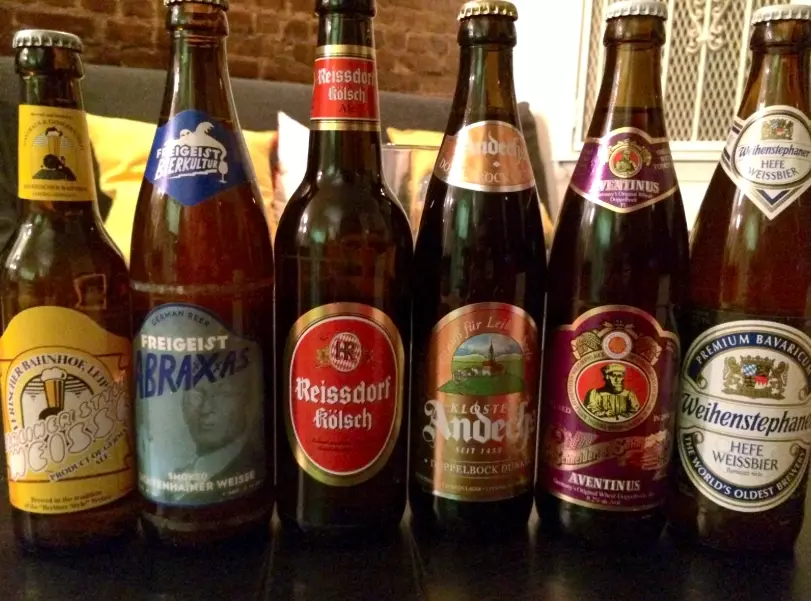
4. Kölsch
This is Cologne's (Köln) protected regional specialty. It's a hybrid ale—top-fermented like an ale but then conditioned at cold temperatures like a lager. The result is a pale, clear, and brilliantly refreshing beer with a delicate fruitiness and a clean, crisp finish. It's served in a tall, slender 0.2-liter glass called a Stange ("stick") to keep it cold.
Iconic Brands to Look For: Früh Kölsch, Gaffel Kölsch, Reissdorf Kölsch.
The Ritual: In Cologne's traditional brewpubs (Brauhäuser), waiters called Köbes carry trays of Kölsch and will keep replacing your empty glass with a fresh one until you place your coaster on top of your glass.
5. Schwarzbier
Don't let the dark color fool you. This "black beer" from regions like Thuringia and Franconia is a lager, not a stout. It's surprisingly light to medium-bodied with a smooth, roasted malt character that suggests dark chocolate or coffee, but without any burnt bitterness. It's malty, drinkable, and finishes clean. It’s the perfect bridge for dark beer skeptics.
Iconic Brands to Look For: Köstritzer Schwarzbier (the most famous), Kulmbacher Mönchshof Schwarzbier.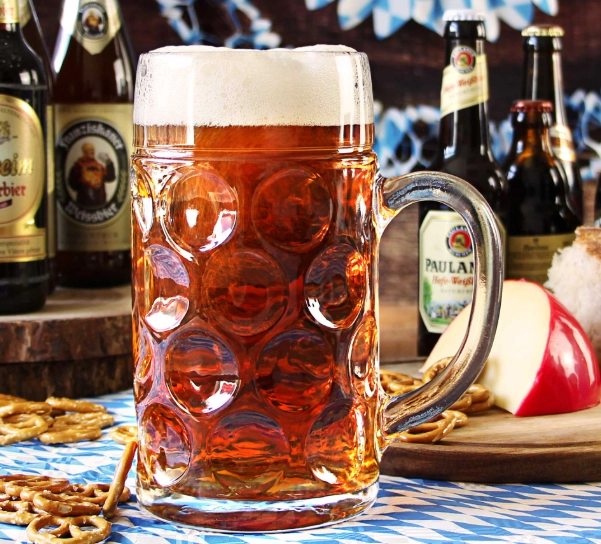
| Style | Key Flavor Profile | Region | Best Served In |
|---|---|---|---|
| Pilsner (Pils) | Crisp, hoppy, dry, floral/spicy bitterness | Nationwide (orig. North) | Tall Pilsner glass |
| Hefeweizen | Banana, clove, creamy, refreshing | Bavaria | Tall Weizen vase glass |
| Helles | Malty, smooth, balanced, slightly sweet | Bavaria (Munich) | Masskrug or sturdy beer mug |
| Kölsch | Delicate, fruity, crisp, clean | Cologne (Köln) | 0.2L Stange (slender cylinder) |
| Schwarzbier | Roasted malt, dark chocolate, smooth, clean | Thuringia, Franconia | Pilsner or tumbler glass |
Where to Experience Classic German Beer
You can buy bottles anywhere, but context is everything. Here’s where the classics come alive.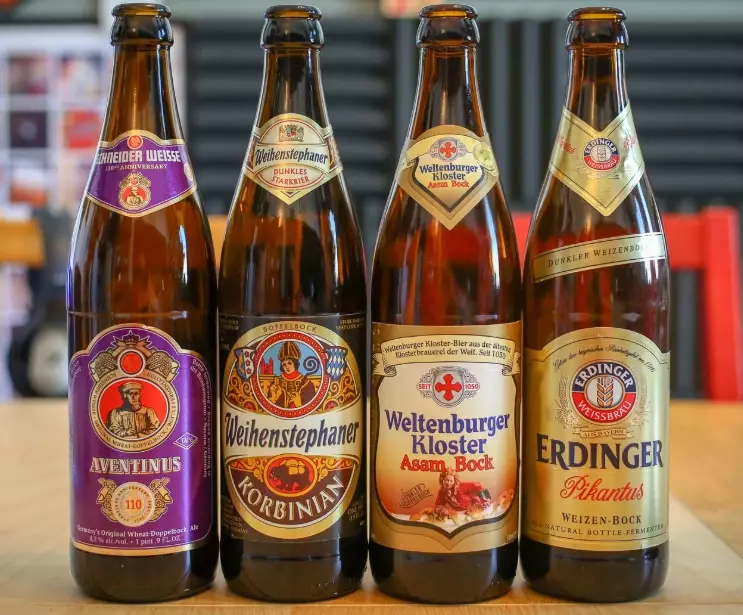
The Traditional Brewpub (Brauhaus): This is ground zero. Places like Hofbräuhaus München (Platzl 9, Munich, 9 AM–11:30 PM) are touristy but historically significant. For a more local feel in Berlin, try Brauhaus Lemke (Dircksenstraße 143, near Alexanderplatz). You'll get fresh, unpasteurized beer straight from the cellar tank.
The Beer Garden (Biergarten): A quintessential Bavarian experience. The Augustiner-Keller in Munich or the Prater Garten in Berlin (Germany's oldest, Kastanienallee 7-9). Bring friends, buy a mass (liter mug), and enjoy the communal atmosphere. You can often bring your own food.
Beer Festivals: Beyond Oktoberfest, every region has its own. Starkbierzeit (Strong Beer Season) in Munich (March) features potent doppelbocks. Cannstatter Volksfest in Stuttgart is a massive second Oktoberfest. Berlin Beer Week showcases the modern craft scene alongside classics.
Watch Out: In major tourist spots, you might find "export" versions of classic beers. They're often brewed under license abroad or adjusted for international palates (sometimes less hoppy). For the authentic taste, insist on beer imported from Germany or, better yet, drink it on location.
How to Choose and Taste Classic German Beer Like a Pro?
Standing before a fridge full of German bottles can be paralyzing. Don't just grab the one with the coolest crest.
Start with Style, Not Brand: Decide what you're in the mood for. Something light and refreshing? Go Helles or Pils. Something aromatic and unique? Hefeweizen. A dark beer that won't fill you up? Schwarzbier.
Read the Label: Look for "Gebraut nach dem Deutschen Reinheitsgebot von 1516" (Brewed according to the German Purity Law). Check the brewery location—is it from the style's heartland? A Kölsch from Cologne is the real deal.
The Tasting Ritual:
- Glassware: Use the right glass. It's not snobbery; the shape affects aroma and head retention.
- Look: Note the color, clarity, and the quality of the foam. A Hefeweizen should be hazy; a Pils should be brilliantly clear.
- Smell: Get your nose in there. What do you smell? Hops (floral, spicy), malt (bread, toast, caramel), or yeast (banana, clove)?
- Taste: Take a sip. Let it coat your tongue. Identify the balance between malt sweetness and hop bitterness. Notice the aftertaste—is it clean and quick, or does it linger?
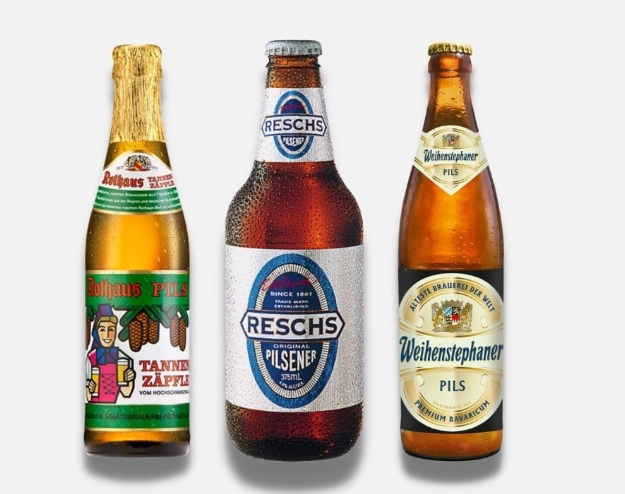
My first "aha" moment with German beer was realizing temperature matters. Germans serve their lagers cooler (around 40-45°F / 5-7°C) than, say, British ales, which accentuates their crispness. A Hefeweizen can be a bit warmer to release its aromas. Don't drink them ice-cold—you'll kill the flavor.