Let's get one thing straight. When you think of Munich beer, you probably picture a massive Oktoberfest tent and a giant Maß of something golden. That's part of the story, but it's like judging a symphony by its loudest note. Munich's beer culture is a deep, centuries-old tradition built on specific breweries, strict rules, and social rituals. I've spent years navigating this scene, from the tourist-packed halls to the neighborhood beer gardens where locals actually go. The biggest mistake visitors make is treating all Munich beer brands as interchangeable. They're not. Each brewery has a distinct personality, history, and flavor profile that tells a different part of the city's story.
Your Quick Guide to Munich's Beer Scene
The Big Six: Munich's Founding Breweries
These are the pillars. The breweries that have defined the Reinheitsgebot (German Beer Purity Law) style for Munich. Most have been around for hundreds of years. Here’s the breakdown, not just of what they brew, but of their vibe.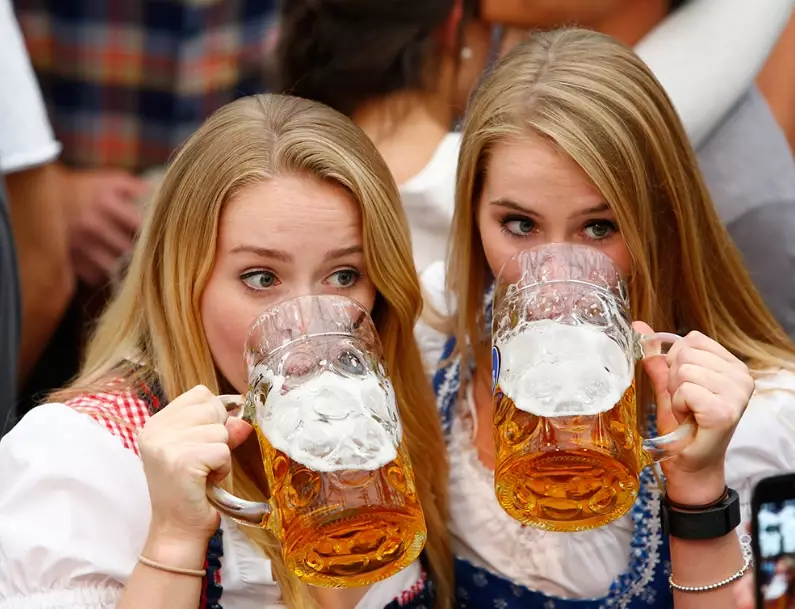
| Brewery (Founded) | Signature Beer & Style | The Vibe & Key Info | Best Place to Try It First |
|---|---|---|---|
| Augustiner-Bräu (1328) | Augustiner Helles - A crisp, balanced, malty lager. | The local's darling. Still family-owned, known for using traditional wooden barrels. It's often considered the purest, most refreshing taste of Munich. No flashy marketing, all about the beer. | Augustiner Keller (Arnulfstraße 52). A massive, classic beer garden under chestnut trees. Less touristy, more authentic. Open daily from 10:00 AM. |
| Hofbräu (1589) | Hofbräu Original - A stronger, slightly bitterer lager. | The global ambassador. State-owned, the official supplier to the Oktoberfest. It's bold, ubiquitous, and what most foreigners imagine. The flagship hall is a must-see, but can feel like a theme park. | Hofbräuhaus (Platzl 9). The world's most famous beer hall. Go once for the history and oompah band, but expect crowds. Opens 9:00 AM to midnight. |
| Löwenbräu (1383) | Löwenbräu Original - A full-bodied, slightly sweet lager. | The lion of Munich. Historically huge, now part of a large group. Its iconic lion statue guards the gates at Oktoberfest. The taste is reliable and hearty. | Löwenbräukeller (Nymphenburger Str. 2). A grand, less chaotic alternative to the Hofbräuhaus with beautiful frescoed halls. Open from 10:00 AM. |
| Paulaner (1634) | Paulaner Original Münchner Hell - A smooth, well-rounded lager. | The modern classic. Famous for its Weissbier (wheat beer) and its massive Oktoberfest tent. The helles is exceptionally smooth and approachable, a crowd-pleaser. | Paulaner am Nockherberg (Hochstraße 77). Their brewery tavern with a great beer garden. Also, try their Salvator doppelbock during Starkbier season (strong beer season in Lent). |
| Hacker-Pschorr (1417) | Hacker-Pschorr Münchner Hell - A bright, hoppy, and aromatic lager. | The renaissance brand. Merged from two historic breweries, now under the Paulaner umbrella but marketed as more premium. Their beer is often a bit fruitier and more complex. | Their Oktoberfest tent (“Himmel der Bayern”) is stunning. In the city, find it on tap at the Hofbräukeller am Wiener Platz. |
| Spaten (1397) | Spaten Münchner Hell - A clean, dry, and crisp lager. | The innovator's legacy | Part of the same group as Löwenbräu. Spaten's founder pioneered bottom-fermentation. The taste is clean and direct, less malty than others. |
A personal note: Augustiner from a Holzfass (wooden cask) at the Augustiner Keller is my benchmark for a perfect Munich lager. The wooden barrel imparts a subtle softness you don't get from steel tanks. Hofbräu gets a bad rap for being touristy, but their Hofbräu Dunkel (dark lager) is a deeply flavorful, underrated choice, especially in winter.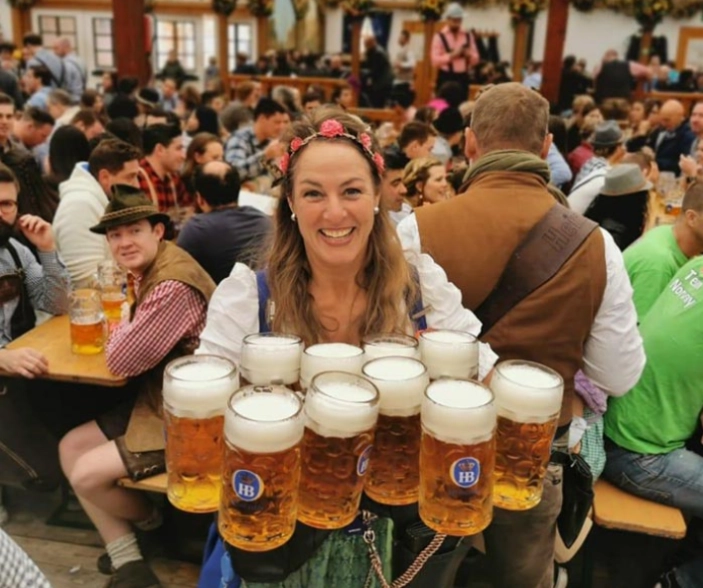
Where to Drink: Beer Gardens, Halls & Taprooms
The brewery is only half the equation. The venue defines the experience. Munich's beer gardens (Biergärten) are a social institution. By law, if a garden has trees, you can bring your own food—a fantastic budget tip. Beer halls (Bierhallen) are for year-round, raucous communal drinking. Taprooms are the new frontier.
Classic Beer Gardens You Shouldn't Miss
Augustiner-Keller (Arnulfstraße 52): Already mentioned, but it's the gold standard. Go for the shaded gravel area, not the main restaurant. Arrive by 5 PM to get a table under the trees in summer.
Chinesischer Turm (Englischer Garten): The beer garden by the Chinese Tower in the English Garden is a spectacle. It's huge, family-friendly, and you're drinking in the middle of a massive city park. Serves Hofbräu. Gets packed on weekends.
Hirschgarten (Hirschgarten 1): Claiming to be the largest in Europe, with space for 8,000. It's further out (near Nymphenburg Palace), feels more local, and serves Augustiner. Perfect for a long, lazy afternoon.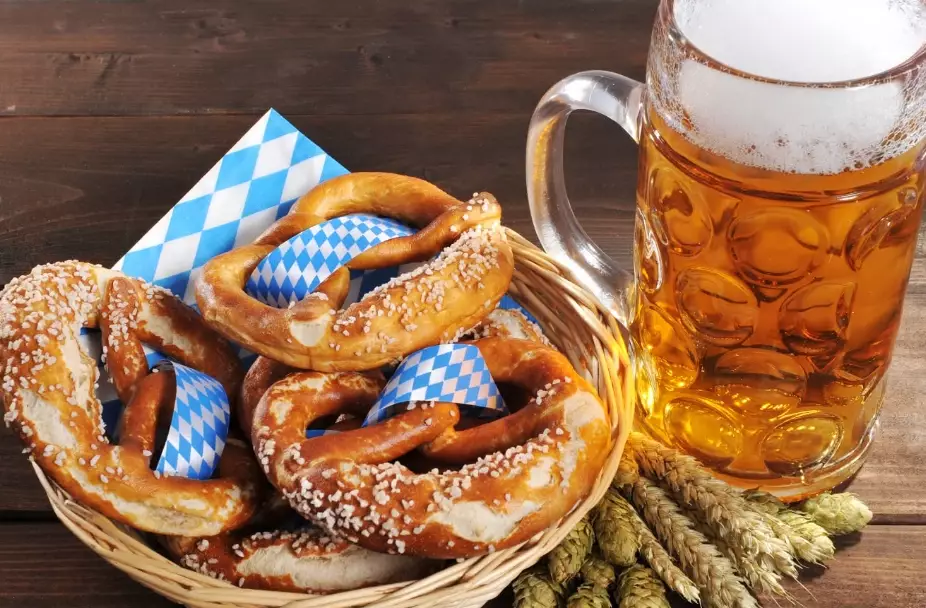
The Beer Hall Experience
Hofbräuhaus: Do it once. Go early (11 AM) to snag a table in the main hall on the ground floor. The atmosphere is the product. The food is decent, the beer is solid.
Augustiner Bräustuben (Landsberger Str. 19): Attached to the brewery's logistics center, this hall is a hidden gem. It's where brewery workers and in-the-know locals go. The food is hearty and excellent value.
Pro Tip: In a beer garden, look for the sign that says "Biergarten – Eigene Brotzeit erlaubt". This means you can bring your own food. Grab some Obatzda (cheese spread) and pretzels from a nearby market and save a fortune.
How to Pick Your Munich Beer
Don't just order "a beer." Here’s a simple decoder for the menu, based on what you usually like.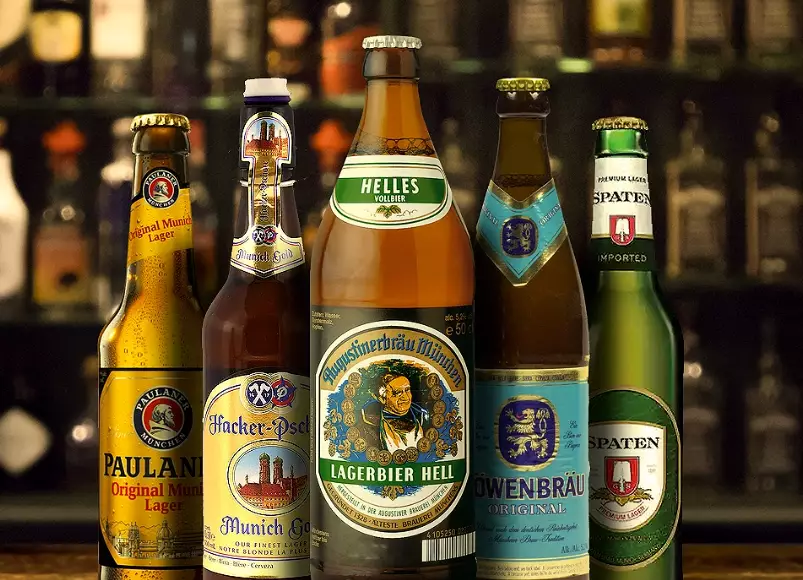
If you like light, easy-drinking lagers (like a pilsner): Go for a Helles. It's Munich's flagship style. Augustiner Helles is the classic choice. Paulaner Hell is the smoothest. Hacker-Pschorr is the most aromatic.
If you prefer darker, toastier beers (like a brown ale): Order a Dunkel (dark lager). It's malty, often with notes of chocolate and bread crust, but still clean and drinkable. Hofbräu Dunkel or Augustiner Dunkel are superb.
If you enjoy wheaty, fruity, cloudy beers: You want a Weißbier (Hefeweizen). Paulaner and Weihenstephaner (from Freising, just outside Munich) are kings here. It's served in a tall, vase-like glass.
For a strong, malty kick (in season): Try a Bock or Doppelbock. These are seasonal specialties, stronger and richer. Paulaner Salvator (Lent) and Augustiner Maximator (winter) are legendary.
At Oktoberfest, they only serve a special, slightly stronger, golden lager called Festbier or Wiesnbier. Don't call it Märzen at the fest—that's an older, darker style they don't use anymore.
Beyond the Big Names: Modern Craft Beer
Yes, Munich has a craft beer scene pushing against the Reinheitsgebot tradition. It's small but passionate. These spots offer IPAs, stouts, and sours you won't find elsewhere.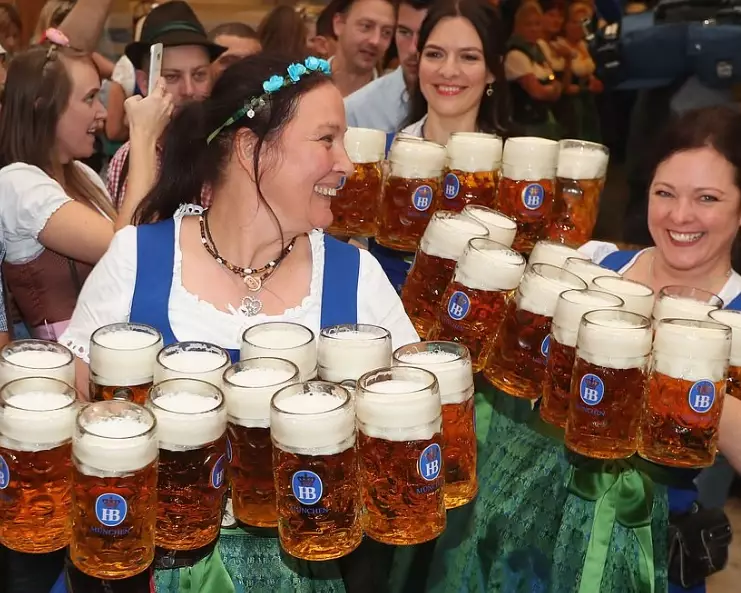
TapHouse Munich (Herzog-Heinrich-Straße 38): Over 30 taps, mixing German classics with innovative German and international craft beers. The staff knows their stuff.
Bierothek (multiple locations): Primarily a bottle shop, but some locations have taps for tasting. This is where you go to explore the breadth of German and global brewing.
Giesinger Bräu: A modern Munich brewery that started as a homebrew club. They make excellent interpretations of traditional styles alongside more experimental beers. Find their cans in better bottle shops or at their brewpub.
The craft scene is where you'll find the most debate among local beer enthusiasts. Purists scoff, but innovators see it as necessary evolution. I find myself somewhere in between—nothing beats a perfect Helles, but a well-made Munich IPA can be a refreshing change.
Your Munich Beer Itinerary: A Day Plan
Let's make this concrete. Here’s how to structure a perfect beer-focused day in Munich, avoiding tourist traps and experiencing the layers of the culture.
Morning (10:30 AM): Start at the Staatliches Hofbräuhaus tour (Reservations recommended). It's cheesy but gives you the historical foundation. You'll see the modern brewing kit and the old cellars.
Lunch (12:30 PM): Walk to Augustiner Bräustuben. Have a Schweinshaxe (pork knuckle) or a simple Weißwurst (white sausage—a morning tradition, but they serve it all day) with a Maß of Augustiner Helles.
Afternoon (3:00 PM): Take the tram to the Englischer Garten. Walk to the Chinesischer Turm beer garden. Have a Hofbräu Radler (beer with lemon soda) if the sun's out. Soak in the atmosphere.
Evening (7:00 PM): Head to TapHouse Munich. Sample a flight of German craft beers. Compare a traditional Helles from a small Franconian brewery to a Munich-made New England IPA. Have a conversation with the bartender.
Late (9:30 PM): For a nightcap, dive into the Hofbräuhaus main hall. It's an entirely different, louder, more chaotic beast at night. Have one Maß of Dunkel, listen to the band play "Ein Prosit," and call it a day.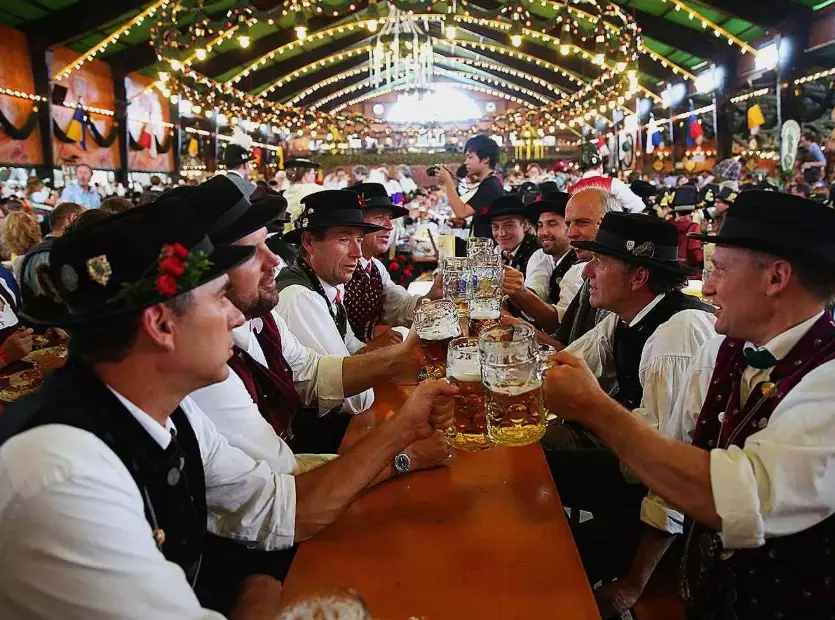
Munich Beer FAQs Answered
Which Munich beer brand is best for first-time visitors who don't usually like beer?
Start with a Paulaner Hefeweizen (wheat beer). Its banana and clove notes from the yeast are sweet and approachable, and the effervescence feels lighter than a lager. If you must have a lager, Paulaner Hell is the smoothest and least bitter of the major brands.
Is it true the beer at Oktoberfest is stronger?
Yes, but not by a huge margin. Oktoberfest beer (Festbier) is typically around 6-6.5% alcohol, compared to a standard Helles at 5-5.5%. The real danger is the serving size (one liter) and the pace of drinking. The strength creeps up on you. Eat a solid meal of roast chicken or pork before and during your session.
Can I visit the actual breweries of Augustiner or Paulaner?
Most of the big six don't offer public tours of their main production facilities, which are industrial-scale operations. Augustiner, being fiercely traditional, offers no public tours at all. Your best bet is the Hofbräuhaus tour, which is more of a museum with a small viewing gallery. For a real, intimate brewery tour, look to smaller outskirts breweries like Giesinger or take a short train to Weihenstephan in Freising (the world's oldest brewery).
What's the biggest mistake tourists make when ordering beer in Munich?
Asking for a "small beer" in a beer garden or hall. The standard serving is a one-liter Maß (pronounced "mass") or a half-liter Halbe. Asking for a 0.3L glass might get you a puzzled look. Also, don't wave frantically for service. Waitstaff have assigned sections. Make eye contact, raise a finger, and say "Bitte!" (Please!). Tipping is done by rounding up or adding ~5-10%—just say the total you want to pay when handing over cash.
Are there any beer-related museums or attractions beyond drinking?
Absolutely. The Bier- und Oktoberfestmuseum (Beer and Oktoberfest Museum) in a 14th-century house is charming and informative. For a deep dive into the science and global history, the Deutsches Museum has an excellent brewing technology exhibit. The most authentic attraction, however, is simply spending an afternoon in a beer garden observing the social ritual. Watch how families, friends, and strangers share tables—that's the real living museum of Munich beer culture.