You've heard the term "Big 6 Bavaria Brauhaus" tossed around by seasoned travelers and beer enthusiasts. It sounds important, maybe even essential for a trip to Munich. But what does it actually mean? It's not an official club, but a local shorthand for the six most iconic, historic, and downright essential traditional beer halls in Munich, each deeply tied to a major Bavarian brewery. These are the places where Bavarian Gemütlichkeit (coziness) meets centuries of brewing tradition, massive pretzels, and the hearty clink of one-liter Maß steins.
Forget just ticking them off a list. Visiting these halls is about understanding Bavarian culture through its most famous social lubricant. I've spent more evenings than I can count in these halls, from rowdy Oktoberfest-season nights to quiet Tuesday afternoons. The mistake most first-timers make? Treating them all the same. Each has a distinct personality, crowd, and secret charm. Let's break down exactly what the Big 6 are, how to tackle them, and how to avoid feeling like a overwhelmed tourist in a sea of lederhosen.
What's Inside: Your Quick Guide
Defining the Big 6: More Than Just Beer
So, who makes the cut? The "Big 6" traditionally refers to the beer halls of Munich's six major breweries that have dominated the city's—and the world's—conception of Bavarian beer for generations. They are: Augustiner, Hacker-Pschorr, Hofbräu, Löwenbräu, Paulaner, and Spaten. Each hall is the flagship taproom for its respective brewery, often located near the original brewery site or in a historically significant building.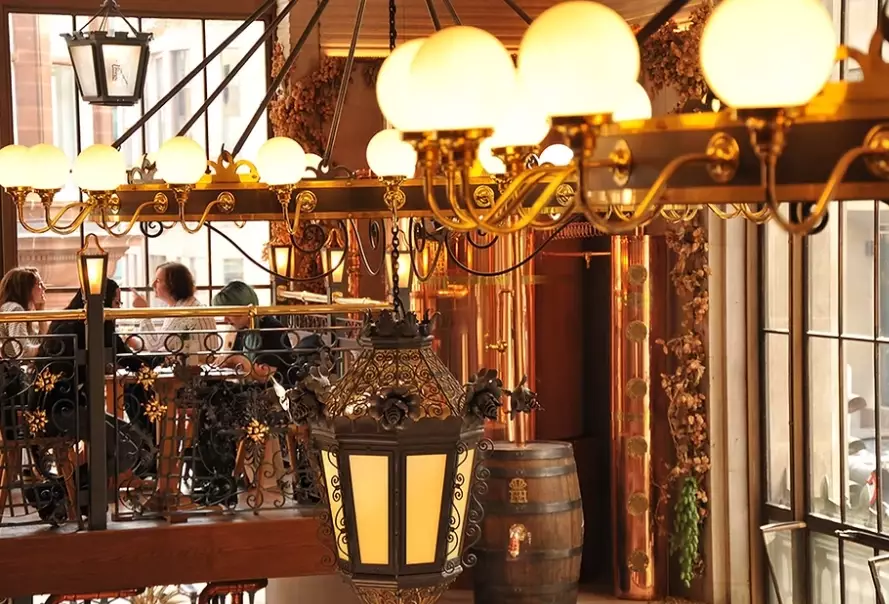
This isn't just about drinking. It's about the experience. These halls are living museums of social history. They're where Munich's citizens have celebrated, debated, and commiserated for hundreds of years. The food is unapologetically hearty (think roast pork, dumplings, cabbage), the beer is served in traditional vessels, and the atmosphere ranges from raucous communal singing to the quiet hum of a business lunch.
Local's Insight: Don't get hung up on finding a "definitive" ranked list of the six halls. The "Big 6" is about the breweries they represent. The specific hall for each brewery can sometimes be a point of friendly debate (e.g., Augustiner has several famous locations). The list below focuses on their most iconic and accessible public beer halls in central Munich.
The Big 6 Bavaria Brauhaus at a Glance
This table gives you the hard facts to start planning. Address, what they're famous for, and the vibe. Use this to match a hall to your mood.
| Brauhaus Name (Brewery) | Address & Nearest Station | Signature Vibe & Must-Try | Typical Cost for a Meal & Beer |
|---|---|---|---|
| Hofbräuhaus | Platzl 9, 80331 München. S/U-Bahn: Marienplatz. | The world-famous, tourist-heavy epicenter. Oompah band, sprawling halls. Try the Hofbräu Original (helles) and Schweinshaxe. | €25-€35 |
| Augustiner Bräustuben | Landsberger Str. 19, 80339 München. S-Bahn: Hackerbrücke. | Locals' favorite. Less polished, more authentic. Wood-paneled charm. Augustiner Edelstoff from wooden barrels and Schweinebraten. | €20-€30 |
| Löwenbräukeller | Nymphenburger Str. 2, 80335 München. U-Bahn: Stiglmaierplatz. | Grand, elegant hall with a beautiful garden. Mixed crowd. Löwenbräu Original and their crispy Schweinshaxe is top-tier. | €22-€32 |
| Paulaner am Nockherberg | Hochstraße 77, 81541 München. Tram/S-Bahn: Rosenheimer Platz. | Historic brewery site with a massive beer garden. Famous for Salvator strong beer. Lively, especially in spring for Starkbierzeit. | €22-€35 |
| Hacker-Pschorr Bräuhaus | Theresienhöhe 4, 80339 München (at the Oktoberfest grounds). U-Bahn: Theresienwiese. | Modern, bright, and airy. Attached to the Oktoberfest tent. Hacker-Pschorr Münchner Hell and the Obatzda cheese spread. | €23-€33 |
| Spatenhaus an der Oper | Residenzstraße 12, 80333 München. U-Bahn: Odeonsplatz. | The "refined" one. Near the opera house, excellent upscale Bavarian cuisine. Spaten Oktoberfestbier and Tellerfleisch (boiled beef). |
A Deep Dive into Each Legendary Beer Hall
Now, let's get into the details that a table can't capture—the feel, the secrets, and the personal impressions.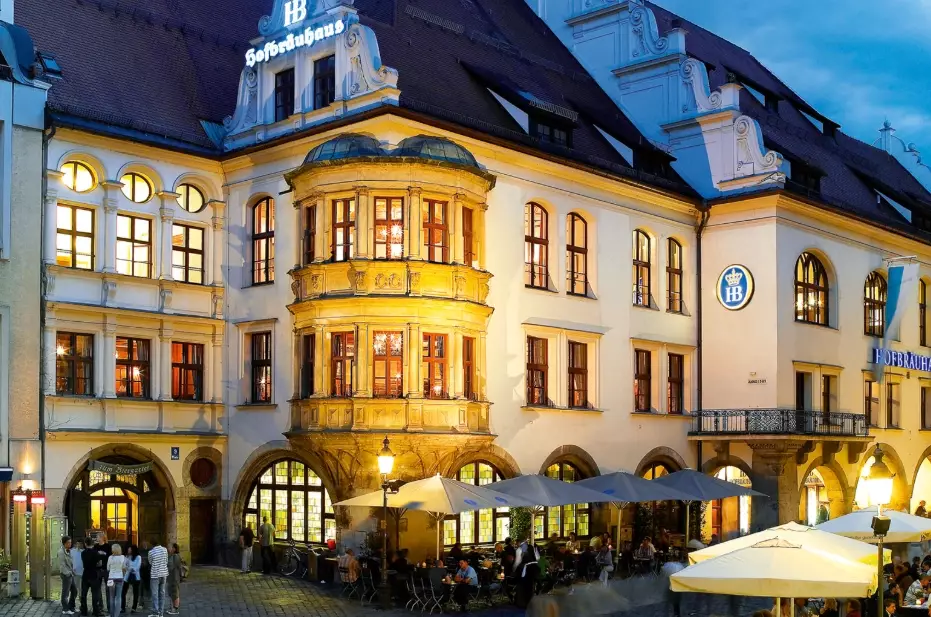
Hofbräuhaus: The Global Icon
Platzl 9. Open daily from 9 AM to 11:30 PM. You can't miss it. It's the Disneyland of beer halls, for better or worse. The pros: the history is palpable (founded 1589), the painted ceilings are stunning, and the live oompah band in the Schwemme main hall is genuinely fun. The cons: it's packed with tourists, and the service can be brusque. My tip? Go in the late afternoon on a weekday. Avoid the main hall's long tables if you want a quieter talk. Head upstairs to the restaurant for a slightly more relaxed meal. And yes, you can buy a stein, but the ones in the gift shop are not the same thick-glass ones they serve with.
Augustiner Bräustuben: The Local's Heart
Landsberger Str. 19. Open 10 AM to midnight. This is where I take friends who want the "real" Munich. It's attached to the Augustiner brewery, and the beer comes from wooden barrels (vom Holzfass), which many connoisseurs swear makes it taste creamier. The atmosphere is warm, loud with local chatter, and unpretentious. The food is straightforward and excellent. Try to get a seat in the older, wood-paneled rooms. It's a 10-minute walk from the main station, which keeps the pure tourist crowds at bay.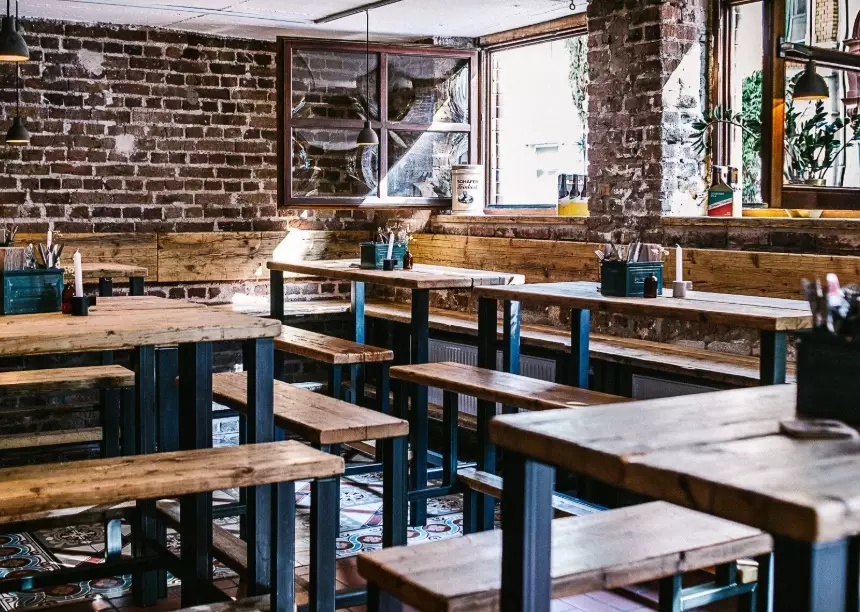
Löwenbräukeller: The Grand Dame
Nymphenburger Str. 2. Open 10 AM to midnight. This place feels regal. The entrance hall with its lion fountain sets the tone. It's spacious, often has a slightly older, well-dressed clientele, and the service is impeccable. Their beer garden out back is one of the city's largest and loveliest—a perfect summer escape. It's less of a party scene and more of a celebration scene. Perfect for a special dinner that still demands a liter of great beer.
Paulaner am Nockherberg: The Seasonal Celebrant
Hochstraße 77. Hours vary, typically 10 AM-11 PM. This is ground zero for Munich's strong beer season (Starkbierzeit) in March, when the potent Salvator doppelbock flows. The place is a sprawling complex with a huge, chestnut-tree-shaded beer garden. It feels more like a destination than a city-center stop. The crowd is a mix of neighborhood folks and beer pilgrims. If you're visiting in spring, this is non-negotiable.
Hacker-Pschorr Bräuhaus: The Modern Classic
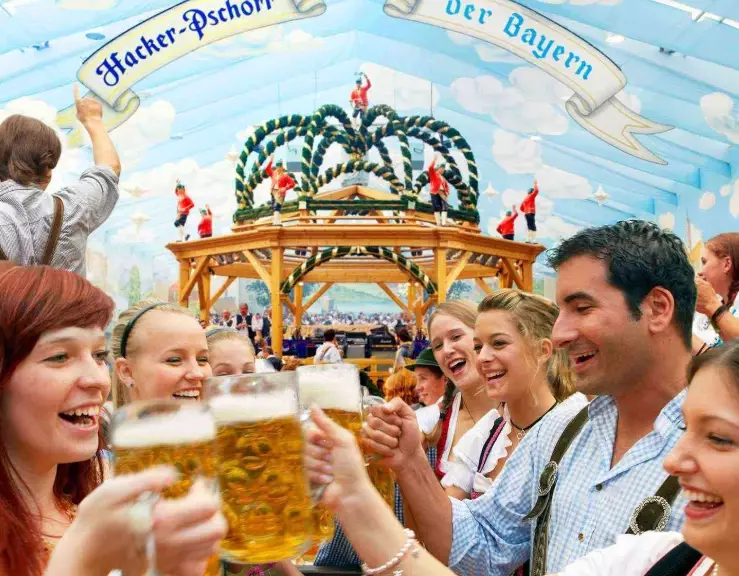
Theresienhöhe 4. Open daily 10 AM to midnight. Located right on the Oktoberfest grounds, it's a year-round taste of the Wiesn. The interior is surprisingly contemporary, with a beautiful painted sky ceiling (Himmel der Bayern). It's bright, clean, and family-friendly. The food is reliably good, and they offer a great selection of their beers. This is your best bet if you want the Oktoberfest vibe without the Oktoberfest madness.
Spatenhaus an der Oper: The Gourmet's Choice
Residenzstraße 12. Open 11 AM to midnight. Don't come here in a football jersey. This is where Bavarian cuisine meets white tablecloths. The clientele includes opera-goers and business people. The food is several notches above the standard beer hall fare—think delicate veal dishes and exquisite desserts. The beer list is extensive. It's the ideal place to convince someone that beer culture can be sophisticated.
How to Plan Your Big 6 Beer Hall Tour
Trying to hit all six in one trip? Be realistic. Two, maybe three, is a good goal unless you're on a dedicated beer pilgrimage.
Logistics: Most are open from late morning until midnight. Kitchens usually stop serving hot food around 10 PM. Reservations are highly recommended for dinner, especially for groups. For lunch, you can often walk in if you're flexible about seating. Share dishes—the portions are huge. A classic half-chicken (Halbes Hähnchen) or a pork knuckle is a meal for one, but sharing appetizers like Obatzda or a giant pretzel is part of the fun.
My Suggested Itinerary for a First-Timer: Start with a late lunch at Augustiner Bräustuben for an authentic feel. Then, take a stroll and visit the Hofbräuhaus in the late afternoon for a beer and to soak in the spectacle (but maybe eat elsewhere). For dinner, choose based on your mood: the grandeur of Löwenbräukeller or the refined taste of Spatenhaus.
Your Big 6 Brauhaus Questions Answered
Are the Big 6 Brauhaus suitable for families with young children?
Absolutely, during the day. Beer halls are family institutions in Bavaria. You'll see kids running around the beer gardens, and high chairs are common. The noise level means a fussy child isn't a big deal. Evening hours, especially on weekends, become more adult-oriented with louder crowds. Hacker-Pschorr and Löwenbräukeller, with their spacious layouts, are particularly family-friendly.
Do I need to speak German to order and get by?
Not at all. In the Big 6, especially Hofbräuhaus and Hacker-Pschorr, staff speak fluent English. Menus almost always have English translations. A few polite German phrases like "Ein Bier, bitte" (One beer, please) and "Danke" (Thank you) are appreciated, but you'll manage perfectly with English. The universal language is pointing at what you want on the menu.
What's the biggest mistake visitors make when ordering beer?
Asking for a "small beer" or assuming a Maß (one-liter) is the only option. You can almost always order a Halbe (a half-liter, or roughly a pint). This is a great way to sample more beers or pace yourself. Also, don't wave your empty stein frantically for service. Eye contact with a server and a slight nod is the local method. They'll find you.
How do I handle paying? Is it table service or do I go to the bar?
It's almost always full table service. You sit, a server assigns you to a "tab" often tracked by a beer coaster or a small card they leave on your table. You order food and drinks from them. When you're ready to leave, ask for the bill ("Die Rechnung, bitte"). Paying cash is faster and often preferred, though cards are widely accepted now. Tipping is customary—rounding up the bill by 5-10% or saying the total you want to pay (e.g., if the bill is €38, say "40" as you hand over cash) is standard.
Can I visit these halls during Oktoberfest, or are they too chaotic?
You can, but they are extensions of the festival chaos, especially those near the grounds like Hacker-Pschorr. They will be packed with people in dirndls and lederhosen, often requiring reservations weeks in advance. For a more classic beer hall experience, visit Munich outside of the two-week Oktoberfest period (late September-early October). The halls are still vibrant but more manageable.