Ask someone to name a traditional German food, and you'll likely hear "sausage" or "pretzel." But that's like saying American food is just hamburgers. German cuisine is a deep, regional tapestry woven from history, geography, and Gemütlichkeit – that unique feeling of cozy, communal warmth. It's hearty peasant food refined over centuries, varying dramatically from the fish-heavy north to the pasta-loving south. So, what truly defines it? It's food meant to sustain, to be shared, and to pair perfectly with a good beer or wine.
I remember my first "real" German meal wasn't in a fancy restaurant. It was at a wooden table in a Stuttgart beer garden, digging into a portion of Käsespätzle so large it could feed a small family. The cheese was sharp, the noodles were soft, and the fried onions on top added a crucial crunch. It felt honest and deeply satisfying. That's the heart of it.
Your Quick Guide to German Food
What Makes a Dish "Traditionally German"?
It's not just about age. A traditional German dish usually ticks a few key boxes. First, it's regional. Germany was a patchwork of kingdoms and states until 1871, so food culture developed locally. Sauerbraten is a Rhineland thing. White Asparagus (Spargel) is a spring obsession in Baden-Württemberg. Labskaus, a mashed corned beef and potato dish, is pure North Sea comfort food.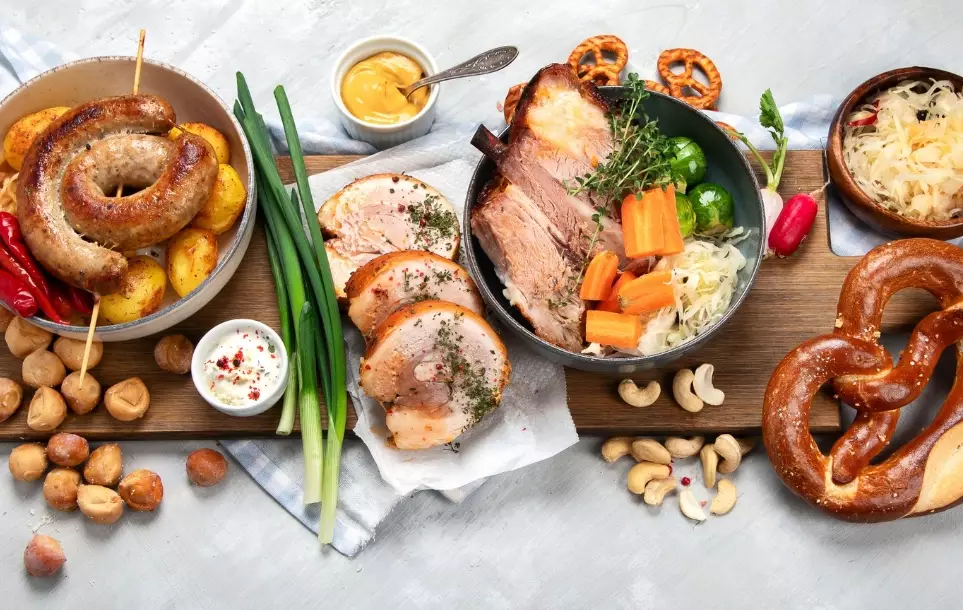
Second, it's seasonal and preservation-based. Before refrigeration, smoking, curing, pickling, and fermenting were essential. That's why you have smoked sausages, sauerkraut (fermented cabbage), and rolls of cured ham. These methods weren't just practical; they created iconic flavors.
Finally, it's about substance and simplicity. This is food born from farming and manual labor. Ingredients are few but treated with care: a good piece of meat, slow-braised; potatoes, prepared in a dozen clever ways; dough, transformed into dumplings or noodles. The magic is in the technique, not a long list of spices.
A Common Mistake: Visitors often equate "German food" with the heavy, meat-centric fare served at Oktoberfest tents. That's Bavarian party food. While delicious, it's just one chapter. For a more complete picture, you need to explore the stews of the north, the wine-influenced dishes of the southwest, and the lighter, vegetable-forward plates of the former East.
The Non-Negotiable Dishes You Have to Try
Let's move beyond the clichés. Here’s a breakdown of essential dishes, categorized to help you navigate any menu.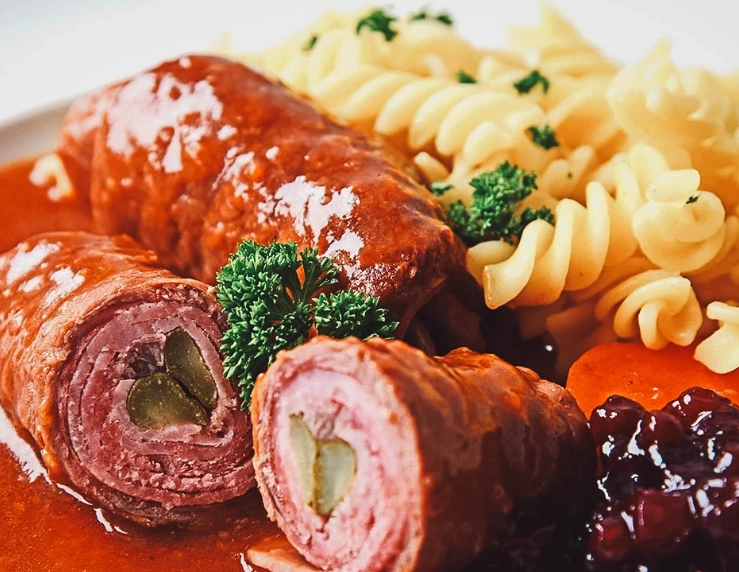
The Meat & Potato Hall of Fame
This is the core repertoire. Don't just order one; understand them.
- Wiener Schnitzel: Yes, it's Austrian by name, but utterly German by adoption. The key is thin, tenderized veal (or pork, called Schnitzel Wiener Art), breaded and fried to a golden, airy crisp. A bad schnitzel is thick, greasy, and soggy. A good one stands tall, with a crust that crackles when cut. Always served with a lemon wedge.
- Sauerbraten: The ultimate German pot roast. Marinated for days in vinegar, wine, and spices, then slow-cooked until it falls apart. The gravy is dark, rich, and slightly sweet-sour, often thickened with crushed gingerbread (Lebkuchen). It’s a Sunday family meal, usually served with red cabbage and potato dumplings.
- Rouladen: Thin slices of beef rolled around bacon, onions, pickles, and mustard, then braised. Each slice is a bundle of contrasting flavors – salty, savory, tangy, and tender. It’s a labor of love, so if you see it on a menu, it’s a good sign the kitchen takes tradition seriously.
Beyond Sausages: The Street Food & Comfort Classics
This is where you eat like a local on the go.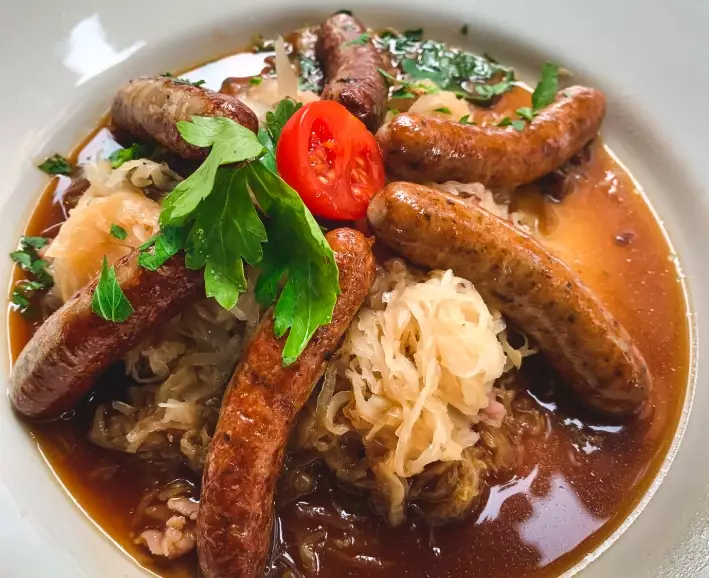
- Currywurst: Berlin's iconic contribution. It’s a steamed then fried pork sausage, sliced, and drenched in a spiced ketchup-curry sauce, topped with curry powder. The debate over who has the best is a city sport. Try it with fries (Pommes). Pro tip: In Berlin, don't ask for ketchup; the sauce is the point.
- Käsespätzle: Germany’s answer to mac and cheese, but better. Soft egg noodles (Spätzle) are layered with grated Emmentaler or similar cheese and caramelized onions, then baked. It’s vegetarian, incredibly hearty, and the ultimate comfort food, especially in Swabia.
- Brezen (Pretzel): Not just a dry snack. A proper Bavarian pretzel has a dark, glossy, salty crust and a soft, chewy interior. It’s a breakfast staple with butter (Butterbrezn) or a beer garden companion with Obatzda (a spiced cheese-butter spread).
The Supporting Cast: Sides That Steal the Show
No German main dish is an island. The Beilagen (sides) are mandatory and often the best part.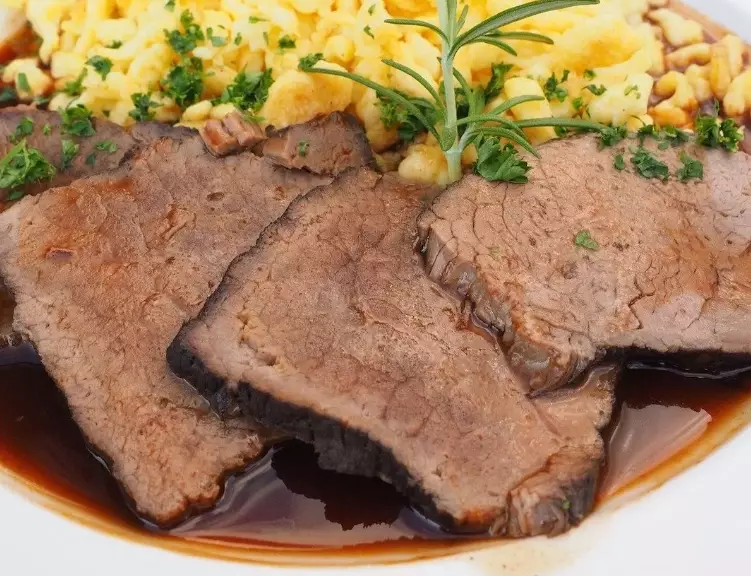
| Side Dish | Description | Best Paired With |
|---|---|---|
| Kartoffelsalat (Potato Salad) | Not the mayo-heavy US version. German styles vary: southern (Swabian) uses broth and vinegar, northern may use mayo or yogurt. Served warm or cold. | Schnitzel, sausages, anything grilled. |
| Rotkohl/Blaukraut (Red Cabbage) | Sweet and sour, braised with apples, vinegar, and spices. A vibrant, essential side for roasts. | Sauerbraten, roast goose, duck. |
| Semmelknödel (Bread Dumplings) | Fluffy dumplings made from old rolls, perfect for soaking up gravy. A staple in Bavaria and Austria. | Any roast with lots of gravy (like Schweinebraten). |
| Sauerkraut | Fermented finely cut cabbage. Should be tangy, not sour. Often cooked with juniper berries or caraway seeds. | Eisbein (pork knuckle), Kassler (smoked pork chop). |
Where to Find and Eat Traditional German Food
Forget the tourist traps with plastic banners. Here’s where the good stuff is.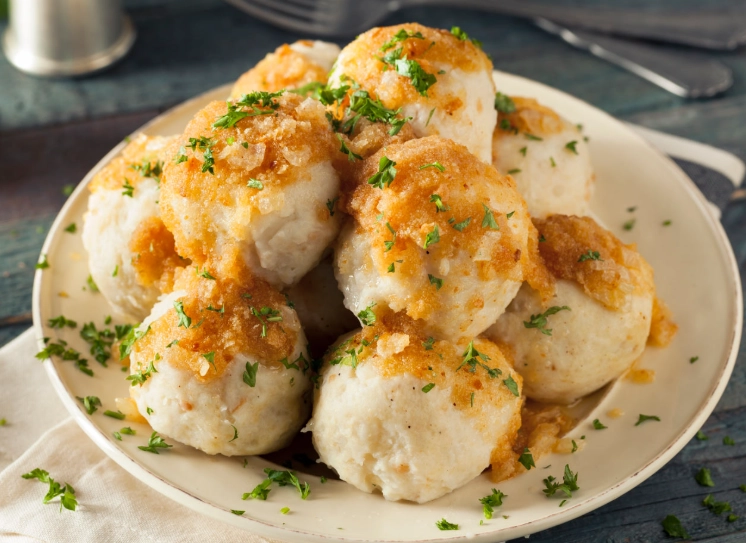
The Classic Gasthaus / Brauhaus
This is your go-to. A Gasthaus is a traditional inn, often family-run, with a cozy, wood-paneled dining room. A Brauhaus brews its own beer. The menu is regional, seasonal, and reliable. Portions are generous, service is direct, and the atmosphere is genuine.
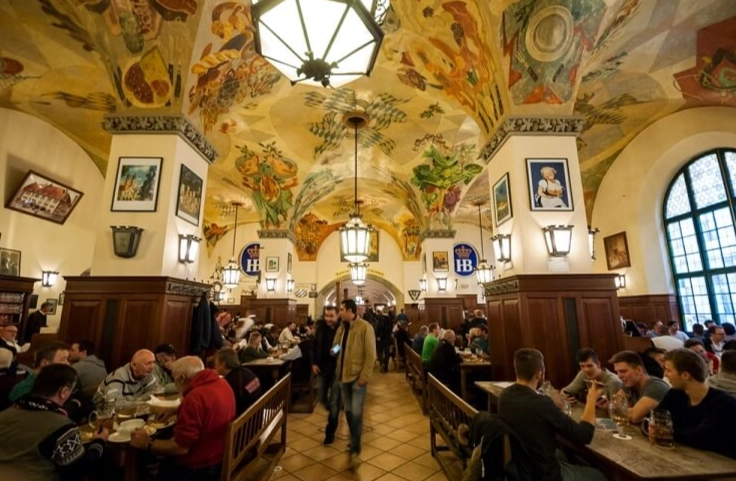
Example: Hofbräuhaus München (Munich). Yes, it's touristy, but it's also historic. For a more local experience, go for lunch on a weekday. Address: Platzl 9, 80331 München. Must-try: Schweinshaxe (if you're hungry), a mass of their helles beer, and maybe some live oompah music.
The Beer Garden (Biergarten)
An outdoor institution, especially in Bavaria. You can often bring your own food, but they also serve excellent classic fare: giant pretzels, Obatzda, Radi (white radishes), simple grilled chicken (Hendl), and of course, beer by the liter. It's communal, casual, and the best way to spend a summer evening.
Example: Augustiner-Keller (Munich). Less overwhelming than the Hofbräuhaus, with a massive, shaded garden. Address: Arnulfstraße 52, 80335 München. Go for the atmosphere and a simple meal of sausage and potato salad.
The Imbiss / Food Stand
This is for authentic, quick, and cheap eats. An Imbiss is a kiosk or small stand serving Currywurst, fries, grilled sausages, and sometimes more. It's where construction workers, students, and office workers grab lunch. Don't expect seating; you eat standing at a high table.
Example: Curry 36 (Berlin). A legendary spot for Currywurst. Expect a line. Address: Mehringdamm 36, 10961 Berlin (multiple locations). The classic order: Currywurst mit Darm (with skin) and Pommes rot-weiß (fries with ketchup and mayo).
For fine-dining takes on tradition, look for restaurants labeled as serving "moderne deutsche Küche" (modern German cuisine). They reinterpret classics with lighter techniques and artistic presentation.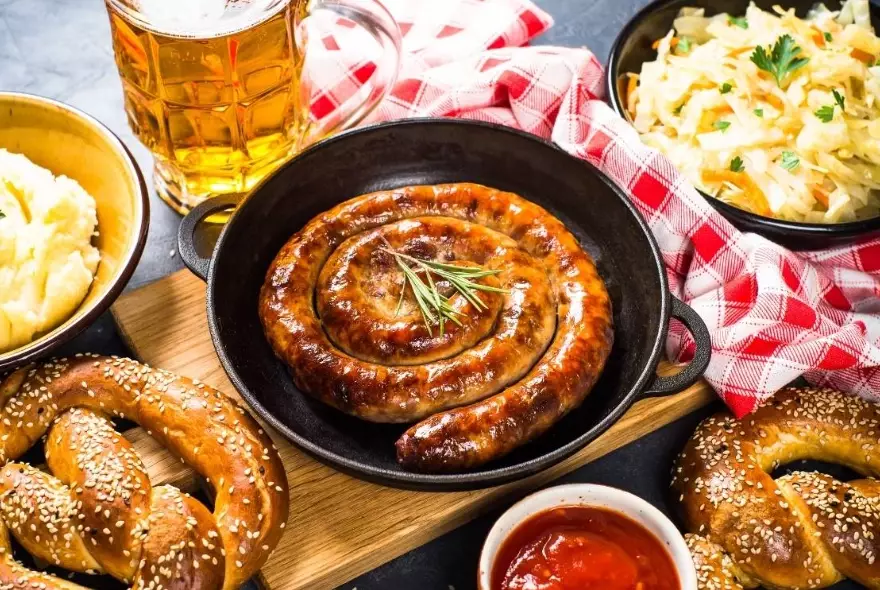
How to Eat Like a Local: Unwritten Rules & Tips
Navigating the dining culture is part of the experience.
Ordering: Meals are structured. A main dish (Hauptgericht) almost always includes its specified sides. You usually don't need to order sides separately unless you want extra. If you're with a group, sharing starters like a Brotzeit platter (bread, cold cuts, cheeses) is common.
Paying: It's common to ask for the bill ("Zahlen, bitte"). The waiter won't bring it automatically, as rushing guests is rude. Paying separately („getrennt“) is perfectly acceptable.
Drinks: Beer or sparkling water (Mineralwasser mit Kohlensäure) are standard meal companions. It's unusual to order tap water; if you do, you might get a small glass and a funny look.
The Biggest Tip: Embrace the pace. Meals are for lingering. No one will hurry you out. That's the essence of Gemütlichkeit.
Your German Food Questions, Answered
Understanding traditional German food is a journey through regions and history. It’s robust, varied, and deeply satisfying. Start with the classics, venture into the regional specialties, and most importantly, take your time to enjoy it. Guten Appetit!