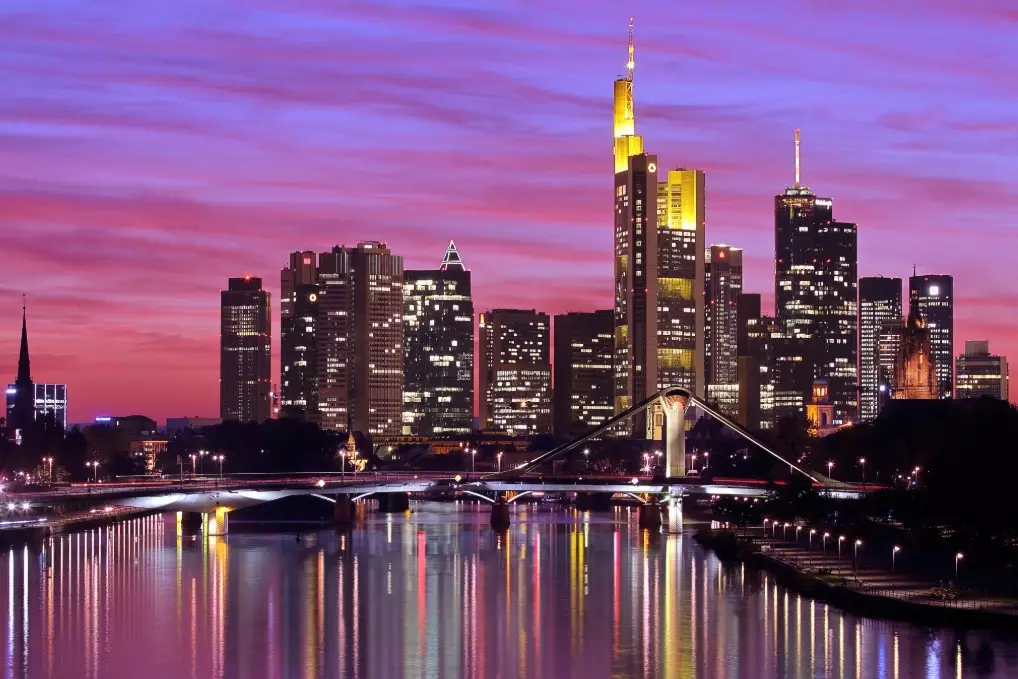
Frankfurt often gets labeled as just a banking city, a sterile hub you pass through for a flight or a business meeting. That's a mistake I made on my first visit years ago. I spent half a day near the train station and left thinking that was it. It wasn't until I lived nearby for a project that I discovered its split personality: a forest of glass towers standing guard over a beautifully reconstructed old town and lively riverside culture. Three days is the sweet spot. It's enough to see the iconic sights, dive into the local scene, and even take a quick trip out of town without feeling rushed. This itinerary is built on that experience, designed to show you both faces of Frankfurt efficiently.
Your 3-Day Frankfurt Game Plan
Day 1: Römerberg, Museums & River Views
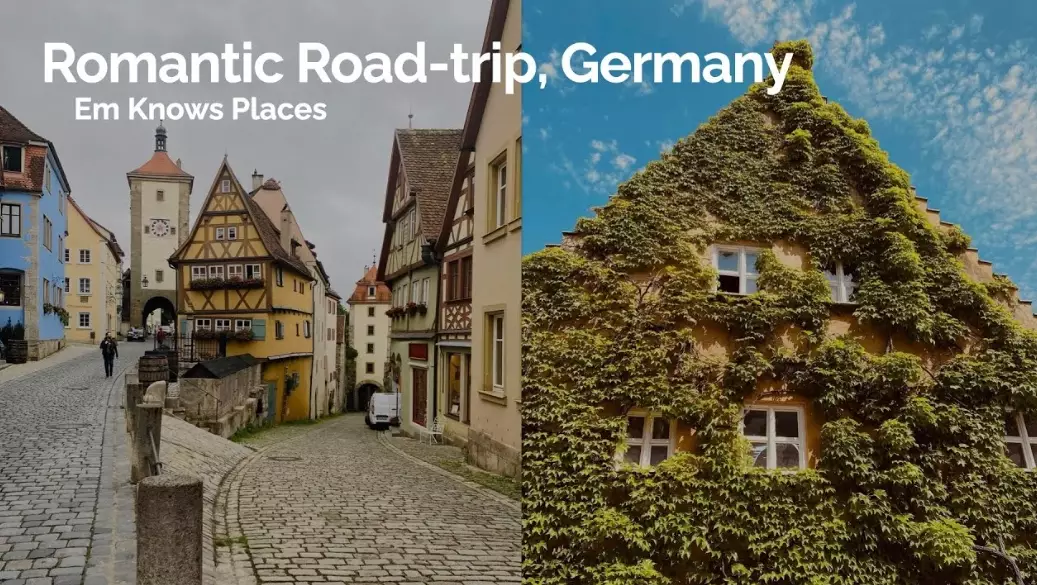
Start where Frankfurt's heart has beaten for centuries. Head straight to the Römerberg, the old market square. The postcard-perfect row of half-timbered houses (the Römer) is actually a meticulous postwar reconstruction, but the atmosphere is genuine. The fountain in the middle is the Justice Fountain. A common mistake is to just snap a photo and leave. Instead, walk through the small alley to the south to find the Alte Nikolaikirche (Old St. Nicholas Church). At 9am, 12pm, and 5pm, its carillon plays a lovely tune – a free little concert.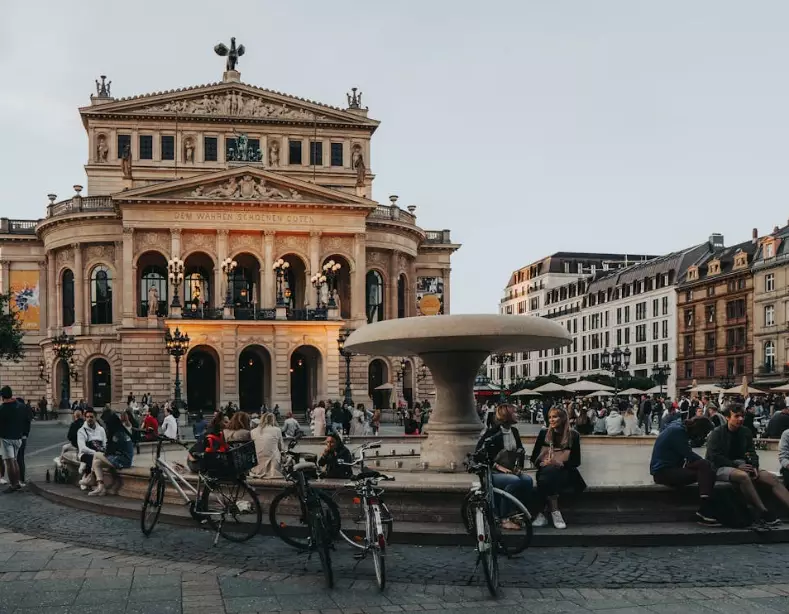
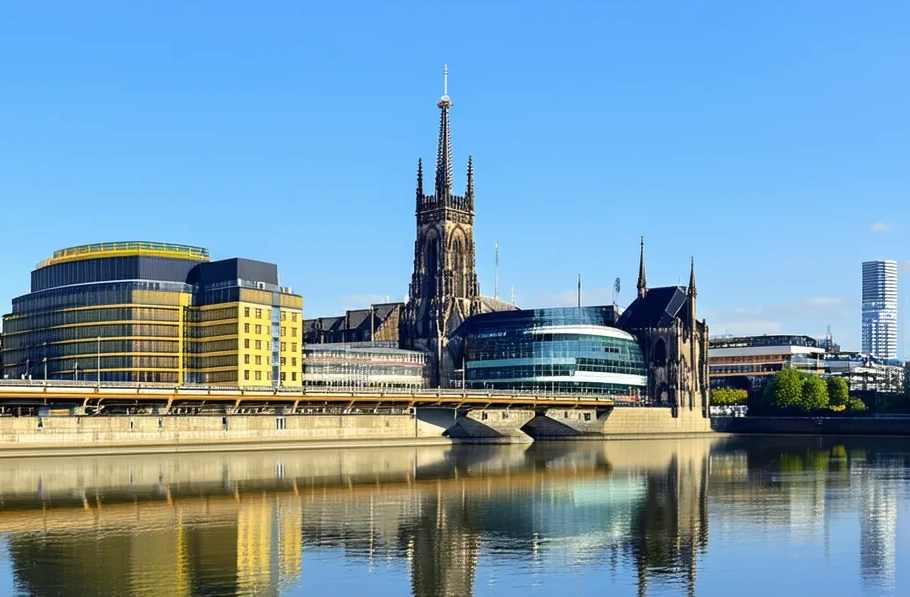
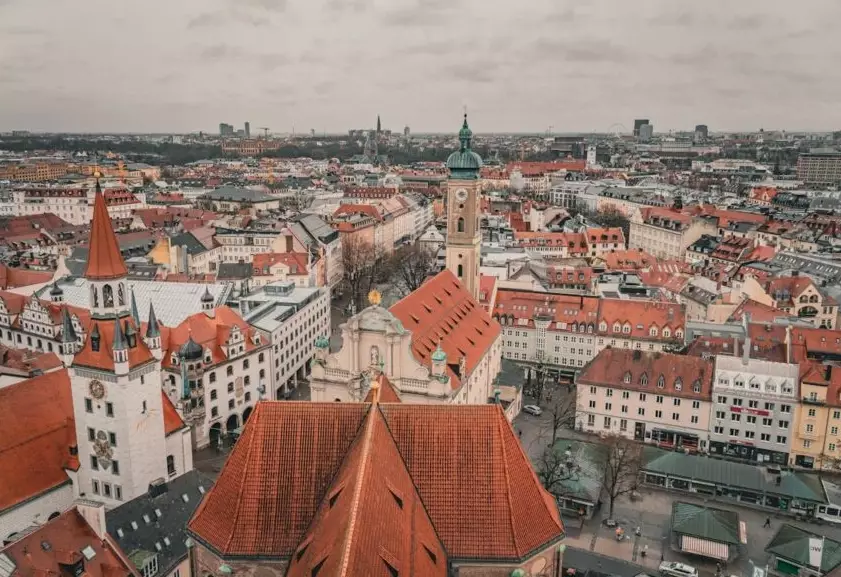
From here, it's a two-minute walk to the Kaiserdom (Frankfurt Cathedral). Don't let the name fool you; it's technically an imperial church, not a bishop's seat. For a small fee (€3), you can climb the 328 steps to the tower platform. The view over the red roofs of the old town is worth the effort, but do this early to avoid crowds and midday heat. The cathedral is open daily from 9am to 8pm.
Afterwards, stroll down to the River Main. The iron Eiserner Steg footbridge is a classic photo spot with views of the skyline. Cross it to reach the Museumsufer (Museum Embankment). You can't visit them all, so pick one based on interest. The Städel Museum (Schaumainkai 63) is world-class for European art (€16, closed Mon). The German Film Museum (Schaumainkai 41) is great for interactive exhibits (€10, closed Mon).
For lunch, avoid the tourist traps directly on the Römerberg. Walk 10 minutes north to the Kleinmarkthalle (Hasengasse 7). This covered market is where locals shop. Grab a currywurst from one of the stands, or try a Handkäs mit Musik (a sour cheese "with music" – the music comes later, if you catch my drift) if you're feeling adventurous. It's open Monday to Friday 8am-6pm, Saturday 8am-4pm.
Spend your late afternoon wandering the reconstructed New Old Town (Neue Altstadt) between the cathedral and the river. The details on the new/old houses are fascinating. For dinner, you have to try Frankfurt's signature drink: Apfelwein (apple wine). Head to the Sachsenhausen district south of the river. Apfelwein Wagner (Schweizer Str. 71) is a solid, authentic choice. It's rustic, noisy, and perfect. Order a Bembel (the traditional jug) of Apfelwein, some Grüne Soße (green sauce) with eggs and potatoes, and maybe a Rippchen mit Kraut (cured pork chop with sauerkraut). A meal will cost around €20-25 per person.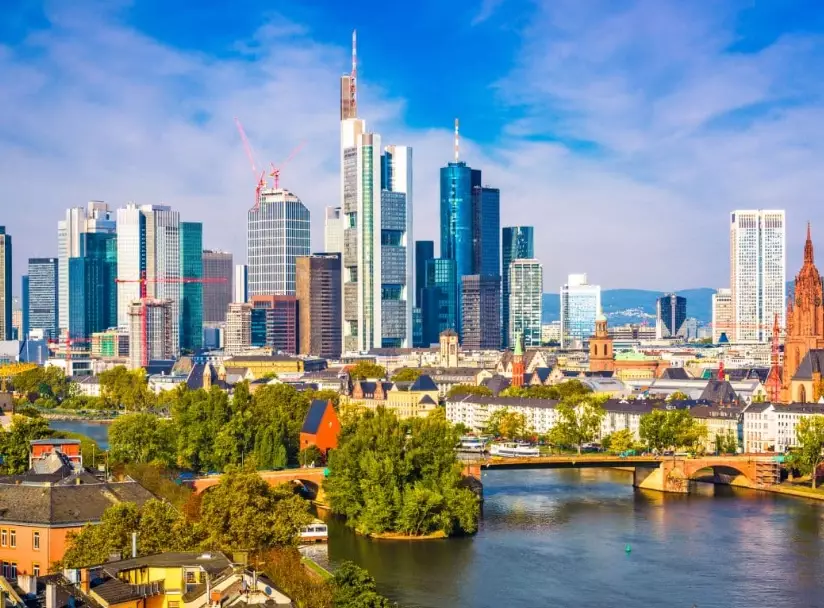
Day 2: Finance, Art & Local Neighborhoods
Today contrasts yesterday's history with Frankfurt's modern power. Start at the Hauptwache, a central plaza. The baroque guardhouse gives it its name. From here, walk down the Zeil, Frankfurt's main shopping street. Your target isn't the shops, but the MyZeil shopping mall. Go inside and look up – the insane funnel-shaped glass architecture is the real attraction.
Then, enter the Bankenviertel (Banking District). Walk down Neue Mainzer Straße towards the skyscrapers. The sheer scale is imposing. The goal is the Main Tower (Neue Mainzer Str. 52-58). This is the only skyscraper with a public viewing platform. It opens at 10am (Sun-Thu until 9pm, Fri-Sat until 11pm). Tickets are €9. Go up on a clear morning for the best light and fewer people. The 360-degree view puts the city's dual identity into stunning perspective.
For a late lunch, escape the financial crowd. Take the U-Bahn or a 20-minute walk to Berger Straße in the Bornheim district. This long street is lined with cafes, boutiques, and restaurants. It feels like a village within the city. Café Maingold (Berger Str. 6) offers great breakfast all day and light lunches in a cozy setting.
Your afternoon is for alternative culture. From Bornheim, it's easy to get to the Europaviertel near the main station to see the colossal European Central Bank building. Or, for something completely different, visit the Dialog Museum (Hanauer Landstr. 137). Here, exhibitions are in complete darkness, guided by visually impaired guides – a profound experience (€15-20, booking essential).
Dinner back in Bornheim. Try Lobster (Berger Str. 9) for excellent, fresh seafood in a casual bistro atmosphere – a nice break from hearty German fare. Mains range from €18 to €30.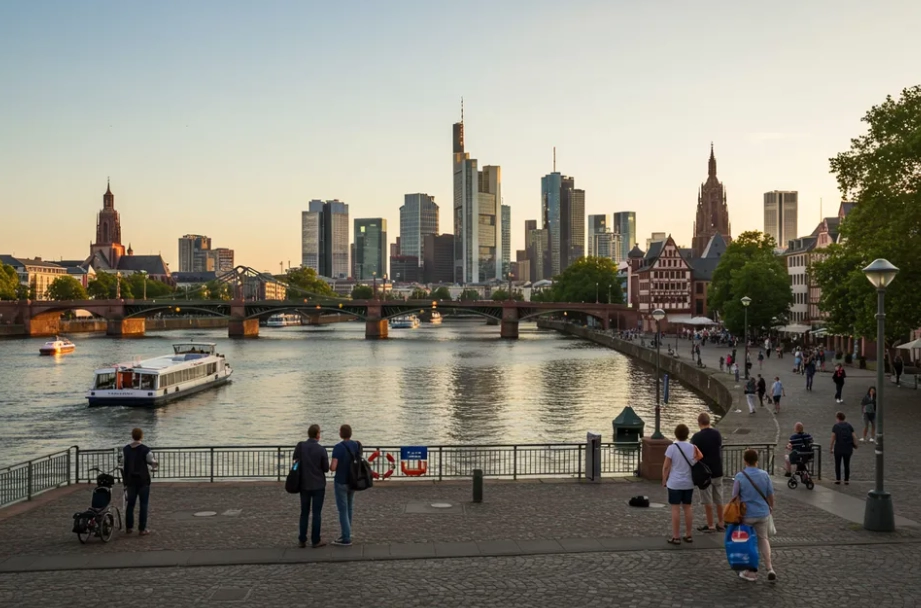
Day 3: Choice Day: Palm Garden or Day Trip
You have a choice for your final day, depending on your energy and interests.
Option A: Relax in Frankfurt's Green Oasis
If you want a relaxed pace, spend the day at the Palmengarten (Siesmayerstr. 63). This is one of Germany's largest botanical gardens. It's not just a few flower beds; it's massive greenhouses replicating rainforests, deserts, and more. You can easily spend 3-4 hours here. Entry is €7. It's perfect for a leisurely stroll. Afterwards, visit the neighboring Senckenberg Natural History Museum, which has an impressive dinosaur collection. Combine the two for a full day of nature.
Option B: A Classic Rhine Valley Day Trip
Frankfurt's central location is ideal for a day trip. The most popular and rewarding is to the Rhine Valley. Take a regional train from Frankfurt Hauptbahnhof to Bingen or St. Goar (about 1-1.5 hours). From there, board a KD Rhine Cruise ship. Sailing past hillside vineyards, medieval castles like the Pfalzgrafenstein and Loreley Rock is unforgettable. You can get off at a town like Bacharach, explore its half-timbered streets, then take a later boat or train back. It's a packed day but showcases a completely different side of Germany. Train tickets are around €30-40 return, and a 2-hour cruise segment costs about €15.
If you return from your day trip or garden visit with energy left, have a farewell dinner. For a modern twist on Frankfurt classics, try Zum Gemalten Haus (Schweizer Str. 67) in Sachsenhausen. It's another traditional Apfelwein tavern but with a slightly more refined menu.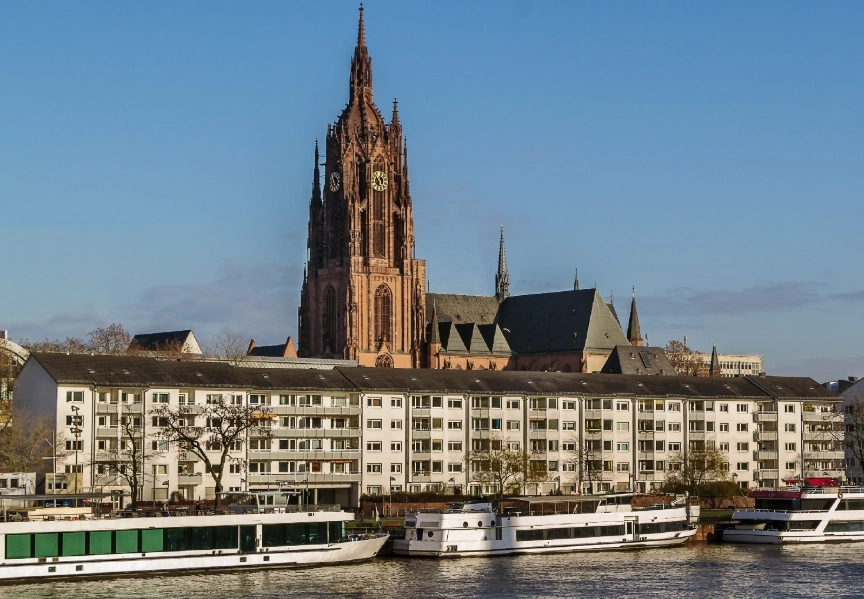
Where to Stay in Frankfurt
Location is key for a short trip. Here are three solid areas with different vibes:
| Area | Best For | Hotel Example & Details | Approx. Price (per night) |
|---|---|---|---|
| Innenstadt (City Centre) | First-timers who want to be walkable to Römerberg, shopping, and main sights. | 25hours Hotel by Levi's (Niddastr. 58). Funky, design-focused hotel with a rooftop bar. Near the main station. | €100-€150 |
| Sachsenhausen (South of the River) | Foodies and those wanting a more local, nightlife-oriented stay. Close to apple wine taverns. | Hotel am Dom (Kanonengasse 6). Simple, clean, and incredibly central—right next to the cathedral. | €90-€130 |
| Westend/Bockenheim | A quieter, more upscale residential feel. Close to the Palm Garden and university. | Fleming's Express Hotel Frankfurt (Hamburger Allee 2-10). Modern, good transport links, near the trade fair. | €110-€160 |
Getting Around Frankfurt
Frankfurt is very walkable in the center, but its public transport (RMV network) is excellent. The subway (U-Bahn), trams, and buses are all integrated.
- Single Ticket (Einzelfahrt): Costs about €3 for short trips within the city center. Valid for one journey in one direction.
- Day Ticket (Tageskarte): This is your best friend. A day ticket for the entire Frankfurt city zone (Zone 50) costs around €7. It's valid until 1am the following day. If you plan to take more than two trips in a day, it pays for itself immediately. Buy it from the red RMV machines at any station.
- RMV App: Download it. You can plan routes and buy mobile tickets, which is more convenient than paper.
- From the Airport (FRA): The S-Bahn lines S8 and S9 run directly from the airport terminal to the Hauptbahnhof (main station) in about 15 minutes. A one-way ticket is €5. Don't take a taxi unless you have lots of luggage; the train is faster and cheaper.