Berlin hits you with energy the moment you step off the plane or train. It's gritty, creative, and packed with history, but that also means it can overwhelm first-timers. I've visited Berlin five times over the last decade, and each trip taught me something new—often from mistakes. Let's cut to the chase: here’s everything I wish I'd known before my first visit, from navigating the U-Bahn to avoiding cultural blunders that mark you as a clueless tourist.
Quick Guide to This Article
Transportation in Berlin: Getting Around Efficiently
Berlin's public transport is a dream if you know how to use it. But I've seen tourists waste hours and euros because they didn't grasp the basics.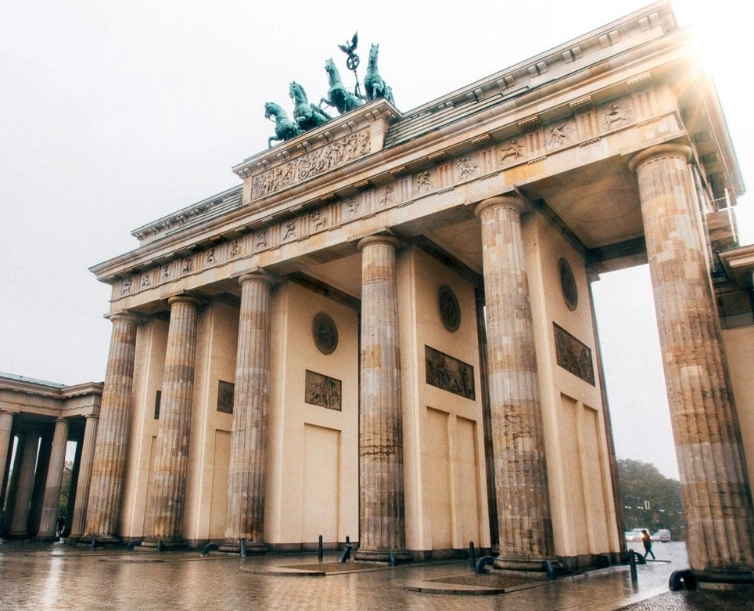
How to Use Berlin's Public Transport System
The network includes U-Bahn (subway), S-Bahn (urban rail), trams, and buses. All run under the BVG and Deutsche Bahn systems. Here’s the kicker: you need to validate your ticket before boarding. I once forgot and got a 60-euro fine—a harsh lesson. Tickets are sold at stations via machines (switch to English if needed) or the BVG app. A single ticket for zones AB (central Berlin) costs €3.00, valid for two hours. For longer stays, consider day passes (€8.80 for AB) or the Berlin WelcomeCard.
The Berlin WelcomeCard: Is It Worth It?
Most guides push this card, but let’s be real. The Berlin WelcomeCard offers unlimited transport and discounts on attractions. Prices start at €23 for 48 hours (zones AB). If you plan to visit 2-3 paid sights daily, it might save money. But if you prefer free walking tours or exploring neighborhoods, a regular transport pass could be cheaper. Check the official Berlin tourism site for current offers—I found their app clunky last time, but the info is reliable.
Pro tip: Download the BVG app for real-time schedules. Google Maps works fine, but locals swear by the BVG one for accuracy.
Accommodation Tips: Where to Stay in Berlin
Berlin is sprawling. Picking the wrong area means long commutes. I stayed in Charlottenburg once, thinking it was central—big mistake for nightlife seekers.
Best Neighborhoods for Tourists
Mitte is the historic core, ideal for first-timers. You'll pay more, but landmarks are walkable. Kreuzberg and Friedrichshain offer gritty charm, street art, and vibrant bars—perfect for younger travelers. Prenzlauer Berg feels cozy with cafes and boutiques. Avoid staying near the airport unless you have an early flight; it's isolated.
Budget vs. Luxury: Finding the Right Hotel
Berlin has options for all wallets. Hostels like Circus Hostel in Mitte (€25-40 per night) are clean and social. Mid-range hotels, such as Motel One Berlin-Mitte (around €80-120), offer good value. For luxury, Hotel Adlon Kempinski near Brandenburg Gate costs €300+ nightly. Book directly through hotel websites—I’ve gotten free upgrades that way, unlike on third-party sites.
Personal experience: I booked an Airbnb in Neukölln last year. The area was lively, but noise from late-night bars kept me awake. Read reviews carefully, especially about noise levels.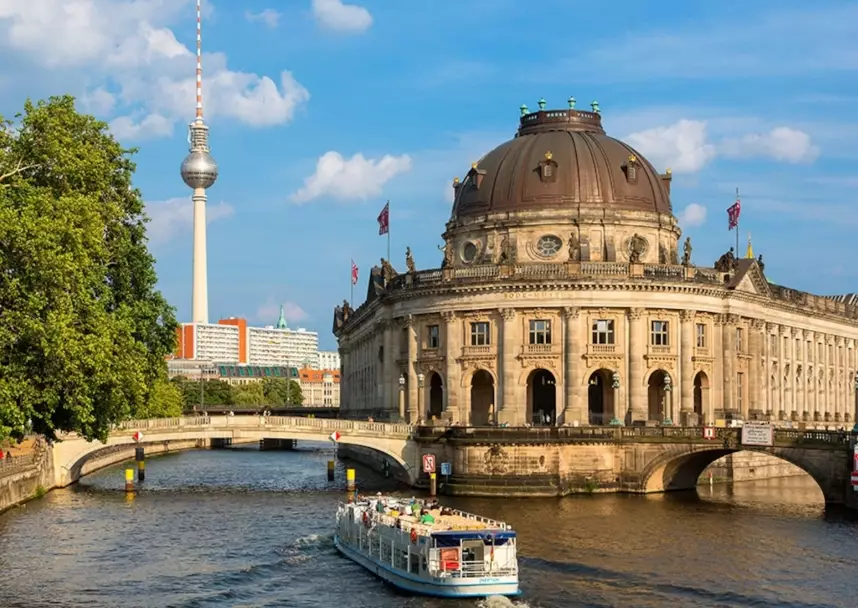
Cultural Insights: Avoiding Faux Pas in Berlin
Germans have a reputation for being direct, and Berliners take it to another level. It's not rudeness; it's efficiency. Smiling at strangers might get you puzzled looks.
German Etiquette: Do's and Don'ts
Do be punctual. If a tour starts at 10 AM, arrive at 9:55. Don’t jaywalk—Berliners actually wait for green lights, and police can fine you. Do separate your trash: paper, plastic, and general waste bins are everywhere. Don’t assume everyone speaks English; learn basic phrases like "Entschuldigung" (excuse me) and "Danke" (thank you). In restaurants, tip by rounding up or adding 5-10%. Service staff don’t rely on tips as much as in the US, but it's appreciated.
Language Tips: Do You Need to Speak German?
In tourist areas, English works fine. But venture to local spots in Wedding or Marzahn, and you’ll struggle. I tried ordering coffee in a small bakery without German—the cashier sighed and pointed at the menu. Download Google Translate for offline use. Berliners respect effort, so a simple "Sprechen Sie Englisch?" goes a long way.
Must-See Attractions and How to Plan Your Visit
Berlin's sights are spread out. You can’t do it all in a day, so prioritize. Here’s a breakdown of top spots with practical details.
Top 3 Landmarks You Can't Miss
First, Brandenburg Gate (Pariser Platz, 10117 Berlin). It's free to see, open 24/7, and best visited early morning to avoid crowds. Take U-Bahn U55 to Brandenburger Tor station.
Second, Berlin Wall Memorial (Bernauer Str. 111, 13355 Berlin). Free entry, outdoor exhibit open daily 8 AM to 10 PM. The documentation center has a small fee (€5). Reach via S-Bahn S1/S2/S25 to Nordbahnhof.
Third, Museum Island (Bodestraße, 10178 Berlin). This UNESCO site houses five museums. A day pass for all costs €19. Check opening hours on the Staatliche Museen zu Berlin website—they vary by season. U-Bahn U5 to Museumsinsel is closest.
Booking Tickets in Advance: Saving Time and Money
For popular spots like the Reichstag Dome, book weeks ahead via the Bundestag website. It's free but slots fill fast. For Pergamon Museum, buy online to skip lines; tickets are €12. I learned this the hard way waiting two hours in the rain.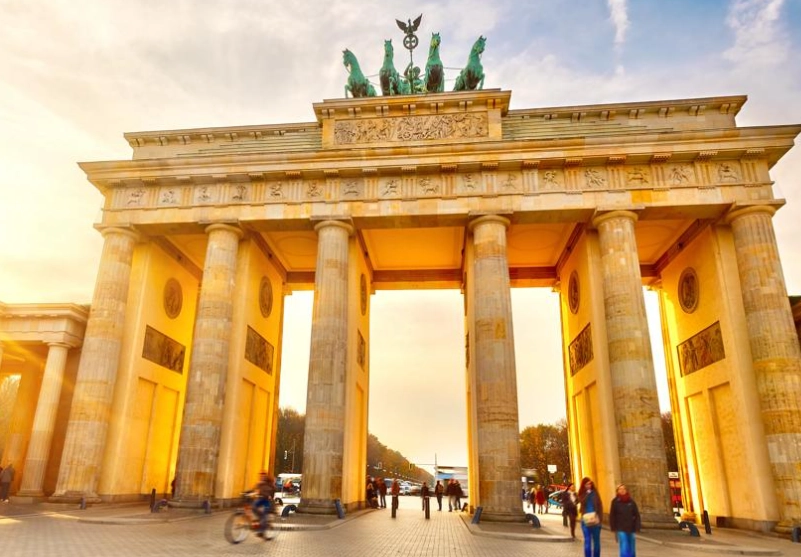
Consider the Berlin Pass if you're a museum buff. It includes entry to over 50 attractions, but compare costs—it's often overkill for casual visitors.
| Attraction | Address | Ticket Price (Adult) | Best Time to Visit |
|---|---|---|---|
| Brandenburg Gate | Pariser Platz, 10117 Berlin | Free | Early morning |
| Berlin Wall Memorial | Bernauer Str. 111, 13355 Berlin | Free (exhibit), €5 (center) | Weekdays |
| Museum Island | Bodestraße, 10178 Berlin | €19 (day pass) | Opening hours |
Money Matters: Budgeting for Your Berlin Trip
Berlin is cheaper than Paris or London, but costs add up. Let’s talk numbers.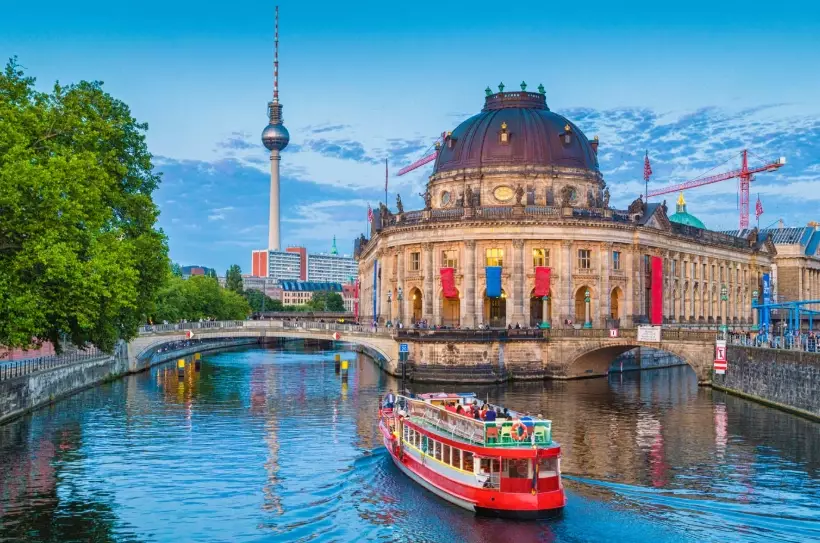
Average Costs for Food, Transport, and Activities
A budget meal at a Imbiss (snack stand) costs €5-10—try currywurst. Mid-range restaurant dinner: €15-25 per person. Public transport: €8.80 daily pass. Attractions: €10-20 each. For a 5-day trip, I spent around €500 excluding flights, sticking to hostels and free walking tours. Free tours are tip-based; I give €10-15 if it's good.
Cash vs. Card: Payment Preferences in Berlin
Germany loves cash. Many small shops, bars, and markets don't accept cards. Withdraw euros from ATMs (Geldautomat) using a debit card with low fees. Credit cards work in hotels and larger stores, but always carry €50 in cash. I got stuck once at a Christmas market because they only took cash.
Safety and Practical Tips
Berlin is generally safe, but like any big city, it has quirks.
Is Berlin Safe for Tourists?
Violent crime is low, but pickpocketing happens in crowded areas like Alexanderplatz. Keep your bag closed and phone secure. At night, stick to well-lit streets. Some areas like Görlitzer Park have drug issues—avoid after dark. I felt safer in Berlin than in many European capitals, but vigilance helps.
Weather and What to Pack
Berlin weather is unpredictable. Summers (June-August) are mild, around 20-25°C, but rain showers pop up. Winters (December-February) are cold, often below freezing. Pack layers and a waterproof jacket. Comfortable shoes are non-negotiable—you'll walk miles. I ruined a pair of sneakers on cobblestones once.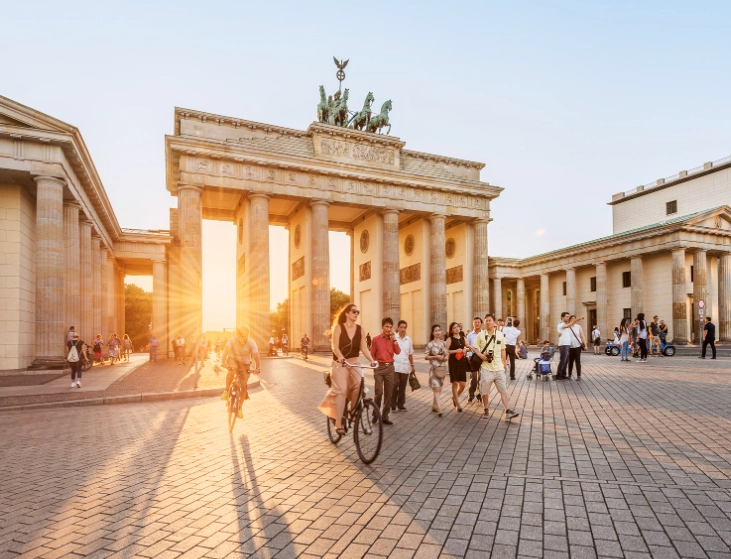
Frequently Asked Questions (FAQ)
Berlin rewards those who prepare. Dive into its history, embrace the chaos, and you'll leave planning your next visit. For more details, check resources like the official Berlin.de website or travel reports from Deutsche Welle. Now go pack—and don't forget that rain jacket.