Let's cut straight to the point: yes, Germany absolutely accepts US citizens for tourism and short visits. You don't need a visa. But that "yes" comes with a few critical, non-negotiable conditions that trip up more travelers than you'd think. I've seen people turned away at check-in because they missed one detail. This guide isn't just about the basic rule; it's about the specifics that make the difference between a smooth entry and a frustrating denial.
Quick Navigation: What You'll Find Here
Do US Citizens Need a Visa for Germany?
No. For short stays, US passport holders do not need to apply for a visa in advance. This is thanks to the Schengen Agreement, which Germany is a part of. You're allowed to enter as a tourist, visit family or friends, attend business meetings, or participate in cultural/sports events.
But here's the nuance everyone glosses over: visa-free does not mean "right of entry." It's a conditional permission. The final decision rests with the German border officer. They need to be convinced you're a genuine visitor who will leave before your allowed time is up.
I once met a freelancer who planned to "figure things out" in Berlin for a few months. He had a return ticket but no real itinerary, vague accommodation plans, and little proof of funds. The border officer questioned him for 20 minutes. He got in, but it was stressful. The officer's job is to spot exactly that kind of uncertainty.
To satisfy them, be ready to show (if asked):
- Proof of accommodation: Hotel bookings, a rental agreement, or an invitation letter from your host.
- Proof of sufficient funds: Recent bank statements or cash. There's no fixed amount, but a general guideline is around €45-€50 per day of your stay.
- A return or onward ticket: Evidence you plan to leave the Schengen Area.
- The purpose of your visit: A simple, clear explanation.
Important: If you're planning to work, study for longer than 90 days, or join a family member who lives in Germany, the visa-free rule does NOT apply. You'll need to apply for the appropriate national visa (like a work visa, student visa, or family reunion visa) at the German Embassy or Consulate in the USA before your trip. Starting a job search after entering as a tourist is a violation.
What is the New ETIAS Requirement for Americans?
This is the big change on the horizon. Starting in 2025 (the date has been delayed before, so always check the official EU ETIAS website for updates), US citizens will need an ETIAS travel authorization to enter Germany and any other Schengen country.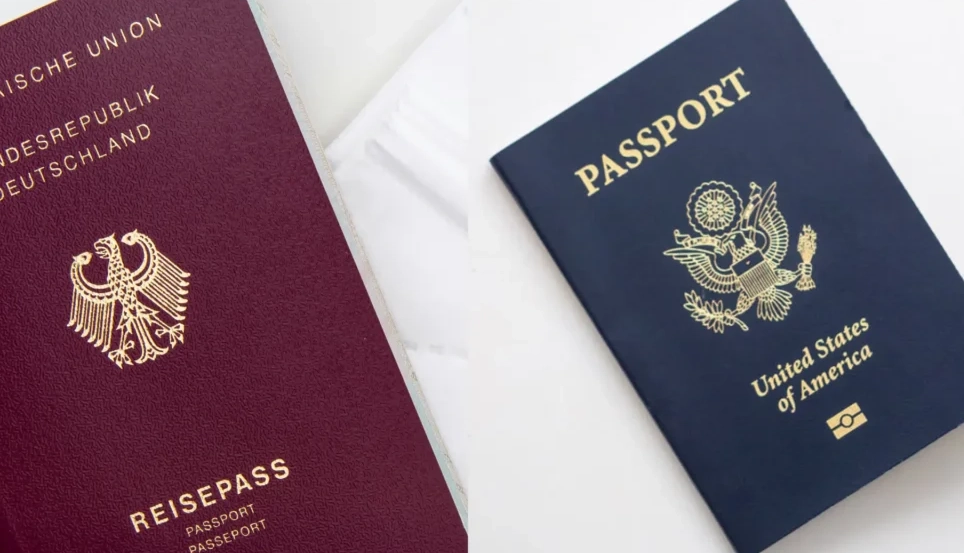
ETIAS vs. Visa: What's the Difference?
Don't confuse ETIAS with a visa. It's a pre-travel screening for visa-exempt travelers. Think of it like the US ESTA system. It's an online application, costs less, and is processed quickly, but it's mandatory.
How to Get Your ETIAS Authorization
The process is designed to be straightforward. You'll apply online via the official ETIAS website or app. You'll need:
- A valid US biometric passport.
- A credit or debit card to pay the fee (expected to be €7, free for applicants under 18 or over 70).
- To answer a set of security and health-related questions.
Most authorizations will be granted within minutes. Once approved, your ETIAS is valid for three years or until your passport expires, whichever comes first. It allows multiple short stays.
My advice? Apply for your ETIAS a few weeks before you book your flights, not the night before. While most are approved instantly, some applications may require manual processing, which can take up to 30 days.
Passport Validity & The 90-Day Rule
This is where most practical problems occur. The rules are simple on paper but easy to miscalculate.
Your Passport Must Meet These Criteria
Your US passport must be:
- Valid for at least three months beyond your intended date of departure from the Schengen Area. Not from Germany, but from the last Schengen country you'll be in. If you're hopping to France after Germany, count from your France exit date.
- Issued within the last 10 years. If your passport is older than 10 years, even if the expiry date is still far off, it may not be accepted. Check the issue date.
I recommend having six months of validity remaining as a safety buffer. It's the global standard and prevents issues if your travel plans change unexpectedly.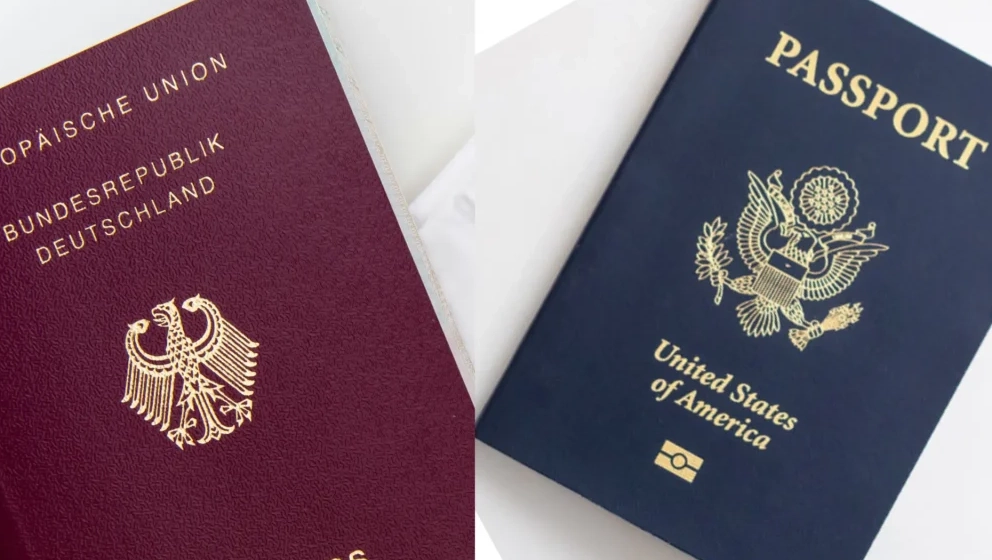
Understanding the 90/180-Day Rule
You can stay in the Schengen Area (which includes Germany) for a maximum of 90 days within any 180-day period. This is a rolling window, not a per-calendar-year rule.
Let's say you spend 90 days traveling around Europe from January to March. You must then stay outside the Schengen Area for the next 90 days before you can re-enter. Trying to reset your stay by briefly leaving to the UK or Morocco and then immediately coming back is a common misconception and can lead to being banned for overstaying.
To keep track, the European Commission provides a handy Schengen short-stay visa calculator.
| Requirement | Current Rule (2024) | Rule Starting 2025 (with ETIAS) |
|---|---|---|
| Visa Needed? | No, for short stays. | No, for short stays. |
| Pre-Travel Authorization | None. | ETIAS required. |
| Passport Validity | 3+ months beyond departure from Schengen. | 3+ months beyond departure from Schengen. |
| Max Stay | 90 days in any 180-day period. | 90 days in any 180-day period. |
| Key Document at Border | Valid US Passport. | Valid US Passport + Approved ETIAS. |
Beyond Entry: Your Pre-Travel Checklist
Getting in is one thing. Having a great trip is another. Here’s a quick, actionable list based on what I’ve found most useful.
Health Insurance: While not legally required for entry as a US citizen, do not skip this. European healthcare is excellent but not free for visitors. A single hospital visit can cost thousands. Get a comprehensive travel insurance policy that covers medical emergencies, evacuation, and trip cancellation. It’s worth every penny.
Money: Germany is a cash-friendly society, especially outside major cities and in smaller shops/restaurants. Always have some Euros on you. Notify your bank of your travel plans to avoid your debit/credit card being blocked for "suspicious activity."
Driving: If you plan to rent a car, your US driver's license is valid for up to 6 months. However, many rental companies and authorities recommend an International Driving Permit (IDP) as a translation supplement. Get one from AAA before you leave.
Plug Adapters: Germany uses Type F plugs (two round pins) with 230V voltage. You’ll need an adapter for your US devices. A step-down converter is usually only needed for high-wattage appliances like hair dryers.
A Sample 5-Day Itinerary for a First-Time US Visitor
To make this concrete, here’s a balanced Berlin-Munich mix. This assumes you’re flying into Berlin (BER) and out of Munich (MUC).
Days 1-2: Berlin
* Stay: Mitte district for centrality. Hotels range from €100-€250/night.
* Must-Sees: Brandenburg Gate, Reichstag Building (book free dome visit online weeks ahead), East Side Gallery, Museum Island.
* Transport: Buy a Berlin WelcomeCard for unlimited public transport and discounts.
Day 3: Travel & Nuremberg Stop
Take a morning ICE high-speed train (book in advance on bahn.com for cheaper fares) from Berlin to Munich. Stop for 4-5 hours in Nuremberg. Explore the medieval Old Town and grab lunch at a Bratwurst restaurant.
Days 4-5: Munich & Neuschwanstein
* Stay: Near Munich Hauptbahnhof for train access.
* Day 4: Marienplatz, Viktualienmarkt, Hofbräuhaus for the experience (the food is average, go for the atmosphere).
* Day 5: Day trip to Neuschwanstein Castle. Book train tickets to Füssen and castle entry tickets months in advance. The view from Marienbrücke bridge is the postcard shot.
Your Germany Entry Questions Answered
So, to wrap it up: Germany welcomes US citizens with open arms for short visits. The process is simple—for now. Just remember the golden trio: a passport valid for at least three months past your exit, adherence to the 90-day limit, and, coming soon, an approved ETIAS authorization. Do that bit of homework, pack your sense of adventure, and you're set for an incredible trip.