Quick Navigation
- So, What Exactly Is Franconian Wine?
- The Geography and Climate: Why Franconian Wine Tastes Like This
- The Grape Varieties: It's Not *Just* About Silvaner
- The Franconian Wine Style: Dry, Earthy, and Unapologetic
- The Famous Bocksbeutel Bottle: More Than Just a Gimmick
- Understanding the Label: How to Pick a Good One
- The Main Sub-Regions and Top Vineyards
- Top Producers to Look For (A Highly Subjective List)
- How to Buy and Enjoy Franconian Wine
- Final Thoughts: Is Franconian Wine for You?
Let's be honest. When you think of German wine, your mind probably jumps to Riesling from the Mosel, maybe Spätburgunder from Baden. But there's this whole other world tucked away in northern Bavaria that most people outside of Germany have never even heard of. I'm talking about Franconian wine, or as they call it locally, "Frankenwein." My first encounter with it was almost by accident. I was in a tiny wine bar in Würzburg, saw this weird, flat, round bottle and thought, "What on earth is that?" One sip later, and I was hooked. It was nothing like the sugary-sweet German wines I'd had before. This was dry, mineral, and had a kind of earthy, serious character that made me sit up and pay attention.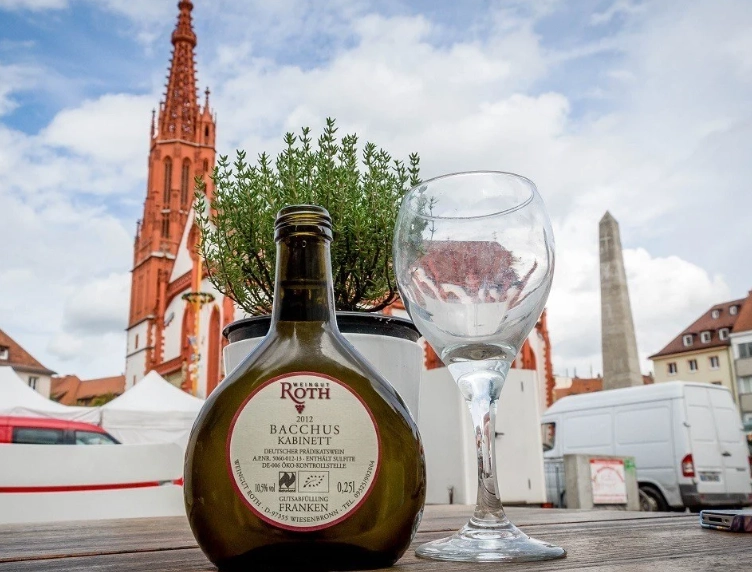
That's the thing about Franconian wine. It doesn't shout for attention. It's not trying to be the most aromatic or the fruitiest. It's a wine that speaks quietly but with immense authority about the place it comes from. If you're tired of generic, international-tasting wines and want something with a real sense of origin, this is your region. This guide is everything I wish I'd known before I started exploring Franconian wine. We'll talk about that iconic bottle shape (the Bocksbeutel), the superstar grape (Silvaner), and how to find a good one without getting lost.
So, What Exactly Is Franconian Wine?
At its core, Franconian wine is wine produced in the Franconia (Franken) wine region of Germany. Geographically, it's centered around the Main River, which snakes through the area creating south-facing slopes perfect for vineyards. It's Germany's most eastern wine region, and that location gives it a climate that's a bit more continental than the other regions—colder winters, hotter summers. That stress on the vines is part of what creates such distinctive wines.
Key Fact: Franconia is one of Germany's 13 official wine-growing regions (Anbaugebiete). It's not the largest, but it's arguably one of the most distinctive in terms of style and tradition.
Historically, wine has been made here for over 1,200 years. Monasteries, especially, were huge drivers of quality. But what really sets it apart is a combination of three things: the unique bottle, the focus on a specific grape, and a taste profile that leans towards dryness and minerality. It's a region that has stubbornly stuck to its own path, which I find incredibly refreshing in a world where everything can start to taste the same.
The Heart of the Matter: Don't come to Franconian wine expecting sweet, low-alcohol Rieslings. That's not their game. Come expecting structured, dry, food-friendly wines that often have a pronounced stony or spicy character. They're thinkers' wines, in the best possible way.
The Geography and Climate: Why Franconian Wine Tastes Like This
You can't understand the wine without understanding the land. The vineyards are mostly planted on slopes along the Main River and its tributaries. This river is the lifeblood. The water moderates temperatures, and the slopes provide excellent drainage and sun exposure. But the real magic is in the soil.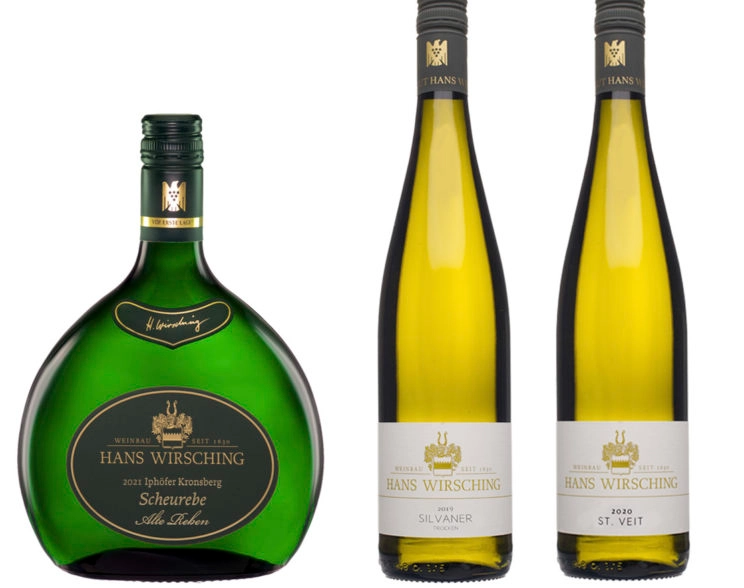
Franconia has some of the most diverse and ancient soils in all of German viticulture. We're talking about:
- Shell Limestone (Muschelkalk): This is the star. It's a fossil-rich, chalky limestone that gives the wines their signature racy acidity, lean structure, and that flinty, smoky note you often get. If a Franconian wine has serious mineral drive, it's probably from Muschelkalk.
- Colored Sandstone (Buntsandstein): Softer, sandier soils that tend to produce slightly rounder, fruitier, and more approachable wines. Think more red berry and spice than stark minerality.
- Keuper: A marl and clay mix that retains water well. Wines from Keuper can be a bit fuller and more aromatic, sometimes showing a earthy, herbal twist.
The climate is continental. Winters are proper cold, and summers can get genuinely hot. This means the grapes get a long, sunny growing season to ripen fully, but they also develop that crucial acidity because of the cool nights. It's this balance—ripe fruit flavors held taut by vibrant acidity—that defines the best Franconian wine.
I remember tasting two Silvaners side-by-side, one from Muschelkalk and one from Keuper. The difference was night and day. The limestone one was like sucking on a wet stone with a squeeze of lemon—intense, sharp, and thrilling. The Keuper one was friendlier, with yellow apple and a hint of herbs. Both were excellent, but for completely different reasons. It really drives home how much the dirt matters here.
The Grape Varieties: It's Not *Just* About Silvaner
Okay, let's talk grapes. Everyone associates Franconia with Silvaner. And for good reason—it's the region's flagship. But there's more to the story.
Silvaner: The Undisputed King (or Queen)
If there's one grape that can express the Franconian terroir perfectly, it's Silvaner. It's a relatively neutral grape variety, which sounds like a criticism, but it's actually its superpower. Because it doesn't have overpowering fruit or perfume of its own, it acts like a blank canvas for the soil and climate. In Franconia, it transforms into something profound.
A good, dry Franconian Silvaner is typically medium-bodied, with aromas of yellow apple, pear, white peach, and sometimes a hint of celery or fresh parsley. But the hallmark is the texture and finish. It often has a slightly oily, dense texture on the mid-palate that then gets sliced through by this electrifying, salty minerality on the finish. The acidity is present but integrated, not searing like a Riesling. It's a wine of subtlety and power at the same time.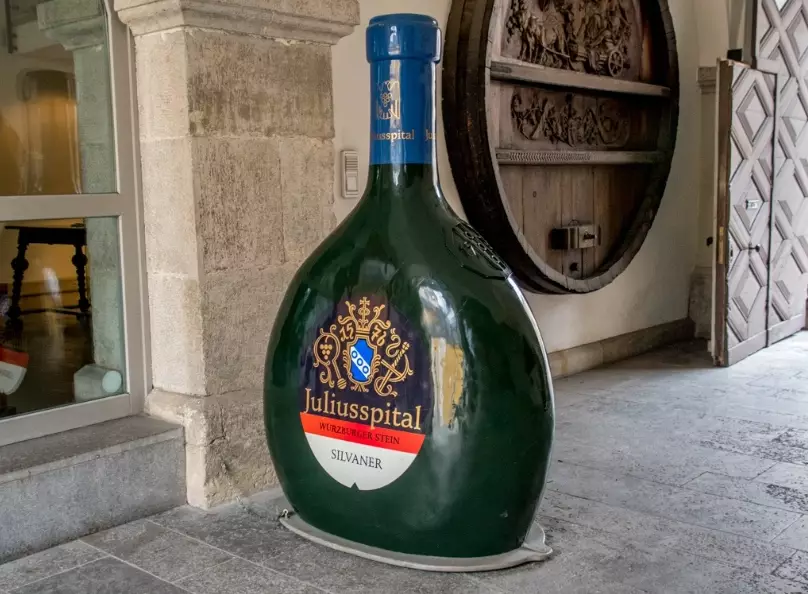
"A great Franconian Silvaner doesn't wow you with fireworks. It impresses you with its quiet confidence and profound sense of place. It's a wine that makes you pause."
You'll see it labeled as "Silvaner" or sometimes the older spelling "Sylvaner." The top dry versions are often labeled "Erste Lage" or "Großes Gewächs" (more on that later).
The Supporting Cast: Müller-Thurgau, Riesling, and Others
Silvaner gets the headlines, but other grapes thrive here too.
- Müller-Thurgau: This is actually the most widely planted grape in the region by area. It's an early-ripening cross that produces light, fruity, and often off-dry wines that are meant for easy, early drinking. They're the everyday, affordable bottles you'll find in every local tavern. Honestly, they can be a bit simple and one-dimensional for my taste, but on a hot day, a slightly chilled glass hits the spot.
- Riesling: Yes, it's here too! It's not the main event like in the Mosel, but Franconian Riesling is a fascinating beast. Grown on the best limestone sites, it produces dry, powerful, and intensely mineral wines. They're often bigger and more muscular than their western counterparts, with less overt perfume and more rocky punch. They can be spectacular, but they're a different interpretation of the grape.
- Pinot Varieties: Spätburgunder (Pinot Noir), Weißburgunder (Pinot Blanc), and Grauburgunder (Pinot Gris) are all grown with increasing success. The Pinot Noir, in particular, is gaining a great reputation. The best ones are light-to-medium bodied, fragrant with red cherry and earth, and have lovely freshness. They're elegant, not heavy.
- Domina and Other Red Crosses: You might see obscure red varieties like Domina, a cross that does well in the climate. They make sturdy, dark-fruited reds. They're interesting for a taste of something local, but they're rarely world-beaters in my experience.
| Grape Variety | Style in Franconia | Key Characteristic | My Personal Take |
|---|---|---|---|
| Silvaner | Dry, medium-bodied, mineral | Expresses terroir perfectly; salty, stony finish | The star. The reason to explore the region. |
| Riesling | Dry, full-bodied, powerful | Muscular and mineral-driven, less floral | Underrated and thrilling if you like dry Riesling. |
| Müller-Thurgau | Light, off-dry, fruity | Simple, easy-drinking, high yields | Perfect for a casual picnic, but don't overthink it. |
| Spätburgunder (Pinot Noir) | Light, fragrant, earthy | Elegant red with cherry and spice notes | Surprisingly good and getting better every year. |
| Weißburgunder (Pinot Blanc) | Creamy, round, nutty | Richer texture than Silvaner | A great alternative for those who find Silvaner too lean. |
The Franconian Wine Style: Dry, Earthy, and Unapologetic
So what should you actually expect in the glass? The dominant style here is trocken (dry). Over 80% of the wine produced is dry. The sugar levels are fermented out, leaving a wine that's focused on acidity, texture, and mineral flavors rather than fruit sweetness.
The acidity is a big player, but it's different from, say, a Mosel Riesling. It's often a broader, more integrated acidity—more like the spine of the wine than a sharp edge. It provides structure and length.
Then there's the minerality. It's the most talked-about feature. People use words like flinty, smoky, stony, chalky, salty. It's that sensation you get that makes your mouth water and think of wet stones after rain. Not all Franconian wines have it in spades, but the best ones do, and it's utterly captivating.
Fruit flavors tend to be in the yellow and green spectrum: ripe apple, quince, pear, sometimes a touch of citrus. The wines are rarely exuberantly fruity. They're more about earth, spice, and structure.
A word of warning: If you're used to big, oaky, fruit-forward New World whites, your first sip of a traditional Franconian Silvaner might be a shock. It might taste lean, austere, even a bit sour. Give it a chance. Let it warm up a bit in the glass, have it with food. That's where it sings. It's an acquired taste, but once you get it, it ruins you for simpler wines.
The Famous Bocksbeutel Bottle: More Than Just a Gimmick
You can't miss it. The flat, round, flask-shaped bottle is the universal symbol of Franconian wine. It's called a Bocksbeutel (literally "goat's scrotum," though they prefer the more polite "bag bottle" translation these days).
It's not just for show. Historically, the shape was practical. It was easier to carry in a saddlebag and less likely to roll off a table in a bumpy tavern. Today, its use is protected by EU law. Only wines from specific regions—Franconia being the most famous, along with a few places in Portugal and Greece—can use this bottle shape for certain quality wines. For Franconia, it's a sign of a Qualitätswein (quality wine) from the region. If you see a Franconian wine in a standard bottle, it might be a simpler Landwein or the producer is making a stylistic choice to break with tradition (some modern producers do).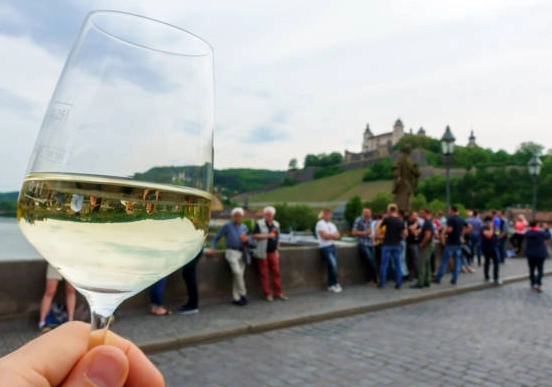
I have a love-hate relationship with the Bocksbeutel. It's charming and iconic, and it looks great on a shelf. But it's a nightmare to store in a standard wine rack! You have to lay it flat, which takes up more space. And pouring from it feels a bit awkward until you get the hang of it. Still, it's part of the experience. Opening one feels like you're part of a centuries-old tradition.
Understanding the Label: How to Pick a Good One
German wine labels can be confusing. Franconian labels have their own quirks. Here’s a quick decoder.
- Weingut / Winzer: Estate / Grower. This is who made the wine.
- Franken / Franconian Wine: The region.
- Trocken / Classic / Selection: Indications of dryness. "Trocken" means dry (less than 9g/l residual sugar). "Classic" is a style category for dry, varietally pure wines from one region. "Selection" is a higher tier within the Classic/Selection system.
- Erste Lage / Großes Gewächs (GG): The top tier. "Erste Lage" means "First Site"—a classified top vineyard. A wine from one of these sites that meets strict criteria (dry, lower yields, etc.) can be called a "Großes Gewächs" (Great Growth), which is the pinnacle of dry German wine. These are the most serious, age-worthy, and expensive Franconian wines. If you want to experience the region's absolute best, look for "GG" on the capsule or label.
- Village + Vineyard Name: Like "Würzburger Stein" or "Iphöfer Julius-Echter-Berg." This tells you the specific vineyard, which is key for understanding the style.
- AP Nr.: The official approval number. Every quality German wine has one.
A great resource for understanding the official classifications and legal framework is the German Wine Institute (DWI) website. It's the official mouthpiece for German wine.
Pro Tip: Don't get hung up on the Prädikat system (Kabinett, Spätlese, etc.) when looking for dry Franconian wine. Those terms indicate the ripeness of the grapes at harvest and are often associated with sweetness. In Franconia, for dry wines, focus on the terms "Trocken," "Classic," or "GG." A "Spätlese Trocken" is a dry wine made from late-harvested grapes—it will be fuller-bodied and higher in alcohol, not sweet.
The Main Sub-Regions and Top Vineyards
Franconia is divided into three main districts, each with its own character.
| District | Main Area | Key Characteristics & Famous Vineyards |
|---|---|---|
| Mainviereck | Western part, around Aschaffenburg | Steep slopes, red sandstone soils. Known for elegant Spätburgunder and fruity Riesling. A bit of an outlier in style. |
| Maindreieck | The "Main Triangle," heartland around Würzburg, Kitzingen, Ochsenfurt | This is the core. Home to the most famous vineyards on shell limestone. Würzburger Stein is the most legendary (a monopole of the Bürgerspital estate). Iphöfer Julius-Echter-Berg, Randersackerer Pfülben, Escherndorfer Lump are all top sites. |
| Steigerwald | Eastern area, around Iphofen, Rödelsee | Higher elevation, more Keuper and sandstone soils. Wines can be a bit more aromatic, spicy, and powerful. Famous sites include Iphöfer Julius-Echter-Berg (again) and Castell’s Schlossberg. |
For a deep dive into the official vineyard classifications and site maps, the Frankenwein e.V. website is an invaluable resource. It's the official site of the Franconian winegrowers' association.
Top Producers to Look For (A Highly Subjective List)
This isn't an exhaustive ranking, but these are estates whose wines have consistently impressed me and are benchmarks for quality. You can't go wrong starting here.
- Weingut Horst Sauer (Escherndorf): The superstar. Horst Sauer is a legend, and his Silvaners (especially from the Lump vineyard) are mind-blowingly intense, complex, and long-lived. They are the definition of mineral-driven power. Hard to find and pricey, but worth the hunt.
- Weingut Rudolf Fürst (Bürgstadt): Famous for stunning Spätburgunder that rivals top Burgundy, but their Bürgstadter Centgrafenberg Riesling GG is also one of Germany's greatest dry Rieslings. Impeccable quality across the board.
- Bürgerspital zum Heiligen Geist (Würzburg): A historic charitable foundation that owns the entire Würzburger Stein vineyard. Their Stein Riesling and Silvaner are classics—precision, purity, and perfect balance. They define what a great estate wine should be.
- Weingut Juliusspital (Würzburg): Another huge, historic charitable estate. Incredibly reliable and high quality across a huge range of wines. Their Iphöfer Julius-Echter-Berg Silvaner is a textbook example.
- Weingut Schmitt's Kinder (Randersacker): A rising star. Young, dynamic, and making stunningly pure, vibrant wines from Randersacker's top sites. Their attention to detail is incredible.
- Weingut Rainer Sauer (Rödelsee): No relation to Horst, but equally talented in my book. Makes powerful, structured wines from the Steigerwald that need time to unfold. His Silvaners are profound.
- Weingut Hans Wirsching (Iphofen): A large, family-run estate with a long history in the Steigerwald. They offer fantastic value and quality at every level, from simple QbA to grand GGs.
I once had a Schmitt's Kinder Randersackerer Pfülben Silvaner GG with a simple roast chicken. The wine had this incredible tension between richness and salinity that made every bite of the chicken taste better. It was one of those perfect pairings that just clicks.
How to Buy and Enjoy Franconian Wine
Buying Tips
Outside of Germany, finding a good selection can be tough. Your best bets are specialty wine shops with a focus on Germany or natural/terroir-driven wines. Online retailers are also a great resource. Look for the most recent vintages that are ready to drink. For top GGs, some age (5-10 years) can be magical, but most dry Silvaners are enjoyable within 3-5 years of the vintage.
How to Serve It
This is crucial. Serving Franconian wine too cold kills its aroma and makes the acidity stand out in a harsh way.
- Temperature: Take it out of the fridge 20-30 minutes before serving. Aim for about 50-54°F (10-12°C). Cool, but not ice-cold.
- Glassware: A standard white wine glass is fine, but a universal or Riesling glass that concentrates the aromas is even better.
- Decanting: Don't laugh. A young, powerful GG Silvaner can really benefit from 30 minutes in a decanter. It opens up the aromas and softens the edges.
Food Pairing: Where It Truly Shines
Franconian wine is a food wine first and foremost. Its dryness and acidity make it incredibly versatile.
- Classic Franconian Fare: This is a no-brainer. Pair it with the local cuisine: Franconian sausages (Bratwurst), onion tart (Zwiebelkuchen), roasted pork (Schäufele), or veal schnitzel. The wine cuts through the fat and complements the savory flavors perfectly.
- Modern Pairings: It's fantastic with roasted chicken, turkey, pork chops, or grilled fish. The mineral character works wonders with mushrooms, asparagus, and dishes with herbal or creamy sauces.
- Cheese: Skip the Brie. Go for firmer, saltier cheeses like aged Gouda, Comté, or Gruyère. The wine's salinity mirrors the salt in the cheese.
- A Warning: I made the mistake once of pairing a very delicate, mineral Silvaner with a spicy Thai curry. The wine completely disappeared. The bold spices overwhelmed it. Save it for dishes where it can be a partner, not a spectator.
Final Thoughts: Is Franconian Wine for You?
Franconian wine isn't for everyone. It demands a bit of attention. It asks you to slow down and think about what you're drinking. It rewards patience, both in the glass and in the cellar. If you're looking for a simple, fruity glugger, look elsewhere.
But if you're curious about wine that tells a story of a specific place—of ancient limestone, winding rivers, and a stubborn dedication to tradition—then you need to try it. Start with a good, dry Silvaner from a reputable producer. Serve it cool (not cold) with a simple meal. Let it open up.
You might just discover your new favorite wine region. I know I did. It's a taste of a Germany that most of the world hasn't discovered yet, quietly waiting in its distinctive flat bottle.