Frankfurt am Main is a city of fascinating contrasts. It's Germany's financial powerhouse, home to the European Central Bank and a forest of gleaming skyscrapers. But scratch the surface, and you'll find a historic old town, world-class museums, and a surprisingly green riverfront. Most visitors make the mistake of treating Frankfurt as just a transit hub. They see the airport and maybe the train station, then rush off to other parts of Germany. That's a missed opportunity. Having spent years exploring its corners, I can tell you there's a unique blend of history and modernity here that you won't find anywhere else.
This guide cuts through the generic lists. I'm giving you the top 10 Frankfurt attractions that are actually worth your time, complete with the nitty-gritty details you need to plan your visit—addresses, ticket prices, opening hours, and the best ways to get there. I'll also throw in some personal opinions and tips you won't find in the standard brochures.
Your Quick Guide to Frankfurt's Highlights
- 1. Römerberg: The Historic Heart
- 2. Main Tower: The Skyline King
- 3. Museumsufer (Museum Embankment)
- 4. Palmengarten: The Green Oasis
- 5. Goethe House & Museum
- 6. Senckenberg Natural History Museum
- 7. Alte Oper (Old Opera House)
- 8. Euro Tower & Financial District
- 9. Hauptwache & Zeil Shopping Street
- 10. Eiserner Steg (Iron Footbridge)
- How to Plan Your Frankfurt Trip
- Frankfurt Travel FAQs
1. Römerberg: The Historic Heart
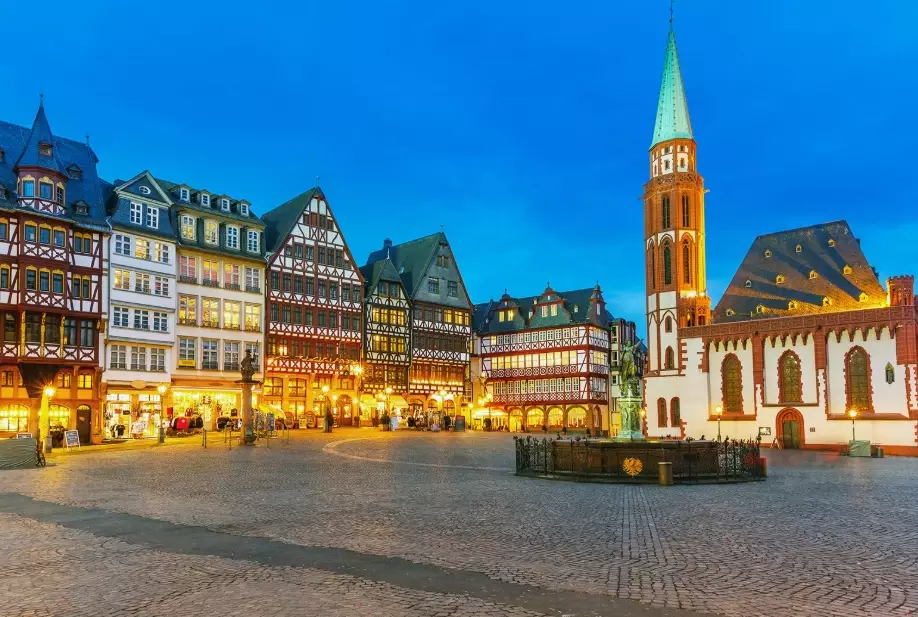
Let's start where Frankfurt itself began. The Römerberg is the city's old central square, and it's picture-postcard perfect. The timber-framed buildings you see are mostly reconstructions (the originals were destroyed in WWII), but the craftsmanship is impeccable. The Römer building itself, with its distinctive stepped gables, has been Frankfurt's city hall for over 600 years.
Most people just snap a photo and leave. Don't. Walk into the courtyard of the Römer. It's free, quieter, and you can see the statues of the city's emperors. The square is also home to the Fountain of Justice and the Old St. Nicholas Church. If you're here in December, this is the epicenter of one of Germany's best Christmas markets.
Address: Römerberg 27, 60311 Frankfurt.
Getting There: U-Bahn U4, U5 to "Römer". Tram 11, 12 to "Römer/Paulskirche".
Opening Hours: Public square, always accessible. Römer city hall interior access may be limited to official functions.
Cost: Free to explore the square.
2. Main Tower: The Skyline King
Everyone talks about the skyscrapers, but many don't bother going up one. That's a mistake. The Main Tower is the only high-rise in Frankfurt with a publicly accessible open-air viewing platform. The view from 200 meters up is staggering. You can see the entire city sprawl, the winding Main River, and on clear days, the Taunus mountains.
I prefer it over the other towers because it's not just a glass box. The open-air part lets you feel the wind and hear the city hum far below. Go just before sunset. You'll see the city in daylight, watch the lights flicker on, and see the skyline illuminated against the twilight. The queue can be long, especially on weekends.
Address: Neue Mainzer Straße 52-58, 60311 Frankfurt.
Getting There: U-Bahn U6, U7 to "Alte Oper", then a 5-minute walk.
Opening Hours: Sun-Thu 10:00-21:00 (last entry 20:30), Fri-Sat 10:00-23:00 (last entry 22:30). Hours can vary in winter.
Cost: Adults €9.00, Children (6-17) €6.50. Tickets can be purchased online to skip some of the queue.
3. Museumsufer (Museum Embankment)
This isn't one museum; it's a whole strip of them lining both sides of the Main River. Over a dozen institutions are here, covering art, film, architecture, communication, and world cultures. Trying to see them all in a day is a recipe for burnout.
My strategy? Pick two that genuinely interest you. The Städel Museum is the star, with an incredible collection of European art from the Middle Ages to the present. The German Film Museum is fantastic for interactive exhibits. The Museum of Applied Art is a design lover's dream. On the last Saturday of August, the area hosts the huge Museumsuferfest with food, music, and open-air events.
Address: Schaumainkai (Museum Embankment), 60596 Frankfurt.
Getting There: Tram 15, 16 to "Otto-Hahn-Platz" or U-Bahn U1, U2, U3, U8 to "Schweizer Platz".
Opening Hours: Vary by museum. Typically Tue-Sun 10:00-18:00, some until 20:00 on Thu.
Cost: Individual museum tickets range from €8 to €16. Consider the Museumsufer Ticket (€21 for 2 days) if you plan to visit several. Information is available on the official Museumsufer Frankfurt website.
4. Palmengarten: The Green Oasis
Need a break from concrete and crowds? The Palmengarten is a 54-acre botanical garden right in the city. It's not just a few flower beds. There are massive glasshouses replicating tropical rainforests, sub-Antarctic climates, and vast outdoor gardens. You can easily spend half a day wandering here.
I love the Tropicarium complex. One minute you're in a steamy jungle, the next you're in a dry desert landscape. It's a hit with families, but it's also a peaceful retreat for anyone. Bring a book and find a quiet bench by the lake.
Address: Siesmayerstraße 61, 60323 Frankfurt.
Getting There: U-Bahn U6, U7 to "Westend". Tram 16 to "Palmengarten".
Opening Hours: Daily 9:00-18:00 (greenhouses may close earlier).
Cost: Adults €7.00, Children (6-17) €2.00.
5. Goethe House & Museum
Germany's greatest literary figure, Johann Wolfgang von Goethe, was born here in 1749. The house is a meticulous reconstruction of his affluent family home, giving you a glimpse into 18th-century bourgeois life. You can see the desk where he wrote his early works, including drafts of "The Sorrows of Young Werther."
The attached modern museum does a good job of contextualizing his life and work. Even if you're not a literature buff, the house itself is a fascinating time capsule. It feels more personal and lived-in than many other historic house museums.
Address: Großer Hirschgraben 23-25, 60311 Frankfurt.
Getting There: U-Bahn U1, U2, U3, U8 to "Willy-Brandt-Platz", then a short walk.
Opening Hours: Mon-Sat 10:00-18:00, Sun & holidays 10:00-17:30.
Cost: Adults €10.00, Concessions €5.00. Combined ticket with the nearby German Romantic Museum available.
6. Senckenberg Natural History Museum
This is one of Europe's largest natural history museums and an absolute winner for kids (and curious adults). The dinosaur hall is the main draw, with an impressive collection of skeletons, including a massive T-Rex and a long-necked Diplodocus. But there's much more: an extensive exhibit on human evolution, a vast collection of stuffed animals from around the world, and fascinating geology displays.
It can get very crowded on rainy weekends. Go on a weekday morning if you can. The explanations are mostly in German, but the visual spectacle transcends language.
Address: Senckenberganlage 25, 60325 Frankfurt.
Getting There: U-Bahn U6, U7 to "Bockenheimer Warte" or Tram 16 to "Senckenbergmuseum".
Opening Hours: Daily 9:00-17:00 (Wed until 20:00).
Cost: Adults €12.00, Children (6-15) €6.00.
7. Alte Oper (Old Opera House)
The Alte Oper is a symbol of Frankfurt's rebirth after the war. Destroyed in 1944, it was rebuilt and reopened in 1981. While it's a premier concert hall for classical music, opera, and jazz, you don't need a ticket to appreciate it. The exterior, with its Italian High Renaissance style, is magnificent. The plaza in front is a popular meeting spot.
My recommendation? Check the schedule on the Alte Oper website. Even if you don't want to see a full concert, they sometimes have shorter, cheaper lunchtime concerts. Alternatively, just grab a coffee at one of the surrounding cafes and admire the architecture.
Address: Opernplatz 1, 60313 Frankfurt.
Getting There: U-Bahn U6, U7 to "Alte Oper".
Opening Hours: Box office hours vary. Exterior always accessible.
Cost: Free to view from outside. Concert ticket prices vary widely.
8. Euro Tower & Financial District
Welcome to "Mainhattan." A walk through the Bankenviertel (Banking District) is a must to understand modern Frankfurt. The streets are canyons of glass and steel. The most famous landmark is the Euro Tower, the former headquarters of the European Central Bank (ECB has since moved to a new complex). You'll see the giant blue Euro symbol (€) out front.
It's not a "fun" attraction in the traditional sense, but it's awe-inspiring in its own way. The scale is immense. Go on a weekday to see the bankers and financiers buzzing about. For the best photo op of the cluster of skyscrapers, cross the river to the Sachsenhausen side.
Address: Financial District is centered around Taunusanlage and Neue Mainzer Straße.
Getting There: U-Bahn U1, U2, U3, U8 to "Willy-Brandt-Platz" or "Taunusanlage".
Opening Hours: Public streets, always accessible.
Cost: Free.
9. Hauptwache & Zeil Shopping Street
The Hauptwache is a major transportation hub and a central point in the city. The baroque building (the "Hauptwache" or main guardhouse) now houses a cafe. From here, the Zeil pedestrian zone stretches eastward. This is Frankfurt's premier shopping street, packed with international brands and department stores like Galeria Kaufhof.
Honestly, the Zeil is a bit generic—it could be any major European city. The real gem is the MyZeil shopping mall, an architectural marvel with a stunning, swirling glass facade and a surreal funnel-like vortex inside. Go inside just to look at the structure, even if you don't buy anything.
Address: Zeil, 60313 Frankfurt.
Getting There: U-Bahn U1, U2, U3, U6, U7, U8 to "Hauptwache".
Opening Hours: Shops typically Mon-Sat 10:00-20:00.
Cost: Free to stroll.
10. Eiserner Steg (Iron Footbridge)
This green iron footbridge over the Main River is a beloved Frankfurt icon, connecting the city center with the Sachsenhausen district. Built in 1869, it's been a pedestrian link for generations. Walking across offers fantastic views up and down the river, towards the skyscrapers on one side and the museum embankment on the other.
It's especially beautiful at sunset or when illuminated at night. It's also a notorious spot for love locks. While it's just a bridge, it's a key piece of local life and a perfect, free way to cap off a day of sightseeing.
Address: Connects Römerberg area to Sachsenhausen.
Getting There: Directly accessible from the Römerberg square.
Opening Hours: Always open.
Cost: Free.
How to Plan Your Frankfurt Trip
Seeing all ten attractions takes at least two full days. Here’s a practical summary to help you prioritize.
| Attraction | Best For | Suggested Visit Time | Budget Tip |
|---|---|---|---|
| Römerberg | History, Photos, First-time Visitors | 1 hour | Free |
| Main Tower | Best Views, Skyline Enthusiasts | 1.5 hours | Go on a weekday |
| Museumsufer | Art & Culture Lovers, Rainy Days | 2-3 hours per museum | Use 2-day Museumsufer Ticket |
| Palmengarten | Families, Nature, Relaxation | 2-3 hours | - |
| Goethe House | Literature, History Buffs | 1.5 hours | - |
| Senckenberg Museum | Families with Kids, Dinosaurs | 2.5 hours | Go on a weekday morning |
| Alte Oper | Architecture, Concert-Goers | 30 mins (exterior) | Free to view outside |
| Financial District | Modern Architecture, Photos | 1 hour walk | Free |
| Hauptwache/Zeil | Shopping, Modern City Life | 1-2 hours | Window shopping is free |
| Eiserner Steg | Romantic Walks, River Views | 30 mins | Free |
Getting Around: Frankfurt's public transport (RMV) is excellent. A day ticket for the inner city zone (Preisstufe 50) costs €6.35 and covers all trams, U-Bahn, and S-Bahn. It's almost always better value than single tickets if you make more than two trips.