Let's cut to the chase. Yes, Munich is incredibly friendly to Americans. I'd argue it's one of the most welcoming major cities in Germany for US visitors. But that's a bland statement. "Friendly" means different things to a tourist, a business traveler, or someone thinking about moving there. For an American planning a trip, the question isn't just about smiles (you'll get plenty of those over a beer). It's about ease, comfort, and whether you'll feel out of place. On that front, Munich passes with flying colors, but with a few uniquely Bavarian quirks you should know about.
What You'll Find in This Guide
The Language Barrier (It's Barely There)
This is the biggest non-issue for an American in Munich. English is widely spoken, especially in:
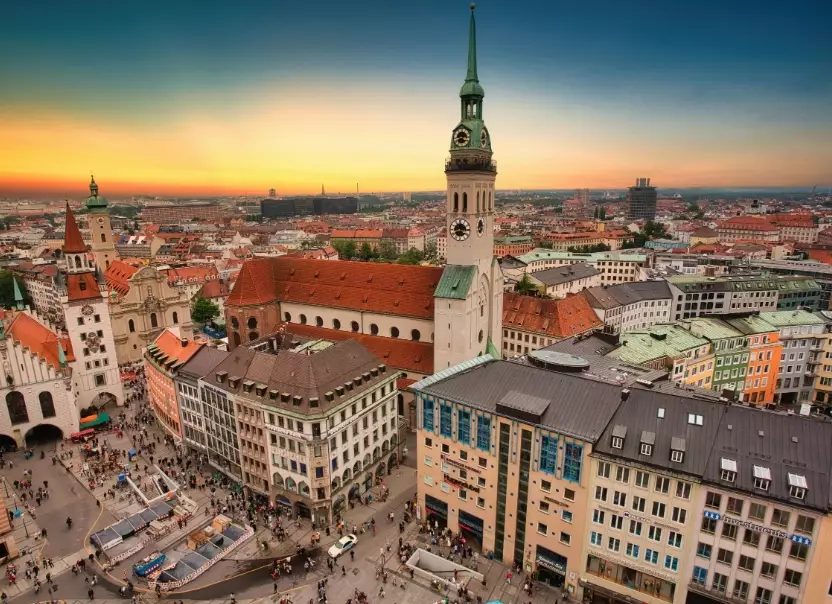
- Tourist Areas: Marienplatz, Englischer Garten, museums, the Hofbr\u00e4uhaus, and virtually all shops and restaurants around the main squares.
- Public Transport: MVV (Munich's transport system) announcements are often bilingual, ticket machines have an English option, and the S-Bahn/U-Bahn maps are color-coded and logical.
- Accommodation & Dining: Hotel staff almost universally speak excellent English. In restaurants, it's very common to have an English menu, or for staff to switch to English seamlessly if they detect any hesitation in your German.
Here's the insider tip that most travel blogs miss: The challenge isn't being understood; it's understanding the system. While you can get by with English everywhere, the true test of friendliness is how the city helps you when you try to speak German.
And Munich excels here. People appreciate the effort. A simple "Hallo" and "Danke" (Hello and Thank you) will open more doors than you think. But more importantly, the efficiency of the city means you rarely need to have a complex conversation. Need to buy a train ticket to Dachau? Use the DB Navigator app in English. Need to find a specific shop in the Viktualienmarkt? The stalls are numbered, and most have their offerings displayed clearly. It's a visual, intuitive system that reduces language to a minimum.
Navigating Bavarian Culture: Directness vs. Rudeness
Bavarians, particularly in Munich, have a reputation for being direct, even blunt. This can be misinterpreted as unfriendliness by Americans used to more circumspect small talk. It's not. It's efficiency and honesty.
Let me give you a concrete example. I once asked for directions to a specific bookstore. The reply was: "Go straight, two blocks, on the left. It's next to the bakery. If you see the bakery, you've gone too far." No "Maybe it's there" or "I think I saw it once." Precise, actionable, and left no room for error. That's friendliness in a Munich context.
Another common cultural point: staring. It's not considered rude here. People will look at you, often out of curiosity, especially if you're speaking English in a non-tourist area. It's not hostility; it's just observation. Smile back, or give a quick nod, and the moment usually passes.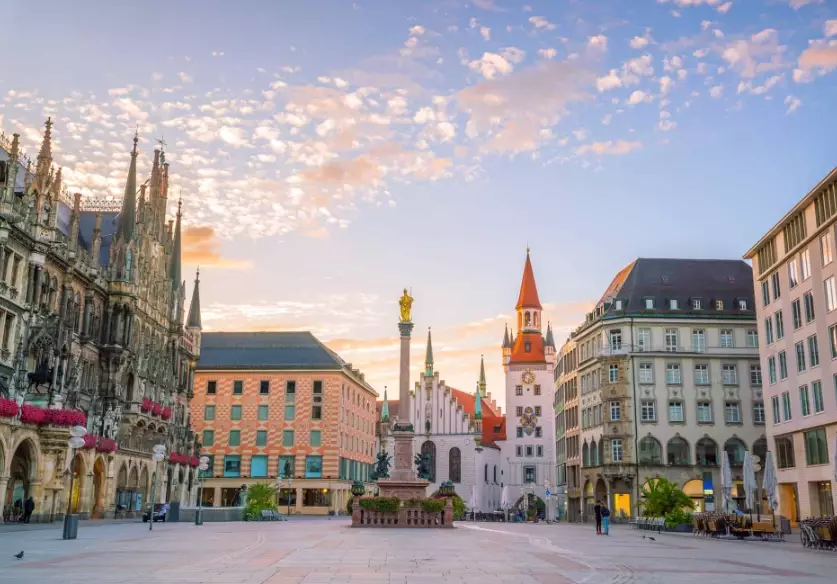
What This Means for Your Visit
In practice, this cultural directness works in your favor. Service in restaurants is efficient, not overly chatty. You order, you get your food, you pay. Transactions are quick and to the point. This efficiency extends to all aspects of public life, making the city incredibly easy to navigate once you understand the rhythm.
Where this might trip up an American is in the evening social culture, which brings us to the next major point.
Daily Life: Efficiency, Rules, and Where to Find Flexibility
Munich runs on rules. This is a city that loves its Ordnung (order). Traffic lights are obeyed, jaywalking is rare, and there's a procedure for everything. This can feel restrictive at first.
But here's the secret: The rules are clear, consistently applied, and designed to make the system work for everyone. This creates a predictable environment that is, ironically, very freeing for a visitor. You don't have to guess.
Let's break down a few key systems where this friendliness shines through:
Public Transportation: Your Best Friend
The MVV network is extensive, reliable, and extremely tourist-friendly. Tickets can be purchased from vending machines in English. The zones are logical (you'll likely stay in the inner White Zone for most attractions). Trams, U-Bahns, and S-Bahns are all clearly marked with their destinations and major stops. Google Maps works flawlessly with real-time data.
But a word of warning from someone who learned the hard way: Do not forget to validate your ticket if you buy a paper strip ticket from a machine! The small, yellow stamping machines are on every platform. No validation means a fine, and the inspectors are not forgiving. This is the one rigid rule you absolutely must follow. Buy a ticket, stamp it immediately. It's a simple, non-negotiable step that saves you a lot of trouble.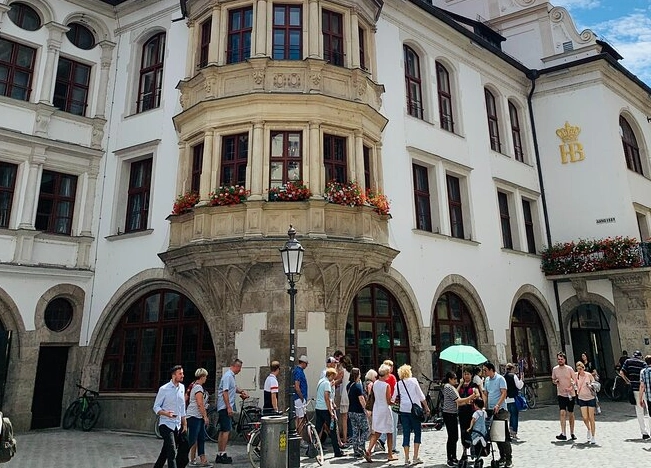
Cycling: A Way of Life
Munich is a cyclist's dream. The city is flat, and there are dedicated bike lanes everywhere. This is a fantastic and friendly way to see the city. You can rent a bike easily from multiple services like MVG Rad (the city's own bike-sharing scheme) or private companies.
Here's my non-consensus, expert opinion: Don't be intimidated by the sheer number of bikes. The flow of cyclists actually follows very predictable patterns. Stay in the designated red bike lanes, follow the traffic lights (they apply to cyclists too), and use hand signals to indicate turns. Once you do it a few times, it becomes second nature. The locals are used to tourists on bikes and are generally patient as long as you're predictable.
Social Life: Breaking the Ice in a Beer Garden
This is where Munich's friendliness truly shines, but it requires a slight shift in approach. The classic Munich social scene revolves around the Biergarten (beer garden). It's an incredibly inclusive and friendly environment for Americans.
You don't need to be a hardcore drinker. A half-liter of Helles (a light lager) or a Radler (beer mixed with lemonade) is perfectly acceptable. The key is to understand the unspoken rules:
- Find a Seat, Any Seat: Long communal tables are the norm. If there's an open spot, you can ask "Ist hier noch frei?" (Is this seat still free?), but often a nod and a smile are enough. Don't be afraid to sit next to strangers.
- Ordering: In traditional Bierg\u00e4rten, you often order from a central food stall or wait for a server to come around. It's efficient. Know what you want before they get to you.
- Paying: It's common to pay as you order, or to get a single bill for the table and split it later. The phrase "Wir zahlen zusammen" (We pay together) or just putting cash on the table works.
The atmosphere is lively, communal, and designed for conversation. It's perfectly normal to strike up a conversation with your table neighbors. A simple "Prost!" (Cheers!) with a raised glass is an easy icebreaker. People are generally there to relax and socialize, making it a low-pressure environment to meet locals.
Where Americans sometimes stumble is in the pace. The initial conversation might be direct, but it's often followed by a genuine interest in where you're from and what you think of Munich. Embrace the directness. It's not small talk; it's real conversation.
Safety, Costs, and the "American Bubble" in Munich
Let's address the practicalities.
Safety
Munich is an exceptionally safe city by any standard. Violent crime is rare. The most common issues for tourists are pickpocketing in crowded areas (like the U-Bahn during Oktoberfest) and bicycle theft. Use common sense: keep your valuables secure, use a good bike lock if you rent one, and you'll be fine.
Costs
Munich is not a cheap city. It's one of the most expensive in Germany. But here's the nuance: It's expensive in a way that often feels fair for the quality you get. A beer in a beer garden might cost you €4.50, but that includes the atmosphere, the seating, and the experience. Public transport is efficient and covers a wide area, making it a great value compared to taxi fares.
My advice? Embrace the public systems. They work, and they make the city accessible. A weekly IsarCard for unlimited transport within certain zones is around €20-€30. That's a steal compared to most US cities.
The "American Bubble"
Now, here's my controversial, expert opinion: Munich is so friendly and accommodating to English speakers that it's possible to live in a comfortable "American Bubble." You can stay in English-speaking hotels, eat in restaurants with English menus, and socialize in expat bars. And you'll have a perfectly pleasant time.
But you'll miss the real Munich.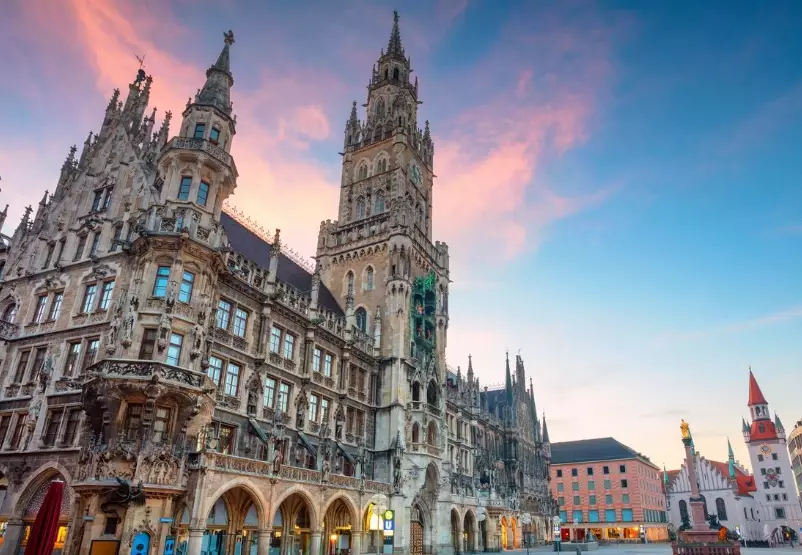
The city's true friendliness lies in its willingness to let you in if you show the slightest effort to engage with its systems. Learn the three key phrases: "Hallo" (Hello), "Danke" (Thank you), and "Ein Bier, bitte" (A beer, please). Use the DB Navigator app. Validate your ticket. Follow the bike lane rules.
Do these things, and Munich doesn't just feel friendly; it feels respectful. It treats you like an adult who can handle a little structure in exchange for a smooth, efficient, and incredibly rewarding experience.
Conclusion: So, Is Munich Friendly to Americans?
I've lived here for over a decade, and I can say this with certainty: Munich isn't just friendly to Americans; it's exceptionally well-designed for them. The combination of widespread English, efficient and logical public systems, a deep culture of hospitality (often wrapped in a direct, no-nonsense package), and a palpable sense of safety makes it an ideal destination.
It's friendly in the way a competent, reliable, and slightly formal friend is friendly. It might not hug you the moment you meet, but it will always give you perfect directions, make sure the system works for you, and then offer you a beer in a stunning park to celebrate figuring it out together. And frankly, that's a better kind of friendliness for a traveler.
So, pack your curiosity, your willingness to follow a few clear rules, and come. Munich is waiting, and it's very, very happy to have you.