Yes, Hamburg is walkable—but with caveats. As someone who's explored its streets for years, I can say it's a city of contrasts. The compact Altstadt and modern HafenCity invite strolls, while industrial zones demand transport. If you plan wisely, walking reveals Hamburg's soul: hidden courtyards, waterfront paths, and bustling markets. Let's cut to the chase and see how to navigate this German gem on foot.
What You'll Find in This Guide
Understanding Walkability: What Makes Hamburg Pedestrian-Friendly?
Walkability isn't just about distance; it's about experience. Hamburg scores well on flat terrain—most areas are easy on the legs. But watch out for weather. Rain is common, and I've been caught in sudden downpours near the Elbe. The city's layout mixes medieval lanes with wide boulevards, creating a patchwork of walkability.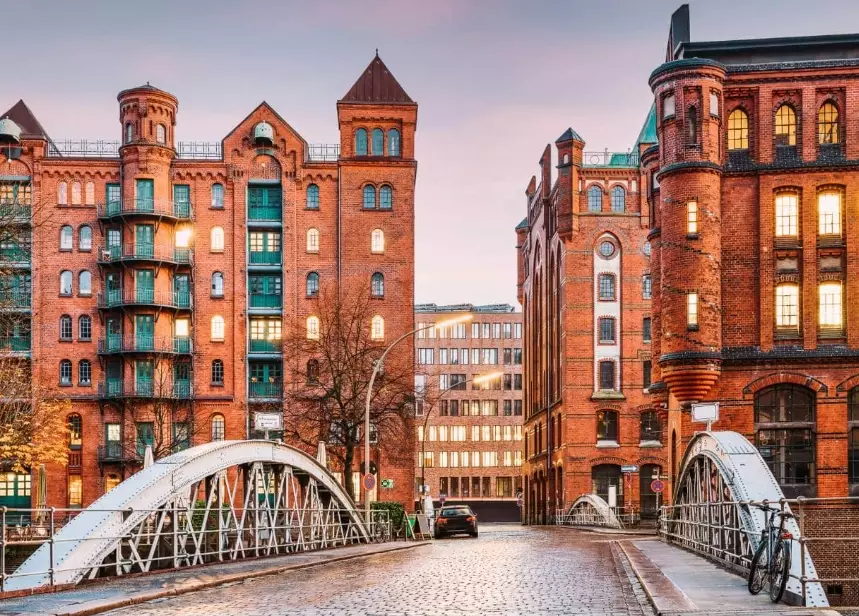
Infrastructure matters. Sidewalks are generally wide, except in historic spots like Deichstraße, where they narrow to a meter. Cyclists share paths, so stay alert—I've had close calls with speedy bikers. Public transport fills gaps; for instance, walking from Hauptbahnhof to the port is doable, but the U-Bahn saves time.
A common mistake? Overestimating walking times. Google Maps might say 20 minutes, but with crowds or photo stops, it doubles. I learned this the hard way trying to reach the Fischmarkt by foot from St. Pauli.
Key Factors Affecting Your Walk
- Terrain: Mostly flat, ideal for casual walks.
- Weather: Pack an umbrella; rain can turn sidewalks slippery.
- Crowds: Tourist hubs like the Rathaus square get packed, slowing pace.
- Safety: Well-lit streets, but avoid isolated areas at night.
Top Walkable Districts in Hamburg: Where to Stroll
Hamburg's districts vary wildly. Here are the best for walking, based on my rambles.
Altstadt: The Historic Heart
Centered around the Rathaus (Town Hall), this area is compact. You can see landmarks like St. Peter's Church and the Chilehaus within an hour's walk. Streets are cobbled, so wear sturdy shoes. I love the morning quiet here before shops open.
Address highlights: Rathausmarkt, 20095 Hamburg; most attractions within 500 meters.
HafenCity: Modern Waterfront
A master-planned district with wide promenades. The Elbphilharmonie plaza offers stunning views, and it's a 10-minute walk from Überseequartar U-Bahn station. Perfect for families—I've seen kids rollerblading along the canals.
Walking time: 30 minutes to cross from west to east, with plenty of benches.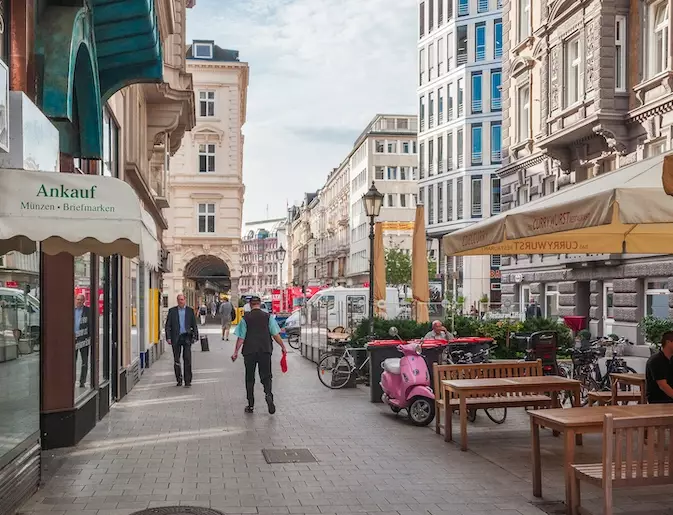
St. Pauli: Vibrant and Lively
Home to the Reeperbahn, this area buzzes day and night. It's safe to walk, but evenings get rowdy. I once got lost in its side streets and stumbled upon a tiny jazz club—worth the detour.
Tip: Stick to main roads like Davidstraße for easier navigation.
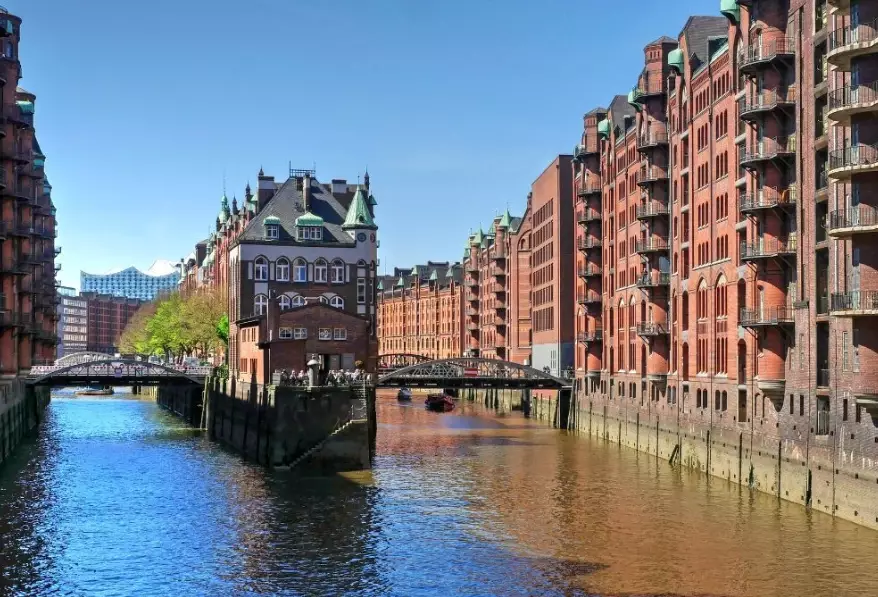
Personal insight: Many visitors skip the Speicherstadt because it seems spread out, but walking its bridges reveals hidden cafés and photo spots. Don't rush it.
Planten un Blomen: Park Perfection
This park is a walker's paradise—car-free paths, gardens, and ponds. From the Dammtor station, it's a 5-minute walk. I often spend hours here, especially during the summer light shows.
Address: St. Petersburger Straße, 20355 Hamburg.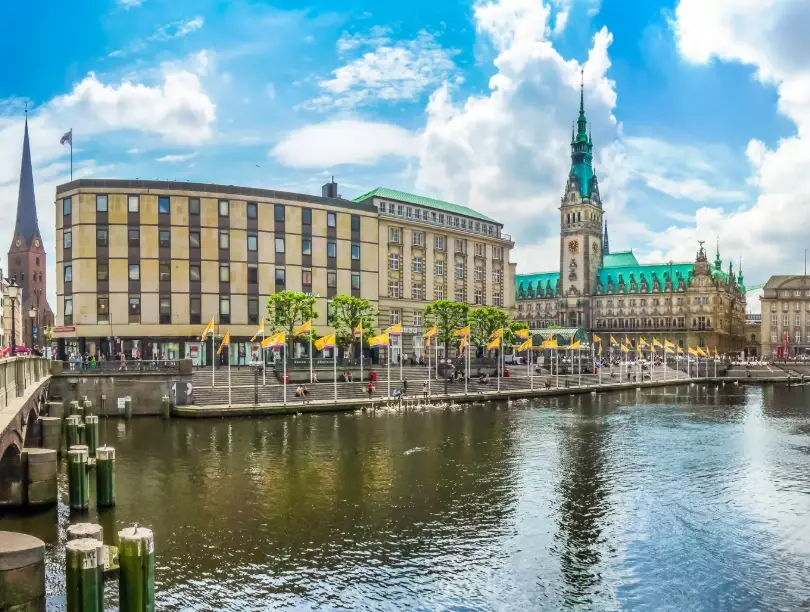
Practical Tips for Walking in Hamburg
Walking in Hamburg isn't just about putting one foot in front of the other. It's about strategy.
Footwear and Comfort
Cobblestones are unforgiving. I made the mistake of wearing fashion sneakers once—my feet ached for days. Opt for cushioned shoes with good grip. Weather changes fast; layer clothing. A light raincoat is non-negotiable.
Navigation and Maps
Google Maps works, but offline maps save data. I use the HVV app for public transport integration. Street signs are in German, but major tourist spots have English. Don't hesitate to ask locals; most speak English and are helpful.
Safety and Etiquette
Crosswalks are respected, but jaywalking can draw fines. I've seen tourists scolded for it. Sidewalks are for walking; cycle lanes are marked in red—stay out. At night, well-lit areas like the Binnenalster are safe, but avoid parks after dark.
Negative note: Some areas, like parts of the port, feel industrial and lack pedestrian charm. I'd avoid walking alone there.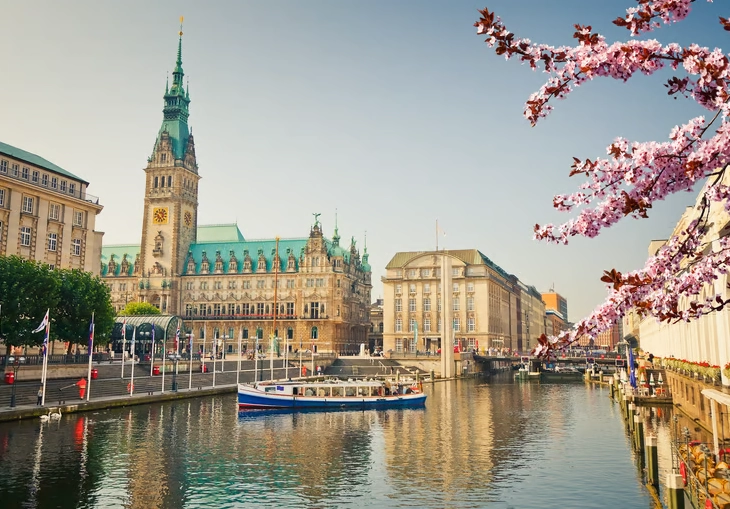
Combining with Transport
Hamburg's walkability shines when mixed with transit. For example, take the U3 to Landungsbrücken, then walk along the Elbe to Övelgönne. Ferries are part of the public transport system and offer scenic breaks. A day ticket costs around €7, worth it for tired legs.
Hidden Gems Accessible on Foot
Beyond the tourist trail, Hamburg hides walkable treasures. These spots require no car.
- Dialog im Dunkeln: An exhibition in the Speicherstadt where you walk in complete darkness, guided by blind guides. Address: Elbphilharmonie Plaza, near the entrance. It's a short walk from the U3 station. I tried it once—it's an eye-opening experience, pun intended.
- Alter Elbtunnel: Walk under the Elbe River from St. Pauli to Steinwerder. It's free and takes about 10 minutes. The vintage elevators are a thrill. I've taken friends here for a unique perspective.
- Kunsthalle Hamburg: An art museum a 15-minute walk from Hauptbahnhof. The collection is vast, and the surrounding streets have quiet cafes. Address: Glockengießerwall, 20095 Hamburg.
- Portugiesenviertel: A quaint neighborhood near the port, known for Portuguese restaurants. It's a 20-minute walk from Landungsbrücken. I love the pastel-colored houses—perfect for a leisurely afternoon.
These aren't in most guidebooks, but they're worth the steps.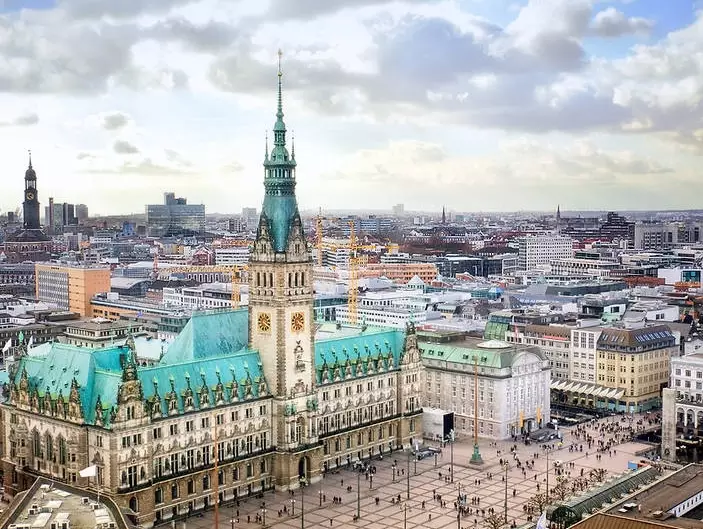
FAQ: Your Questions About Walking in Hamburg Answered
Walking in Hamburg is more than a mode of transport—it's a way to connect with the city's rhythm. From my years of exploring, I've learned that the best discoveries happen on foot, in those unplanned turns. So lace up, plan smart, and let Hamburg's streets guide you. Remember, it's not about covering every inch, but savoring the steps in between.