In This Guide
- The Core Differences That Trip Americans Up
- The Actual Driving Experience: City, Country, and Autobahn
- Paperwork, Police, and Practicalities
- Beyond the Rules: The Cultural Mindset
- Final Verdict: Is Driving in Germany Hard for Americans?
- The Rules of the Road: A Side-by-Side Comparison
- Your Burning Questions, Answered
Let's cut to the chase. If you're an American planning a trip to Germany and wondering about getting behind the wheel, you've probably typed some variation of "Is it difficult for Americans to drive in Germany?" into Google more than once. I did the same thing before my first extended stay there. The short answer? It's not inherently difficult, but it is different in ways that can trip you up if you're not prepared. It's less about skill and more about switching your brain to a new set of rules and a different driving culture. You know that feeling when you visit a friend's house and their light switches work backwards? It's a bit like that, but at 130 km/h on the autobahn.
This guide isn't just a dry list of rules. It's the stuff I wish I'd known, compiled from experience, conversations with German drivers, and a lot of careful reading of official sources. We'll go beyond the basic "drive on the right" stuff and dig into the nuances that actually make a difference between a stressful journey and a fantastic road trip.
The Core Differences That Trip Americans Up
American driving is, in many ways, built around the concept of the forgiving road—wide lanes, generous shoulders, and signage that often repeats itself. German driving culture operates on a principle of efficiency and order. The rules are strict, but they're designed to keep traffic flowing smoothly and safely at high speeds. When you understand the "why," the "what" makes much more sense.
So, is driving in Germany hard for Americans? The challenge usually isn't the mechanics of driving. It's unlearning some habits and adopting new ones. Let's break down the biggest hurdles.
The Rules of the Road: A Side-by-Side Comparison
This table isn't exhaustive, but it hits the major points where Americans consistently get confused or make mistakes. Keep it handy.
| Driving Aspect | Typical U.S. Practice | German Rule & Practice |
|---|---|---|
| Right of Way | Often controlled by 4-way stops or yield signs. The "right-hand rule" exists but isn't universally prioritized. | Rechts vor links (Right before left) is KING in urban areas, unless otherwise signed. At an unmarked intersection, you must yield to traffic coming from your right. This is non-negotiable and a huge source of confusion. |
| Turning on Red | Generally permitted after a full stop unless a sign prohibits it. | Strictly forbidden. You may only turn on red if there is a specific green arrow signal (Grünpfeil) attached to the light post. Running a red to turn is a serious offense. |
| Speed Limits (Autobahn) | Posted and generally enforced (e.g., 65-75 mph). | Where there is no limit posted (a white circle with five diagonal lines means "end of all restrictions"), there is only an advisory speed limit (Richtgeschwindigkeit) of 130 km/h (~81 mph). However, you must always drive at a speed appropriate for conditions. Speeds are in km/h. |
| Speed Limits (City) | Varies, typically 25-35 mph. | The standard limit within city limits (ortsgebiet) is 50 km/h (~31 mph). It's marked by a yellow sign with the town's name. The limit is 30 km/h (~19 mph) in many residential zones. |
| Passing / Lane Discipline | Lane discipline is often lax; passing on either side can occur on multi-lane roads. | Extremely strict. You must always pass on the left. The left lane is only for passing. Once you've passed, you must return to the right. Camping in the left lane will get you aggressively flashed and honked at. Passing on the right is illegal and dangerous. |
| Headlights | Often optional during daytime. | Daytime running lights are mandatory. If your car doesn't have them, you must drive with dipped headlights on at all times. It's about visibility. |
| Environmental Zones (Umweltzone) | Rare, except in a few major cities. | Most German city centers are Umweltzones. You need a specific emissions sticker (Feinstaubplakette) displayed on your windshield to enter. No sticker = a fine. You can order one in advance or sometimes get it at inspection stations (TÜV). Official info is on the German Environment Agency (Umweltbundesamt) website. |
See that right-before-left rule? That's the one that feels the most alien. You'll be rolling up to a tiny intersection in a village, see no signs, and have to remember to check your right. It forces you to be constantly aware, which isn't a bad thing.
The Actual Driving Experience: City, Country, and Autobahn
Let's move from theory to the pavement. What does it feel like to drive there?
Navigating German Cities and Towns
City driving is where the question "Is it difficult for Americans to drive in Germany?" gets real. Streets are narrower, parking is tighter (and often underground or structured), and trams (Straßenbahnen) have the right of way—always. You'll see signs for Einbahnstraße (one-way street) and Fußgängerzone (pedestrian zone) everywhere.
My main piece of advice? Park on the outskirts and use public transport to explore the city core. It's less stressful and often faster. If you must drive in, prepare for paid parking (gebührenpflichtiges Parken). Look for blue zones where you need a parking disc (Parkscheibe) to display your arrival time. You can usually get one from your rental company or a gas station.
The Famous (and Infamous) Autobahn
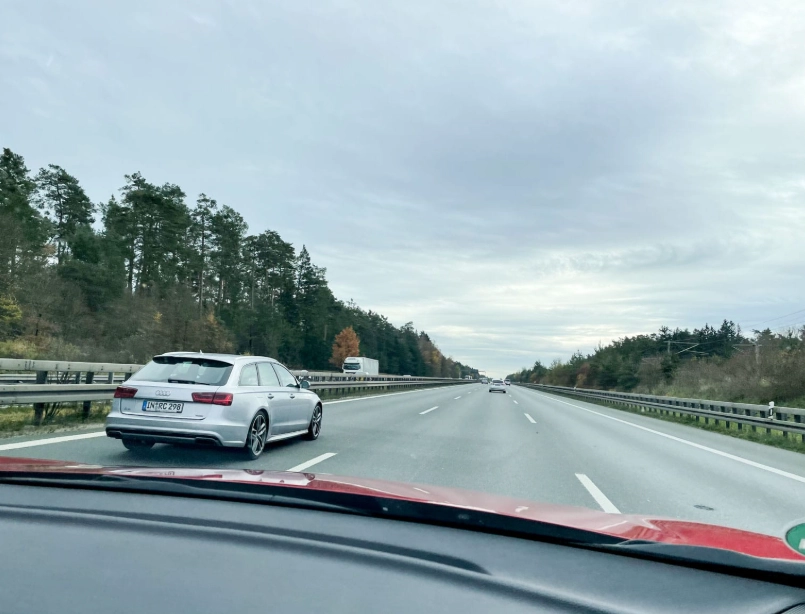
This is what everyone asks about. The sections without a speed limit are a small percentage of the total network, but they're iconic. Driving on them is a study in hyper-awareness.
- Check Your Mirrors Constantly: A car going 250 km/h (155 mph) closes distance on you going 130 km/h with shocking speed. They will appear in your rearview mirror as a tiny dot and be on your bumper in seconds.
- The Left Lane is Sacred: Use it only to pass. Signal, pass decisively, and move back. Don't linger. If someone flashes their high beams at you from behind in the left lane, they're not being rude (well, maybe a little); they're signaling that they are traveling faster and you need to clear the lane. It's the expected protocol.
- Construction Zones (Baustelle): Limits here are strictly enforced, often via automated cameras. The fines are steep and can follow you home via the rental company.
- Tailgating (Drängeln): It happens, especially from drivers in premium sedans. The best response is to calmly move right when it's safe. Don't brake-check them. It's not worth it.
Scenic Rural and Forest Roads
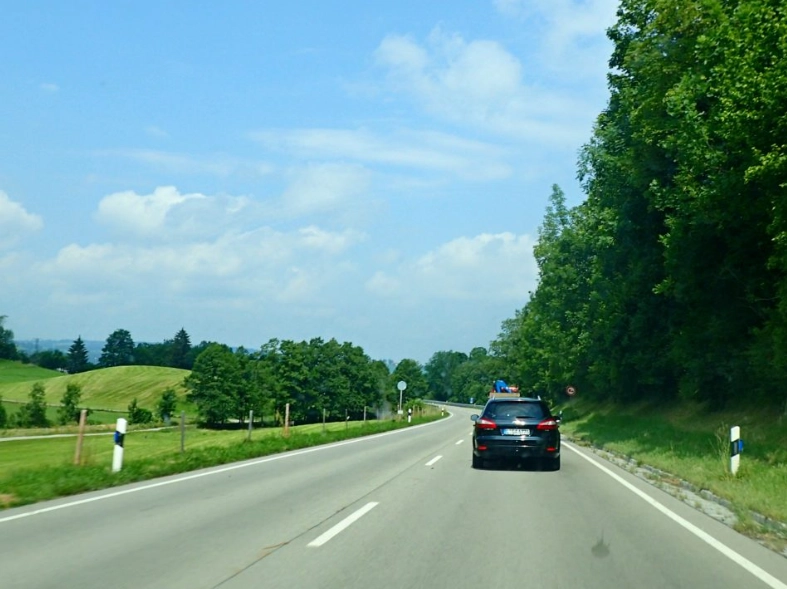
This is where driving in Germany becomes a pure joy. Winding through the Black Forest, the Moselle Valley, or along the Romantic Road is unforgettable. Watch for sharp curves, sudden villages with 30 km/h zones, and, my personal favorite, tractors. Also, deer crossing signs (Wildwechsel) are serious, especially at dawn and dusk.
Paperwork, Police, and Practicalities
Okay, you understand the rules of the road. But what about the bureaucratic stuff?
Your License and Documentation
For most tourist stays (up to 6 months), your valid U.S. driver's license is sufficient. You do not need an International Driving Permit (IDP) by law, but I always get one. Why? It's a translation of your license into multiple languages. If you're pulled over, it makes the interaction with police much smoother. The U.S. Department of State recommends carrying both. The IDP is just a booklet you get from AAA or the National Auto Club for about $20.
You must always have with you in the car:
- Your valid driver's license (and IDP if you have one).
- The vehicle registration papers (Fahrzeugschein). The rental company will leave these in the glovebox.
- Proof of valid insurance (also with the rental).
- Your passport.
What If You Get Stopped by the Police (Polizei)?
It's unlikely if you're driving carefully. If you see flashing blue lights behind you, signal, pull over to the right as far as possible, and stop. Stay in the car, roll down your window, and have your documents ready. Be polite and straightforward. If your German isn't great, lead with "Sprechen Sie Englisch?" (Do you speak English?). Most officers in areas frequented by tourists will speak some English.
Fines (Bußgelder) can be heavy, especially for speeding in construction zones or running a red light. They will issue a ticket. The rental company will eventually charge your card on file, often with an additional administrative fee.
Beyond the Rules: The Cultural Mindset
This is the intangible layer. German drivers are generally predictable and rule-following. They expect you to be the same. Hesitation is more dangerous than a minor mistake. If you have the right of way, take it decisively. Don't wave other drivers on out of turn; it disrupts the expected flow and can cause accidents.
There's also less of a "me first" aggression and more of a "we're all trying to be efficient" aggression. The flashing lights on the autobahn aren't (usually) personal; it's a system cue. Learning that difference lowered my stress levels dramatically.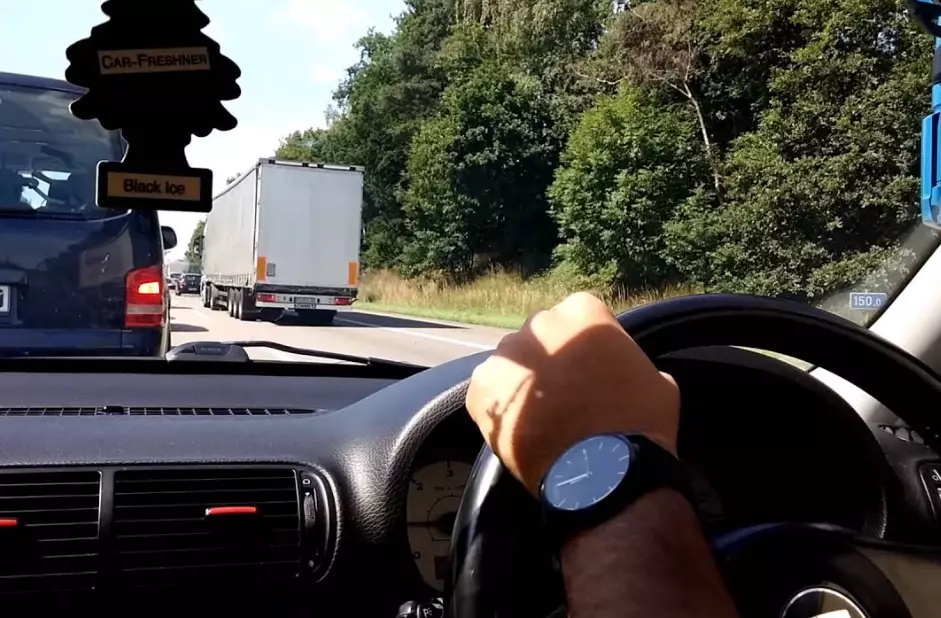
Your Burning Questions, Answered
Final Verdict: Is Driving in Germany Hard for Americans?
Look, if you're a confident, alert, and rule-conscious driver back home, you'll adapt just fine. The difficulty for Americans driving in Germany is front-loaded. The first day or two will be mentally exhausting as you process new signs, convert km/h to mph in your head, and wrestle with roundabout exits. But it gets easier quickly.
The challenges are real but manageable:
- Learning New Rules: Rechts vor links, no turn on red, strict lane discipline.
- Adjusting to Speed: Both the high speeds on the autobahn and the slower, strictly enforced limits in towns.
- Navigational Nuances: Environmental zones, pedestrian areas, and tram lines.
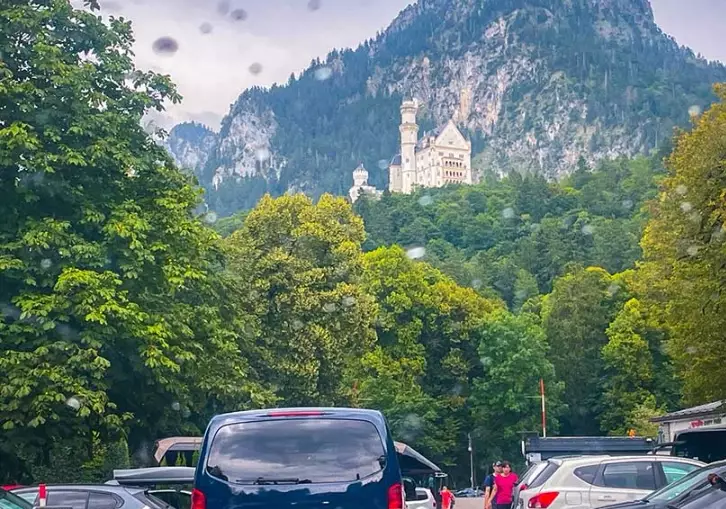
The rewards, however, are immense. The freedom to explore hidden castles, vineyard-lined rivers, and alpine passes at your own pace is unbeatable. You see a side of Germany trains can't reach.
So, is it difficult for Americans to drive in Germany? Not really difficult. It's just different. And with a bit of preparation, that difference becomes part of the adventure.