Your Bite-Sized Guide to Hamburg's Culinary Heart
When people hear "Hamburg food," they often think of the hamburger sandwich. But let me tell you, after living here for over a decade, that's just the tip of the iceberg. Traditional Hamburg food is a hearty, maritime-inspired cuisine shaped by the city's port history. It's about comfort dishes that sailors relied on, sweet treats from local bakeries, and fish preparations that'll make your taste buds sing. I remember my first time trying Labskaus—I was skeptical, but one bite at a tucked-away tavern changed my mind. This guide will walk you through everything, from iconic dishes to where to eat, with practical details so you can plan your trip like a pro.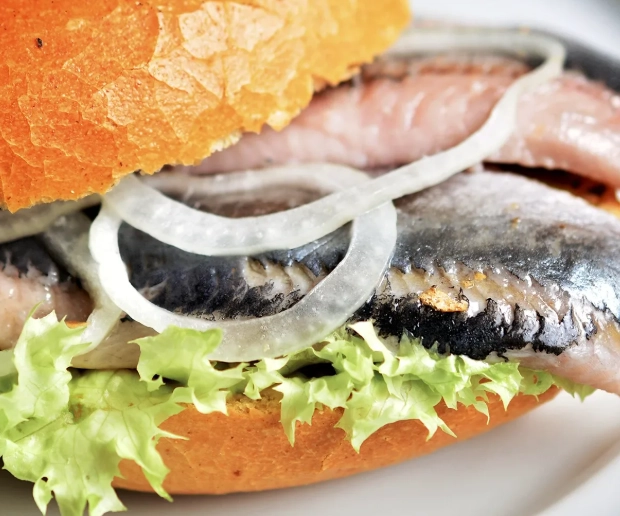
The Unmissable Dishes: Hamburg's Culinary Icons
Hamburg's food scene isn't fancy; it's honest and filling. These dishes have stories behind them, and missing them is like visiting Paris without seeing the Eiffel Tower.
Labskaus: The Sailor's Comfort Food That Divides Opinions
Labskaus is the king of traditional Hamburg food. It's a mashed-up mix of corned beef, potatoes, beetroot, and pickles, usually topped with a fried egg and served with rollmops (pickled herring) on the side. Originating from sailors who needed durable meals on long voyages, it's an acquired taste. Some love its savory richness; others find it too salty. I've had it at dozens of places, and the best versions balance the ingredients so no single flavor overpowers. A common mistake? Eating it too fast—savor each bite with a piece of rye bread.
Franzbrötchen: Hamburg's Sweet Secret for Breakfast
Forget croissants; Franzbrötchen is Hamburg's answer to pastries. It's a cinnamon-sugar rolled dough, flattened and baked until flaky. The name means "French roll," but it's uniquely Hamburg. You'll find it in every bakery, but the quality varies. The best ones have a crisp exterior and a soft, buttery interior. I always grab one from Junge Die Bäckerei on my morning walks—it costs around €2.50 and pairs perfectly with coffee. Don't settle for supermarket versions; they're often dry and lack that fresh-baked aroma.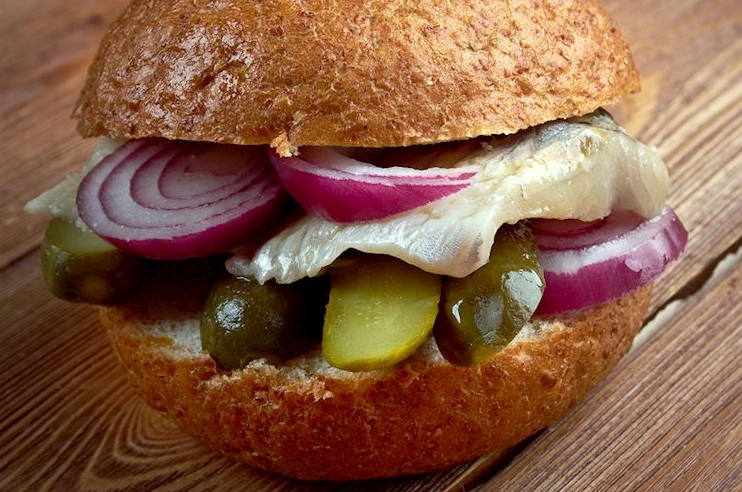
Hamburger Pannfisch: A Fish Lover's Delight with a Crispy Twist
Given Hamburg's port, fish is a staple. Hamburger Pannfisch is pan-fried fish (usually cod or plaice) served with mustard sauce and potatoes. The key is the crispy skin, which should crackle when you cut into it. Many restaurants serve it with a side of apple compote to cut the richness. It's a simple dish, but when done right, it's unforgettable. I've had mediocre versions where the fish was overcooked, so look for places that source fresh catch daily.
Rote Grütze: The Red Berry Dessert That Tastes Like Summer
Rote Grütze is a dessert made from red berries like raspberries and currants, cooked into a thick compote and served with vanilla sauce or cream. It's refreshing and not too sweet, perfect after a heavy meal. During summer, you'll see it everywhere, from cafes to fine-dining spots. Some variations include adding sago or tapioca for texture. My grandmother-in-law makes it with wild berries from the nearby countryside—it's a family recipe that beats any restaurant version, but for travelers, Café Knuth offers a solid rendition for about €6.
Where to Eat: From Historic Taverns to Modern Bistros
Finding authentic traditional Hamburg food requires knowing where to look. Tourist areas like the Reeperbahn can be hit or miss. Here’s a curated list based on my experiences, focusing on places that locals frequent.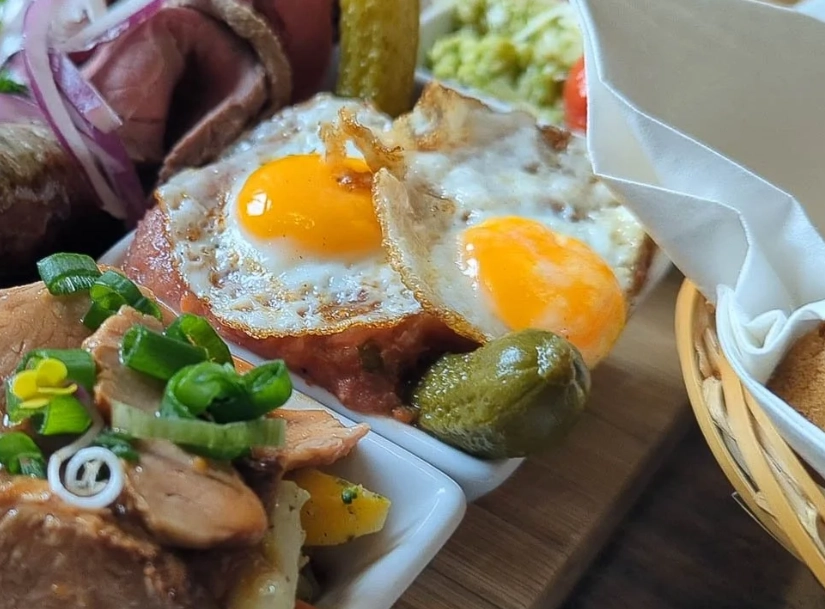
Pro Tip: Always book ahead for dinner, especially on weekends. Many traditional spots are small and fill up fast. Also, check if they accept cards—some older taverns are cash-only.
| Restaurant Name | Address | Specialty Dish | Price Range (per dish) | Opening Hours | Rating (Google) |
|---|---|---|---|---|---|
| Alt Hamburg | Neustadt, ABC-Straße 123 | Labskaus with homemade rollmops | €16-€22 | Mon-Sat: 12pm-10pm | 4.6/5 |
| Fischereihafen Restaurant | Große Elbstraße 143 | Hamburger Pannfisch (fresh daily catch) | €20-€30 | Daily: 11:30am-11pm | 4.5/5 |
| Café Paris | Rathausstraße 4 | Franzbrötchen and breakfast platters | €3-€12 | Daily: 8am-8pm | 4.4/5 |
| Schanze Kneipe | Sternschanze, Schulterblatt 12 | Affordable traditional plates like Rote Grütze | €10-€18 | Mon-Fri: 5pm-1am, Sat-Sun: 12pm-2am | |
| Junge Die Bäckerei | Multiple locations (e.g., Eppendorfer Weg 35) | Fresh Franzbrötchen and breads | €2-€5 | Daily: 6am-6pm | 4.7/5 |
Alt Hamburg is my go-to for Labskaus—the atmosphere is rustic, and they've been serving it since the 1960s. For fish, Fischereihafen Restaurant has a reputation for quality, though it's pricier. If you're on a budget, Schanze Kneipe in the trendy Sternschanze area offers hearty portions without breaking the bank. Don't just stick to restaurants; visit the Hamburg Fischmarkt on Sunday mornings for a chaotic but authentic experience with fresh seafood snacks. The official Hamburg tourism site has more details on market hours.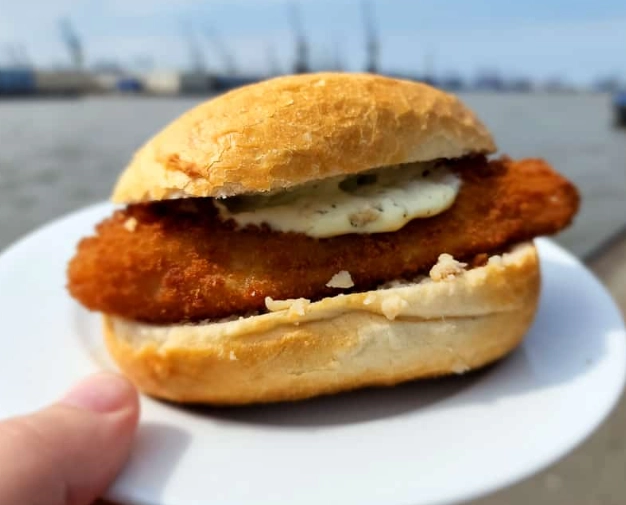
Busting Myths: What You Think You Know About Hamburg Food
There's a lot of misinformation out there. As someone who's eaten my way through this city, let me set the record straight.
Myth 1: Hamburg food is all about the hamburger sandwich. Nope. That's an American creation, though some say it has roots in German immigrants. The real traditional food is more about preservation techniques like pickling and salting, thanks to the maritime climate.
Myth 2: It's all heavy and unhealthy. While dishes like Labskaus are filling, there are lighter options. For example, Matjes (young herring) served with apples and onions is a summer favorite that's relatively light. Also, portions in Hamburg tend to be generous, but sharing is common.
Myth 3: You need to spend a fortune to eat well. Not true. Street food at markets or bakeries like Junge Die Bäckerei can give you a taste for under €5. I've had incredible meals at neighborhood pubs for €15, including a drink. The key is avoiding the waterfront restaurants during peak tourist season—they jack up prices.
Here's an insider tip: Many traditional dishes use simple ingredients, so if a restaurant charges over €25 for Labskaus, it's likely overpriced unless it includes extras like a historic setting.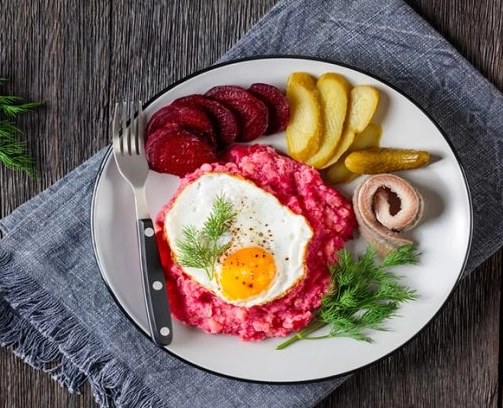
How to Dive Deeper: Tips for Food Lovers
To truly experience traditional Hamburg food, go beyond the restaurant checklist.
Start your day with a Franzbrötchen from a local bakery—early morning is best when they're fresh out of the oven. For lunch, hit a tavern like Alt Hamburg for Labskaus, but pair it with a local beer like Astra or Holsten. Dinner could be Hamburger Pannfisch at a fish restaurant near the port, but check reviews to avoid tourist traps.
Consider joining a food tour. Companies like Hamburg Food Tours offer guided walks that cover history and tastings—I've led a few myself, and it's a great way to sample multiple dishes without committing to full meals. Visit the Hamburg official culture portal for events like food festivals, where you can try traditional recipes with a modern twist.
If you're adventurous, cook at home. Buy ingredients from the Wochenmarkt (weekly market) at Isestraße; you'll find fresh fish and regional produce. I once tried making Labskaus—it was a mess, but fun. For dessert, Rote Grütze is easy to whip up with frozen berries.
Timing matters. Autumn is perfect for hearty dishes, while summer is ideal for fish and desserts. Avoid Mondays, as many traditional restaurants are closed.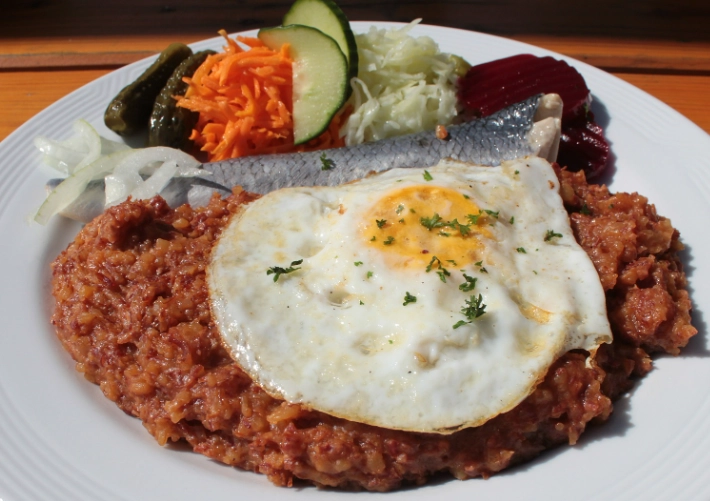
Frequently Asked Questions
Traditional Hamburg food is more than a meal—it's a story of the city's past and present. From the robust Labskaus to the sweet Franzbrötchen, each dish offers a glimpse into local life. Use this guide to explore with confidence, and don't be afraid to ask locals for recommendations. They might just point you to a hidden gem I haven't mentioned. Happy eating!