Let's cut to the chase: there is no single "best" month to visit Munich. Anyone who gives you a one-word answer is oversimplifying. The perfect time depends entirely on what you want. Do you dream of dancing on tables at Oktoberfest, or wandering through a snowy Christmas market with a mug of Glühwein? Are you on a tight budget, or is avoiding crowds your top priority? I've been visiting Munich for over a decade, and I've made the mistake of going at the wrong time for my own preferences. The key is matching the season to your travel personality.
For most people, the sweet spot lands in the shoulder seasons: late May to June and September to October (excluding the Oktoberfest weeks). You get decent weather, fewer people than peak summer, and a vibrant city atmosphere. But let's get into the details.
Your Quick Guide to Munich's Seasons
- Spring in Munich: Blossoms and Beer Gardens
- Summer in Munich: Sunshine, Crowds, and Peak Prices
- Fall in Munich: Oktoberfest and Golden October
- Winter in Munich: Christmas Magic and Cozy Vibes
- Munich Month-by-Month Breakdown
- How to Choose the Best Month for YOUR Trip
- A 3-Day Munich Itinerary for the Shoulder Season
Spring in Munich: Blossoms and Beer Gardens
Spring is a season of awakening here. It's fickle—you might get a sunny 18°C (64°F) day followed by a chilly, rainy one. But when it's nice, it's glorious.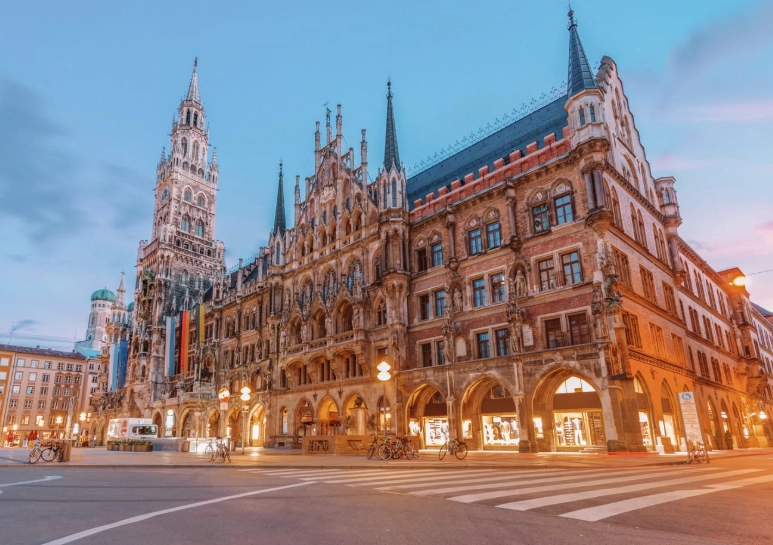
Weather and What to Pack (March - May)
March and April are still cool, with highs around 10-15°C (50-59°F). May warms up to a pleasant 15-20°C (59-68°F). Pack layers: a waterproof jacket, sweaters, a scarf, and definitely comfortable walking shoes. Don't trust the sun in April; I've been caught in a hailstorm after a sunny breakfast.
The Big Draw: Frühlingsfest and Opening of Beer Gardens
This is when Munich starts to live outdoors again. The city's official beer gardens, like the massive Hirschgarten or the Chinese Tower in the Englischer Garten, traditionally open in April if the weather plays ball. It's a local ritual.
In late April, the Frühlingsfest (Spring Festival) kicks off on the Theresienwiese. Think of it as Oktoberfest's little sister—similar vibe with folk music, rides, and giant beers, but with far fewer international tourists. It's more of a local party.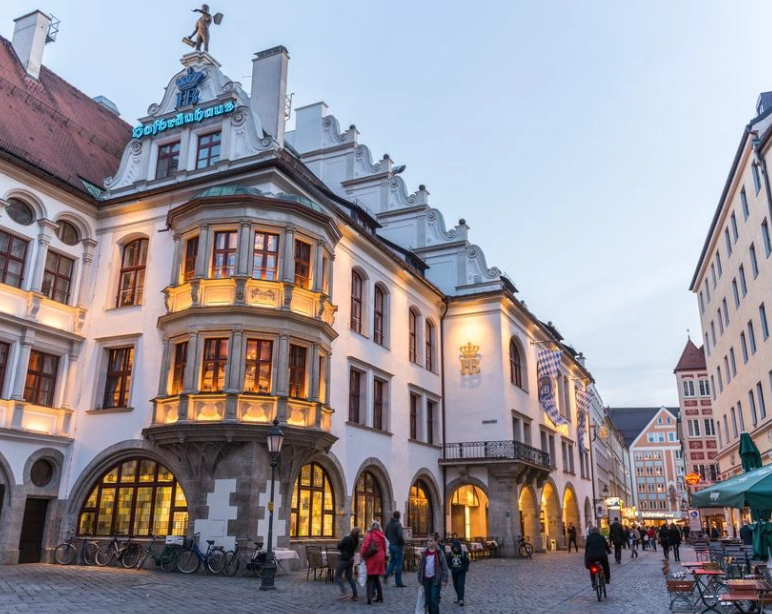
Spring Cons: Unpredictable weather, some outdoor attractions may not be in full swing until May, it can still feel quite quiet compared to summer.
Summer in Munich: Sunshine, Crowds, and Peak Prices
June, July, and August are peak tourist season. The weather is reliably warm, averaging 20-25°C (68-77°F), with long daylight hours perfect for exploring.
What's On and What's Packed
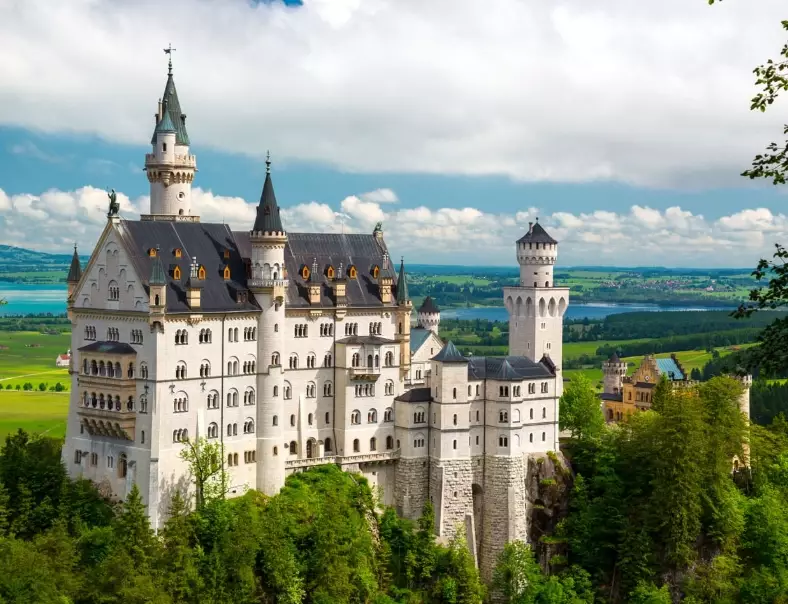
Everything is open and buzzing. You can take a boat trip on the Starnberger See, hike in the nearby Alps, or lounge in the Englischer Garten. However, this also means queues. Expect long lines at the Neuschwanstein Castle (book tickets months in advance), the BMW Welt, and popular museums like the Deutsches Museum.
Accommodation prices hit their annual peak. A room that costs €120 in May can easily be €200+ in July. Restaurants in the city center are packed, and getting a spontaneous table at a place like Augustiner-Keller can be a challenge.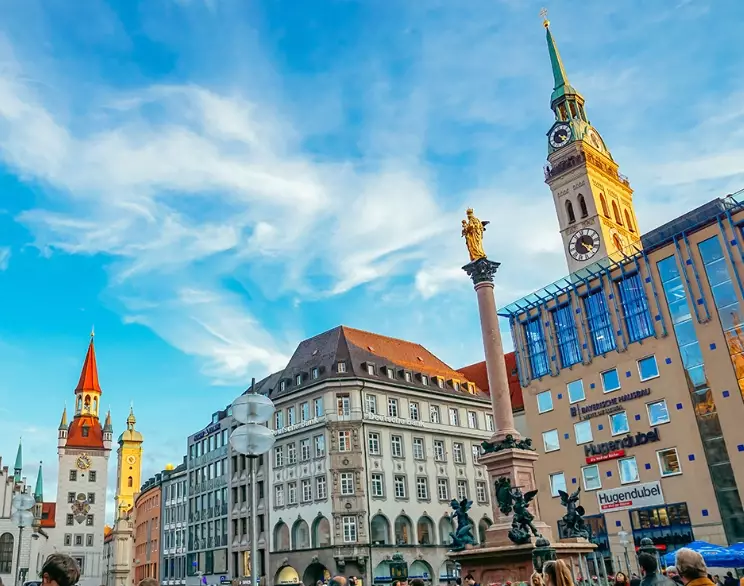
A Local's Summer Tip
If you must go in summer, book everything in advance: hotels, major attraction tickets, even restaurant reservations for dinner. And venture beyond the old town. The neighborhoods of Schwabing or Glockenbachviertel have fantastic, slightly less crowded cafes and beer gardens.
Fall in Munich: Oktoberfest and Golden October
Fall is Munich's most famous season, dominated by one event: Oktoberfest.
Navigating Oktoberfest (Late September - Early October)
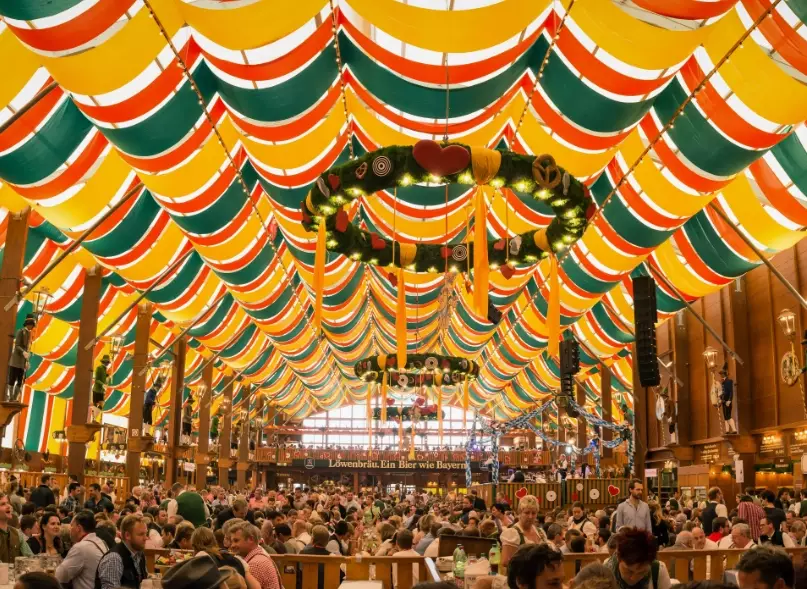
First, a crucial correction: most of Oktoberfest happens in September. The 2025 dates, for example, are September 20 - October 5. If you're coming for the Wiesn, book accommodation a year in advance. Prices are astronomical, and the city center is a sea of lederhosen and dirndls.
Is it worth it? For the experience, absolutely. For a relaxed, cultural trip to Munich? Absolutely not. It's loud, crowded, and expensive. A pro tip: visit on a weekday morning for a slightly calmer experience, and don't even think about getting into a tent without a reservation after 3 PM.
The Secret Winner: Late October
Once Oktoberfest ends around October 5th, a magic period begins. The crowds vanish, prices plummet, and you often get stunning weather known as "Altweibersommer" (Indian summer). The trees in the Englischer Garten turn gold. It's my personal favorite time. You can enjoy the city's museums, beer halls, and cafes with space to breathe.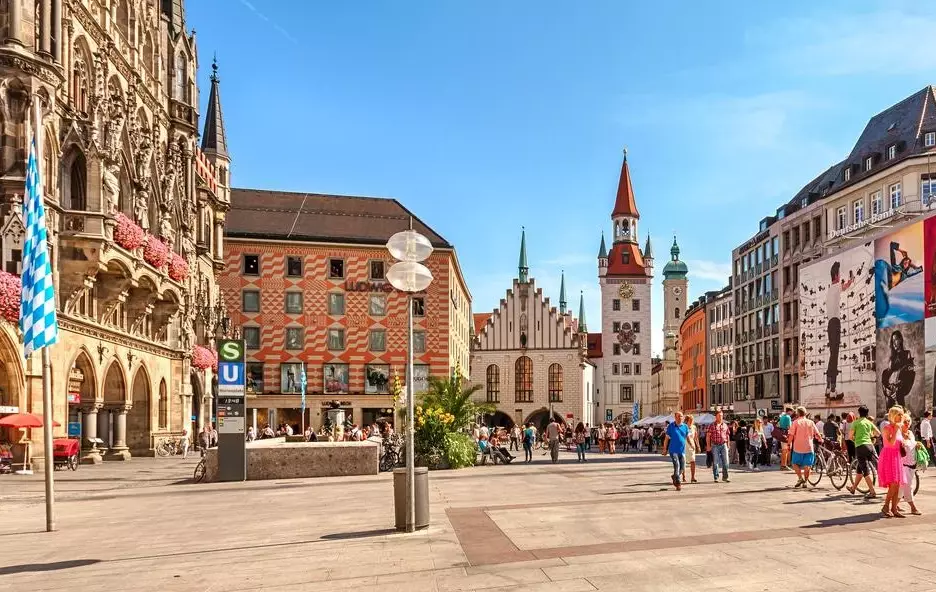
Winter in Munich: Christmas Magic and Cozy Vibes
From late November through December, Munich transforms into a winter wonderland, but January and February are cold and quiet.
Christmas Market Season
The Christkindlmarkt at Marienplatz is the main event, running from late November to December 24th. It's magical, with the scent of gingerbread and mulled wine. But it's also shoulder-to-shoulder crowded, especially on weekends. For a more local feel, try the medieval market at Wittelsbacherplatz or the pink-themed one at the Frauenkirche.
Winter weather is cold, often around 0-5°C (32-41°F), with a high chance of snow, which just adds to the charm. Pack a heavy coat, hat, gloves, and waterproof boots.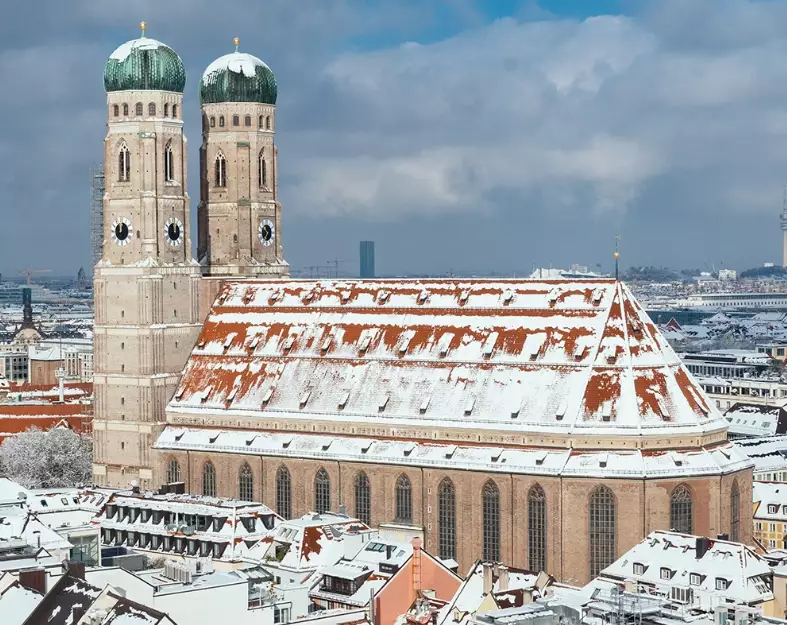
The Post-Holiday Slump
January and February are the low season. It's dark by 5 PM, and some smaller attractions may have shorter hours. The upside? You'll find the best hotel deals of the year, and you can have places like the Nymphenburg Palace almost to yourself. It's ideal for a museum-focused city break or a budget ski trip to the nearby Alps.
Munich Month-by-Month Breakdown
| Month | Avg. High Temp | Key Events & Notes | Crowd Level | Price Level |
|---|---|---|---|---|
| January | 3°C (37°F) | Quiet, post-holiday sales, possible snow. Low season. | Very Low | Low |
| February | 5°C (41°F) | Fasching (Carnival) parades in early Feb. Still cold. | Low | Low |
| March | 10°C (50°F) | Unpredictable. Starkbierfest (Strong Beer Fest). | Low | Low-Medium |
| April | 15°C (59°F) | Easter markets, beer gardens start opening, Frühlingsfest end of month. | Medium | Medium |
| May | 20°C (68°F) | Lovely weather, everything green. A top contender for "best." | Medium-High | Medium |
| June | 23°C (73°F) | Start of peak season. Long days, great for lakes & parks. | High | High |
| July | 25°C (77°F) | Hottest, busiest month. Book everything far ahead. | Very High | Very High |
| August | 24°C (75°F) | Similar to July. School holidays across Europe. | Very High | Very High |
| September | 20°C (68°F) | Oktoberfest (last 2 weeks). City is packed and expensive. | Extreme (Wiesn) | Peak |
| October | 14°C (57°F) | First week: Oktoberfest ends. Rest of month: golden, quiet, lovely. | High then Low | High then Medium |
| November | 8°C (46°F) | Grey and damp until Christmas markets open late month. | Low | Low-Medium |
| December | 4°C (39°F) | Christmas markets in full swing. Magical but crowded. | High | High |
How to Choose the Best Month for YOUR Trip
Stop looking for a universal answer. Ask yourself these questions instead: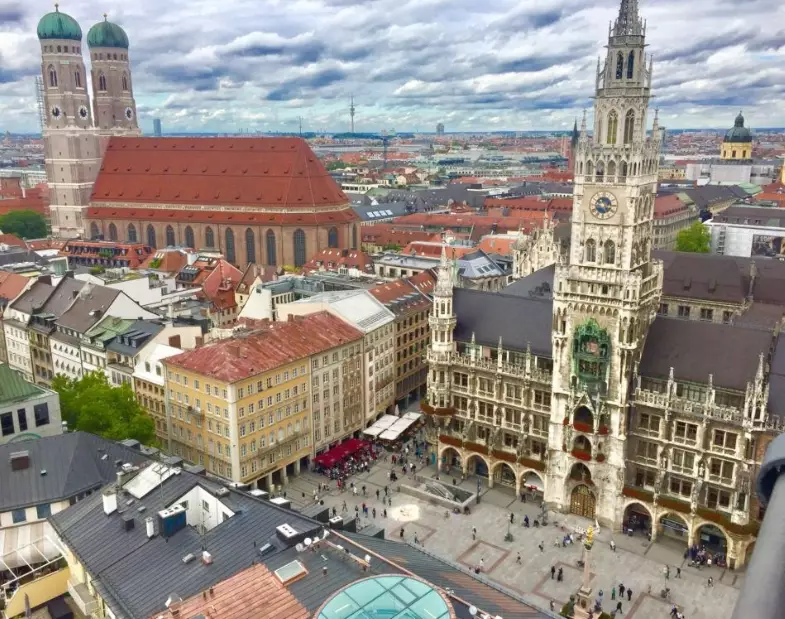
- For Culture & Good Weather: Choose May, June, or late September/October (post-Oktoberfest). You'll hit museums, palaces, and beer gardens in comfort.
- For Families with Kids: Late May or June is ideal. The weather is good for the zoo (Tierpark Hellabrunn), parks, and day trips. Avoid the packed chaos of July/August.
- For Budget Travelers: Target the true off-season: January, February, or November (before markets). You'll find flight and hotel deals. Just pack for cold, grey days.
- To Avoid Crowds: Late October (after Oct 10th) or March. You trade perfect weather for space and lower prices.
- For the Oktoberfest Experience: September. Book 9-12 months ahead. Accept the cost and crowds as part of the package.
- For Christmas Magic: December (first three weeks). Go on weekday mornings to markets for a better experience.
A 3-Day Munich Itinerary for the Shoulder Season
Here’s what a perfect trip looks like in May or October, when the city is at its most enjoyable.
Day 1: The Historic Heart
Start at Marienplatz for the 11 AM Glockenspiel show. Walk to the Frauenkirche (free entry, tower climb €5). For lunch, head to the Viktualienmarkt food market. Grab a pretzel and some cheese. In the afternoon, choose: the lavish Residenz palace (€9 entry) or the thought-provoking NS-Dokumentationszentrum. Evening: Dinner at Augustiner am Dom (Frauenplatz 1) for classic Bavarian fare, then a beer at the historic Hofbräuhaus just to say you've been.
Day 2: Parks, Culture & Beer
Morning at Nymphenburg Palace (€8 summer, €6 winter). The park is free and huge. Take the Tram 17 back towards the city and stop at Schloss Blutenburg. Afternoon in the Englischer Garten. Rent a bike or just walk. See the surfers at the Eisbachwelle, then relax at the Seehaus beer garden by the lake. Evening in Schwabing for a more modern dinner scene.
Day 3: Choose Your Adventure
Option A (Art/History): Museum Island. The Alte Pinakothek (€7, closed Mon) for Old Masters, the Lenbachhaus for Kandinsky and Blue Rider group.
Option B (Day Trip): Take the Bayerische Regiobahn (BRB) train to Herrsching and walk to Andechs Monastery (1.5-hour hike or bus). Drink their famous beer brewed by monks. Or, take a guided tour to Dachau Concentration Camp Memorial (a sobering but essential visit).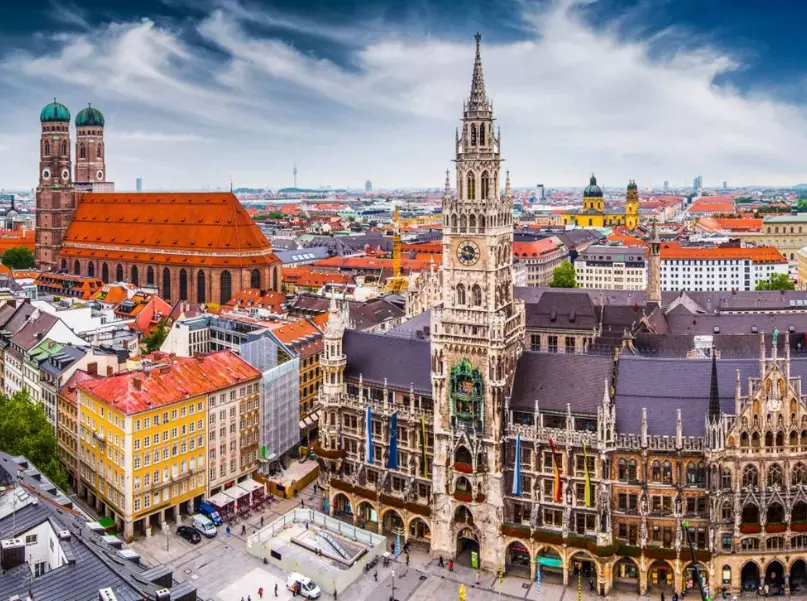
Your Munich Travel Questions Answered
To avoid the worst crowds, when is the absolute best time to visit Munich?
The windows of late April to mid-May and mid-October to mid-November. You largely miss the summer tourist rush and the Oktoberfest madness. The weather can be a gamble, especially in April and November, but you'll have the city's attractions largely to yourself. I once visited in early November and had the entire treasury in the Residenz to myself for a solid hour.
Is Munich worth visiting in the rain or cold months?
Absolutely, if you plan right. Munich is a museum powerhouse. The Deutsches Museum, the Pinakothek galleries, the BMW Welt (free), and the Stadtmuseum are all world-class indoor activities. The cozy atmosphere of a traditional beer hall like Augustiner Keller is actually enhanced by gloomy weather outside. Just pack accordingly and build an indoor-focused itinerary.
What's the biggest mistake people make when planning a trip to Munich?
Underestimating the sheer scale and impact of Oktoberfest. People see "early October" on a calendar and book a "normal" trip, not realizing the festival starts in September and completely overwhelms the city. Hotel prices triple, restaurants are booked solid, and the center is packed. If you don't want the Wiesn experience, avoid those two weeks entirely. Conversely, people avoid October thinking it's all Oktoberfest, missing the glorious second half of the month.
How many days are enough for a first-time visit to Munich?
Three full days is the sweet spot. It gives you one day for the historic center, one day for a major palace/park, and one day for either a deep museum dive or a day trip. With four days, you can comfortably add a day trip to Neuschwanstein or Salzburg without feeling rushed. Trying to do it all in two days means you'll just skim the surface and spend most of your time on trams.
Is it easy to do day trips from Munich without a car?
Incredibly easy. Germany's train system is excellent. You can reach Neuschwanstein Castle (2 hours by train/bus), Salzburg (1.5 hours), Nuremberg (1 hour), Regensburg (1.5 hours), and the Alps (Garmisch-Partenkirchen in 1.5 hours) all on a direct or single-change train. Book regional train (RB, RE) tickets in advance on the Deutsche Bahn website for the best savings, or get a Bayern Ticket for unlimited regional travel within Bavaria for a day.