Planning a Berlin travel itinerary for 5 days can feel overwhelming. The city is massive, layered with history, and packed with things to see. I've visited Berlin more times than I can count, and I still find new corners. The key isn't to see everything—it's to experience the city's unique rhythm. This itinerary is built from my own trips, mixing the iconic sights with the local vibe you won't find in every guidebook. We'll cover logistics, food, and a few mistakes I made so you can avoid them.
Your Berlin Trip at a Glance
Day 1: History & The Heart of the City
Start strong by diving into Berlin's 20th-century history. Get an early start to beat the crowds at the Brandenburg Gate.
Morning: Brandenburg Gate & Reichstag Building
Brandenburg Gate (Brandenburger Tor): It's free, always open, and best seen in the morning light. Pariser Platz, 10117 Berlin. S-Bahn/U-Bahn: Brandenburger Tor. Don't just snap a photo—walk through it. That simple act connects you to centuries of history.
From there, it's a five-minute walk to the Reichstag Building, home of the German parliament. The glass dome is a symbol of transparency. Visiting is free, but you must book online in advance on the Bundestag website. Slots fill up weeks ahead. If you miss out, walking around the building and through the Tiergarten park behind it is still worthwhile.
Afternoon: Memorials & Checkpoint Charlie
Walk south to the Memorial to the Murdered Jews of Europe (free, open 24/7). The field of stelae is powerful. The underground information center (€8) provides crucial context. Give yourself at least an hour here.
Then, head to Checkpoint Charlie. Frankly, it's touristy. The museum (Mauermuseum) is packed with artifacts but feels cluttered. My advice? See the replica booth, read the outdoor panels about escape attempts, then move on. Spend your museum time elsewhere.
Evening: Dinner in Mitte
For a classic, no-fuss German meal, try Zur Letzten Instanz (Waisenstraße 14-16). It's Berlin's oldest restaurant (since 1621). Their pork knuckle is legendary. Expect to pay €18-25 for a main. Book ahead.
Day 2: Museums, Art & The TV Tower
Today is for deep dives into art and history, capped with the best view in town.
Morning: Museum Island (Museumsinsel)
This UNESCO site houses five world-class museums. You can't do all five in one morning. Pick one or two.
- Pergamonmuseum: The Ishtar Gate and Pergamon Altar are breathtaking. Note: The main hall is under renovation until 2027, but a temporary exhibition "Pergamonmuseum. The Panorama" is open. Check the Staatliche Museen zu Berlin website for current status.
- Neues Museum: Home to the iconic bust of Nefertiti. The building itself, rebuilt after WWII, is a masterpiece.
Tickets & Info: Individual museum tickets cost €12-14. The Museum Island Day Pass (€22) gives access to all five on the same day. Opens at 10 am. Address: Bodestraße, 10178 Berlin. U-Bahn: Friedrichstraße.
Afternoon: East Side Gallery & Friedrichshain
Take the S-Bahn to Ostbahnhof to see the East Side Gallery, the longest remaining stretch of the Berlin Wall, now an open-air gallery. It's free and open 24/7. The famous "Fraternal Kiss" mural is here.
Walk along the Spree river into the Friedrichshain neighborhood. It's less polished than Mitte, full of students and great cafes.
Evening: Alexanderplatz & TV Tower
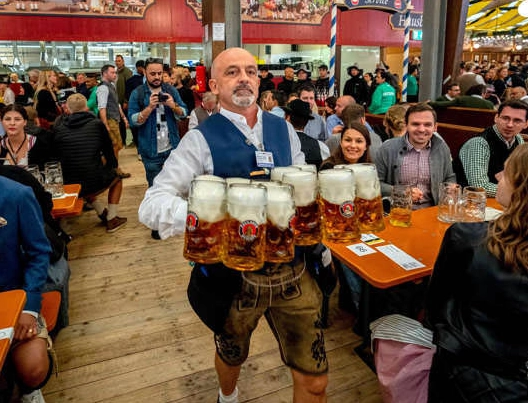
Head to Alexanderplatz. For dinner, skip the generic plaza restaurants and walk a few blocks to Hofbräu Wirtshaus Berlin (Karl-Liebknecht-Str. 30) for a lively Bavarian beer hall experience.
Then, ascend the TV Tower (Fernsehturm). Yes, it's the ultimate tourist move, but the 360-degree view at sunset is unbeatable for understanding Berlin's sprawl. Book a timed ticket online to skip the long queue. Standard ticket is €24.50. Last elevator is at 11:30 pm.
Day 3: Kreuzberg, Street Art & Alternative Berlin
Shift gears from imperial and Cold War Berlin to its gritty, creative, and multicultural heart.
Morning: Turkish Market & Markthalle Neun
If it's a Tuesday or Friday, visit the Turkish Market (Türkenmarkt) along the Maybachufer canal in Neukölln. It's a sensory overload of spices, olives, and textiles.
For foodies, Markthalle Neun in Kreuzberg (Eisenbahnstraße 42/43) is a must. It's a historic market hall with permanent vendors and special events. Their Thursday Street Food Thursday (5-10 pm) is legendary. Come hungry.
Afternoon: Street Art Tour & Görlitzer Park
Kreuzberg is Berlin's street art epicenter. Instead of just wandering, consider a paid walking tour with a local artist. They explain the culture and politics behind the murals. Tours start around €15-20.
Walk through Görlitzer Park (be mindful of your belongings) to experience a slice of local life, then explore the surrounding streets like Oranienstraße for quirky shops.
Evening: Dinner & Nightlife
For fantastic, affordable Vietnamese food—a Berlin staple—try Monsieur Vuong (Alte Schönhauser Str. 46) in nearby Mitte. It's always busy, with a changing daily menu (€10-15).
Kreuzberg's nightlife is famous. For a classic Berlin bar, try Luzia (Oranienstraße 34) or SO36 (Oranienstraße 190) for punk and indie concerts.
Day 4: Palaces, Parks & A Day Trip to Potsdam
Escape the urban core for a day of royal splendor. Potsdam is easily reached with your ABC zone transport ticket.
Getting There & The Must-Sees
Take the S-Bahn S7 (direction: Potsdam Hbf) or Regional Express RE1 from central stations. The ride takes 40-50 minutes.
Potsdam's main attraction is Sanssouci Park, a vast UNESCO-listed park with multiple palaces.
| Attraction | Key Info | Ticket Advice |
|---|---|---|
| Sanssouci Palace | Frederick the Great's summer retreat. The iconic terraced vineyard. | €14. Timed entry mandatory. Book online early. |
| New Palace (Neues Palais) | Opulent, baroque palace at the park's west end. Over 200 rooms. | €10. Less crowded than Sanssouci. |
| Cecilienhof Palace | Site of the 1945 Potsdam Conference. Feels like an English manor. | €12. Located in a different park (Neuer Garten). |
You cannot see all three interiors in one day. Choose one palace interior (Sanssouci is the star), then enjoy walking the stunning gardens for free. The Orangery Palace and Chinese House are beautiful exterior stops.
Lunch & Return
Have lunch in the Dutch Quarter (Holländisches Viertel), full of charming red-brick houses and cafes. Try Restaurant Juliette (Jägerstraße 39) for French cuisine in a cozy setting.
Head back to Berlin in the late afternoon. You'll be tired—plan a relaxed evening.
Day 5: Remembrance, Shopping & Farewell
Use your final day to tie up loose ends, reflect, and pick up souvenirs.
Morning: Topography of Terror & Jewish Museum
The Topography of Terror documentation center (free) is built on the former Gestapo headquarters. The outdoor exhibition along the remaining Wall segments is exceptionally well-done and sobering. Opens at 10 am.
A short walk away is the Jewish Museum Berlin (Jüdisches Museum). The zinc-clad building by Daniel Libeskind is an architectural experience in itself. The permanent exhibition (€8) traces two millennia of German-Jewish history.
Afternoon: Final Shopping & KaDeWe
For high-end souvenirs and a food hall experience, visit KaDeWe (Kaufhaus des Westens), Europe's largest department store. The 6th-floor gourmet food hall is insane. Even if you don't buy the €100 truffles, it's fun to browse.
For more alternative gifts, head back to the Hackescher Markt area. The Hackesche Höfe courtyards are filled with unique design shops.
Evening: A Final Beer
End your trip like a Berliner. Find a Späti (a late-night kiosk), buy a bottle of Berliner Pilsner or a Club-Mate, and sit by the river or in a nearby square. Soak in the city's unpretentious, open-air vibe one last time.
Essential Berlin Travel Logistics
Getting Around
Public Transport (BVG): The U-Bahn (subway), S-Bahn (elevated train), trams, and buses are excellent. The system works on an honor system—you must validate your ticket before boarding. Fines for riding without a valid ticket are €60. The Berlin WelcomeCard is your best bet.
Walking & Biking: Berlin is flat and very walkable for neighborhoods. For longer distances, rent a bike. Nextbike and Lidl-Bike are popular app-based services.
Where to Stay: A Quick Comparison
Mitte: Best for first-timers. Central to major sights. Can be more expensive and less "local."
Kreuzberg/Friedrichshain: Best for nightlife, food, and alternative culture. Lively, sometimes noisy.
Prenzlauer Berg: Charming, leafy, family-friendly. Great cafes and boutiques. Slightly further from some sights.
Charlottenburg: More upscale, quieter. Good hotel deals west of Zoo Station.