Let's cut to the chase. The absolute worst time to visit Germany is the deep winter period from mid-January through February, closely followed by the days immediately surrounding major national holidays. If your dream vacation involves sunny strolls through historic towns, hiking in the Black Forest, or enjoying a beer in a bustling outdoor beer garden, booking a trip during these windows is a fast track to disappointment. I've lived here for over a decade, and I've seen too many visitors make this critical timing mistake, ending up cold, frustrated, and locked out of the experiences they came for.
The "worst" time isn't just about bad weather. It's a perfect storm of minimal daylight, skeletal landscapes, sky-high prices for limited indoor activities, and a local population that's either hibernating or celebrating in a way that excludes tourists. This guide isn't about scaring you away; it's about giving you the honest, granular details most travel blogs gloss over, so you can make an informed choice or, if you're stuck with those dates, learn how to salvage your trip.
Your Quick Guide to Avoiding a Bad Trip
The Absolute Worst Periods (And Why)
Forget vague seasons. We're talking specific months and even weeks where the cons dramatically outweigh any potential pros.
January & February: The Gray Abyss
This is the champion of bad timing. After the magical glow of the Christmas markets fades around December 23rd, Germany plunges into a period locals call "Januarblues" or "Februarhölle" (February-hell).
| Factor | January Reality | February Reality |
|---|---|---|
| Weather & Daylight | Consistently below freezing. Gray skies 80% of the time. Sunset around 4:30 PM. Bare trees, often no snow in cities, just slush. | Marginally less cold, but often wetter. Still very gray. Days lengthen slightly, but it's still dark by 5:30 PM. |
| Tourism Infrastructure | Many smaller museums, castles (like Neuschwanstein's interior), and boat tours on the Rhine go into winter closure or operate on drastically reduced hours. You'll find "Winterpause" (winter break) signs everywhere. | Similar to January. Outdoor attractions like the Zugspitze Plateau or Berchtesgaden's boat tours are either closed or require serious cold-weather gear. |
| Crowds & Prices | Few tourists, but also little atmosphere. Flight prices are low, but you get what you pay for. Hotels are cheap but often feel empty and dreary. | Disrupted by Karneval/Fasching (see below). Hotel prices spike in Cologne, Düsseldorf, Mainz. Elsewhere, it's dead. |
| Local Life | Germans are at work, recovering from the holidays, and avoiding the outdoors. The famous German "Gemütlichkeit" (coziness) is happening in private homes, not public spaces. | Complete chaos in the Rhineland and parts of SW Germany due to Karneval. Parades, drunk crowds, and everything else is secondary. Not a tourist-friendly "festival" for the uninitiated. |
I made the mistake of planning a Rhine Valley trip in late January once. The castles were shrouded in mist, the vineyard terraces were brown mud, and the only boat running was a cramped, heated ferry with steamed-up windows. We saw nothing. The charming towns felt like film sets after everyone had gone home. It was profoundly underwhelming.
The Karneval Trap: Many see "Carnival in Germany" and think it's a great time to visit. For participants, it is. For a typical tourist wanting to see Cologne Cathedral or explore Düsseldorf's Altstadt, it's a nightmare from Thursday before Ash Wednesday through Rose Monday. Hotels are booked a year in advance, prices triple, the streets are packed with costumed, drunk revelers, and normal sightseeing is impossible. It's not a spectator event; it's a massive, localized, participatory party that swallows entire cities. Unless you're joining in with a local group, avoid Cologne, Düsseldorf, and Mainz like the plague during this period.
Major Holiday Bridges: The Crowd Tsunami
Germany has several nationwide holidays that, when they fall near a weekend, create "Brückentage" (bridge days) where the entire country takes a long weekend and travels. The worst are:
Easter Weekend (Good Friday to Easter Monday): Everything is closed on Good Friday and Easter Monday. Supermarkets, most shops, many restaurants. Travel on the Thursday before and the Tuesday after is some of the heaviest of the year. If you're trying to rent a car or get a train ticket last minute, forget it. Hotel prices are at peak levels.
Ascension Day (Father's Day) & Pentecost/Whit Monday: Similar to Easter. Ascension Day is also a de facto national drinking day for men, leading to boisterous groups in public spaces. Travel chaos ensues.
During these times, you're not experiencing Germany; you're experiencing a traffic jam or a fully booked train alongside millions of Germans doing the same. The Autobahn becomes a parking lot, and the peace of the Romantic Road vanishes.
Other Tricky Months to Navigate
These aren't the "worst," but they come with significant caveats that can ruin a trip if you're not prepared.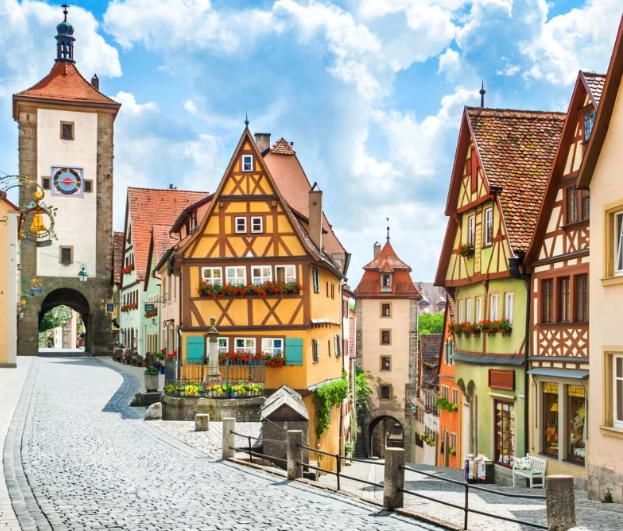
November (excluding the last week): The weather is usually dismal—cold, rainy, and foggy. The Christmas markets haven't started (they open around late November). It's the in-between period with none of autumn's charm and none of winter's festivities. It's just... damp. Attractions are open, but the ambiance is lacking.
March: Touted as the start of spring, but in Germany, it's a cruel joke. It can be sunny and 15°C one day and snowing the next. Hiking trails are often muddy quagmires. The famous cherry blossoms in Bonn or the Rhine Valley? They usually don't bloom until mid-to-late April. Coming in early March expecting spring flowers is a classic rookie error.
December (the Christmas Market period): I'll be controversial here. For the experience, it's magical. For practical travel, it's awful. It's the most crowded and expensive time of year. Every hotel near a market is booked. The markets themselves in places like Nuremberg, Rothenburg, and Munich are packed shoulder-to-shoulder after 4 PM. If you hate crowds, you will hate this. It's a trade-off: you endure the logistical pain for the unique atmosphere.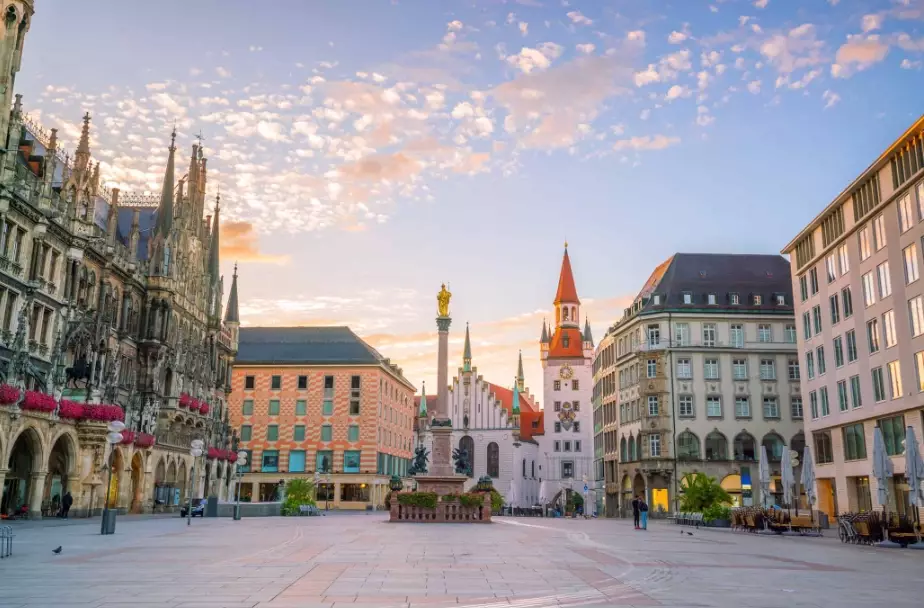
How to Salvage a Trip During the Worst Time
Stuck with a February business trip or a January family visit? All is not lost. You just need to pivot your strategy completely.
Abandon the classic tourist trail.
Embrace the Cities: Major cities like Berlin, Hamburg, and Leipzig thrive in winter. Their cultural scenes are indoor and year-round. Spend days hopping between world-class museums (Pergamon, Deutsches Historisches Museum), contemporary art galleries, covered markets like Markthalle Neun, and cozy third-wave coffee shops. Berlin's nightlife doesn't care what month it is.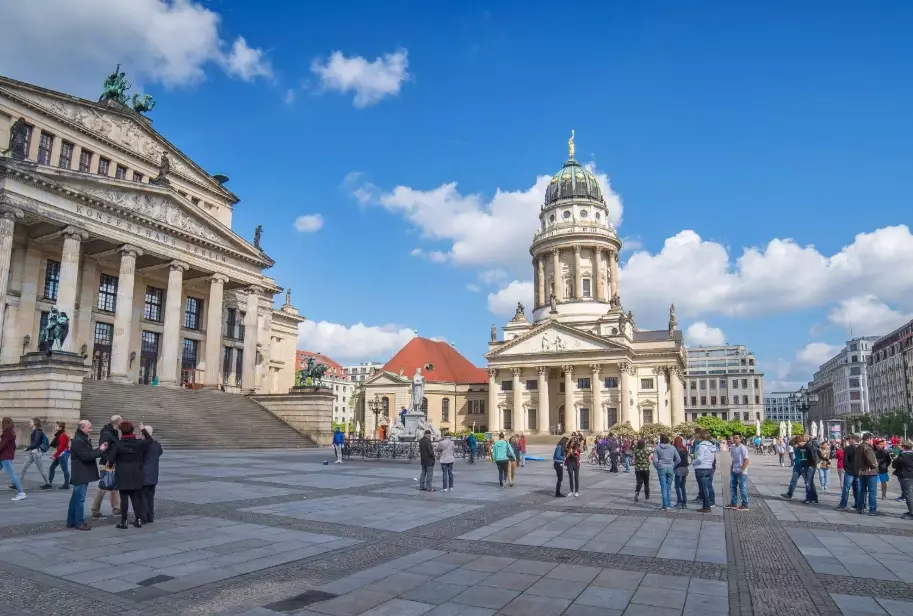
Seek Out Specific Winter Activities: Go all-in on the season. Book a stay in a proper ski resort in the Bavarian or Austrian Alps (like Garmisch-Partenkirchen). Visit the thermal spa towns like Baden-Baden or Wiesbaden. The contrast of sitting in a 38°C outdoor thermal pool while snow falls around you is unforgettable. These places are designed for winter.
Manage Your Expectations and Logistics: Book everything in advance—especially rental cars and long-distance train tickets (look for Sparpreis fares on the Deutsche Bahn website). Pack for the worst: waterproof boots, layers, a warm coat, and gloves are non-negotiable. Plan your day around daylight: do outdoor sightseeing between 10 AM and 4 PM, and save museums and long meals for the evening.
Focus on indoor wonders: the Baroque libraries, the spectacular swimming pools like Stuttgart's MineralBad Leuze, or take a factory tour (VW in Wolfsburg, BMW in Munich).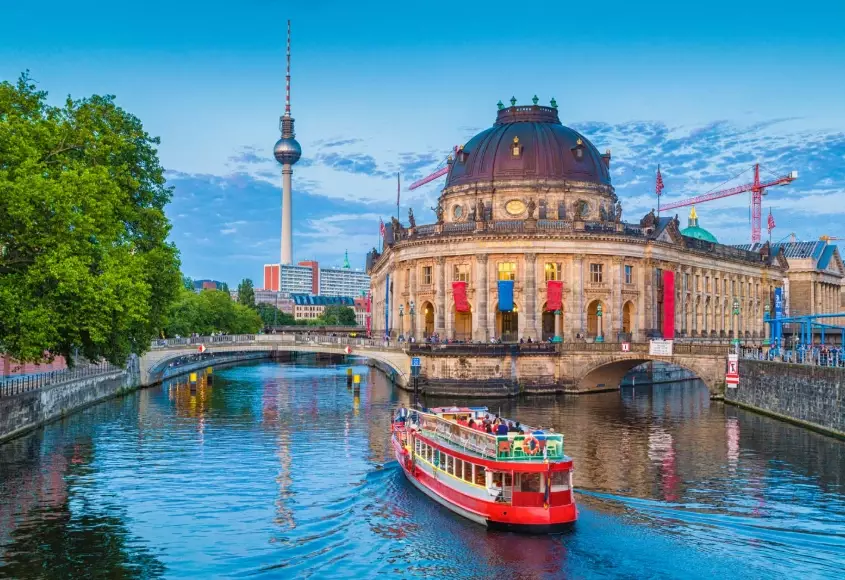
Your Burning Questions Answered
Is visiting Germany in January a complete disaster if I only want to see cities like Berlin and Munich?
It's suboptimal, but not a disaster if you strategize. Munich suffers more than Berlin. Its highlights—the English Garden, Nymphenburg Palace gardens, the Viktualienmarkt open-air market—are bleak and cold. Berlin, built on grit, has more going on indoors. You can still have a good trip, but it will be a museum, gallery, and restaurant-heavy itinerary. You'll miss the city's outdoor vibrancy. A pro tip: In Munich, use the extensive underground S-Bahn and U-Bahn system to minimize time outside walking between sights. The Deutsches Museum is a perfect full-day shelter.
We're considering early December for the Christmas markets but hate crowds. Is there a way to make it work?
Yes, but you must be tactical. Avoid weekends. Visit markets on Monday-Thursday mornings or early afternoons. The difference in crowd levels is staggering. Stay in a town with a smaller, authentic market and do a day trip to the big names. Try towns like Esslingen (medieval market), Monschau (fairytale setting), or Lübeck. Book your accommodation at least 6 months in advance. And mentally prepare to pay peak-season prices for everything.
What's the single biggest mistake people make regarding the worst time to visit?
Assuming "Germany" is one weather zone. They book a trip to Hamburg in February expecting a winter wonderland, but it's just rain and wind at 2°C. Or they book a trip to the Alps in late March expecting to ski, but lower slopes are already slushy. They don't research the micro-climate of their specific destination. The Baltic coast is windy and harsh in winter. The Rhine Valley is damp and foggy. The Alps are cold and snowy. Know what you're signing up for in your chosen region. The German Weather Service (DWD) website has excellent historical data.
If January-February is worst, when is the absolute best time to visit for good weather and fewer crowds?
The shoulder months of late May to mid-June and September. You get long days, pleasant temperatures, spring flowers or early autumn colors, and the summer vacation crowds haven't arrived or have just left. It's the sweet spot. Early October can also be lovely, but days get shorter quickly.