Quick Guide Navigation
- What Exactly Are German Pastries? Breaking Down the Categories
- The Must-Try List: A German Pastry Guide's Top Picks
- How to Navigate a German Bakery: A Practical Guide
- German vs. French Pastries: What's the Real Difference?
- Your German Pastry Guide Questions, Answered
- Bringing It Home: Trying Your Hand at German Baking
Let's talk about German pastries. I remember my first real encounter wasn't in some fancy cafe, but at a packed train station bakery in Munich, damp from the rain, grabbing something quick. The sheer variety behind the glass counter stopped me cold. It wasn't just croissants and muffins. There were plaited loaves dusted with sugar, fruit-laden slabs of cake, and strange-looking things with funny names. I pointed at something randomly, and that first bite of a warm Streuselkuchen – buttery crumble topping giving way to soft, yeasty dough – was a revelation. It was hearty, not overly sweet, and felt… substantial. That's when I knew I needed a proper German pastry guide in my life, not just for me, but for anyone curious about what lies beyond the ubiquitous Apfelstrudel.
German baking is a universe of its own. It's deeply regional, steeped in tradition, and often reflects the practical, hearty nature of the cuisine. A lot of it is based on yeast doughs, which gives many pastries a bread-like quality that can be surprising if you're used to French flakiness. Then there's the obsession with quark (a fresh dairy product), poppy seeds, plums, and apples. And the cakes! They're often served in massive, sheet-pan sized portions at cafes, cut into rectangles – no dainty slices here. This guide is my attempt to map out that universe for you. We'll break down the types, name names (and how to pronounce them, which is half the battle), and figure out how to navigate a German bakery without just pointing and hoping for the best.
What Exactly Are German Pastries? Breaking Down the Categories
Calling everything a "pastry" is a bit misleading. In English, we lump a lot together. In German, the distinctions matter. Understanding these categories is the first step in any good German pastry guide. It helps you know what you're getting into, texture-wise and flavor-wise.
Hefeteig: The Yeast Dough Foundation
This is the backbone. Hefeteig is a sweet, enriched yeast dough – think of it as the cousin of brioche, but often less eggy and rich. It's used for a huge range of goods. The texture is soft, slightly chewy, and wonderfully absorbent for fillings and toppings. When you see a pastry that looks like a sweet bread or has a soft, golden-brown, slightly domed top, it's probably Hefeteig. Classics here include Streuselkuchen (crumb cake), Zöpfe (sweet braided bread), and Berliner (jam-filled doughnuts). I find these the most satisfying for breakfast or with an afternoon coffee. They're filling without being overly sweet.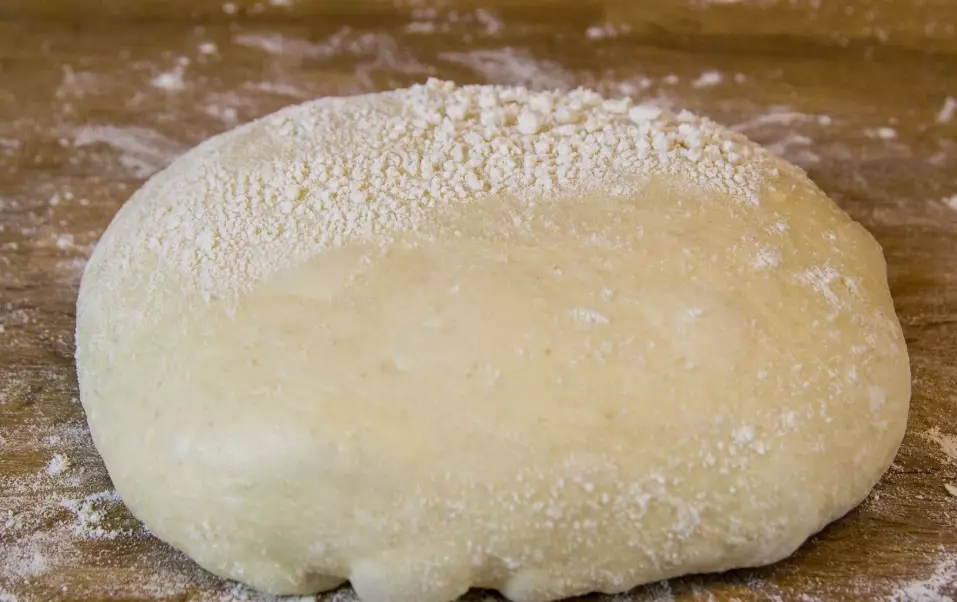
Mürbeteig & Blätterteig: Shortcrust and Puff Pastry
Mürbeteig is the German shortcrust pastry. It's crumbly, buttery, and used as the base for fruit tarts (Obstkuchen or Obsttorte), where the fruit is the star. Think of a Zwetschgenkuchen (plum tart) – the crust is just a vehicle for the juicy, tart fruit. It's simple and perfect. Blätterteig is puff pastry, and while the French might claim mastery, Germans use it brilliantly in savory and sweet applications. Apfelstrudel is the most famous example, though purists will tell you true strudel dough is a different, paper-thin beast. You'll also find it in cream slices (Blätterteigschmitter) and various turnovers.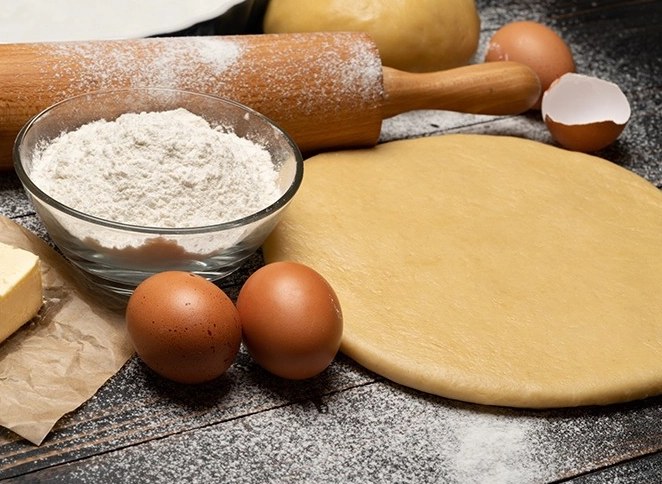
Torten & Kuchen: The Cake Conundrum
This trips everyone up. Broadly, a Kuchen is a more rustic, often single-layer cake, sometimes baked on a sheet pan. A Torte is more elaborate, multi-layered, and involves more assembly (like layers of sponge, cream, fruit, glaze). The German National Tourist Board's culinary page touches on this cultural importance, but in practice, the lines blur. A Schwarzwälder Kirschtorte (Black Forest Gateau) is clearly a Torte. A simple Rührkuchen (a basic butter cake) is a Kuchen. But a Bienenstich (Bee Sting Cake)? It's technically a Kuchen but feels special enough to be a Torte. Don't stress the terminology too much; just know that if it looks fancy and layered, it's probably a Torte.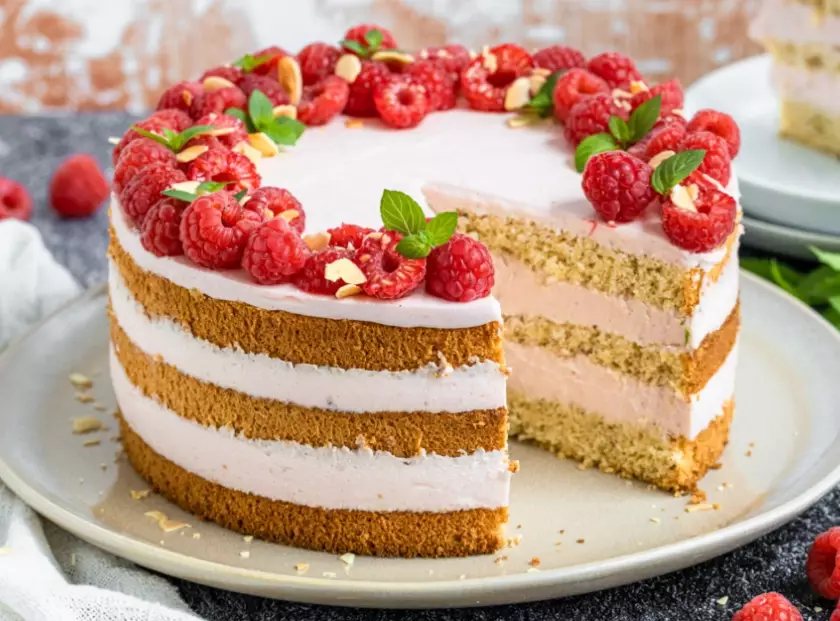
The Must-Try List: A German Pastry Guide's Top Picks
Okay, theory is over. Let's get to the good stuff. If you're building your personal German pastry guide hit list, these are the non-negotiables. This isn't just a list; it's a curated starting point based on what's iconic, delicious, and gives you a real taste of the diversity.
Schwarzwälder Kirschtorte (Black Forest Gateau)
The superstar. Chocolate sponge layers soaked in Kirschwasser (a potent cherry brandy from the Black Forest), whipped cream, and sour cherries. The whole thing is covered in more cream, chocolate shavings, and decorated with cherries. A good one is balanced – boozy, tart from the cherries, not too sweet. A bad one is a soggy, overly sweet mess. The German Wine Academy even mentions it in the context of dessert wines, which tells you its cultural status. My personal take? It can be incredible, but skip it in tourist traps where it looks artificial.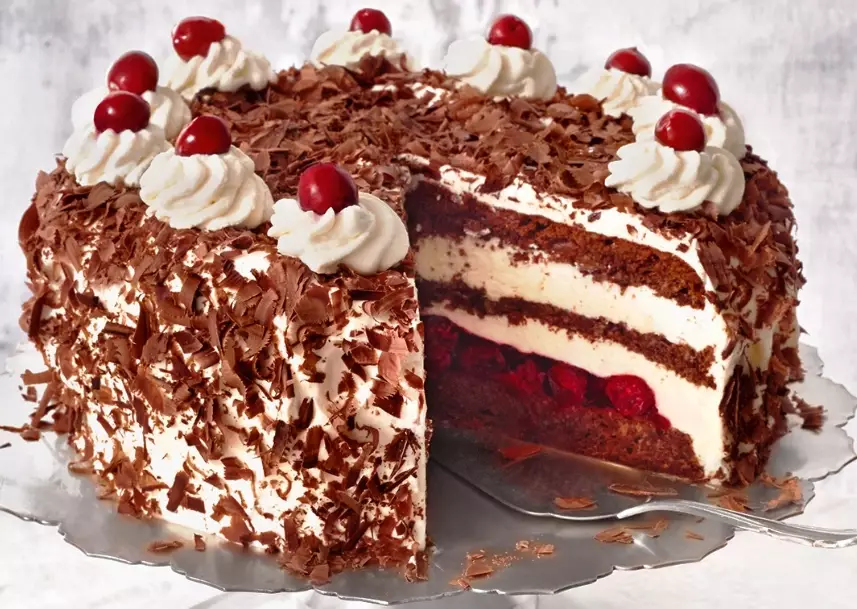
Apfelstrudel
You know it, but do you know a good one? The filling should be tart apples (like Boskop), raisins, cinnamon, and sometimes nuts, all wrapped in a tissue-thin, crisp pastry. It should never be soggy. Served warm with vanilla sauce (Vanillesoße) or a dollop of whipped cream. The secret is in the stretching of the dough, a skill that's becoming rarer.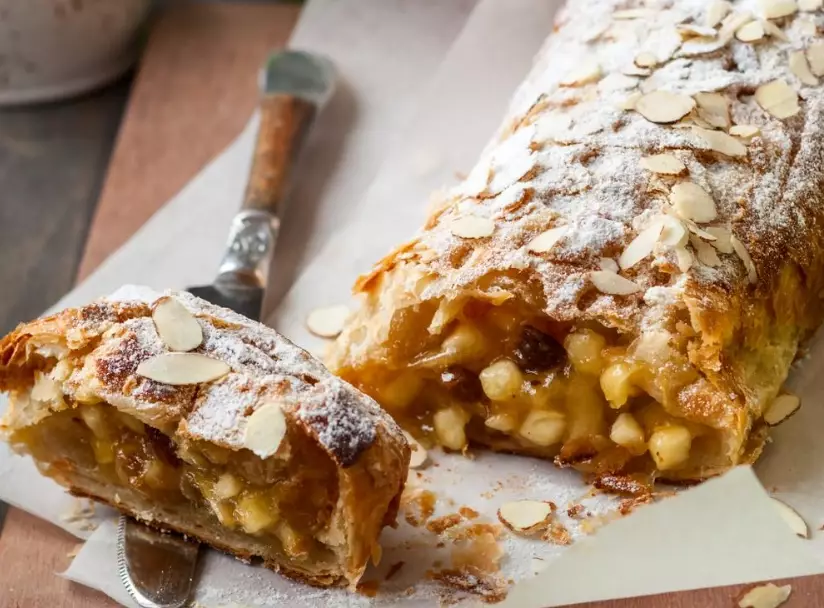
Bienenstich (Bee Sting Cake)
My personal favorite. A yeasted cake base topped with a crunchy, caramelized layer of honey, butter, and almonds. It's then split and filled with a luscious vanilla custard or buttercream (Buttercreme). The contrast between the crunchy top and the soft, creamy interior is magical. The name comes from the legend that a baker used the topping to fend off bees – likely nonsense, but a fun story.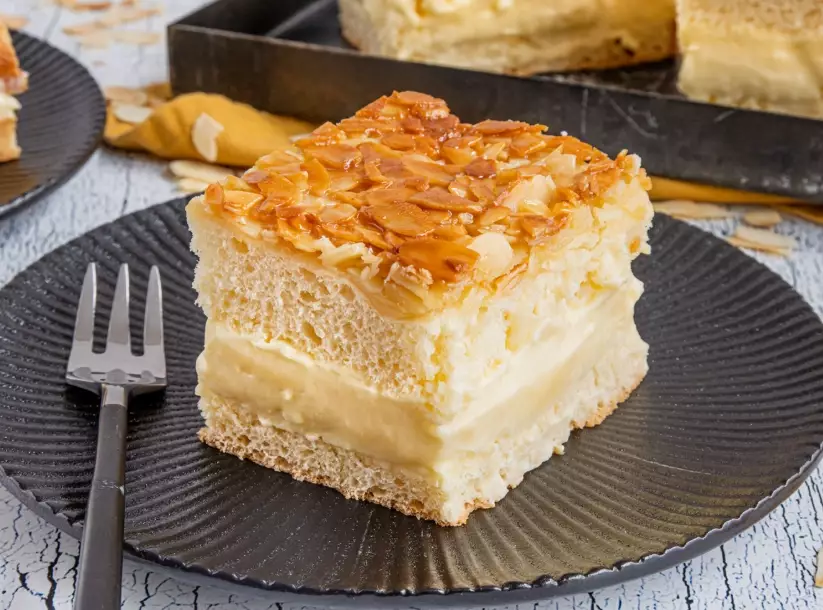
Berliner / Pfannkuchen / Krapfen
The great naming debate! A jam-filled doughnut with no hole. In Berlin and the north, it's called Pfannkuchen (which elsewhere means pancake – confusing!). In the south and most of Germany, it's Berliner. In parts of Bavaria and Austria, it's Krapfen. They're deep-fried yeast dough balls, filled with jam (usually raspberry or plum), and dusted with powdered sugar. Eaten especially on New Year's Eve (Silvester) and during Carnival. Freshness is everything here. A stale Berliner is a sad affair.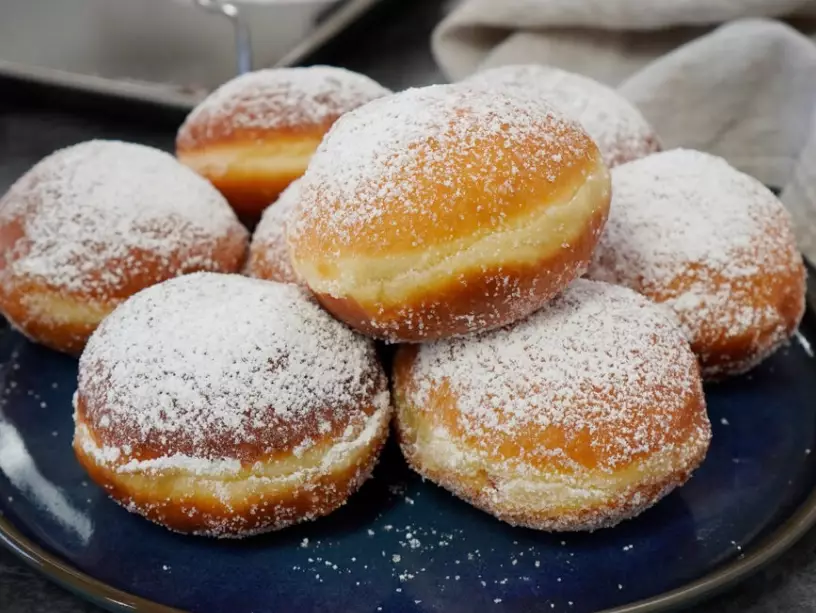
Streuselkuchen (Crumb Cake)
The ultimate comfort food. A simple yeast dough base topped with a thick layer of buttery, sugary crumble (Streusel). Sometimes it has a layer of fruit like cherries or plums underneath the streusel. It's not fancy, but it's honest, delicious, and pairs perfectly with coffee. This was my train station revelation, and it still holds a special place for me.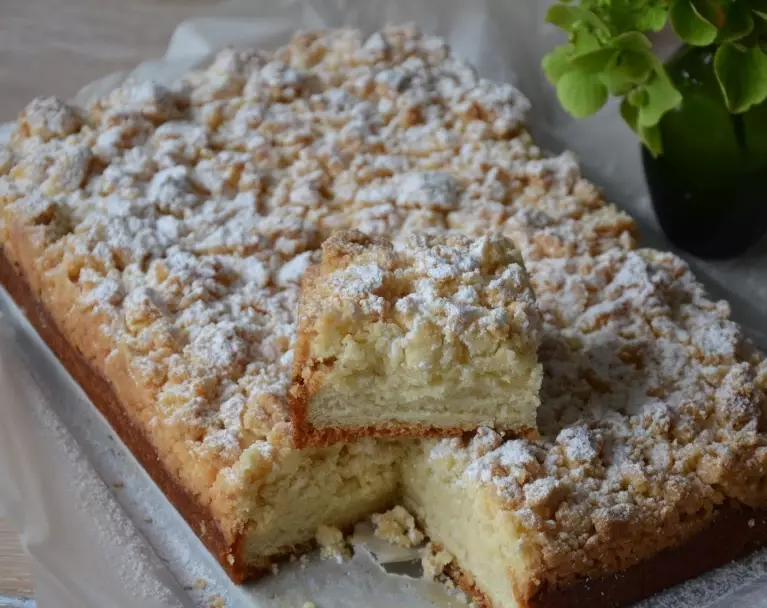
How to Navigate a German Bakery: A Practical Guide
This is where the rubber meets the road. You walk into a Bäckerei or Konditorei (a confectionery cafe, usually fancier). The display is overwhelming. What do you do?
First, know the difference. A Bäckerei primarily sells bread and simpler pastries, often to-go. A Konditorei is where you sit down, order coffee, and choose from an array of cakes and tortes. They often make their own creations on-site. For the best experience, I recommend finding a good Konditorei.
When ordering a slice of cake, you usually go to the display counter, point to what you want, and the server will plate it for you. You can say "Ein Stück davon, bitte" (One piece of that, please). If you want to eat in, say "Zum Hier essen, bitte". They'll give you a plate and utensils.
What to drink? Almost always coffee. Germans take their afternoon coffee and cake (Kaffee und Kuchen) seriously, typically between 3 and 4 pm. It's a ritual. A milky coffee like a Latte Macchiato or a Cappuccino works well with sweet cakes. For yeast-based pastries, a filter coffee is fine. In some traditional places, you might be offered a small glass of water with your cake to cleanse the palate – it's a nice touch.
German vs. French Pastries: What's the Real Difference?
People always ask this. Having spent time eating my way through both countries, the differences are profound and speak to the cultures.
| Aspect | German Pastries | French Pastries |
|---|---|---|
| Base Dough | Heavy use of yeast dough (Hefeteig). Heartier, bread-like foundation. | Dominance of laminated doughs (puff, croissant), shortcrust, and choux. Focus on layering and texture. |
| Sweetness Level | Generally less sweet. Relies on natural fruit tartness, quark, and spices. Sweetness is often balanced by a doughy base. | Can be very sweet, especially with creams, glazes, and mousses. Precision in sugar levels is key. |
| Texture & "Feel" | Often dense, moist, and substantial. You feel like you've eaten something. Cakes are often moistened with syrups or alcohol. | Prioritizes lightness, flakiness, and airiness. A perfect croissant should almost dissolve. |
| Presentation | Often rustic and generous. Large slices, visible fruit, chunky streusel. Beauty in abundance. | Precise, elegant, and artistic. Miniature works of art with clean lines and delicate decoration. |
| Philosophy | Comfort and sustenance. Rooted in home baking (Hausgemacht) and regional, seasonal ingredients. | Technical perfection and luxury. Rooted in the professional pastry chef's artistry. |
It's not that one is better. They're different languages. French pastry is like haute couture. German pastry is like a beautifully crafted, warm woolen sweater. Sometimes you want the artistry, sometimes you need the comfort. This German pastry guide is here to champion the cozy, underappreciated side of things.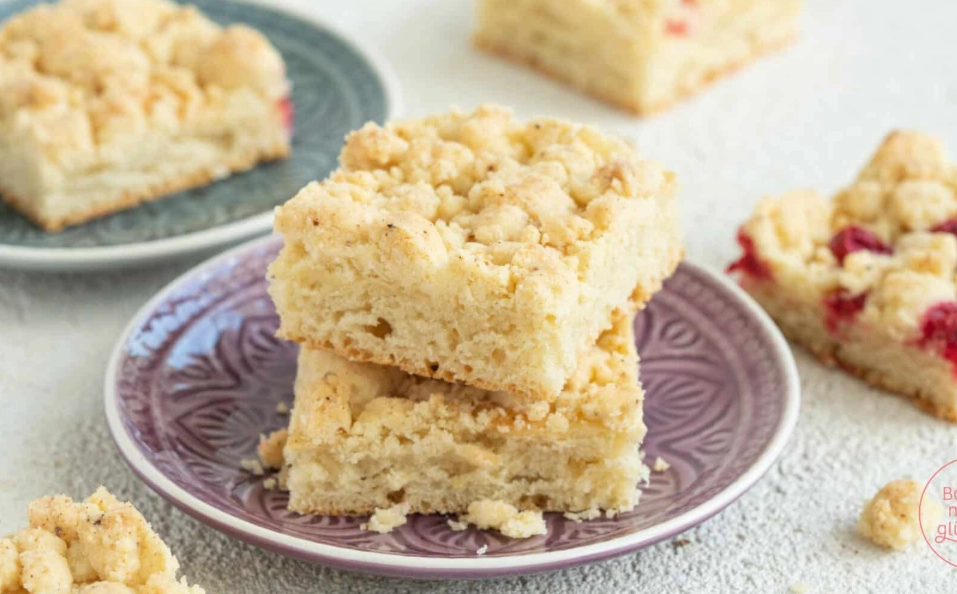
Your German Pastry Guide Questions, Answered
Bringing It Home: Trying Your Hand at German Baking
Inspired? Good. Baking German pastries at home is totally doable, though some require patience (I'm looking at you, yeast doughs). Start simple.
A great beginner project is Streuselkuchen. The dough is forgiving, and the streusel topping is easy. The key is not to overwork the dough – it should be soft and slightly sticky. Let it rise in a warm place until it's puffy. For the streusel, use cold butter and work it quickly with your fingers until you have crumbly lumps. Don't make it into a paste.
For a non-yeast start, try a Rührkuchen – a simple butter cake. The German method often involves beating the butter and sugar for a long time to incorporate air, then adding eggs one by one, then alternating flour and milk. It's a classic technique that yields a wonderfully fine crumb. Add some lemon zest or vanilla for flavor.
Where to find recipes? Look for sources that explain the "why," not just the "how." Websites of serious home bakers who focus on German cuisine are goldmines. The public broadcaster DW's culinary features occasionally have well-researched pieces on traditional foods, which can provide good context. My biggest tip? Weigh your ingredients. German baking is precise, and volume measurements (cups) will let you down.
So there you have it. This wasn't meant to be an exhaustive encyclopedia, but a living, breathing German pastry guide from someone who's made all the mistakes (ordering the wrong thing, pronouncing it terribly, baking leaden cakes) so you don't have to. The world of German baking is deep, delicious, and deeply rewarding to explore. It's about comfort, tradition, and a certain hearty joy. Grab a fork, find a cozy cafe, and start your own tasting journey. You might just find your new favorite thing behind that glass counter.