Germany boasts over 5,000 different beers, but when we talk about types, it's more about styles than individual brands. The exact number? It's tricky—think of it as hundreds of variations under a few core categories. I've spent years exploring German breweries, and let me tell you, the diversity is staggering. From crisp lagers to hearty ales, each style has a story. In this guide, I'll break down the main German beer styles, how they're classified, and where you can taste them firsthand. Forget the generic lists; we're diving deep into what makes German beer unique.
Quick Navigation
The Major German Beer Styles Explained
German beer isn't just one thing—it's a spectrum. Based on brewing traditions and the Reinheitsgebot (German Beer Purity Law), styles fall into broad groups. Here are the key ones you need to know.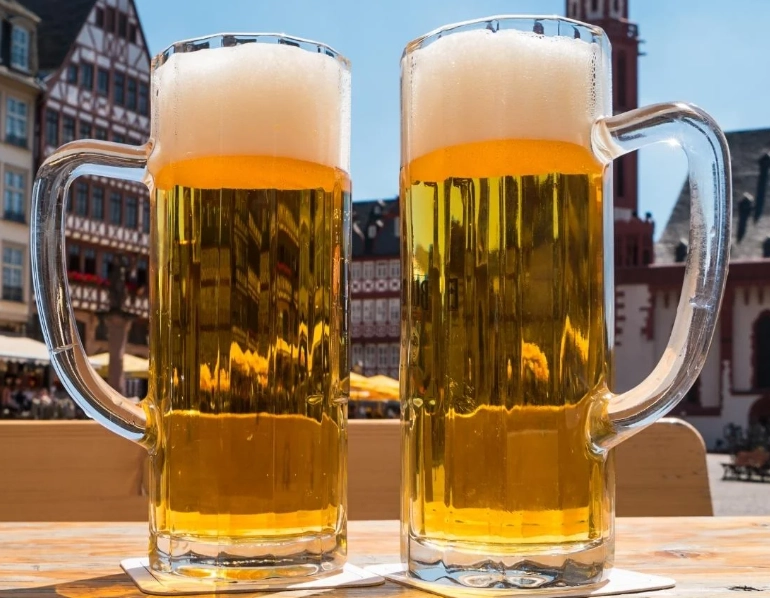
Pilsner: The Crisp Classic
Pilsner is everywhere in Germany, but it's not all the same. Originating from Pilsen in the Czech Republic, German Pilsners are lighter and hoppier. Think of brands like Bitburger or Jever. Alcohol content? Usually 4.5% to 5%. It's perfect for a hot day, but some folks find it too bitter if they're used to American lagers. I recall trying a fresh Pilsner at a brewery in Cologne—the crispness was unreal, but it paired poorly with heavy food.
Weissbier: The Refreshing Wheat Beer
Weissbier, or Hefeweizen, is a wheat beer with a cloudy appearance and banana-clove notes. It's big in Bavaria. Alcohol hovers around 5% to 6%. Many tourists love it, but beginners often serve it wrong—never with a lemon wedge, as it masks the yeast flavors. I've seen bartenders cringe when someone adds fruit.
Helles: The Golden Lager
Helles means "bright" in German, and this beer lives up to its name. It's malty, smooth, and less hoppy than Pilsner. Popular in Munich, with examples like Augustiner Helles. Alcohol is typically 4.5% to 5%. It's my go-to for session drinking, though some critics say it's too mild.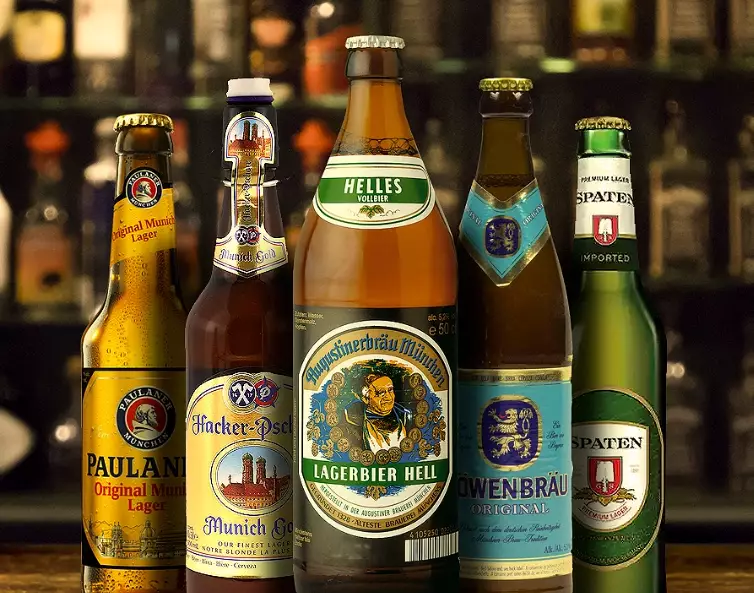
Dunkel: The Dark Lager
Dunkel translates to "dark," and this beer offers roasted malt flavors without being heavy. Alcohol around 4.5% to 5.5%. It's underrated—many skip it for stouts, but a good Dunkel from a brewery like Ayinger is complex and satisfying.
Bock: The Strong and Malty
Bock beers are stronger, with alcohol from 6% to 7% or higher. They come in sub-styles like Maibock (pale) and Doppelbock (double strength). Think of Paulaner Salvator. They're great in winter, but I've seen people overindulge because the sweetness hides the alcohol kick.
Pro tip: Don't get hung up on counting exact types. German beer styles blend based on region and brewery interpretation. The German Brewers Association notes that innovation keeps the list growing, especially with craft beer trends.
| Beer Style | Alcohol Content | Flavor Profile | Key Region |
|---|---|---|---|
| Pilsner | 4.5% - 5% | Crisp, hoppy, bitter | Northern Germany |
| Weissbier | 5% - 6% | Fruity, cloudy, yeasty | Bavaria |
| Helles | 4.5% - 5% | Malty, smooth, golden | Munich |
| Dunkel | 4.5% - 5.5% | Roasted, dark, mild | Bavaria |
| Bock | 6% - 7%+ | Strong, malty, sweet | Einbeck |
Beyond these, there are others like Kölsch (Cologne's specialty), Altbier (from Düsseldorf), and Rauchbier (smoked beer). Each has niche followings. I once tried a Rauchbier in Bamberg—it tasted like bacon, which was fun but not for everyone.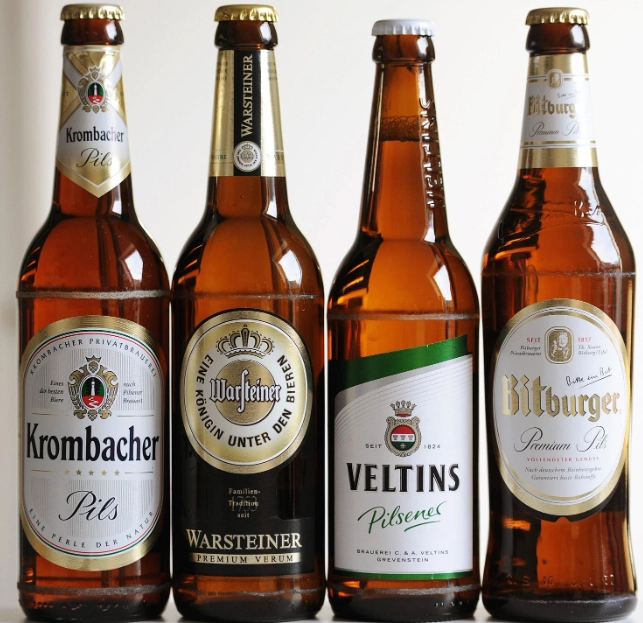
How German Beer is Classified
German beer classification isn't just about ingredients; it's about history and law. The Reinheitsgebot, dating back to 1516, originally allowed only water, barley, and hops (yeast was added later). Today, it influences style definitions.
Styles are grouped by:
- Fermentation type: Bottom-fermented (lagers like Pilsner, Helles) vs. top-fermented (ales like Weissbier, Altbier).
- Color and strength: From pale to dark, and by alcohol volume.
- Regional variations: For example, Kölsch is protected by EU law to only come from Cologne.
A common mistake? Assuming all German beer is lager. Actually, ales like Weissbier are huge. Also, craft breweries are pushing boundaries, creating hybrid styles that blur lines. According to reports from the German Institute for Food and Agriculture, new beer types emerge yearly, but traditional styles remain dominant.
Where to Taste Authentic German Beer
To truly understand German beer types, you need to taste them in context. Here are some specific spots I recommend.
Breweries in Bavaria
Bavaria is the heartland. Visit Augustiner Bräu in Munich (Landsberger Str. 31-35, 80339 Munich). They offer tours for €10, with tasting sessions. Their Helles is a benchmark. Open daily 10 AM to midnight. No reservations needed for small groups.
Beer Halls in Berlin
In Berlin, head to Prater Garten (Kastanienallee 7-9, 10435 Berlin). It's one of the oldest beer gardens, with a focus on Pilsner and seasonal brews. Prices start at €4 per half-liter. Open from 12 PM to late. The atmosphere is laid-back, but it gets crowded weekends.
Beer Festivals Beyond Oktoberfest
Oktoberfest in Munich is famous, but for variety, try the Stuttgart Beer Festival (Cannstatter Wasen) or smaller ones like the Berlin Beer Week. These events showcase regional specialties. I attended one in Cologne where Kölsch flowed endlessly—light at 4.8% alcohol, but easy to drink too much.
For a deep dive, consider a beer tour in Franconia, where family breweries dot the countryside. Many offer tastings for €15-20, including snacks.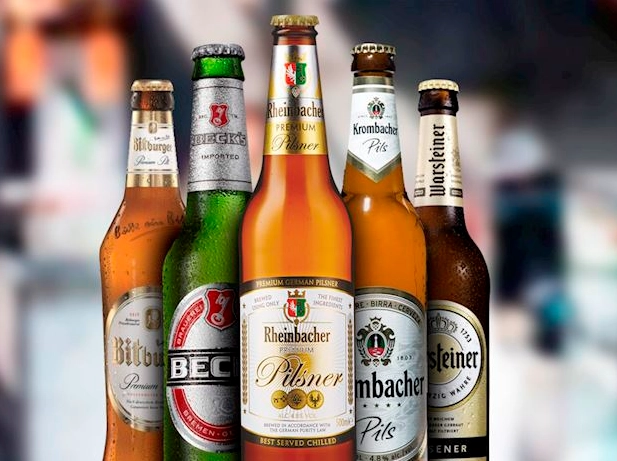
Expert Insights: Common Mistakes Beer Lovers Make
After years of sampling, I've noticed pitfalls. First, people judge German beer by temperature—serving it too cold kills flavor. Lagers should be around 7°C, ales a bit warmer.
Second, overlooking local breweries for big brands. Small places like Brauerei Spezial in Bamberg (Obere Königstraße 10, 96052 Bamberg) make unique Rauchbier that big guys can't match. Their hours are 3 PM to 11 PM, closed Mondays.
Third, assuming all dark beers are heavy. Dunkel and Schwarzbier are often lighter than porters. A novice might skip them, missing out on complexity.
My controversial take? The Reinheitsgebot sometimes stifles creativity. While it ensures quality, some brewers feel restricted. Craft beer movements are challenging this, but traditionalists argue it's what makes German beer pure. It's a tension worth exploring.
Frequently Asked Questions About German Beer
German beer is a journey, not a checklist. Whether you're counting types or savoring each sip, the key is to explore with an open mind. From historic breweries to modern taps, there's always something new to discover. So grab a glass, and prost!