Quick Navigation
- So, What Exactly is a "Traditional German Beer"?
- A Tour Through the Family Tree: Major Styles of Traditional German Beer
- Beyond the Glass: The Culture of Traditional German Beer
- Your Practical Guide to Navigating Traditional German Beer
- Common Questions (& Myths) About Traditional German Beer
- Final Thoughts: It's a Journey, Not a Destination
Let me tell you about the first time I really got it. I wasn't in a fancy beer hall in Munich. I was in a cramped, wood-paneled tavern in Bamberg, a town that feels like it's been preserved in amber. The air was thick with the smell of roasting malt and decades of conversation. I ordered a smoked beer, a Rauchbier, because the name intrigued me. What arrived was a deep amber liquid with a head as creamy as cappuccino foam. The first sip was a shock – it tasted like a campfire in a glass, like someone had distilled the essence of a beechwood fire. It was challenging, weird, and utterly compelling. That's when it clicked. Traditional German beer isn't about mass-produced, homogenous flavor. It's about place, process, and a stubborn adherence to character.
Forget everything you think you know from the green-bottled lagers marketed worldwide. We're going deep. This is a guide for the curious, for the traveler planning a trip, for the home enthusiast staring at a confusing bottle shop shelf. We'll crack open what "traditional" really means, wander through the forest of styles, and figure out how to actually enjoy them. Because let's be honest, most guides just list styles and go home. We're going to talk about the culture, the mistakes people make, and why some of these beers might just change your mind about what beer can be.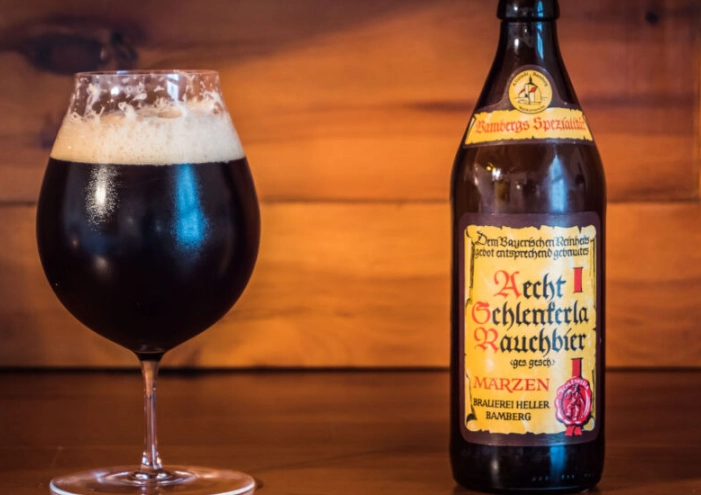
The Heart of the Matter: If you take one thing away, let it be this: The soul of traditional German beer is the Reinheitsgebot, the German Beer Purity Law. Established in 1516 in Bavaria (and later adopted nationwide), it originally decreed that beer could only be made from three ingredients: water, barley, and hops. (Yeast was added later after its role was understood). This wasn't about creating boring beer; it was about quality control, protecting consumers from dubious additives, and reserving wheat for bakers. To this day, many German brewers see it as a badge of honor, a commitment to purity and craftsmanship. You can read the original text and its modern interpretation on the website of the German Brewers' Association (Deutscher Brauer-Bund e.V.), the central industry body.
So, What Exactly is a "Traditional German Beer"?
It's a fair question. The term gets thrown around a lot. Is it just any beer made in Germany? Not quite. Here's my breakdown:
- Heritage & Adherence: It's a beer brewed following time-honored regional recipes and methods, often (but not exclusively) in line with the spirit of the Reinheitsgebot. It's about continuity.
- Regional Identity: A true traditional German beer is a product of its terroir. The soft water of Pilsen (yes, in the Czech Republic, but the style defines North German brewing) makes a crisp Pilsner possible. The unique yeast strains around Cologne create the delicate Kölsch. The beer and the place are inseparable.
- Brewery Philosophy: It often comes from breweries that prioritize craftsmanship over volume, even if they're large. Think of family-run breweries (Brauereien) that have been operating for centuries, passing down knowledge through generations.
It's the opposite of a global, one-size-fits-all product. That's the magic. And sometimes, that magic can be an acquired taste.
I have a friend who swears he hates "German beer." What he actually hates is one specific, overly bitter export Pilsner. When I gave him a malty, smooth Munich Helles, he was converted. The variety is staggering, which is why just saying "German beer" is like saying "Italian food" – it doesn't begin to cover it.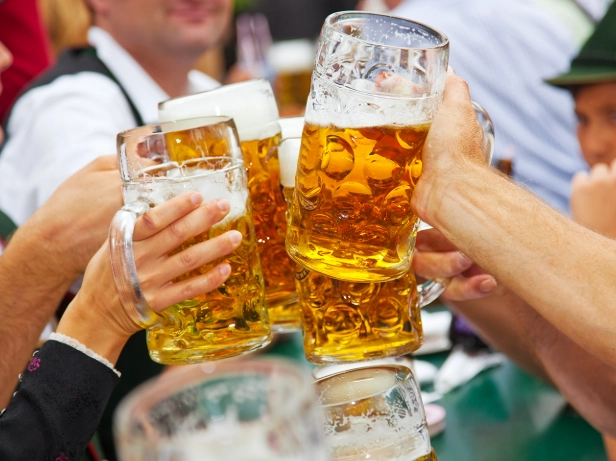
A Tour Through the Family Tree: Major Styles of Traditional German Beer
Let's get into the nitty-gritty. Here are the pillars of the German brewing tradition. I've included some personal notes because, well, tasting notes from a textbook are boring.
| Style | Heartland | Key Characteristics | Personal Take & Food Pairing |
|---|---|---|---|
| German Pilsner (Pils) | Northern Germany | Pale gold, crystal clear. Prominent, spicy, floral hop bitterness (from noble hops like Hallertauer). Crisp, dry finish. Light to medium body. | This is the ultimate thirst-quencher. A great Pilsner is a masterpiece of balance. Can be brutally bitter if you're not ready for it. Perfect with: Salty pretzels, fried fish, or a simple green salad. |
| Helles | Munich, Bavaria | Meaning "pale" or "bright." Maltier and sweeter than a Pilsner, with a rounded, bready, slightly honey-like malt profile. Hop bitterness is gentle and supportive. Smooth and supremely drinkable. | My go-to for a long session. It's approachable, comforting, and what most locals in Munich actually drink by the liter. Often misunderstood as "boring" by hop-heads, but its subtlety is its strength. Perfect with: Weisswurst (white sausage), roast chicken, pork schnitzel. |
| Hefeweizen (Weißbier) | Bavaria | Unfiltered wheat beer. Cloudy, pale yellow. Explosive aromas and flavors of banana (isoamyl acetate) and clove (4-vinyl guaiacol) from a special yeast. Refreshing, often with a tart edge. | The party-starter. The yeast is everything. Serve it in a tall, curved glass and don't be shy about swirling the last bit to get all the sediment. A bad one can taste like banana medicine. A good one is pure sunshine. Perfect with: A lemon slice (controversial, but common), light salads, seafood, or fruit-based desserts. |
| Dunkel | Bavaria | Meaning "dark." A dark lager focused on Munich malts, giving flavors of toasted bread, nuts, caramel, and chocolate. Not roasty or bitter like a stout. Smooth, malty, and incredibly satisfying. | This is the beer that proves dark doesn't mean heavy. It's like liquid bread. Underrated and often overlooked for flashier styles. My favorite for autumn evenings. Perfect with: Hearty stews, game meats, roasted meats, aged cheeses. |
| Bock & Doppelbock | Einbeck, now Munich | Strong lagers. Bock is malty, with toasty notes. Doppelbock ("double bock") is richer, stronger, with deep flavors of dark fruit, molasses, and bread crust. Names often end in "-ator" (Salvator, Optimator). | These are sipping beers, not session beers. Historically brewed by monks for sustenance during fasting. A good Doppelbock is a meal in a glass – chewy, complex, and deceptively strong. Perfect with: Rich, braised dishes, strong cheeses, or simply as a digestif. |
| Kölsch | Cologne (Köln) | A hybrid ale/lager. Fermented warm like an ale, then conditioned cold like a lager. Pale, brilliantly clear, with a delicate fruitiness and a crisp, dry, subtly hoppy finish. Served in a tall, thin 0.2L glass called a Stange. | It's all about ritual in Cologne. Waiters (Köbes) keep bringing them until you put your coaster on top of your glass. Refined, elegant, and dangerously easy to drink. Outside Cologne, it's hard to find a truly authentic one. Perfect with: The local Halve Hahn (rye roll with cheese) or lighter German fare. |
| Altbier | Düsseldorf | Meaning "old beer," referring to the old, top-fermenting (ale) method. Copper-brown in color. A balanced dance between a nutty, caramel malt backbone and a firm, clean hop bitterness. Clean, crisp finish. | Kölsch's rival from the other side of the Rhine. More assertive and malty than Kölsch. I love its robust character. Best enjoyed in the old-town pubs of Düsseldorf, pulled fresh from wooden casks. Perfect with: Hearty rye bread, sausages, pot roast. |
See? It's a whole continent of flavor in one country.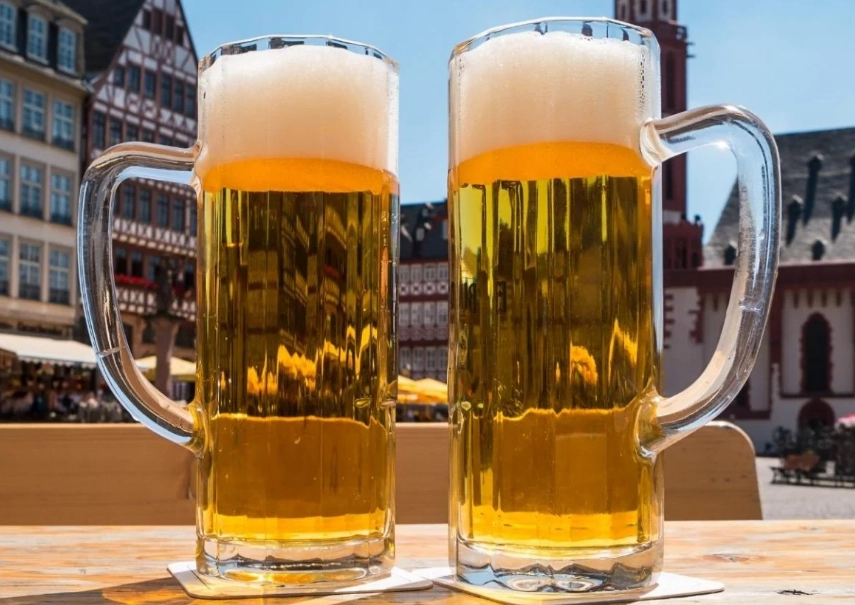
Beyond the Glass: The Culture of Traditional German Beer
You can't separate the drink from the way it's consumed. The culture is half the experience.
Das Oktoberfest: The World's Most Famous Misconception
Oktoberfest beers are a specific category: Märzen or Oktoberfestbier. They're amber-red lagers, originally brewed in March (März) and stored in cool caves for summer consumption, with the last barrels finished off at the autumn festival. They're malt-forward, toasty, and medium-bodied. The crucial point? They are not the super-dark, heavy beers many imagine. They're smooth and sessionable (despite being around 6% ABV). The official Munich breweries serving at the Wiesn (the festival grounds) have strict rules. For the authentic details on the festival and its beer, the City of Munich's official portal is a great resource.
The Beer Garden (Biergarten)
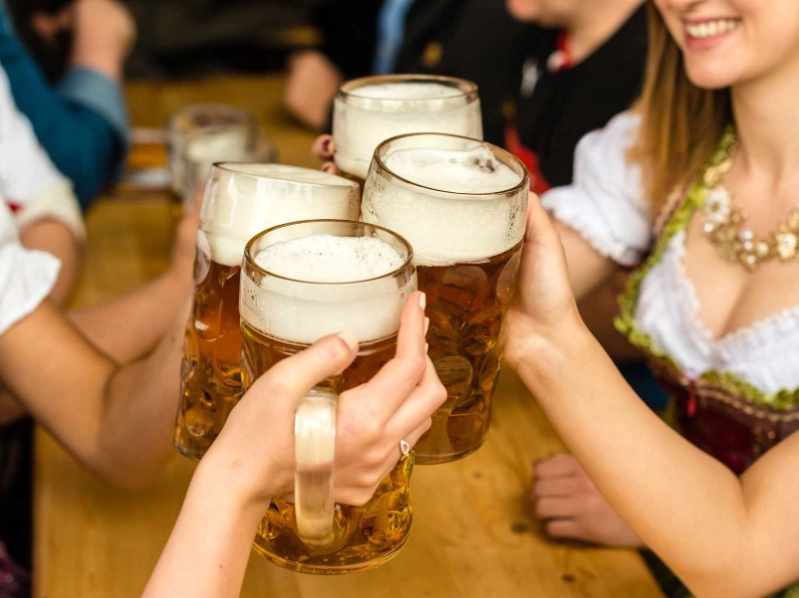
This is where life happens. Under the shade of chestnut trees, at long communal tables. You bring your own food often, or order from a limited menu. The atmosphere is relaxed, familial, and central to German social life. The beer is always served in sturdy, liter-sized glass mugs (Maßkrüge) for Helles or Dunkel, keeping it cold and substantial.
The Brewpub (Brauhaus)
Often attached directly to the brewery. The beer couldn't be fresher, often served from wooden or metal barrels. The food is hearty, traditional, and designed to complement the beer. It's loud, convivial, and the best place to taste a brewery's full range.
Your Practical Guide to Navigating Traditional German Beer
Okay, theory is done. How do you actually use this info?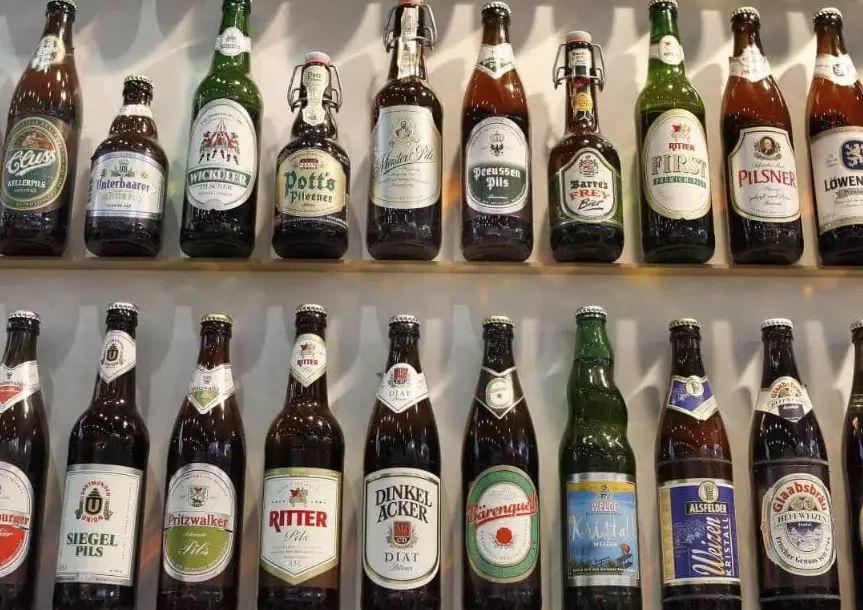
How to Choose Your Beer
Confused at the bar? Ask yourself:
- What's the weather/occasion? Helles or Pils for a hot day/socializing. Doppelbock for a contemplative evening by the fire.
- What are you eating? Match intensity. Hefeweizen with a zesty salad. Dunkel with a roast.
- What's your usual preference? Like IPAs? Try a pungent, hoppy Pils. Like stouts? Start with a Dunkel, then move to a Bock.
The Right Glass Matters (Seriously)
Glassware 101:
- Pilsner Glass (Tall & Tapered): Shows off color and clarity, promotes carbonation, and focuses hop aroma right to your nose.
- Hefeweizen Glass (Tall & Curved): The wide mouth allows the huge, frothy head to form and traps the volatile yeast aromas (banana, clove) so you smell them first.
- Willi Becher (Tulip Pint): The all-rounder. Used for many styles including Helles, Dunkel, Altbier. Curves in to hold aroma, then out for a good drinking rim.
- Stange ("Pole" for Kölsch): The small size (0.2L) ensures you drink it quickly while it's still icy cold and fresh before the delicate aromas fade.
Buying & Storing at Home
This is where people mess up. Traditional German beer, especially lagers, is all about freshness.
Biggest Mistake: Storing beer on a warm, lit shelf. Heat and light are the enemies. Heat speeds up aging (creating stale, cardboardy flavors). Light causes "skunking" (that pungent, skunky smell) by reacting with hop compounds. This is why many German beers use brown bottles – they block more light than green or clear ones.
Pro Tips:
- Check the Date: Look for a "best before" date (Mindesthaltbarkeitsdatum). For a Pilsner or Helles, try to get one with at least 3-4 months left. Drink it soon.
- Buy from Rotation: Shop at stores with high turnover. A dusty bottle is a sad bottle.
- Store Cool & Dark: A cellar or the back of a fridge is ideal. Never in a warm kitchen or by a window.
- Pour with Purpose: For most lagers, pour down the middle of a clean, tilted glass to create a good head (about two fingers). For Hefeweizen, pour most of it, then swirl the yeast sediment in the bottle and top it up – that's where the flavor is!
Common Questions (& Myths) About Traditional German Beer
Let's clear the air.
Is all German beer made according to the Reinheitsgebot?
No. The Reinheitsgebot, as a binding law, was replaced by broader EU regulations. However, most major traditional breweries still adhere to it voluntarily as a mark of quality and tradition. Many even stamp it on their labels. But there are also innovative craft brewers in Germany who are experimenting beyond it, using other grains, fruits, and spices. Both approaches coexist now.
Why does my German beer sometimes taste skunky?
Light strike! As mentioned, clear or green bottles offer little protection. If a beer with noble hops (like a Pilsner) is exposed to light, it can skunk in minutes. This is a fault, not a feature. Brown bottles or cans are safest. The Versuchs- und Lehranstalt für Brauerei (VLB) in Berlin, a premier brewing research institute, has published extensively on this chemical reaction if you want the deep science.
What's the difference between a Pilsner and a Helles?
This is the classic North vs. South divide. Pilsner is hop-driven (bitter, floral). Helles is malt-driven (sweet, bready, round). Think of Pilsner as a sharp, crisp white wine (Sauvignon Blanc) and Helles as a smoother, rounder one (Chardonnay).
Is German beer stronger than American beer?
Not necessarily. Your standard American light lager is around 4.2% ABV. A German Helles or Pilsner is typically 4.7%-5.2%. It's a bit stronger, but the bigger difference is flavor density, not alcohol content. Doppelbocks (7-9%) are another story.
Where can I find authentic traditional German beer outside Germany?
It's getting easier. Look for:
- Specialty Beer Stores: With good refrigerated sections and staff who know their imports.
- German Restaurants/Imports: Authentic restaurants often have direct import lines.
- Check the Importer: Brands like B. United International or Shelton Brothers are known for importing fresh, authentic European beers with proper cold storage.
- Beware the Dusty Shelf: Again, check dates. An old, warm bottle of a great beer will be worse than a fresh bottle of a mediocre one.
Final Thoughts: It's a Journey, Not a Destination
The world of traditional German beer is deep and rewarding. You don't have to like everything. I know people who adore smoky Rauchbiers, and I know people (myself sometimes included) who find one glass fascinating and a second one overwhelming. That's okay. The point is to explore, to understand the story in the glass – the water, the malt, the hops, the yeast, and the centuries of tradition that brought them together.
Start with something approachable like a Helles or a Hefeweizen. Pay attention to the aroma before you sip. Notice the mouthfeel. Think about the flavor. Then, branch out. Try the toasty Dunkel, the bitter Pils, the strong Doppelbock. Visit a German restaurant or, better yet, start planning a trip. Sit in a beer garden, order a Maß, and just watch the world go by.
That's the real secret. The best traditional German beer isn't just a beverage you analyze. It's the catalyst for community, for conversation, for slowing down. It's a simple, profound pleasure that Germany has perfected over hundreds of years. All you have to do is raise a glass and join in.
Prost!