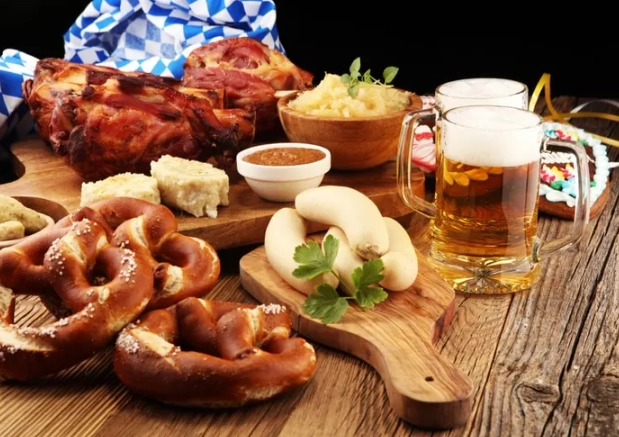
German beer isn't just a drink in Europe—it's a cultural icon. From crisp Pilsners to rich Weissbiers, Germany's brewing heritage has shaped beer culture across the continent. But what exactly makes it so famous? It's not just about the Reinheitsgebot (the German Beer Purity Law), though that's a big part. It's the variety, the quality, and the places where you can taste it firsthand. I've spent years exploring beer halls and breweries, and let me tell you, most guides miss the subtle differences that matter. For instance, many tourists grab a generic lager in Berlin, but the real gems are in smaller towns like Bamberg. Here's everything you need to know, stripped of the hype.
Jump to What Interests You
Top German Beer Brands You Must Try
When people ask about famous German beer in Europe, they often think of a few big names. But it's more nuanced. Based on sales, awards, and personal tastings, here are the brands that stand out. I've included some underrated picks that locals love.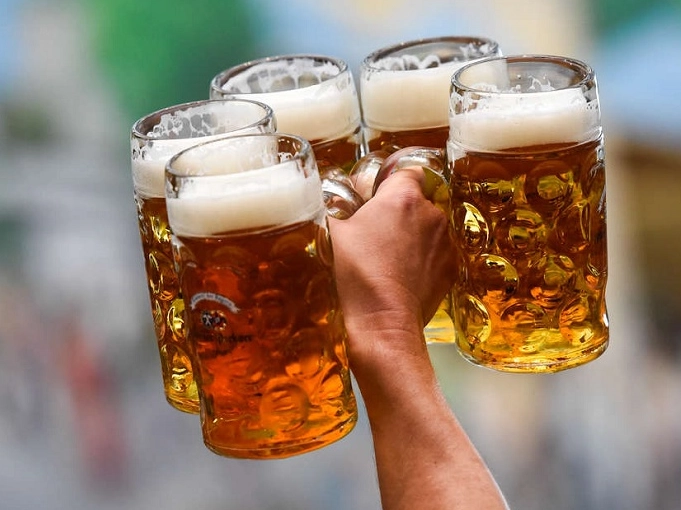
Weissbier: The Cloudy Classic
Weissbier, or wheat beer, is a Bavarian staple. Brands like Paulaner and Weihenstephaner dominate, but don't ignore Ayinger. Their Bräuweisse has a banana-clove aroma that's perfect for summer. A common mistake? Pouring it too fast—you need to swirl the yeast at the bottom for the full flavor. I once watched a tourist chug it and miss the whole point.
Pilsner: The Crisp Refresher
German Pilsner is lighter than its Czech cousin. Bitburger and Warsteiner are giants, but for something special, try Jever Pils. It's drier and more bitter, which purists adore. Sales data from the German Brewers Association shows Pilsner accounts for over 50% of beer consumption in Germany, so it's a must-try.
Altbier: The Hidden Gem
From Düsseldorf, Altbier is a top-fermented ale with a malty taste. Diebels and Uerige are top brands. It's less famous outside Germany, but in Europe's beer circles, it's revered for its balance. I prefer Uerige for its caramel notes—it pairs well with hearty food.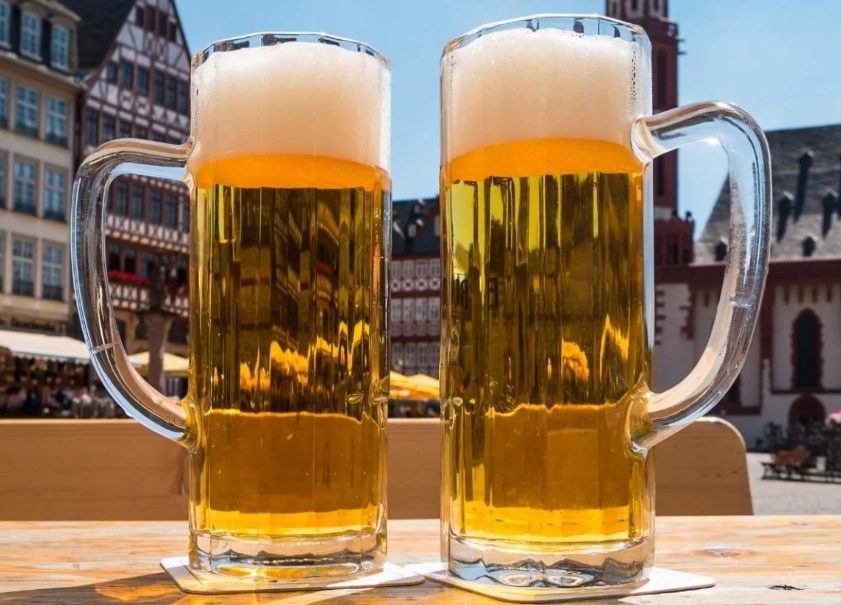
| Beer Style | Top Brand Examples | Key Flavor Notes | Best Paired With |
|---|---|---|---|
| Weissbier | Paulaner, Weihenstephaner, Ayinger | Banana, clove, citrus | Weisswurst, pretzels |
| Pilsner | Bitburger, Warsteiner, Jever | Crisp, bitter, floral | Grilled fish, salads |
| Altbier | Diebels, Uerige | Malty, caramel, slightly bitter | Roast pork, cheese |
| Kölsch | Früh, Gaffel | Light, fruity, clean | Seafood, light appetizers |
| Bock | Einbecker, Ayinger Celebrator | Rich, malty, sweet | Stews, chocolate desserts |
That table covers the basics, but let's talk about where to actually drink these. Many blogs list brands without context, but the location matters—a Pilsner tastes better in Cologne than in a supermarket.
Where to Experience Authentic German Beer
To truly understand German beer's fame in Europe, you need to visit the source. Here are specific spots I've been to, with details so you can plan a trip. Prices are approximate and in euros.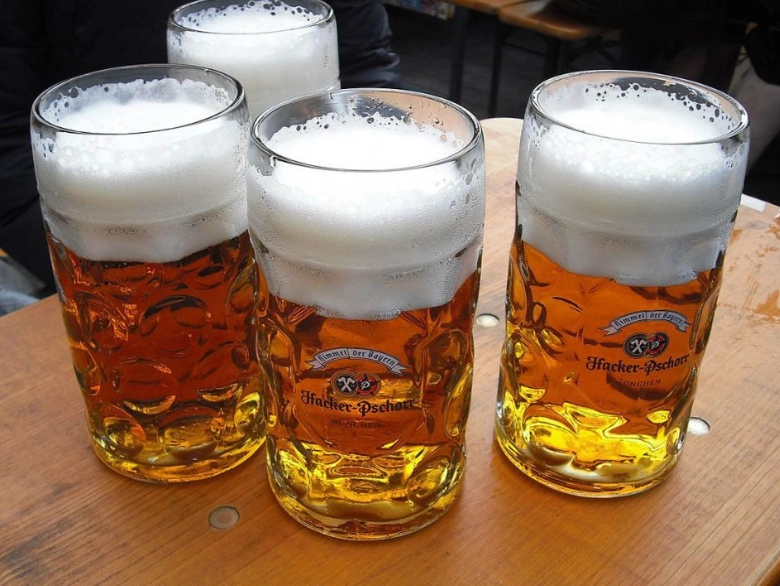
Hofbräuhaus München in Munich is iconic, but it's touristy. Address: Platzl 9, 80331 Munich. They serve Hofbräu Original, a lager, for around €4 per half-liter. Open daily from 9 AM to midnight. The atmosphere is lively, but go early to avoid crowds. Rating: 4/5 for history, 3/5 for authenticity.
Brauhaus Früh am Dom in Cologne is for Kölsch. Address: Am Hof 12-14, 50667 Cologne. A Stange (0.2L glass) costs about €2.50. Open 10 AM to midnight. The servers keep bringing beers until you put a coaster on top—a local quirk. I love their crisp brew, but some find it too light.
Schlenkerla Brewery in Bamberg is for smoked beer (Rauchbier). Address: Dominikanerstraße 6, 96049 Bamberg. A smoked Märzen costs €3.50 per half-liter. Open 9:30 AM to 11 PM. It's an acquired taste; my first sip was like drinking bacon, but it grows on you. This place is a pilgrimage for beer nerds.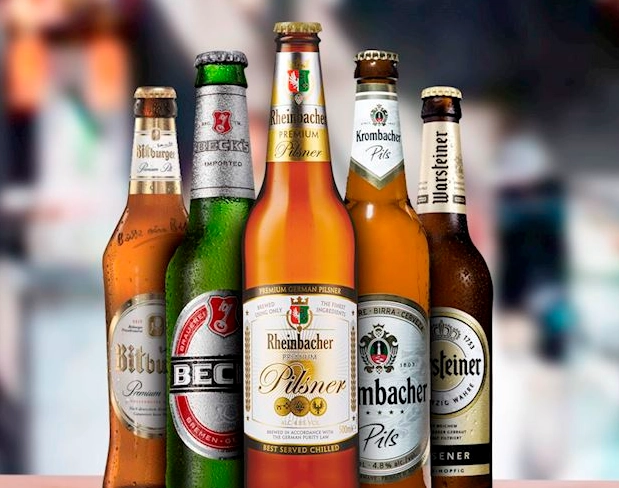
Pro tip: Don't just stick to big cities. Smaller breweries like Privatbrauerei Gaffel in Cologne offer tours for €10, including tastings. You'll learn about brewing processes that big brands gloss over. Check their website for bookings—it's worth it.
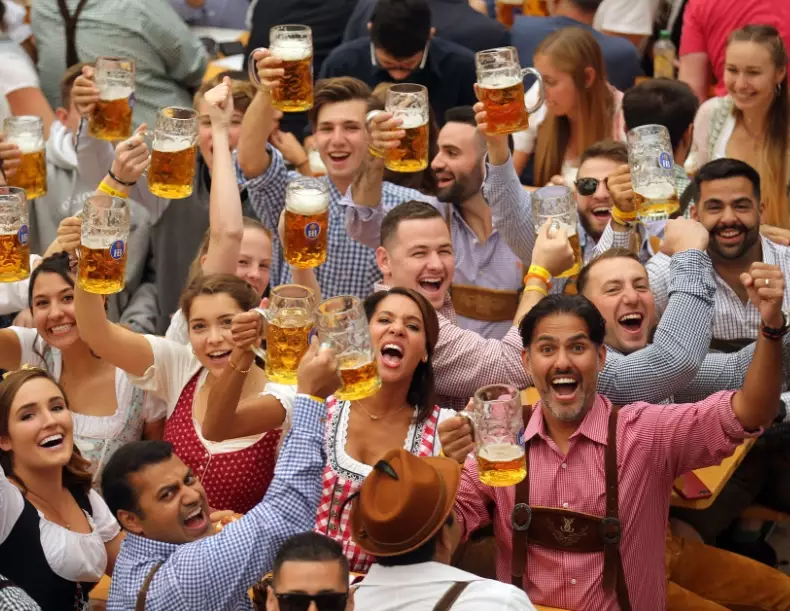
For a broader view, consider beer festivals. Oktoberfest in Munich is obvious, but Stuttgart's Cannstatter Volksfest has fewer tourists. Dates vary yearly, so check the official Stuttgart tourism site. Entry is often free, but beer tents charge premium prices.
How to Choose the Right German Beer for You
With so many options, picking a beer can be overwhelming. Here's a simple framework I use, based on your preferences.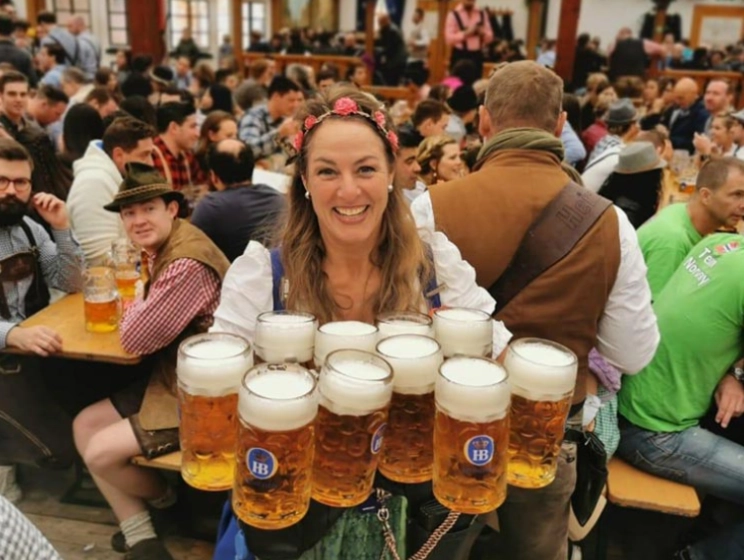
If you like light and refreshing drinks, go for a Pilsner or Kölsch. They're low in alcohol (around 4.5-5%) and perfect for warm days. Jever Pils is a personal favorite—it has a bite that wakes up your palate.
For richer, fuller flavors, try a Bock or Dunkel. These are malt-forward with higher alcohol content (6-7%). Einbecker Ur-Bock is a classic, but it can be heavy. I once drank two and regretted it—pace yourself.
Wheat beer lovers should explore Hefeweizen (cloudy) or Kristallweizen (filtered). Paulaner Hefe-Weißbier is widely available, but for something unique, seek out Schneider Weisse Tap 7. It's brewed in Kelheim and has a complex spice profile.
Avoid the trap of assuming all German beer is bitter. Styles like Helles are smooth and approachable. Ask for a sample if you're unsure—most beer halls offer small tastes for free.
FAQ: Common Questions About German Beer in Europe
German beer's fame in Europe isn't just about taste—it's about tradition, place, and experience. From the bustling halls of Munich to the quiet breweries of Franconia, each sip tells a story. Use this guide to navigate beyond the basics, and you'll discover why it's remained a cornerstone of European culture for centuries. Remember, the best beer is the one you enjoy, so don't be afraid to experiment. Prost!