If you're an American planning a trip and asking yourself, "Is it safe to go to Germany?" – take a deep breath. The short, direct answer is yes, Germany is overwhelmingly safe for tourists, including Americans. It consistently ranks as one of the safest countries in the world. But that simple answer doesn't help you pack your bags with confidence, does it? You want the specifics, the nuances, and the real-world advice that goes beyond a generic safety score.
I've spent years traveling in and out of Germany, from bustling Berlin to the quiet Black Forest. The concern about safety is valid, but it's often based on vague worries rather than concrete information. Let's replace that anxiety with a clear-eyed, practical guide. We'll look at the official advisories, break down the different types of risks (some are far more likely than others), and give you the on-the-ground tips you need to have a smooth, secure, and fantastic vacation.
What’s Inside This Guide?
How Safe is Germany Overall?
Let's start with the big picture. Germany has a Level 2: Exercise Increased Caution advisory from the U.S. State Department, which puts it in the same category as popular destinations like France, the UK, and Denmark. This isn't a "Do Not Travel" warning; it's a standard alert for a major European country regarding the global threat of terrorism.
In terms of violent crime, rates are low. You're statistically safer walking around most German cities at night than you are in many major American cities. The real risks you're likely to encounter are the same as in any tourist-heavy area: petty theft like pickpocketing and bag snatching. Police presence is visible and professional, and emergency services (dial 112) are highly efficient.
Key Takeaway: The safety concern for Germany isn't about rampant crime. It's primarily about the theoretical, elevated risk of terrorism in public spaces, which is a reality across much of Western Europe. Your day-to-day experience will feel orderly and secure.
The Official Word: U.S. Travel Advisory for Germany
You should always check the U.S. Department of State's travel advisory page for Germany for the absolute latest. As of now, the Level 2 advisory highlights:
- Terrorism: Groups may plot attacks targeting tourist locations, transportation hubs, markets, and public events.
- Demonstrations: These occur and can sometimes turn confrontational. It's advised to avoid large gatherings.
What many travelers miss is the "C" indicator on Germany's page, which stands for crime. The State Department notes that violent crime is rare, but petty crime is common in transportation hubs and tourist areas. This is the most actionable part of the advisory for your trip.
Breaking Down the Risks: Crime & Terrorism
Petty Crime: Your Most Likely Nuisance
This is where your guard should be up. Pickpocketing isn't a German problem; it's a global tourist problem. Teams often operate in crowded places.
- Hotspots: Munich's Marienplatz, Berlin's Alexanderplatz and S-Bahn/U-Bahn trains, Cologne Cathedral square, Hamburg's Reeperbahn at night, and any major train station (Hauptbahnhof).
- Common Tactics: The "distraction bump," someone asking for directions while an accomplice takes your wallet, or thieves slashing the bottom of a backpack or purse on a crowded train.
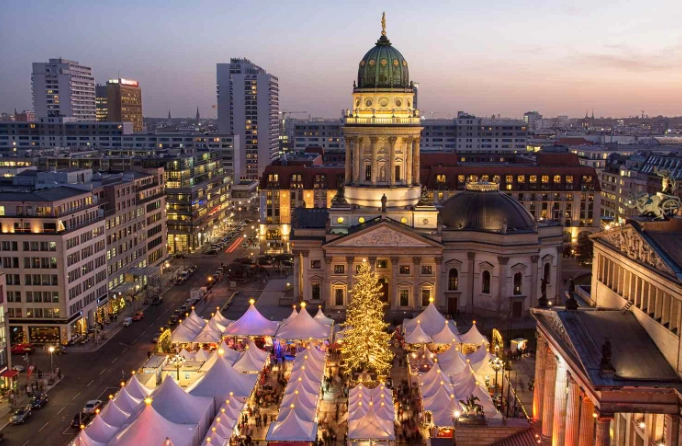
My personal rule? In a packed U-Bahn car or at a Christmas market, I wear my crossbody bag in front of me, under my coat if possible. It looks awkward for about two seconds until you see a professional team working the crowd.
Terrorism: Understanding the Threat Level
The terrorism threat is real but abstract. German authorities have a very high level of vigilance. You'll see armed police at airports, major stations, and sometimes near landmarks. This is meant to be reassuring.
The goal isn't to scare you away from public spaces but to adopt a simple mindset: be aware of your surroundings. Know where the exits are in a crowded restaurant or market. If something feels off, move away. This isn't living in fear; it's just smart situational awareness that applies in any big city worldwide.
Staying Healthy in Germany
Germany's healthcare system is excellent. As an American traveler, your main task is to be prepared.
- Travel Insurance: Non-negotiable. Your U.S. health insurance likely offers little to no coverage abroad. A good policy covers medical emergencies, evacuation, and trip cancellation. I never leave home without it.
- Pharmacies (Apotheke): They are everywhere, marked with a big red "A." Pharmacists are highly trained and can advise on and dispense many medications that would require a prescription in the U.S. For anything more serious, they can direct you to a doctor.
- COVID-19 & Other Illnesses: As of now, there are no pandemic-related entry restrictions. Standard travel vaccinations (like MMR) should be up-to-date. Check the CDC's Germany page for any current recommendations.
Watch Out: If you need a specific prescription medication, bring it in its original container with the doctor's note. Some common American ADHD or anxiety medications are controlled substances in Germany and could cause issues at customs if not properly documented.
Everyday Safety: Transportation, Scams, and Cities
Getting Around Safely
German public transport is safe, clean, and reliable. Trains (Deutsche Bahn), trams, and buses are excellent.
| Transport Mode | Safety Notes & Tips |
|---|---|
| Trains (ICE, Regional) | Very safe. Keep bags in sight, especially on overhead racks. Late-night trains can be quieter; choose a compartment with other people. |
| U-Bahn / S-Bahn (Subway) | High risk for pickpockets during rush hour. Stand away from the platform edge. At night, use well-lit cars usually located near the conductor. |
| Taxis & Rideshares | Official taxis are metered and safe. Use apps like FREE NOW. Unlicensed cabs at airports are rare but avoid them. |
| Walking | Pedestrian rules are strict. Only cross at lights ("Ampel"). Jaywalking can draw fines and is culturally frowned upon. |
City-Specific Nuances
Berlin is gritty and creative. Areas like Kreuzberg or Friedrichshain are full of life but have a rougher edge at night—stay alert. Munich feels more polished and conservative; safety issues are almost exclusively pickpocketing in the old town. Frankfurt has a sketchy area around the central train station (Hauptbahnhof) at night; it's best to transit through quickly.
Common Scams to Recognize
Again, these target tourists everywhere.
- The Petition/Distraction Scam: Someone shoves a clipboard in your face asking for a signature for the "deaf" while their partner goes through your pockets.
- Overfriendly "Helpers": At ticket machines, someone offers to "help" you buy a ticket and either steals your change or sells you the wrong, cheaper ticket, leaving you liable for a fine.
- Gold Ring Scam: "Did you drop this gold ring?" It's brass. They'll pressure you for a "reward." Just say "Nein" and keep walking.
Your Practical Safety Checklist
Here’s your actionable plan:
- Before You Go: Enroll in the Smart Traveler Enrollment Program (STEP). It's free and lets the U.S. embassy know you're there in case of an emergency. Photocopy your passport and visa (if applicable).
- Money: Notify your bank of travel. Use ATMs ("Geldautomat") inside banks, not standalone ones on dark streets. Germany is still more cash-based than the U.S., but cards are widely accepted. Don't flash large amounts of cash.
- Communication: Save these numbers in your phone: Police (110), General Emergency (112). Learn a few basic German phrases; a simple "Entschuldigung" (Excuse me) or "Nein, danke" (No, thank you) can effectively end unwanted interactions.
- Accommodation: Read recent reviews on safety and location. A well-rated hotel in a central district is often safer than a remote, cheap Airbnb in a less-familiar neighborhood.
- Mindset: Trust your instincts. If a street or a bar feels uncomfortable, leave. Germans generally respect personal space and directness.
Your Germany Safety Questions, Answered
So, is it safe for Americans to go to Germany right now? Absolutely. With the practical precautions outlined here—guarding against petty theft, getting good insurance, and maintaining basic situational awareness—you're set up for a fantastic trip. Germany offers incredible history, culture, and natural beauty in an environment that is, by any objective measure, very safe. Don't let vague fears hold you back. Do your preparation, pack your common sense, and go enjoy it.