When you think Oktoberfest, you think beer. But not just any beer. We're talking about a specific, protected style of lager brewed under strict rules within Munich's city limits. It's golden, it's strong, and it's served in a one-liter glass called a Maß. But there's a lot more to it than that. After a decade of visiting (and a few memorable mornings after), I've learned that understanding the beer is the key to unlocking the real Oktoberfest experience. This guide will cut through the tourist hype and get straight to the suds: the history, the six breweries, the tents that define the party, and the practical know-how you won't find on a generic travel site.
Your Oktoberfest Beer Journey at a Glance
What is Traditional Oktoberfest Beer? A Style Defined
First things first, let's clear up a huge misconception. "Oktoberfest beer" isn't just a marketing term for any German beer sold in September. It's a legally protected designation (Märzenbier or Oktoberfestbier) governed by the Reinheitsgebot (Beer Purity Law) and a specific set of conventions. Historically, it was a Märzen – a stronger, maltier lager brewed in March (März) and lagered (cold-stored) through the summer to be ready for autumn consumption. Today, the festival beer is slightly lighter in body and color than its historical ancestor but retains the higher alcohol content.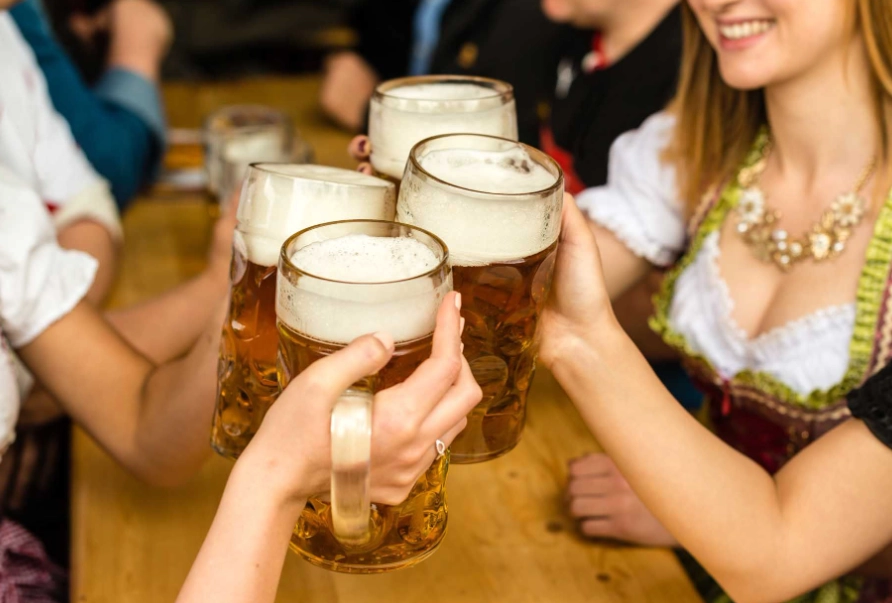
The absolute non-negotiable rule? Only six breweries are permitted to serve their beer at the main Oktoberfest grounds (Theresienwiese): Augustiner, Hacker-Pschorr, Hofbräu, Löwenbräu, Paulaner, and Spaten. If you're in a tent and your beer isn't from one of these, you're not drinking official Oktoberfest beer.
Oktoberfest Beer at a Glance
Style: Festbier / Märzen (Pale Lager)
Alcohol by Volume (ABV): Typically 6.0% - 6.5%
Color: Bright, clear gold
Taste Profile: Smooth, clean maltiness (think fresh bread or light honey) with a subtle hop bitterness for balance. It's incredibly drinkable, which is why the one-liter serving makes sense in a social setting.
Serving Vessel: The Maß (pronounced "mass"), a thick-glass, one-liter mug.
Here’s a quick breakdown of the "Big Six" beers. While they all adhere to the style, locals have fierce loyalties.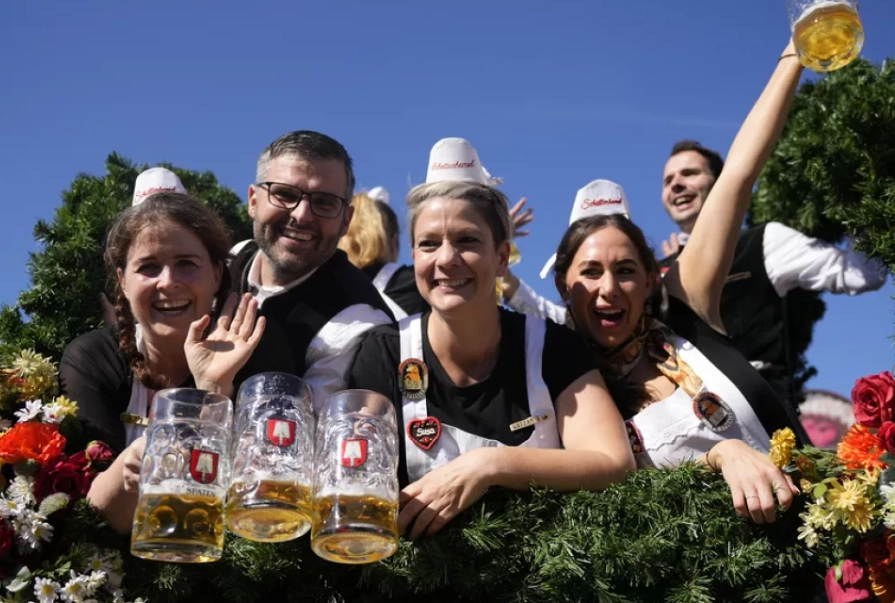
| Brewery | Notable Characteristics & Local Reputation | My Personal Take |
|---|---|---|
| Augustiner | Often cited as the favorite of true Münchners. Still served from traditional wooden barrels in some tents, which some believe enhances the flavor. Known for a slightly smoother, more balanced profile. | The crowd favorite for a reason. It has a rounder, slightly softer malt character that makes the first liter go down a little too easily. |
| Hacker-Pschorr | Brews a superb, golden Festbier that's consistently crisp and refreshing. Their tent is one of the most beautifully decorated. | A rock-solid choice. It's the definition of a classic festival beer—reliable, tasty, and always hits the spot. |
| Hofbräu | The most internationally famous, thanks to the global chain of Hofbräuhaus pubs. Their beer is robust and slightly more assertive. | It's a great beer, but the tent is the ultimate international party spot. Go for the atmosphere, not for a quiet local experience. |
| Löwenbräu | Distinctive for its lion logo and a beer with a bit more of a pronounced, almost spicy hop note. | A good option if you want a beer with a touch more bite to cut through the rich festival food. |
| Paulaner | Another giant with massive brand recognition. Their Oktoberfest beer is malty-sweet and very approachable. | Probably the sweetest of the six. If you're new to German lagers, this might be the most welcoming. |
| Spaten | Historically significant, as they helped pioneer the pale Märzen style. Their beer is clean and straightforward. | The classic. It doesn't try to be flashy, just a well-made, traditional beer that pairs perfectly with a pretzel. |
The Heart of the Party: A Guide to the Major Oktoberfest Beer Tents
The tents (Festzelte) aren't just big party halls; they're self-contained worlds with distinct personalities, clientele, and vibes. Picking the right tent is more important than picking the right beer. Showing up to the wrong one can mean a day of fighting crowds or sitting in a dead zone.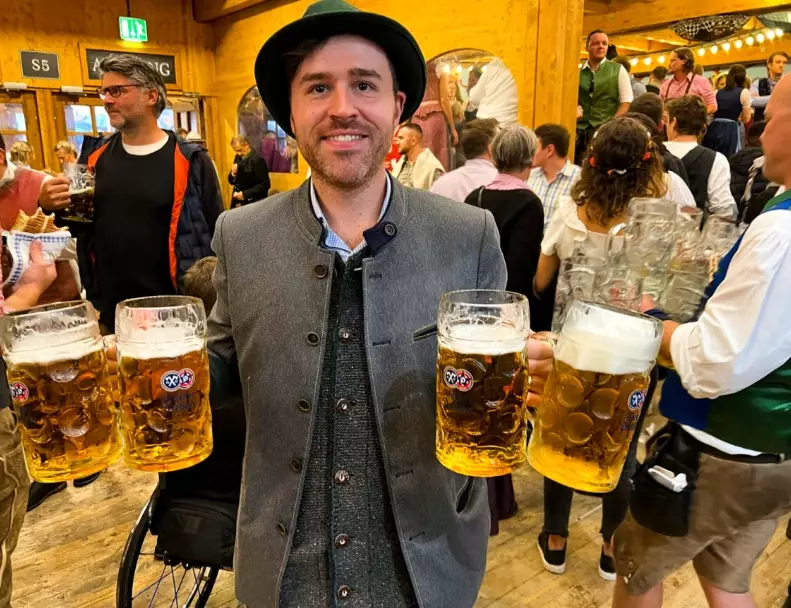
A critical tip most blogs miss: The tents are run by families and businesses, not the breweries themselves. So, while the Hofbräu-Festzelt serves only Hofbräu beer, the Hacker-Festzelt serves Hacker-Pschorr. Your beer choice often dictates your tent choice.
Choosing Your Oktoberfest Tent Vibe
For the Ultimate Party: Head to the Schottenhamel tent. It's where the festival is officially opened by the Mayor tapping the first keg. It's massive, loud, and attracts a young, energetic crowd. Expect bench-standing and singing by noon. The Hofbräu-Festzelt is the international equivalent, packed with travelers from every corner of the globe.
For a "Local" Feel: Try the Augustiner-Festzelt or the Ochsenbraterei (which serves Spaten). The Augustiner tent feels a bit more traditional and less overrun by tourists. The Armbrustschützenzelt (Paulaner) also has a strong local following and a unique crossbow competition inside.
For Families or a First Visit: The Hacker-Festzelt (aka Himmel der Bayern – "Bavaria's Heaven") is stunning inside with a painted sky-blue ceiling. The atmosphere is lively but slightly more relaxed than the hardcore party tents. Going on a weekday afternoon is also your best bet for a manageable experience.
How to Experience Oktoberfest Beer Like a Local: Practical Tips & Tricks
This is where the rubber meets the road. Knowing the beer is one thing; navigating the festival to actually enjoy it is another.
Reservations are Non-Negotiable for Evenings & Weekends. If you want a guaranteed seat (and you do, because standing is often not allowed in the main areas), you must book a table months in advance, typically in December-April for the following year. Tables are sold for whole periods (e.g., 10am-3pm, 4pm-10:30pm) and usually require a group (8-10 people) and a food/drink voucher prepayment. For the official reservation portals, check the Munich city Oktoberfest website which links to each tent's system.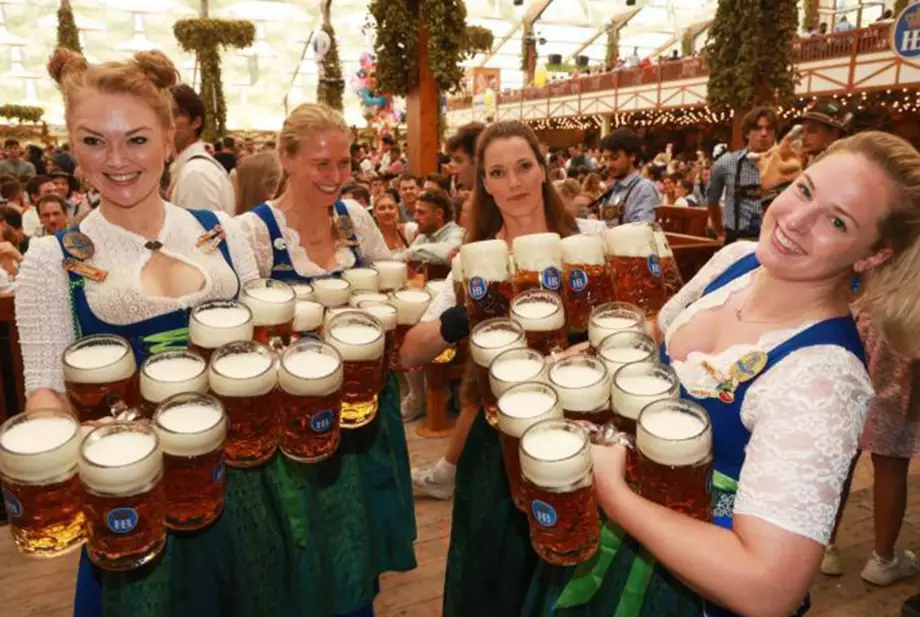
No reservation? Your strategy is key:
- Go on a Weekday: Tuesday-Thursday are far less crowded.
- Arrive Early: Be at the gates before they open at 9:00 or 10:00 AM (hours vary by day). Head straight to your target tent and grab a seat at an unreserved table. Once you have a seat, it's yours.
- The "After-Work" Rush around 4-5 PM is brutal. Avoid trying to enter a tent then.
Ordering & Drinking Etiquette:
When the server (Kellner) comes, hold up fingers for how many beers you want. They are incredibly strong and fast. To toast, look your companions in the eye, say "Prost!" and clink your glasses firmly from the bottom. Not making eye-contact is considered bad luck (seven years of bad sex, the legend says).
Dress code? While not mandatory, wearing Tracht (traditional clothing) enhances the experience immensely. For men, that's Lederhosen (leather breeches). For women, a Dirndl (dress with apron). A quick tip on the Dirndl: the side the apron bow is tied on signals relationship status (left=single, right=taken/married, front=virgin, back=widow). And please, avoid the cheap, neon-colored costume shop versions. Locals spot them a mile away. Invest in a simple, classic one or rent a quality set.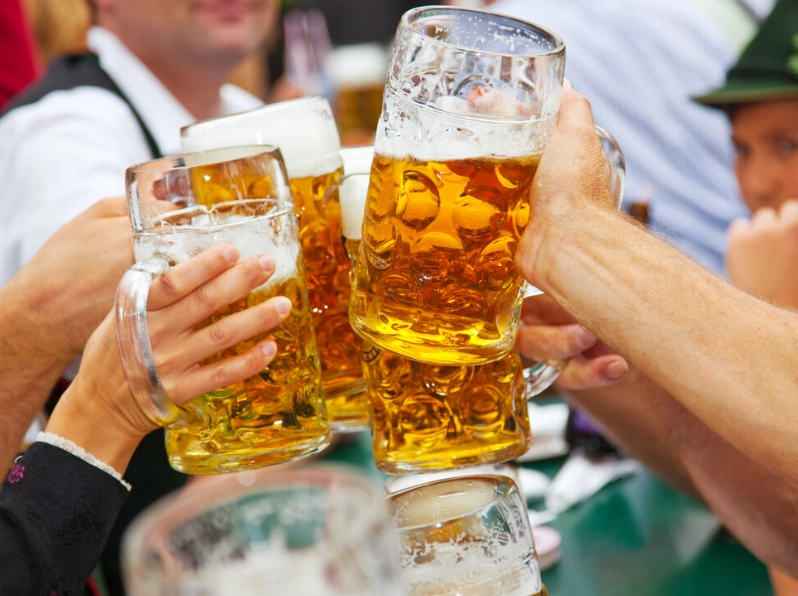
Beyond the Maß: Food, Culture, and Lasting Memories
The beer is the star, but the supporting cast is essential. You need to eat. The classic is Hendl (roast chicken), usually a half chicken, crispy and salty. Schweinshaxe (roasted pork knuckle) is a massive, shareable delight. Brez'n (the giant pretzel) is mandatory. And Obatzda, a spicy cheese-butter spread, is the perfect beer companion.
For a full Munich experience, visit a traditional beer hall year-round. The Augustiner Keller (Arnulfstraße 52, 80335 Munich) or the original Hofbräuhaus (Platzl 9, 80331 Munich) offer a taste of the atmosphere with fewer crowds. At Hofbräuhaus, a Maß costs about €11, a Schweinshaxe around €22. It's open daily from 9 AM to midnight.
Remember, Oktoberfest is a folk festival. Ride the vintage Ferris wheel for a view of the grounds, try your luck at a shooting gallery, and listen to the brass bands in the tents. The music is a huge part of the fun—a mix of traditional Bavarian folk songs and surprising pop covers that get everyone singing.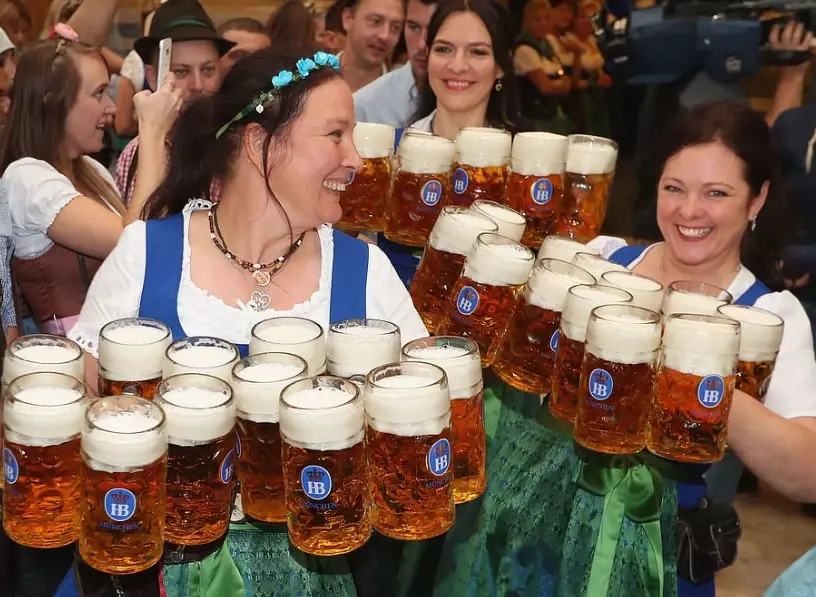
Oktoberfest Beer FAQs: Your Questions, Answered
Can I get Oktoberfest beer outside of Munich or after the festival?
You can, but it's different. Many of the "Big Six" brew an "Oktoberfest" labeled beer for export and wider sale. It's often the maltier, amber Märzen style, not the paler, lighter Festbier actually served at the festival. To taste the real deal, you need to be in Munich during the event or seek out specialty German imports that specify "Oktoberfest Wiesn" or "Festbier."
What's the biggest mistake first-timers make with Oktoberfest beer?
Pacing. That one-liter Maß is 6%+ alcohol. It's not a pint. Newcomers often get caught up in the excitement and drink it like water. The result is a very short, messy day. Sip it. Share a few among friends initially. Eat constantly—a solid base of pretzel, chicken, or cheese is your best defense. The goal is to enjoy the long afternoon, not be carried out by 3 PM.
Is Oktoberfest suitable for families or non-drinkers?
Absolutely, and this is an underrated point. The festival opens at 10 AM on weekdays, and the mornings are family-friendly. There's a huge carnival section with rides for kids. Many tents have family sections, especially earlier in the day. Non-drinkers can enjoy all the food, music, and atmosphere. Every tent serves soft drinks, sparkling water (Mineralwasser), and even non-alcoholic beer (which is very good in Germany).
How much cash should I bring for beer at Oktoberfest?
Carry plenty of cash (Euros). While some tents now accept cards at the main bars, servers at your table typically only take cash. As of the last festival, a Maß costs between €13.50 and €14.90, and prices creep up slightly each year. A security deposit of about €3 is included in that price—return your glass to get the token or cash back. So for a day of, say, three beers and a tip, have at least €50 in cash on you.