Quick Guide
Ever wondered what makes a truly great Apfelstrudel? You know, that iconic Viennese pastry with the impossibly thin, flaky crust wrapped around a sweet, cinnamony apple filling. It's on every café menu from Salzburg to Seattle, but let's be honest, most versions are a sad imitation. They're either soggy, overly sweet, or taste like they came from a factory freezer. It's enough to make you think a good homemade apfelstrudel is some unattainable chef's secret.
Well, I'm here to tell you it's not. I've had my fair share of baking disasters—the leaking strudel, the tough dough, the filling that turned to mush. But after talking to bakers in Vienna and spending more time than I'd like to admit in my own kitchen, I've pieced together what really matters. This isn't just a recipe. It's a deep dive into the soul of the dessert, from its tangled history to the tiny details that separate the good from the legendary. Whether you're a curious foodie or you're determined to bake your first successful strudel, this guide is for you.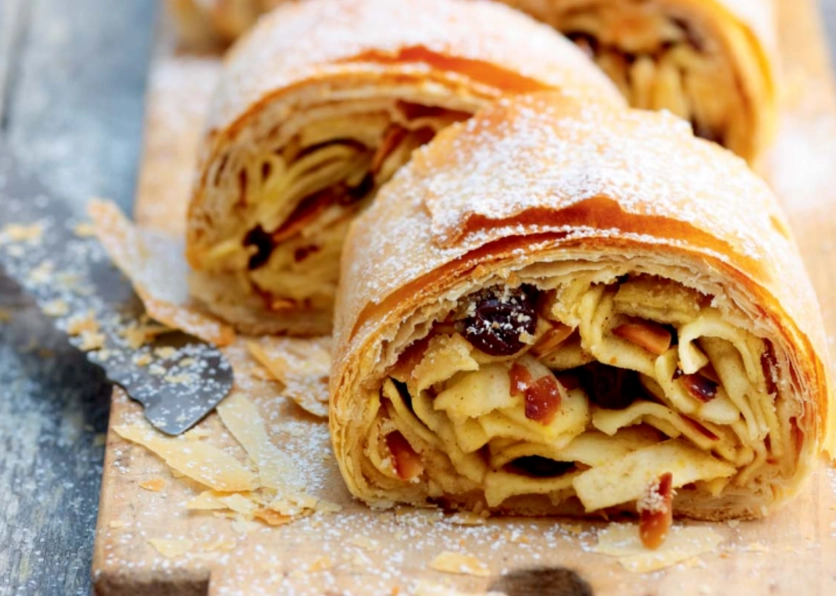
Where Did Apfelstrudel Even Come From? A History That's Flakier Than the Pastry
Most people hear "Apfelstrudel" and think "Austria." And they're not wrong—it's as symbolic of Vienna as the waltz or the opera. But its story starts much further east. The technique of stretching dough paper-thin likely traveled along trade routes from the Ottoman Empire (think baklava) into the heart of the Habsburg Monarchy. The first known written recipe for a strudel appeared in a handwritten cookbook from 1696, which you can find in the collection of the Wien Museum. It was a far cry from the sweet dessert we know today.
The real transformation happened in the 18th and 19th centuries in the coffee houses of Vienna. These places were the social media hubs of their day—artists, writers, and thinkers gathered there. The apfelstrudel, with its delicate layers and comforting apple filling, became the perfect accompaniment to a strong melange coffee. It was affordable, delicious, and felt a bit luxurious. The Austrian National Tourist Office even lists it as a quintessential part of the culinary experience, a symbol of Gemütlichkeit (a cozy, congenial feeling).
Here's a fun twist. While Austria proudly claims it, there's a fierce, friendly rivalry with its neighbors. Germany, especially Bavaria, has its own deeply rooted strudel tradition. And let's not forget the Czech Republic, Hungary, and Northern Italy's South Tyrol region, all with variations that feature in their local cuisine. So, is it purely Austrian? The answer is as layered as the pastry itself. It's a Central European classic, perfected in Viennese kitchens and coffee houses. This cultural significance is so profound that the skills associated with Viennese coffee house culture, which includes pastries like the apfelstrudel, were inscribed on the UNESCO Intangible Cultural Heritage list in 2011. You can read about this cultural recognition on the UNESCO website.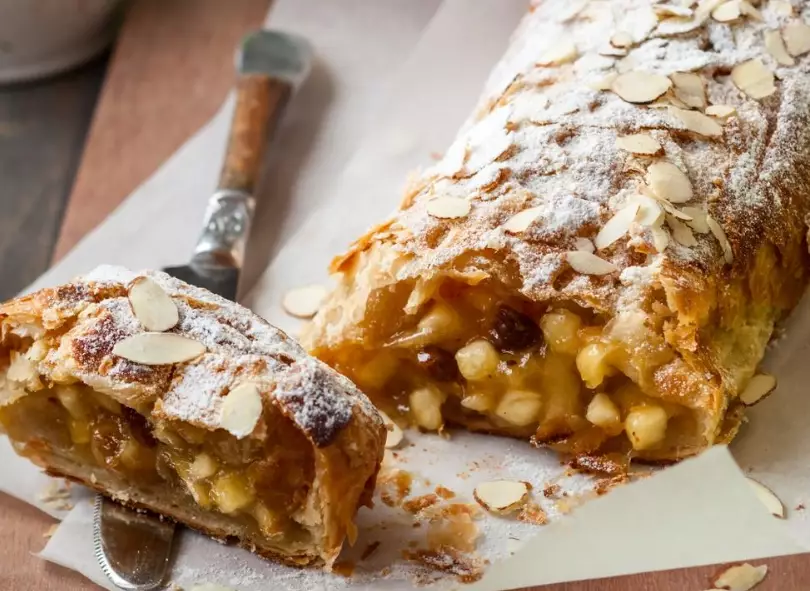
What's Inside a Real Apfelstrudel? Breaking Down the Core Ingredients
This is where most recipes and café versions cut corners. A legendary apfelstrudel relies on simplicity and quality. You don't need 20 ingredients. You need the right five or six, treated with respect.
The Dough: The Make-or-Break Foundation
Authentic strudel dough contains just flour, water, oil, and a pinch of salt. No eggs, no butter in the dough itself. The magic is in the gluten development. You knead it until it's smooth and elastic, then you let it rest. The real test? Stretching it. The goal is to get it so thin you can read a love letter through it. I'm not kidding. This thin layer is what bakes into those hundreds of delicate, shattering flakes. Using a pre-made puff pastry or phyllo dough is the most common shortcut. Does it work? Sort of. You'll get a pastry, but it won't have that specific, slightly chewy-yet-crisp texture of a true strudelteig. The German Baker's Association (Bäckerhandwerk) often highlights this stretching technique as a core skill of the trade.
The Apples: Not All Are Created Equal
This is the heart of the filling, and your choice matters more than you think. You want apples that hold their shape when baked and offer a balance of sweet and tart. Mushy apples turn your strudel into a soggy mess.
| Apple Variety | Flavor Profile | Best For Strudel? | Why/Why Not |
|---|---|---|---|
| Granny Smith | Very tart, crisp | Excellent | Holds shape perfectly, provides needed acidity against the sweetness. |
| Braeburn | Sweet-tart, firm | Excellent | Another great all-rounder that won't disintegrate. |
| Jonagold | Sweet with mild tartness | Good | Good flavor, but can be slightly softer. Mix with a firmer variety. |
| Golden Delicious | Sweet, mild | Not Ideal | Tends to become mushy and lacks flavor complexity. |
| McIntosh | Very sweet, tender | Avoid | Will turn into applesauce during baking, creating a wet filling. |
My personal favorite is a mix. I use two-thirds Granny Smith for structure and tartness, and one-third Braeburn or Jonagold for a deeper sweetness. It creates a more complex flavor in your apfelstrudel.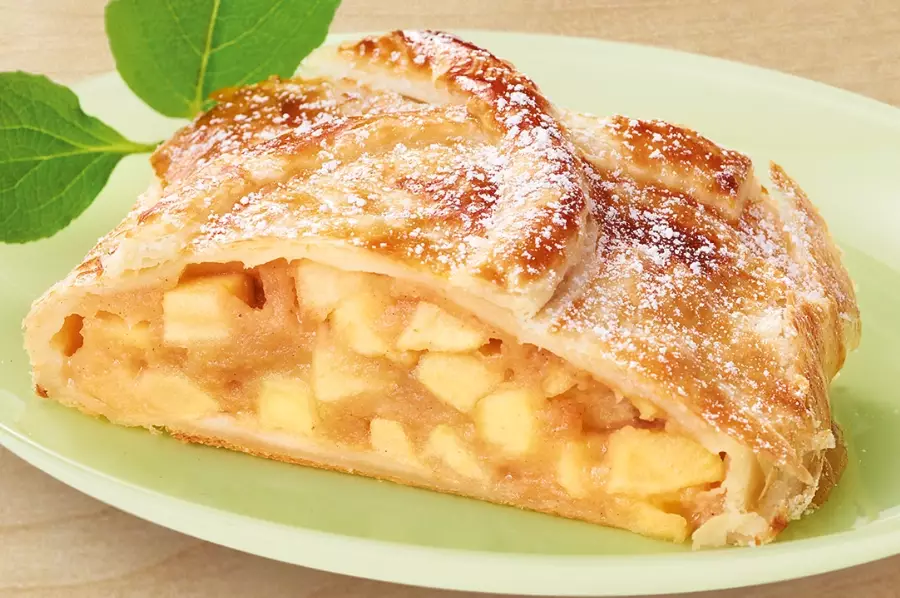
The Supporting Cast: Breadcrumbs, Raisins, Nuts
These aren't just fillers. Toasted breadcrumbs (use stale bread, never store-bought cardboard crumbs!) are crucial. They soak up the juices released by the apples during baking, preventing a soggy bottom. It's the oldest trick in the book and it works. Raisins, plumped in rum or apple juice, add little bursts of sweetness. Some people hate them—you can skip them. Chopped walnuts or almonds add a welcome crunch. Cinnamon is non-negotiable. Sugar? You need less than you think, especially if your apples are sweet.
The Step-by-Step Recipe: How to Make Apfelstrudel at Home
Alright, let's get our hands dirty. Don't be intimidated by the dough. The first time you try to stretch it, it might tear. Mine did. You patch it up and move on. It still tastes amazing.
Part 1: The Strudel Dough
- 250g (2 cups) all-purpose flour, plus more for dusting
- 125ml (½ cup) lukewarm water
- 2 tablespoons neutral oil (like sunflower or canola), plus more for brushing
- 1 pinch of salt
Combine the flour and salt in a bowl. Make a well, add the water and oil. Mix with a fork until a shaggy dough forms. Turn it out onto a lightly floured surface and knead. And knead. And knead some more. For a good 8-10 minutes. You want it smooth, elastic, and no longer sticky. Form it into a ball, brush it lightly with oil, cover it with a warm bowl, and let it rest for at least 60 minutes. This rest is critical for relaxing the gluten, which will let you stretch it later.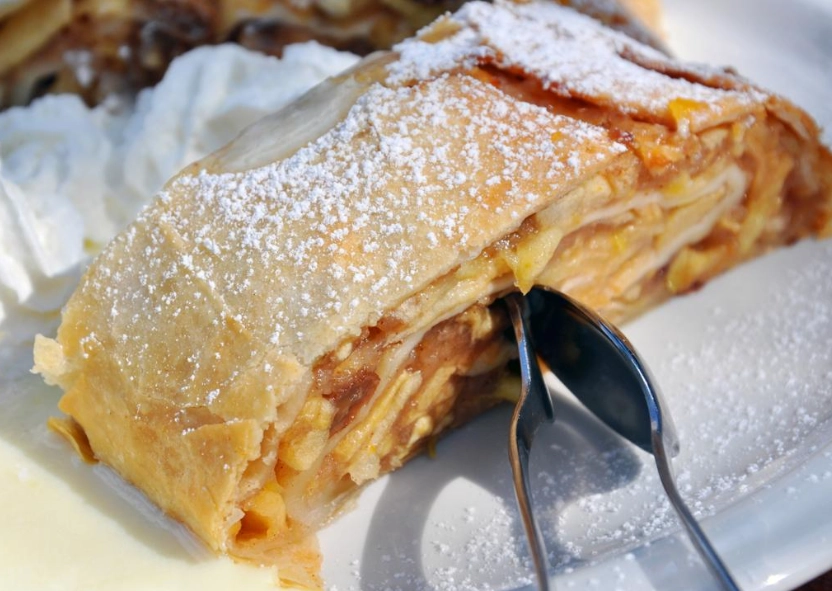
Part 2: The Apfelstrudel Filling
- 1 kg (about 2.2 lbs) firm baking apples (see table above), peeled, cored, and thinly sliced
- Juice of ½ a lemon
- 80g (⅓ cup + 1 tbsp) granulated sugar (adjust to taste and apple sweetness)
- 1 ½ tsp ground cinnamon
- 80g (⅔ cup) raisins (optional, plumped in warm water or rum)
- 60g (½ cup) chopped walnuts or almonds (optional)
- 70g (⅔ cup) fine breadcrumbs, toasted in 50g (3.5 tbsp) of butter until golden
- Icing sugar and whipped cream or vanilla sauce, for serving
Part 3: Assembly & Baking - The Grand Finale
- Prep your station. Clear a large table. Lay down a clean, smooth cotton or linen tablecloth and dust it generously with flour. This cloth is key for helping you roll the strudel later.
- Stretch the dough. Place your rested dough ball in the center of the cloth. Roll it out a little with a rolling pin to start. Then, using the backs of your hands, gently start stretching it from the center outwards. Work your way around the table, carefully lifting and pulling. Don't rush. Aim for a large, thin rectangle, almost covering the table. It's okay if it has a few holes or uneven edges. Thick edges can be trimmed off.
- Build the filling. Brush the entire stretched dough with melted butter. Sprinkle the toasted buttered breadcrumbs evenly over the lower two-thirds of the dough, leaving a border. Now, quickly toss your apple slices with lemon juice, sugar, cinnamon, raisins, and nuts. Pile this apple mixture on top of the breadcrumbs.
- The Roll. Using the cloth to help you, lift the edge of the cloth near the filling and start rolling the dough over the apples. Continue using the cloth to roll the strudel into a log, tucking in the sides as you go. It should look like a plump, stuffed caterpillar.
- Transfer and Bake. Carefully transfer the strudel log onto a baking sheet lined with parchment paper, seam-side down. Curve it into a horseshoe if it's too long. Brush generously with more melted butter. Bake in a preheated oven at 190°C (375°F) for about 40-45 minutes, until deeply golden brown. Brush with butter once or twice more during baking for extra color and flavor.
- Serve. Let it cool for 15-20 minutes before slicing. Dust heavily with icing sugar. Serve warm with a dollop of lightly sweetened whipped cream or a pool of vanilla sauce.
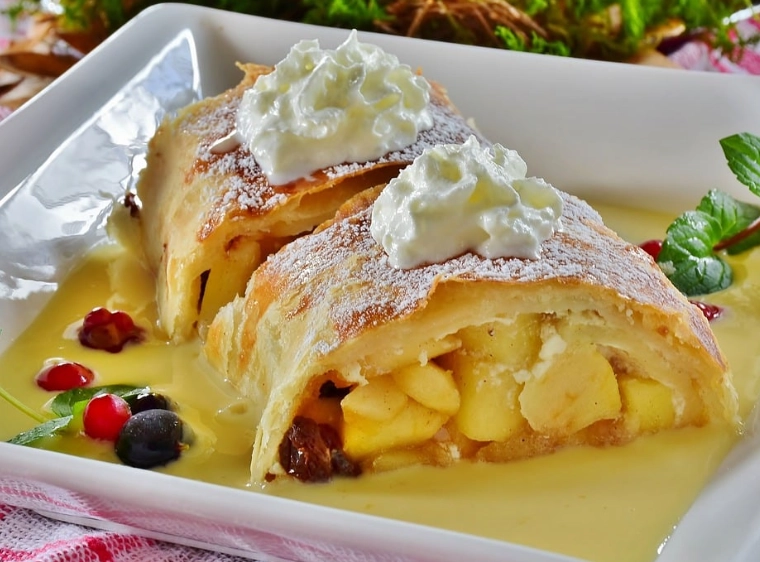
See? It's a process, but it's not brain surgery. The feeling of pulling that golden, fragrant log out of your own oven is unbeatable.
Your Top Apfelstrudel Questions, Answered
I get asked these all the time. Let's clear things up.
The Final Checklist for Apfelstrudel Perfection
Let's summarize the key points that will elevate your strudel from good to café-quality:
- Dough Rest: Don't skip the 60-minute rest under a warm bowl.
- Apple Choice: Pick firm, tart apples like Granny Smith or Braeburn.
- Breadcrumb Barrier: Toasted buttered breadcrumbs are non-negotiable for a crisp base.
- Stretch Goal: Get the dough as thin as you dare. Transparency is the goal.
- Butter, Butter, Butter: Generous brushing before and during baking equals flavor and color.
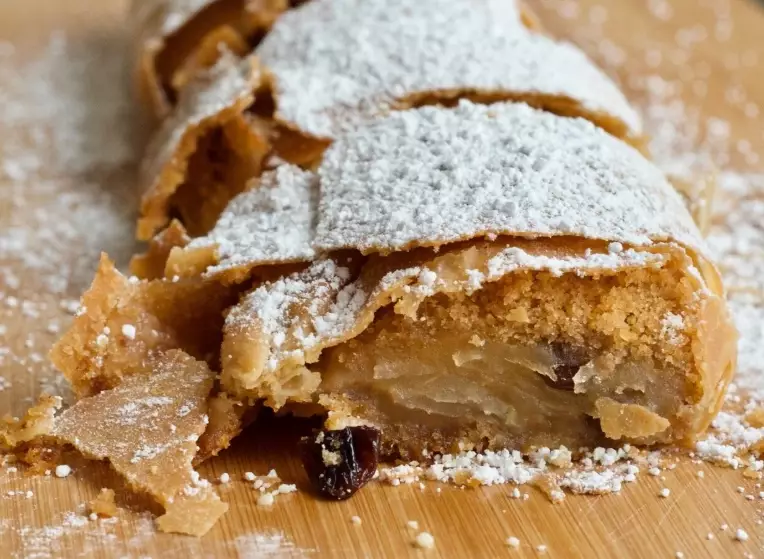
- Bake to Brown: A pale strudel is an underbaked strudel. Wait for that deep golden hue.
- Rest Before Cutting: Let it set for 15-20 minutes so the filling firms up and doesn't gush out.
Baking an apfelstrudel is a connection to a centuries-old tradition. It's forgiving in its own way. Even a slightly torn, imperfectly rolled strudel, served warm from your oven to friends or family, is a triumph. It carries the taste of Vienna's coffee houses, of Central European kitchens, and now, of your own home. So, grab some apples, dust off that tablecloth, and give it a try. The worst that can happen is you have to eat your slightly messy, but undoubtedly delicious, mistakes.