In This Guide
- Berlin's Big Draw: What Makes It a Tourist Magnet?
- The Other Side of the Coin: Berlin's Challenges for Visitors
- Who Will Love Berlin? Who Might Not?
- Beyond the Checklist: Living Like a Local for a Day
- Practical Nitty-Gritty: Your Berlin Tourist Toolkit
- Answering Your Burning Questions (FAQ)
- The Final Verdict: So, Is Berlin a Good Place for Tourists?
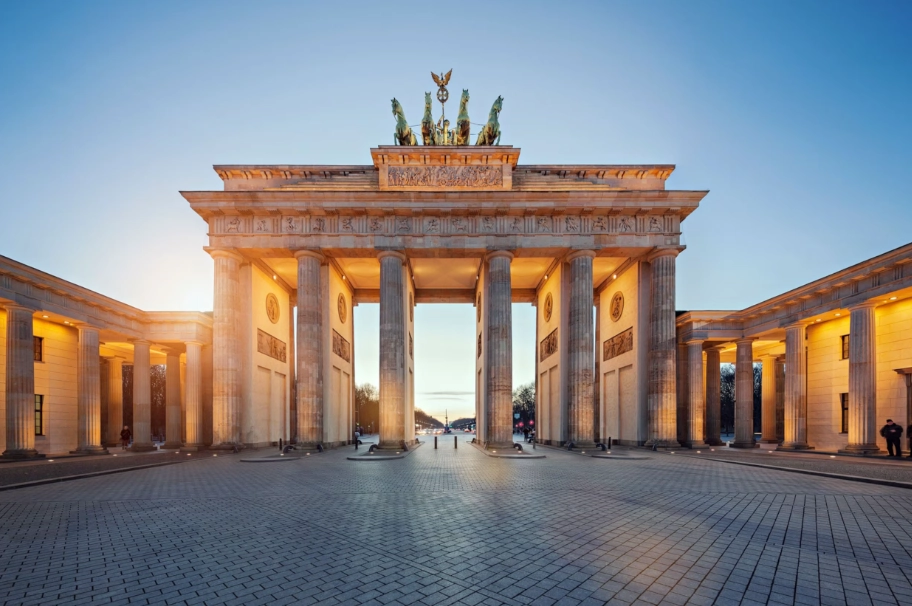
So you're thinking about Berlin. Maybe you've seen the Instagram shots of the Brandenburg Gate, heard stories about the wild nightlife, or read about its deep, sometimes heavy history. And now you're sitting there, probably with a flight search tab open, wondering: is Berlin actually a good place for tourists? Is it worth the time and money, or is it just another overhyped capital city?
I've asked myself that same question more than once. I first visited over a decade ago, and I've been back countless times since, sometimes for work, sometimes just to wander. I've dragged friends there who loved it, and I've met others who found it a bit... much. Cold, gritty, overwhelming. The truth is, Berlin isn't for everyone. But if it's for you, it can be absolutely unforgettable.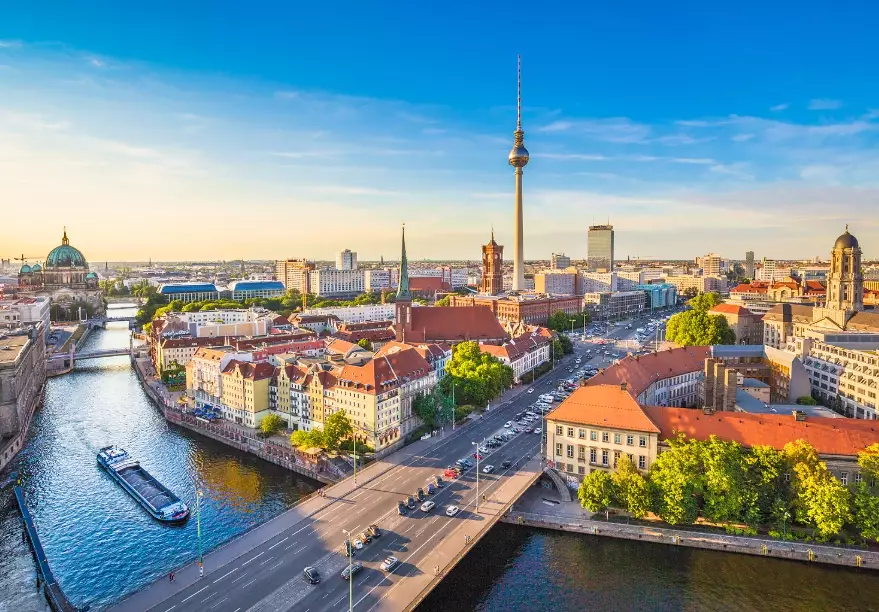
This isn't a fluffy promotional piece. We're going to dig into the meat and potatoes of a Berlin trip. The stunning art and the confusing bureaucracy. The affordable food and the sometimes grumpy service. The profound historical sites and the neighborhoods that feel like separate villages. By the end of this, you'll have a clear picture of what Berlin offers tourists, the good, the bad, and the weird, so you can decide if it's the right fit for your next adventure.
Berlin's Big Draw: What Makes It a Tourist Magnet?
Let's start with the positives, because there are many. People don't flock here by accident. Berlin has a gravitational pull for specific types of travelers, and for good reason.
A History You Can Feel (Literally)
Few cities wear their history on their sleeve like Berlin. It's not tucked away in museums; it's in the pavement, on the walls, in the very layout of the city. Walking from the grand Unter den Linden boulevard to the raw, artistic yards of East Berlin is a journey through different worlds, and through time.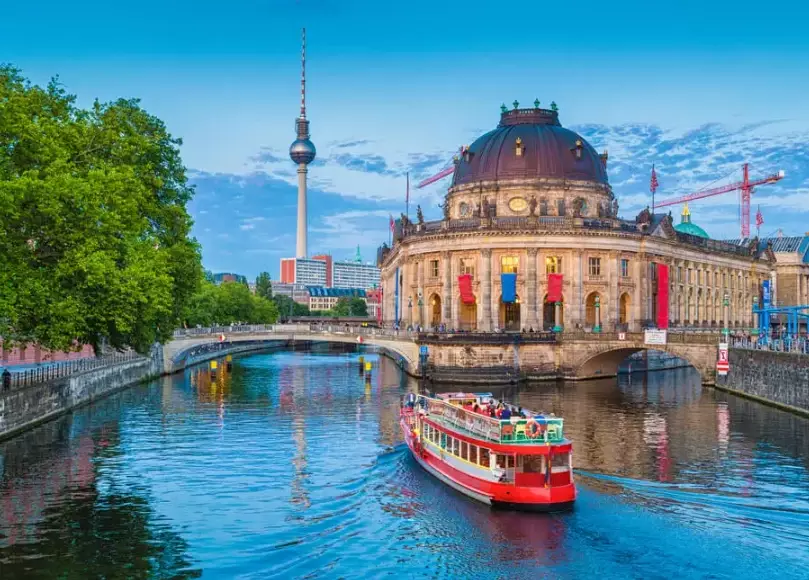
Top Must-See Historical Sites
- The Berlin Wall Memorial (Gedenkstätte Berliner Mauer) on Bernauer Strasse: This is the one. Don't just see a fragment. Come here to understand the scale, the brutality, and the human stories. The preserved "death strip" and the documentation center are chilling and essential. It's the most authentic memorial to the division.
- The Reichstag Building: Yes, it's the German parliament. But the reason it's a top tourist spot is the stunning glass dome designed by Norman Foster. You get a 360-degree view of the city and look directly down into the parliamentary chamber. It's a powerful symbol of transparency. Booking a free visit in advance is non-negotiable—do it on the official Bundestag website.
- The Topography of Terror: Located on the former grounds of the Gestapo and SS headquarters, this outdoor and indoor exhibition is a stark, unflinching look at the mechanisms of Nazi terror. It's not an easy visit, but it's a crucial one.
- East Side Gallery: The longest surviving stretch of the Berlin Wall, now an international memorial for freedom covered in famous murals. It's touristy, sure, but standing next to that concrete canvas, feeling its weight, is something else. My personal favorite is Dmitri Vrubel's "My God, Help Me to Survive This Deadly Love."
You can't escape history here. Even stumbling upon a row of Stolpersteine (brass "stumbling stones" in the sidewalk marking Holocaust victims' last homes) brings a moment of powerful reflection. It's this layered, palpable past that makes Berlin a uniquely compelling destination for anyone interested in the 20th century.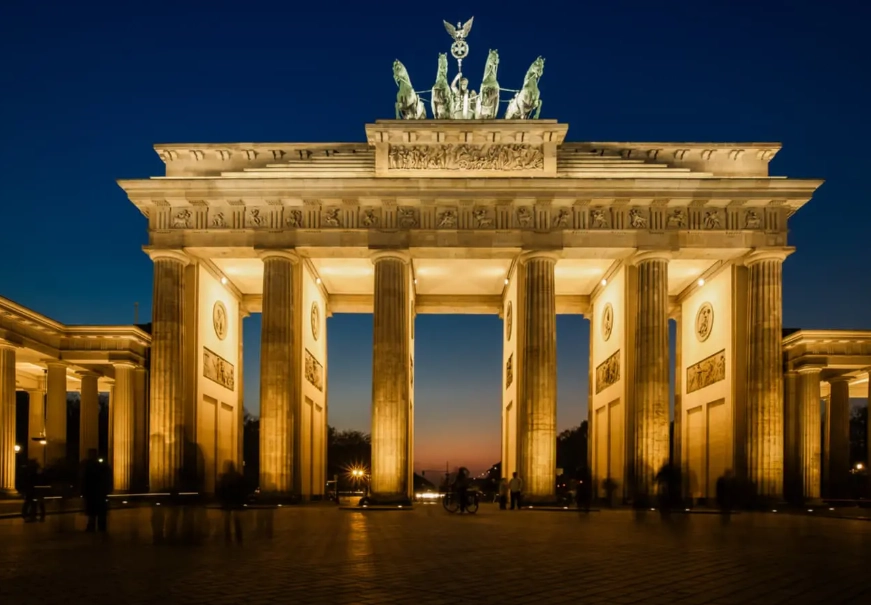
Culture That Doesn't Sit Still
Berlin's culture isn't curated behind velvet ropes. It's alive, experimental, and often free. The city has an official site, VisitBerlin, which is a fantastic resource for current events and exhibitions.
The museum scene is world-class. Museum Island is a UNESCO World Heritage site, a cluster of five monumental museums. The Pergamonmuseum (currently partially closed for renovation, check the Staatliche Museen zu Berlin website for updates) is the star, home to monumental structures like the Ishtar Gate. But beyond the island, you have gems like the Jewish Museum, with its breathtaking architecture by Daniel Libeskind, and the DDR Museum, which lets you interactively experience life in East Germany.
Surprisingly (Still) Affordable for a Capital
Compared to London, Paris, or Amsterdam, Berlin can feel like a bargain. You won't get Swiss quality, but you get great value.
| Item | Approximate Cost (EUR) | Notes & Tips |
|---|---|---|
| Public Transport Day Ticket (AB Zone) | €9.50 | Covers all buses, trams, U-Bahn, S-Bahn. The 7-day ticket (€41) is a steal for longer stays. |
| Cheap Eat (Döner Kebab, Currywurst) | €4 - €7 | Berlin's iconic street food. A must-try. Avoid the tourist traps right by Alexanderplatz. |
| Mid-range Restaurant Meal | €12 - €20 | Vast options of international cuisine, especially good Vietnamese and Turkish. |
| Pint of Beer in a Neighbourhood Pub | €3.50 - €5 | Often cheaper than a soft drink. Local beers like Berliner Pilsner are great. |
| Museum Entry (Standard Adult) | €10 - €14 | Consider the Museum Pass Berlin (3 days, €34) if you plan to visit several. Covers over 30 museums. |
| Budget Hotel / Hostel Private Room (per night) | €60 - €100 | Prices spike during major events. Book early. Districts like Friedrichshain offer good value. |
See what I mean? You can have a fantastic day exploring, eating well, and seeing sights without your wallet screaming for mercy. This affordability is a huge part of why Berlin is a good place for tourists, especially backpackers, students, and budget-conscious travelers.
The Other Side of the Coin: Berlin's Challenges for Visitors
Okay, time for some real talk. Berlin isn't a fairy-tale city. It has edges, and they can rub some visitors the wrong way. Ignoring this is doing you a disservice.
The Grittiness & "Berliner Schnauze"
Berlin is not pristine. You'll see graffiti everywhere (some is brilliant art, some is just tags). Construction sites are permanent fixtures. Some areas feel neglected. This urban rawness is part of its identity, but if you're seeking manicured beauty like Prague or Vienna, you might be disappointed.
Then there's the famous "Berliner Schnauze"—a direct, often blunt manner of speaking. A server might not greet you with a beaming smile. A ticket inspector might be curt. It's not personal; it's a cultural directness that can be misinterpreted as rudeness. I've learned to appreciate its honesty, but on a grey Monday morning, it can feel a bit cold.
It's Sprawling and Can Feel Disconnected
Berlin is massive in area. The sights are spread out. A day trip planning to see the Charlottenburg Palace in the west and the East Side Gallery in the east means serious travel time. The excellent public transport helps, but you will spend time on trains.
This sprawl means Berlin doesn't have one single "tourist center." It has many centers.
This can be disorienting. You might stay in a cool, residential area like Neukölln and feel far from the "action" (though Neukölln has its own amazing action). It requires a shift in mindset: Berlin is a collection of towns (Kieze), each with its own vibe. Embrace exploring one per day rather than ticking off a checklist of scattered monuments.
Seasonal Gloom
Winter in Berlin is no joke. It's not just cold; it's dark, grey, and can be bitterly damp from November through March. The Christmas markets are magical, but outside those pockets of light, the city can feel somber. Summer, on the other hand, is a revelation. The parks are packed, the lakes are buzzing, and the city lives outdoors. The season you visit dramatically changes the answer to "Is Berlin a good place for tourists?"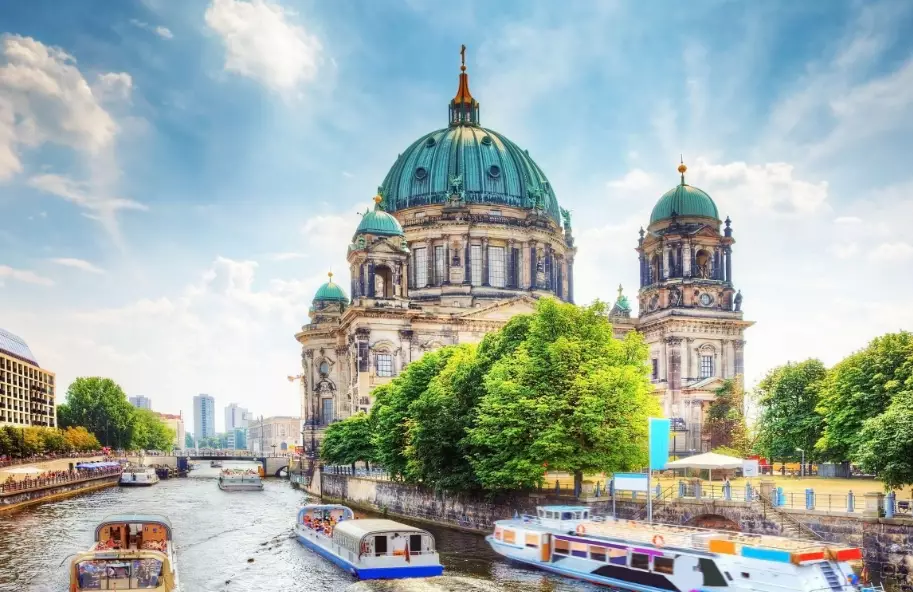
Who Will Love Berlin? Who Might Not?
Let's get practical. Based on everything above, here’s a quick matchmaking guide.
Berlin is probably GREAT for you if you:
- Are a history buff interested in WWII, Cold War, or 20th-century politics.
- Love alternative culture, street art, and non-mainstream scenes.
- Are a foodie on a budget who loves exploring international cuisines.
- Enjoy nightlife, from techno to cozy bars.
- Prefer a city with "character" and authenticity over polished perfection.
- Are a solo traveler looking for a friendly, easy-to-navigate (if spread-out) city.
Berlin might be a CHALLENGE for you if you:
- Are looking for a classically "beautiful," picturesque European old town (like Bruges or Salzburg).
- Prefer small, walkable cities where everything is close.
- Are easily put off by urban grit, graffiti, or direct communication styles.
- Travel primarily for luxury shopping, fine dining, and five-star service.
- Are visiting in the depths of winter and are sensitive to cold and lack of sunlight.
- Want a relaxing, slow-paced holiday. Berlin energizes, it doesn't always relax.
Beyond the Checklist: Living Like a Local for a Day
To truly judge if Berlin is a good place for tourists, you have to step off the well-trodden path. Here’s a sample day that captures the local rhythm.
Morning: Skip the hotel breakfast. Head to a neighborhood Bäckerei for a fresh Brötchen (roll) and coffee. Then, don't go to a museum. Go to a Flohmarkt (flea market). The Mauerpark market on Sunday is an event (karaoke included!), but for a more local feel, try the one at Boxhagener Platz in Friedrichshain on a Sunday.
Afternoon: Pick a Kiez and wander. Prenzlauer Berg, with its leafy streets and renovated Altbau buildings, is great for café-hopping and people-watching. Kreuzberg, especially along the Landwehrkanal, is perfect for grabbing a beer to-go from a Späti (late-night shop) and sitting by the water. This is when you feel the city's real pace.
Evening: Eat somewhere that isn't German. Maybe a family-run Vietnamese restaurant in Marzahn (take the train, it's an adventure!) or a fantastic Turkish meal in Neukölln. Afterwards, find a small bar or see what's on at an independent cinema. The Yorck Kinogruppe shows original language films.
That's a day with minimal famous sights but maximum Berlin vibe.
Practical Nitty-Gritty: Your Berlin Tourist Toolkit
Getting Around
The BVG network (U-Bahn, S-Bahn, trams, buses) is superb. Download the BVG FahrInfo Plus app or use Google Maps. Buy tickets from the red/grey machines at stations before boarding. Validate paper tickets by stamping them in the small boxes on platforms or on buses. Yes, there are random checks, and fines are steep if you're ticketless.
Money & Tipping
Cards are widely accepted, but always carry some cash (Bargeld). Many smaller restaurants, cafes, and especially Spätis are cash-only. Tipping is customary but not as high as in the US. Round up to a convenient amount or add 5-10% for good service in a restaurant. Just tell the server the total you want to pay when they bring the card machine.
Language
You can absolutely get by with English, especially in central areas and with younger people. But learning a few basics goes a long way. A simple "Guten Tag" (Good day), "Bitte" (Please), "Danke" (Thank you), and "Entschuldigung" (Excuse me) will be appreciated.
Answering Your Burning Questions (FAQ)
Mitte: Literally "middle." Close to Museum Island, Brandenburg Gate. Can be touristy and more expensive.
Kreuzberg/Friedrichshain: Vibrant, alternative, great nightlife and food. Lively, can be noisy.
Prenzlauer Berg: More relaxed, chic, family-friendly. Beautiful streets, great cafes.
Charlottenburg: More elegant, quieter, good shopping. Feels a bit more "West Berlin."
The Final Verdict: So, Is Berlin a Good Place for Tourists?
Here's my honest conclusion.
Berlin is not an easy, effortless city. It demands a bit from you. It asks you to grapple with difficult history, to navigate its sprawling landscape, to accept its rough edges. It won't always charm you with quaintness.
But if you meet it halfway, it rewards you like few other places can. It offers a profound historical education, an explosion of creative energy, incredible cultural value, and a refreshing lack of pretense. The question "Is Berlin a good place for tourists?" doesn't have a universal yes or no. The better question is: Are you the right tourist for Berlin?
If you're curious, open-minded, interested in more than just postcard views, and willing to explore at your own pace, then yes, absolutely. Berlin can be one of the most stimulating and memorable trips you'll ever take. It gets under your skin. Just maybe pack an umbrella and a good jacket, regardless of the season.