Let's cut to the chase. If you're an American planning a trip to Frankfurt, Germany, and you're typing that question into Google, you want a straight answer. The short one is: Yes, Frankfurt is overwhelmingly safe for American tourists. You're far more likely to have your trip marred by a missed train connection or an overpriced beer than by any serious crime. But that doesn't mean you should wander around with your eyes closed. Safety isn't just about crime stats; it's about knowing which neighborhoods feel comfortable after dark, how to navigate public transport without getting pickpocketed, and understanding the subtle cultural cues that keep you out of trouble.
I've spent considerable time in Frankfurt, both as a wide-eyed visitor and later as a semi-local. I've walked its banking district at midnight and navigated the bustling station area at dawn. This guide isn't just a rehash of official statistics (though we'll look at those). It's a practical, street-level look at what "safe" really means for an American in Frankfurt.
What You'll Find in This Guide
- How Safe is Frankfurt Compared to Other Cities?
- What Are the Safest Neighborhoods in Frankfurt for Tourists?
- Areas to Be More Cautious In
- Practical Safety Tips for American Visitors
- Navigating Frankfurt: Transportation and Getting Help
- Beyond Crime: Health, Scams, and Cultural Safety
- Final Verdict: Is Frankfurt Safe for Your Trip?
- Your Frankfurt Safety Questions Answered
How Safe is Frankfurt Compared to Other Cities?
Frankfurt often gets a bad rap in Germany. It's the country's financial capital, has a major international airport, and a visible homeless population near the main train station. This leads to a perception of it being "dangerous" by quaint German village standards. But let's put it in a context you'll understand.
According to the German Federal Statistical Office, Frankfurt's crime rate is higher than the national German average, primarily due to property crime and offenses recorded at its major transportation hubs. However, compared to major American cities, Frankfurt is incredibly safe.
Take violent crime. The likelihood of being a victim of a violent crime in Frankfurt is a fraction of what it is in most large U.S. cities. You simply don't have the same issues with gun violence. Petty theft, like pickpocketing and bag snatching, is your primary concern, similar to Barcelona, Paris, or Rome.
| Safety Aspect | Frankfurt, Germany | Context for Americans |
|---|---|---|
| Violent Crime Rate | Low | Significantly lower than comparable U.S. cities like Chicago or Philadelphia. |
| Petty Crime (Theft) | Moderate to High (in tourist/transit zones) | Similar risk to other major European tourist cities. The main threat. |
| Police Presence & Response | High, visible, and generally proficient in English | Very reliable. You can trust them. |
| Overall Safety Feeling (Day) | Very High | You'll feel completely at ease in most areas. |
| Overall Safety Feeling (Night) | Generally High (with specific exceptions) | Stick to well-lit, populated areas and you'll be fine. |
The U.S. Department of State's travel advisory for Germany is Level 2: "Exercise Increased Caution," largely due to the threat of terrorism across Europe, not specific crime in Frankfurt. This is the same level as countries like France, the UK, and Denmark.
What Are the Safest Neighborhoods in Frankfurt for Tourists?
Where you stay massively impacts your perception of safety. Frankfurt is a city of distinct neighborhoods. Here’s where you can book with confidence:
Sachsenhausen (South of the River): This is the classic, postcard-perfect Frankfurt. Cobblestone streets, traditional apple wine taverns (Apfelweinwirtschaft), and museums. It's lively, full of locals and tourists, and feels exceptionally safe day and night. It's a top choice for first-time visitors. Hotels here range from mid-tier to luxury. The Hotel am Dom or the Lindner Hotel & Residence Main Plaza offer great locations and a secure feel.
Westend and the Banking District: This is Frankfurt's Manhattan. Skyscrapers, sleek offices, and expensive apartments. The streets are clean, well-patrolled, and quiet after business hours. Crime here is minimal. It's more about business hotels, like the Steigenberger Frankfurter Hof or the Jumeirah Frankfurt. It's safe but can feel a bit sterile at night.
Nordend and Bornheim: These are trendy, residential neighborhoods bursting with character. Think independent cafes, quirky boutiques, and beautiful old buildings (Altbau). They have a strong community feel. Walking around at night feels perfectly normal. You'll find more boutique hotels and vacation rentals here. It's ideal if you want a local vibe.
The City Center (Innenstadt) around Römerberg: The reconstructed old town and shopping area (Zeil) are perfectly safe. They are packed with people until the shops close. After that, it can empty out a bit, but the main squares remain well-lit and monitored.
Areas to Be More Cautious In
This is the part most guidebooks gloss over. No city is a uniform paradise.
The Immediate Area Around the Main Train Station (Hauptbahnhof): This is Frankfurt's most notorious spot. The station itself is fine—it's a major European hub, busy and full of police. However, the streets directly to the north and west, particularly the Bahnhofsviertel district, have a visible drug scene and prostitution, especially at night. It's gritty, not typically violent towards tourists, but it can be intimidating and is a hotspot for petty theft. My advice: It's not a no-go zone, but be alert. Don't wander there alone late at night looking lost. Use common sense. If you're arriving late by train, just get a taxi from the official rank directly outside.
Certain U-Bahn (Subway) Stations Late at Night: Stations like Konstablerwache can attract loiterers late at night. The trains themselves are safe, but empty platforms are never ideal. Stick to well-lit areas and try not to be alone.
Frankfurt's "danger" is concentrated and avoidable. Knowing about the station area lets you manage your risk effectively.
Practical Safety Tips for American Visitors
These aren't just generic warnings. These are the specific behaviors that will make you a harder target and smooth your experience.
Guarding Your Belongings
Pickpockets work crowds. The Zeil shopping street, the Römerberg square, packed trams (especially lines 16 and 17 going to the station), and the train station concourse are prime areas. Use a cross-body bag with a zipper and keep it in front of you. Men, don't keep your wallet in your back pocket. In restaurants, never hang your bag on the back of your chair. Put it on your lap or hook it around your leg.
Nighttime Mobility
Frankfurt has excellent, safe public transport at night with night buses and trams. Taxis are reliable and metered—use the Free Now app (like Uber) or hail one at a rank. Walking is generally fine in the neighborhoods recommended above. If you feel unsure, just take a taxi. The cost is worth the peace of mind.
Emergency Situations
The pan-European emergency number is 112 (for police, fire, ambulance). For police only, you can also dial 110. Most operators speak English. The main police station (Polizeipräsidium) is at Adickesallee 70, not far from the station.
Cultural Navigation (The Invisible Safety Net)
Blending in is a safety strategy. Germans value order and quiet efficiency. Being loud and boisterous on public transport or in residential areas at night can draw unwanted attention, not from criminals, but from annoyed locals who might see you as a clueless tourist. Also, while card payments are widespread, smaller establishments and markets often prefer or only take cash (EC cards are more common than Visa/Mastercard in some spots). Having some euros on hand prevents you from looking vulnerable while searching for an ATM.
Navigating Frankfurt: Transportation and Getting Help
Getting around safely is key. The RMV network (trains, trams, buses, U-Bahn) is your friend. Buy tickets from machines (switch to English) before boarding. You must validate your ticket in the small red or yellow boxes on platforms or inside trams. Plainclothes inspectors are common, and the fine for fare evasion is steep (€60+).
Taxis are safe. Uber operates, but mostly as a taxi-hailing service. The city is also very bike-friendly, with dedicated lanes. Just be aware that German cyclists are fast and follow rules—don't wander into bike lanes.
If you need non-emergency help, the official Frankfurt Tourist Information offices (at the Hauptbahnhof and Römerberg) are excellent resources. For medical needs, pharmacies (Apotheke) are everywhere and pharmacists are highly trained. For minor issues, they can often help without a doctor. Look for the sign of a red "A" on a white background.
Beyond Crime: Health, Scams, and Cultural Safety
Safety is holistic.
Health & Insurance: Your U.S. health insurance likely doesn't work here. Get travel insurance with medical coverage. EU citizens can use the European Health Insurance Card (EHIC), but Americans cannot. A doctor's visit or, heaven forbid, a hospital stay, will be expensive without insurance.
Common Scams: Frankfurt isn't rife with scams, but be aware of:
- The "found ring" scam (someone "finds" a gold ring and tries to sell it to you). Just walk away.
- Distraction techniques at ATMs. Shield your PIN.
- Overly persistent people asking for donations or selling things near the station. A firm "Nein, danke" (No, thank you) works.
Cultural Comfort: You are extremely unlikely to face any hostility for being American. Germans are direct, not rude. Service in restaurants can seem brusque compared to the U.S.—it's efficient, not unfriendly. Tipping is modest (rounding up to the nearest euro or 5-10%). This cultural understanding reduces friction and stress, making your trip feel safer and more comfortable.
Final Verdict: Is Frankfurt Safe for Your Trip?
Absolutely. For the vast majority of American travelers, Frankfurt presents a level of urban safety that will feel refreshingly high. The risks are predictable and manageable: guard your phone and wallet in crowded places, be smart around the main train station at night, and have travel health insurance.
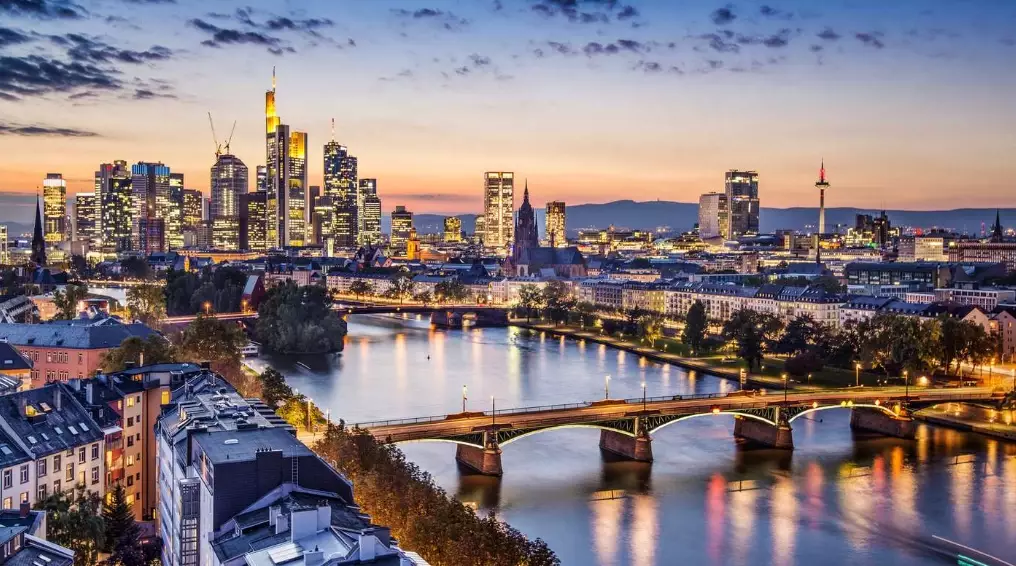
You're far more likely to remember Frankfurt for its stunning skyline, its cozy apple wine pubs in Sachsenhausen, and its incredible transport links to the rest of Europe than for any safety incident. Go with sensible precautions, the same ones you'd use in any major city, and you'll have a fantastic, secure visit.
Frankfurt isn't a fairy-tale village; it's a real, working European city. And like any such city, it has its rough edges. But those edges are well-defined and easy to avoid. The core experience for a visitor is one of order, efficiency, and welcome.