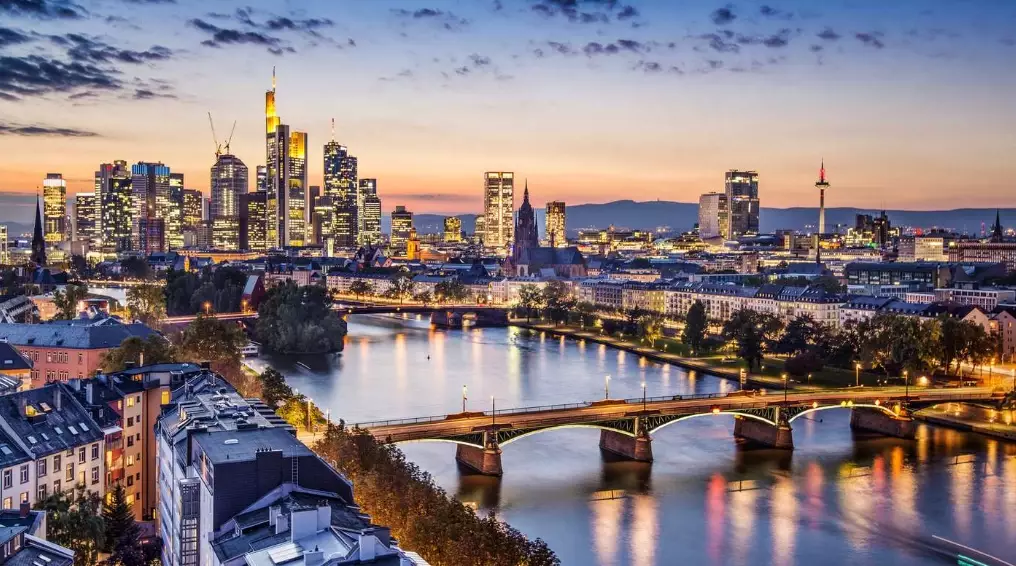
Let's cut to the chase. Yes, Frankfurt has a bad reputation in some circles. Ask a random traveler about Germany's financial capital, and you might hear words like "boring," "sterile," or "dangerous." But having spent considerable time there over the past decade, I can tell you that reputation is a messy blend of outdated stereotypes, a few hard truths, and a massive dose of unfair generalization. The city is far more nuanced than its nickname "Mainhattan" (a blend of the Main River and Manhattan) suggests. This reputation stems from three main sources: its identity as a banking powerhouse, the very real challenges around its central train station, and comparisons with Germany's more classically picturesque cities.
In This Article
Where Does Frankfurt's Bad Reputation Come From?
You don't get a bad rap out of nowhere. For Frankfurt, it's a perfect storm of perception.
The Banking City Stereotype. This is the big one. Frankfurt is home to the European Central Bank, the Deutsche Bundesbank, and a forest of skyscrapers housing global banks. The visual alone screams "corporate" and "expensive." The downtown banking district can feel quiet after 7 PM, reinforcing the idea that there's no soul here. People assume a city of finance must be cold, just like its transactions.
The Bahnhofsviertel Elephant in the Room. The area immediately around Frankfurt's main train station, the Bahnhofsviertel, has a long-standing and well-documented issue with open drug use and prostitution. It's intense, especially at night. For many visitors, this district is their first and sometimes only impression of Frankfurt if they're just passing through. It casts a long shadow. I remember my first solo trip there years ago, stepping out of the station and feeling completely disoriented by the scene—it's not an experience you forget.
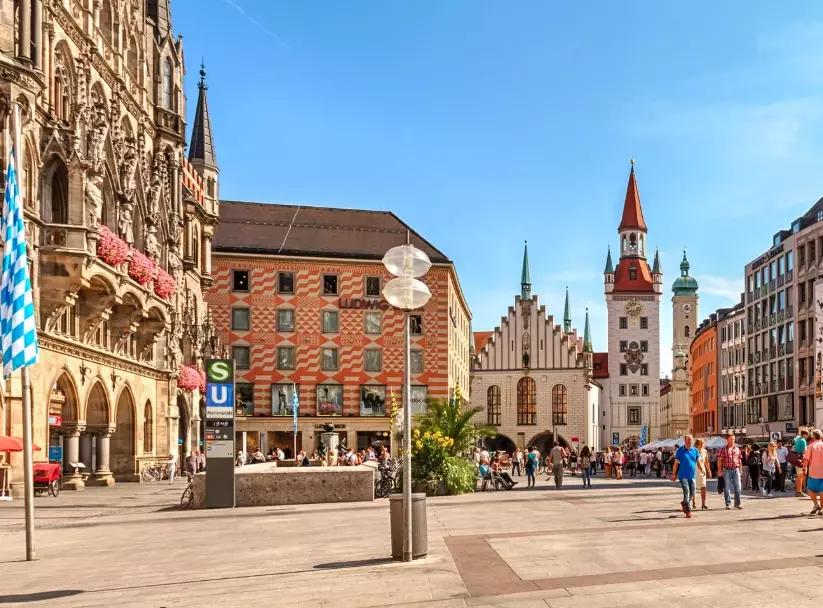
The "Not Pretty Enough" Critique. Stack Frankfurt against Rothenburg ob der Tauber, Heidelberg, or even Munich, and it loses the traditional German postcard contest. Its skyline is modern, its postwar reconstruction left it with a mix of old and new that some find jarring. Tourists seeking half-timbered fairy tales often leave disappointed, calling it "ugly" or "just another modern city."
A Quick Reality Check
Here's the thing most blog posts won't admit: the Bahnhofsviertel's reputation is largely confined to a very specific, small area. Walk 10-15 minutes in any direction—towards the Opera, the Römerberg old town, or the Westend—and the atmosphere changes completely. Judging all of Frankfurt by its train station district is like judging all of New York by a single problematic block in the 1980s.
Crime in Frankfurt: What the Statistics Actually Say
"Is Frankfurt safe?" This is the million-dollar question behind the bad reputation. The answer isn't a simple yes or no; it's a matter of context and location.
According to the Hessian State Office of Criminal Investigation and broader analyses, Frankfurt does have a higher crime rate per capita compared to the German national average. The key detail? This is heavily skewed by non-violent property crime (like bicycle theft and pickpocketing) and drug-related offenses concentrated in the Bahnhofsviertel. Violent crime rates, while present, tell a different story when you look at specific neighborhoods.
Let's break down safety by district, because treating Frankfurt as a monolith is the biggest mistake you can make:
| District / Area | Safety Perception & Key Notes | Best For |
|---|---|---|
| Bahnhofsviertel (around main station) | High caution advised, especially at night. Visible open drug scene. High rates of petty crime (pickpocketing). Police presence is high. Not recommended for unfamiliar solo travelers after dark. | Daytime transit only; some innovative bars and eateries are emerging, but know your surroundings. |
| Römerberg / Altstadt (Old Town) | Generally very safe. Heavy tourist foot traffic, well-lit, constant police patrols. Standard big-city vigilance against pickpockets in crowds is sufficient. | Sightseeing, families, evening walks. The reconstructed old town is charming and bustling. |
| Sachsenhausen (south of the river) | Very safe and lively. Famous for its traditional apple wine (Ebbelwoi) taverns. Residential with a village feel in parts, busy nightlife strips in others. Well-patrolled. | Dining, nightlife, experiencing local culture. Great for groups and families during the day. |
| Westend & Nordend | Extremely safe. Upscale residential areas with beautiful villas, embassies, and quiet streets. Home to the Palmengarten botanical garden. | Peaceful strolls, upscale dining, feeling the city's affluent side. Very low crime. |
| Bornheim (east of the center) | Very safe and trendy. A "hip" neighborhood full of cafes, independent shops, and young families. Berger Straße is a long, vibrant shopping street. | Cafe-hopping, shopping, seeing where locals live and play. Excellent public transport links. |
The expert takeaway? Frankfurt's safety is hyper-local. You can experience two completely different cities within a 20-minute walk. Most violent crime is statistically tied to the drug trade and happens between involved parties, not random tourists. The real risk for visitors is petty theft—keep your wallet secure and don't leave bags unattended.
Frankfurt Beyond Banking: Culture, Green Spaces & Culinary Surprises
This is where Frankfurt's bad reputation completely falls apart. If you think it's just banks and junkies, you're missing about 80% of the city.
An Unexpected Cultural Powerhouse
Frankfurt has over 60 museums, many clustered along the Museumsufer (Museum Embankment) on the south bank of the Main. The Städel Museum holds one of Germany's most important art collections. The German Film Museum and the Museum of Applied Art are world-class. The Schirn Kunsthalle Frankfurt consistently hosts groundbreaking contemporary exhibitions. For a city its size, the cultural density is staggering and often overlooked by critics.
Green Lungs in the Middle of the City
Frankfurt is one of Germany's greenest cities. The City Forest (Stadtwald) is a massive, contiguous forest within city limits—larger than Central Park. The Palmengarten is a breathtaking botanical garden. The Main River banks are lined with parks perfect for cycling, jogging, or just sitting with a coffee. You're never far from a patch of green, which dramatically softens the skyscraper skyline.
A Food Scene That Defies Stereotypes
Forget just sausages and schnitzel. Frankfurt's food scene is wildly diverse.
Traditional: You must try Grüne Soße (Green Sauce), a herb-based sauce served with potatoes and eggs. The best places to find it are the traditional apple wine taverns in Sachsenhausen, like Zum Gemalten Haus (Schweizer Straße 67). Expect a hearty, noisy, and authentically Frankfurt atmosphere.
Modern & International: The Kleinmarkthalle is an indoor market hall with over 150 stalls selling everything from local cheese to exotic spices—a feast for the senses. For fine dining with a view, the restaurant Main Tower on the 53rd floor of the skyscraper of the same name offers panoramic views (reservations essential). In the up-and-coming Bahnhofsviertel (yes, really), you'll now find some of the city's most innovative cocktail bars and fusion restaurants, a sign of the area's slow, complex transformation.
Practical Advice for Travelers: Navigating Frankfurt's Dual Reality
Based on my visits, here’s how to have a great experience while being smart about the city's rougher edges.
Choose Your Base Wisely. I strongly recommend avoiding hotels directly opposite the main train station (Hauptbahnhof). The noise and the environment are not conducive to a relaxing stay. Look for accommodation in Sachsenhausen, near the Römer, in Westend, or even near the Messe (fairgrounds). The extra 10-minute commute via the excellent U-Bahn or S-Bahn is worth it for peace of mind.
Transit Through the Hauptbahnhof Smartly. If you arrive by train, keep moving. Have your next destination (platform, taxi rank, specific exit) in mind. Don't linger in the main concourse if you feel uncomfortable. Use the well-signed underground passageways to reach the U-Bahn or trams directly. During the day, it's busy and fine with basic awareness. At night, consider taking a taxi or Uber directly from the station taxi rank to your final destination if you're not confident.
Embrace the Contrast. See the skyscrapers from the Eiserner Steg (Iron Footbridge), then wander the cobbled streets of the Römerberg. Have a sleek cocktail in a Bornheim bar, then a rough-around-the-edges apple wine in Sachsenhausen. Frankfurt's identity is in this juxtaposition—it's not a flaw, it's its character.
Your Frankfurt Reputation Questions Answered
So, does Frankfurt have a bad reputation? Undeniably. Is it entirely deserved? Not even close. The reputation is a lazy shorthand that ignores the city's complexity. It's a place of jarring and fascinating contrasts—global finance next to cozy taverns, gritty streets a stone's throw from serene parks. The challenges in the Bahnhofsviertel are real and shouldn't be sugarcoated, but they define only a fraction of the city's identity. For the curious traveler willing to look past first impressions, Frankfurt offers a rich, modern, and genuinely surprising German experience that challenges the very stereotypes used to define it.