Let's cut to the chase. Is Frankfurt expensive? The short, honest answer is: it can be, but it absolutely doesn't have to be. As Germany's financial hub, Frankfurt has a reputation for high prices, especially when you picture bankers in sleek towers. But I've spent a lot of time there, both for work and leisure, and I can tell you that the city offers a surprising range of options. Your final bill depends almost entirely on your choices. You can easily spend €250 a day on a fancy hotel and fine dining, or you can have a genuinely great experience for under €80. This guide isn't just a list of average prices you can find anywhere. It's a breakdown of where your money actually goes, with specific, actionable tips I've used myself to keep costs down while still enjoying what the city has to offer.
What You'll Find in This Guide
The Short Answer: It Depends on Your Choices
Frankfurt sits in the middle of the pack for European cities. It's noticeably more expensive than Prague or Budapest, but generally cheaper than Paris, London, or Zurich. Where it *feels* expensive is in its core: accommodation in the city center (Innenstadt) and drinks in the sleek bars around the banking district. But step just a few blocks away, and prices normalize. The biggest mistake first-time visitors make is assuming the whole city operates at banker-level prices. It doesn't. The student district of Bockenheim, the traditional cider taverns in Sachsenhausen, and the immigrant-rich neighborhoods around the Hauptbahnhof offer much more reasonable options. Your budget is a dial, not a switch.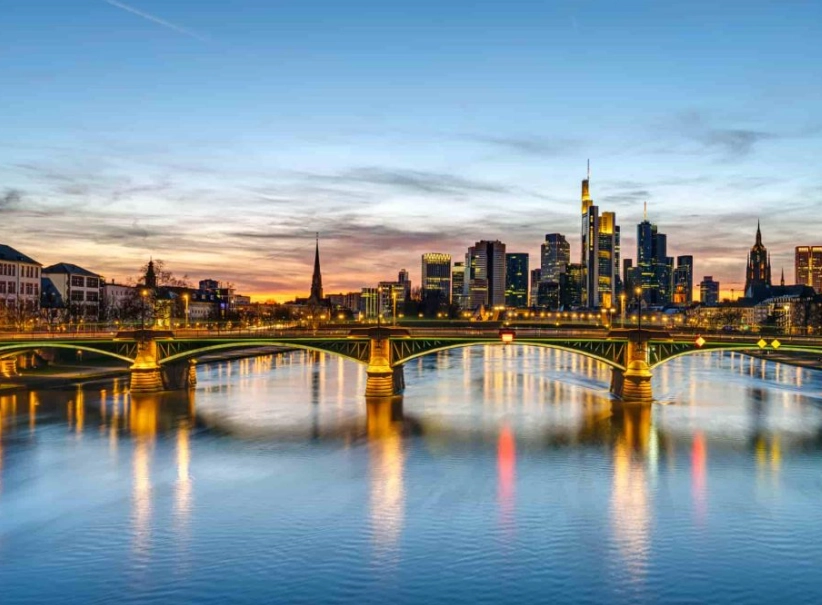
Breaking Down the Costs: Where Your Money Goes
To give you a real picture, let's look at each major expense category. These are 2024 prices based on recent visits and local checks.
Accommodation: From Hostels to Business Hotels
This is usually your biggest cost. Frankfurt's hotel market is skewed by business travel. Weekdays (Tuesday-Thursday) are priciest. A huge pro-tip most guides miss: book for Friday and Saturday nights. When the business travelers leave, many hotels drop their rates significantly to attract tourists.
| Type of Accommodation | Price Range (per night) | What You Get & Where to Look |
|---|---|---|
| Budget Hostel / Shared Room | €25 - €45 | A bed in a dorm. Look near the Hauptbahnhof (central station) or in the Bahnhofsviertel. Note: The area immediately around the station can be gritty at night; read recent reviews for safety. |
| Budget Private Room / Hotel | €70 - €110 | A basic private room, often with shared bathroom. Areas like Bockenheim, Sachsenhausen (south of the river), or near the Messe (fair grounds) offer better value than the city center. |
| Mid-Range Business Hotel | €120 - €200+ | The standard Frankfurt experience. Reliable chains like Motel One, Ibis Styles, or Leonardo. Expect small, efficient rooms. Prices can double during major trade fairs like the Frankfurt Book Fair. |
| Luxury Hotel | €250 - €500+ | Hotels like the Jumeirah, Villa Kennedy, or Steigenberger Frankfurter Hof. You're paying for location (often in the banking district), service, and amenities. |
Consider apartments or Airbnb for longer stays or groups. You can find decent one-bedroom apartments in neighborhoods like Nordend or Ostend for €90-€130 per night, often with a kitchen to save on food costs.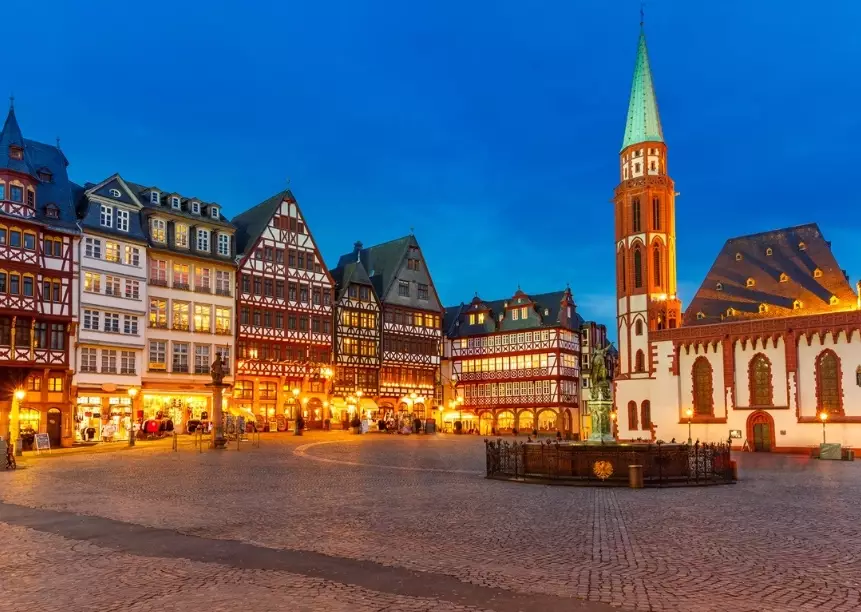
Food & Drink: Apfelwein to Fine Dining
You can eat very well in Frankfurt without a banker's salary. The key is to avoid the obvious tourist traps around Römerberg (the old town square).
| Meal / Item | Price Range | Details & Recommendations |
|---|---|---|
| Traditional Meal in an Apfelwein Pub (Sachsenhausen) | €12 - €22 | A plate of Handkäs mit Musik (cheese in vinegar) or Frankfurter Schnitzel with green sauce. Places like Apfelwein Wagner (Schweizer Str. 71) or Dauth-Schneider (Neuer Wall 5) offer authentic, filling meals. |
| Lunch Special (Mittagstisch) | €8 - €14 | Many cafes and restaurants offer a discounted set lunch menu on weekdays. It's the best value in the city. Look for signs saying "Mittagstisch" or check menus posted outside. |
| Döner Kebab or Currywurst | €5 - €8 | The ultimate budget savior. The area around the Hauptbahnhof and Konstablerwache has countless options. A full Döner is a meal in itself. |
| Dinner at a Mid-Range Restaurant | €18 - €30 (main course) | Expect to pay this for a good international or modern German restaurant outside the core tourist zone. |
| Coffee (Cappuccino) | €3.20 - €4.50 | Coffee is not cheap. Bakeries (Bäckerei) often sell takeaway coffee for slightly less than dedicated cafes. |
| Pint of Beer (0.5L) | €4 - €6.50 | In a traditional pub, it's around €4-€5. In a trendy bar in the city center, expect €6+. |
| Glass of Apfelwein (Cider) | €2.80 - €4 | The local specialty. Much cheaper than beer or wine in the traditional taverns of Sachsenhausen. |
Getting Around: Efficient but Not Always Cheap
Frankfurt's public transport (RMV) is excellent. Walking is very feasible in the city center, but you'll likely need trams/U-Bahn to reach some areas.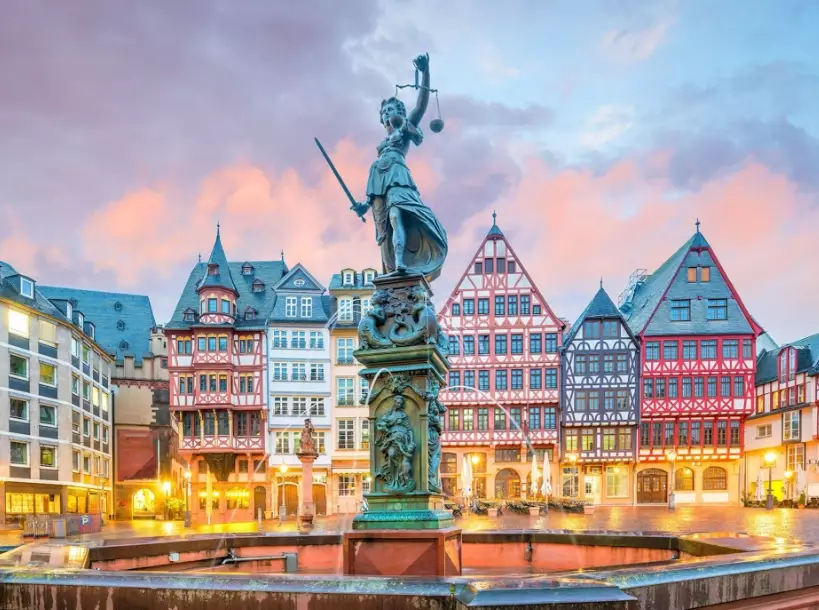
- Single Ticket (Short Distance): €2.35. Valid for trips within a limited zone (like city center).
- Single Ticket (Frankfurt City): €3.40. Valid for 2 hours across most of Frankfurt.
- Day Ticket (Frankfurt City): €6.10. Unlimited travel for one person until 4:30 AM the next day. A no-brainer if you plan more than two trips.
- Group Day Ticket (up to 5 people): €10.90. Incredible value for groups or families.
- Taxi: Starting fare is ~€3.90, plus ~€2.20 per kilometer. A trip from the airport to the city center costs €30-€40. Use the S-Bahn (suburban train) instead—it takes 15 minutes and costs €5.35.
- Bike Rental (Nextbike/Deutsche Bahn): €1.50 to unlock + €1-€2 per 30 minutes. Frankfurt is fairly bike-friendly.
Download the RMV.de app or DB Navigator app to plan routes and buy mobile tickets.
Attractions & Entertainment: Mostly Free or Affordable
This is where Frankfurt can be surprisingly kind to your wallet. Many of its best experiences cost little or nothing.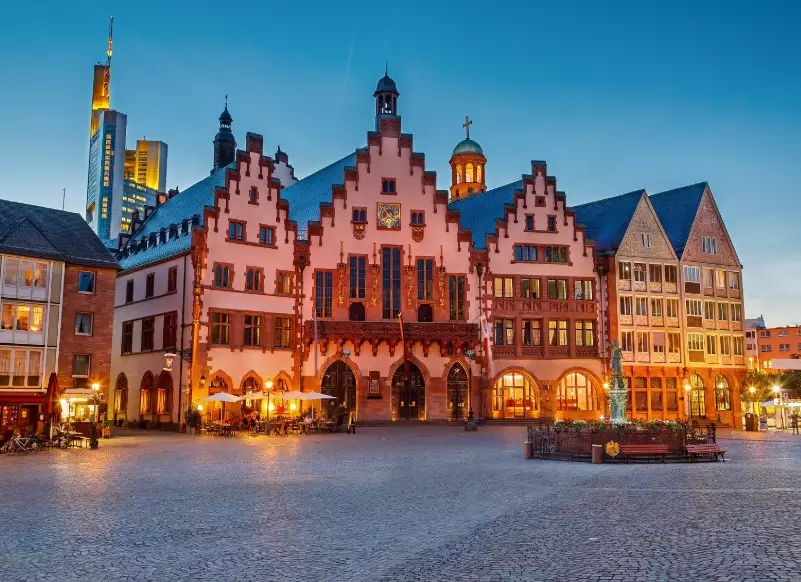
- Römerberg & Old Town (Altstadt): Free to walk around. The reconstructed buildings are impressive.
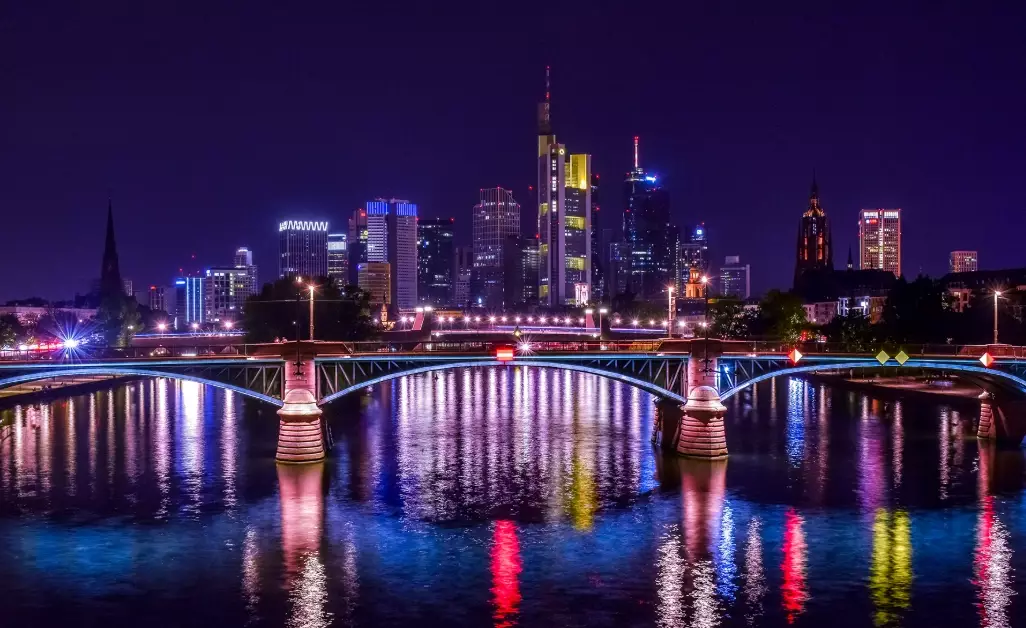
- Main River Banks & Eiserner Steg (Iron Bridge): Free. Perfect for a stroll and great skyline photos.
- Palmengarten (Botanical Garden): €7-€12 entry. A beautiful escape.
- Städel Museum (Art): €16-€20. World-class collection, worth the price for art lovers.
- Main Tower Observation Deck: €9. The best panoramic view of the city and its skyscrapers.
- Goethe House: €10. The birthplace of the famous writer.
- Weekly Markets: Free to browse. The Kleinmarkthalle (indoor market) is a feast for the senses, great for a cheap lunch snack.
Consider the Frankfurt Card if you plan to use a lot of public transport and visit several paid museums. It offers free transport and up to 50% off many attractions. Do the math for your specific plan—it's not always worth it.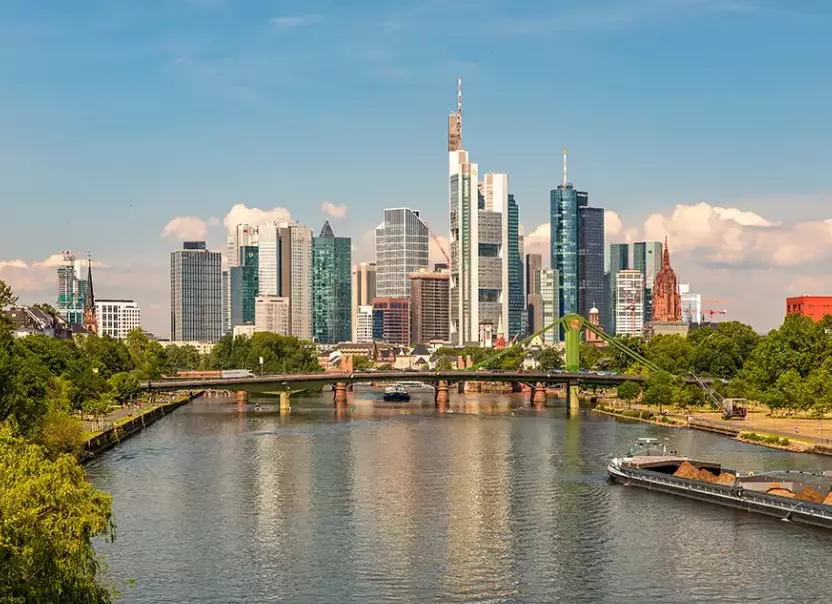
How to Visit Frankfurt on a Budget: 5 Pro Tips
- Time Your Visit. Avoid major trade fairs (check the Messe Frankfurt calendar). Hotel prices triple. Weekends are cheaper than weekdays.
- Stay Slightly Outside. Look for hotels in Sachsenhausen, Bockenheim, or near a U-Bahn station in Nordend. The connection to the center is quick (often under 15 minutes), and you'll save €30-€50 per night.
- Embrace the Apfelwein Culture. Dinner in Sachsenhausen at a traditional pub is a cultural experience, a filling meal, and cheaper than a restaurant in the financial district. Drink the local Apfelwein—it's cheaper than beer.
- Use the Group Day Ticket. If you're two or more people, the €10.90 Group Day Ticket is arguably the best public transport deal in any major European city.
- Seek Out Free Views & Walks. Skip the paid tower if you're tight. The view from the Eiserner Steg bridge is iconic and free. Walking along the Main, exploring the Altstadt, and window-shopping on the Zeil don't cost a cent.
Comparing Frankfurt to Other German Cities
Where does Frankfurt stand? Based on my experience and data from sources like Numbeo and the German Federal Statistical Office, here's a rough ranking from most to least expensive for a tourist:
- Munich: Consistently the most expensive. Hotels, food, and beer all cost about 10-15% more than in Frankfurt.
- Frankfurt: High hotel prices (due to business demand), but food and attractions can be moderate.
- Hamburg: Similar to Frankfurt overall, but with a wider range of mid-priced accommodation options.
- Berlin: Generally cheaper than Frankfurt, especially for accommodation and nightlife. Berlin feels more like a budget-friendly capital.
- Cologne / Düsseldorf: Slightly cheaper than Frankfurt, with a more relaxed, local vibe.
So, is Frankfurt more expensive than Berlin? For hotels, often yes. For daily living expenses like food and drink, they're quite comparable, with Berlin having more cheap-eats options.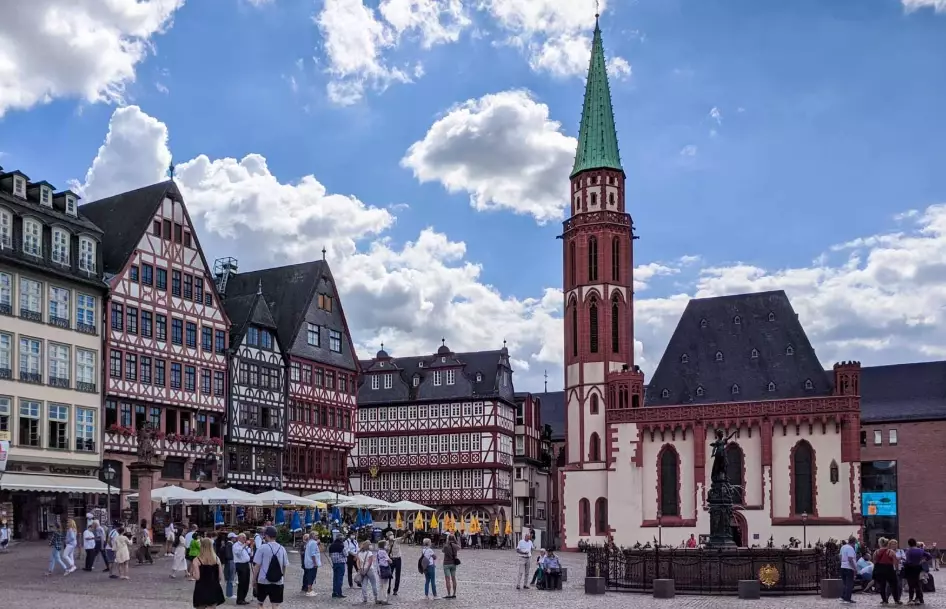
Frequently Asked Questions (FAQs)
So, is Frankfurt expensive to visit? The final verdict is that it's a city of extremes. It can be one of the most expensive destinations in Germany if you replicate a business traveler's itinerary. But with the insights and specific tips outlined here—choosing the right neighborhood, eating like a local, using smart transport tickets, and enjoying its many free pleasures—you can experience the fascinating contrast of this modern and traditional city without financial stress. Your budget is in your control.