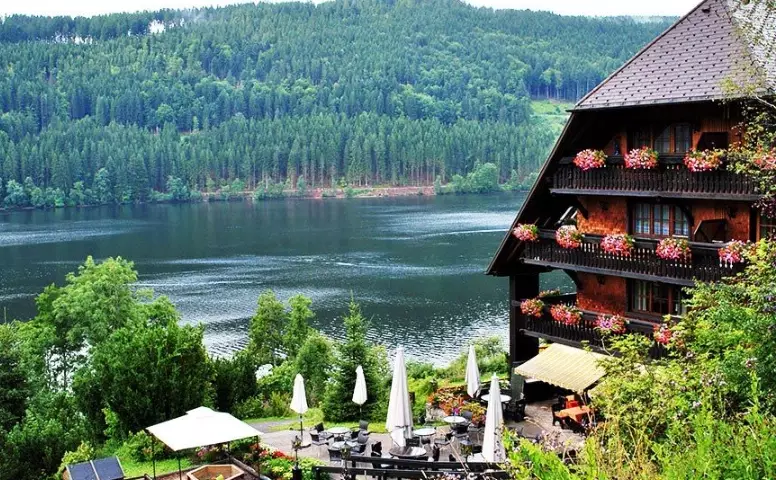
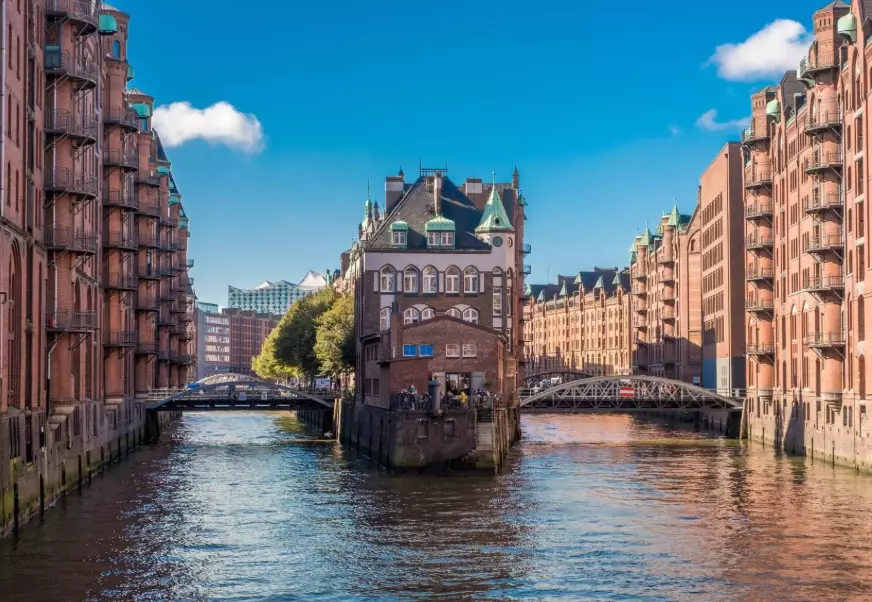
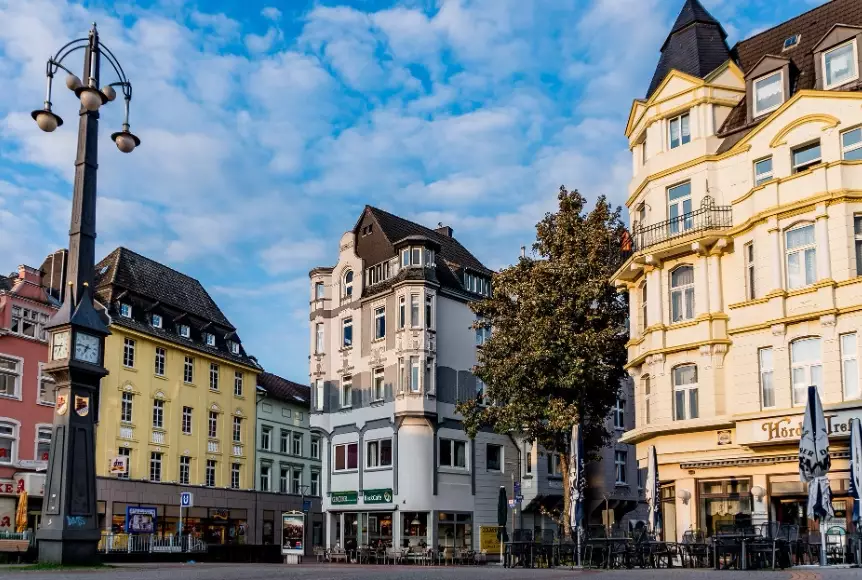
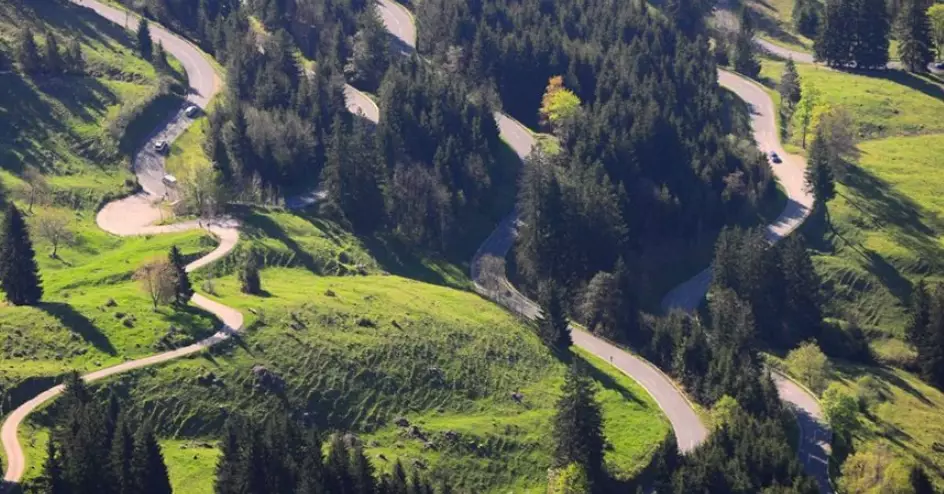
Let's be honest, most two-week Germany itineraries try to cram in too much. They send you sprinting from Berlin to Munich to the Rhine, leaving you exhausted. A Southern Germany road trip is different. It's about depth, not breadth. You're focusing on a region where fairy-tale castles sit above deep forests, crystal-clear lakes mirror Alpine peaks, and every village seems to have a brewery better than the last. Over 14 days, you can actually soak it in without feeling like you're on a forced march. I've driven these roads more times than I can count, and the mistake I see most often? People underestimate the sheer beauty of slowing down here.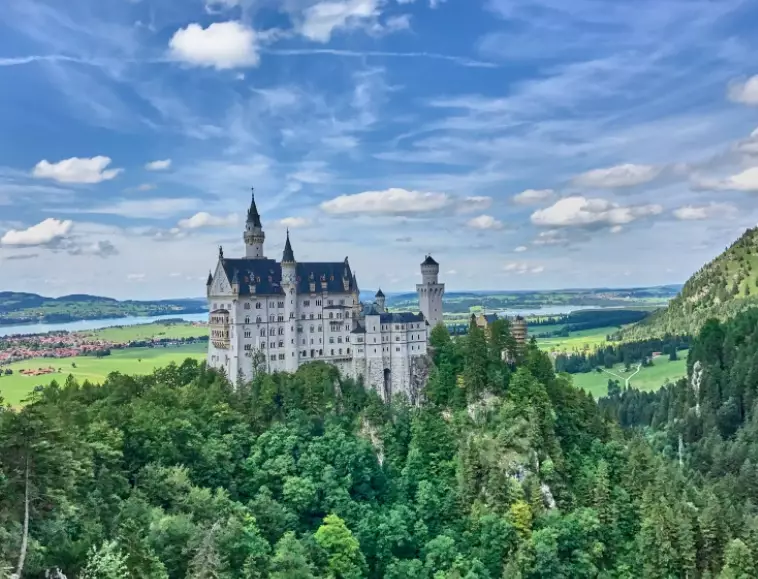
Your Road Trip Map: Jump to a Section
- Why This Southern Germany Itinerary Actually Works
- Your Day-by-Day 2-Week Southern Germany Road Trip Itinerary
- The Black Forest: More Than Just Cake
- Lake Constance & The Swabian Alps
- Conquering the Bavarian Alpine Road
- Munich: The Urban Finale
- Southern Germany Driving Tips & Realistic Budget
- Your Southern Germany Road Trip Questions Answered
Why This Southern Germany Itinerary Actually Works
This loop starts and ends in Frankfurt, a major flight hub. It balances iconic must-sees (Neuschwanstein) with quieter, equally stunning spots (Lake Eibsee). You get cities, mountains, forests, and lakes. The driving times are manageable, usually 2-3 hours between bases, leaving you most of the day to explore. We'll avoid the autobahn where possible, sticking to the scenic routes that make a road trip worthwhile.
Your Day-by-Day 2-Week Southern Germany Road Trip Itinerary
Here's the core framework. Think of it as a guide, not a rigid schedule. The magic happens when you linger over a second beer at a sun-drenched *Biergarten*.
| Day | Route & Base | Key Stops & Activities | Driving Time |
|---|---|---|---|
| 1-3 | Frankfurt → Baden-Baden → Triberg (Black Forest) | Baden-Baden spas, Black Forest High Road, Triberg Waterfalls, cuckoo clocks. | ~2 hrs to Baden-Baden, ~1 hr to Triberg |
| 4-5 | Triberg → Lake Constance (Meersburg) | Lake Constance ferry, Mainau Island, Meersburg Old Town. | ~2 hrs |
| 6-7 | Lake Constance → Füssen (Bavaria) | Neuschwanstein & Hohenschwangau Castles, Tegelberg hike. | ~1.5 hrs |
| 8-10 | Füssen → Garmisch-Partenkirchen (Alps) | Bavarian Alpine Road, Partnach Gorge, Zugspitze (Germany's highest peak). | ~1 hr |
| 11-13 | Garmisch → Munich | Munich city sights, Nymphenburg Palace, Dachau Memorial, beer gardens. | ~1.5 hrs |
| 14 | Munich → Frankfurt (Departure) | Return drive, possible stop in Rothenburg ob der Tauber if time allows. | ~3.5 hrs direct |
The Black Forest: More Than Just Cake
Start by picking up your rental car at Frankfurt Airport. Head straight for Baden-Baden. Don't just look at the fancy villas; book a three-hour ticket at the Friedrichsbad Roman-Irish Bath. It's a silent, textile-free circuit of 17 stations (baths, saunas, scrubs) that will jet-lag you into a state of bliss. A classic, more clothed alternative is the modern Caracalla Therme.
Next, drive the Black Forest High Road (B500). This is why you have a car. The views over endless, rolling dark green forests are cinematic. Stop at the Mummelsee, a small glacial lake, for a quick walk and maybe a slice of the famous Black Forest gateau at the hotel there (it's good, but you'll find better in villages).
Base yourself near Triberg. Here are your tasks:
- Triberg Waterfalls: One of Germany's highest. Pay the small entry fee (€8.50 adult) and walk up the well-maintained paths. The sound is incredible.
- The World's Largest Cuckoo Clock: It's as kitschy as it sounds, but fun for a five-minute stop. The real charm is in the family-run workshops like Dorotheenhütte in nearby Wolfach where you can watch glassblowing.
- Eat Local: Skip the touristy main street restaurants. Drive 10 minutes to Gasthaus zum Hirschen in Schönwald (Hauptstraße 15). Their Schwarzwälder Schäufele (slow-roasted pork shoulder) with potato dumplings is a masterpiece. Expect to pay around €18 for the dish.
Lake Constance & The Swabian Alps
Leaving the deep forest, you'll emerge at the vast, sparkling Lake Constance (Bodensee). I recommend staying in Meersburg over the larger Konstanz. It has a postcard-perfect old town and a medieval castle you can actually stay in (Hotel Burg Meersburg).
Take the car ferry from Meersburg to Konstanz (about 15 minutes, €10-15 per car). It's a fun break. In Konstanz, wander the harbor and see the controversial Imperia statue. Then, drive or take a local ferry to Mainau Island, the "Flower Island." It's meticulously landscaped and worth the €22 entry if you love gardens. If you prefer something free, just walk the lakeshore promenade in Meersburg.
Conquering the Bavarian Alpine Road & The Castles
Now for the headline act. Neuschwanstein Castle. Here's the non-consensus advice everyone ignores until it's too late:
The castle interior? Honestly, it's underwhelming—only 14 rooms were finished. The real magic is the exterior and the setting. Spend the rest of the day hiking around the Tegelberg mountain or the serene Lake Alpsee below Hohenschwangau Castle.
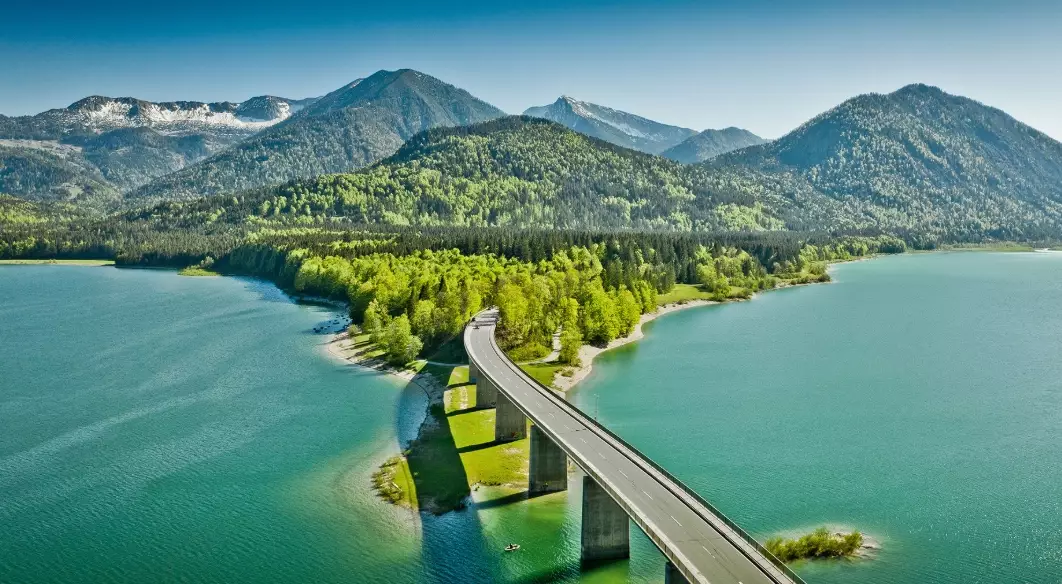
Next, drive the German Alpine Road (Deutsche Alpenstraße) towards Garmisch. This is slow, winding, and stunning. Stop at Lake Eibsee at the base of the Zugspitze. The water is Caribbean-clear and frigid, with epic views of Germany's tallest mountain. The walk around the lake takes about 2.5 hours and is flat and easy.
In Garmisch-Partenkirchen, hike the Partnach Gorge (Partnachklamm). It's a spectacular, narrow gorge you walk through via tunnels and bridges (€7 entry). For a bigger adventure, take the cogwheel train and cable car to the Zugspitze summit (tickets around €62). The view across the Alps is breathtaking, but it's weather-dependent. If it's cloudy, save your money.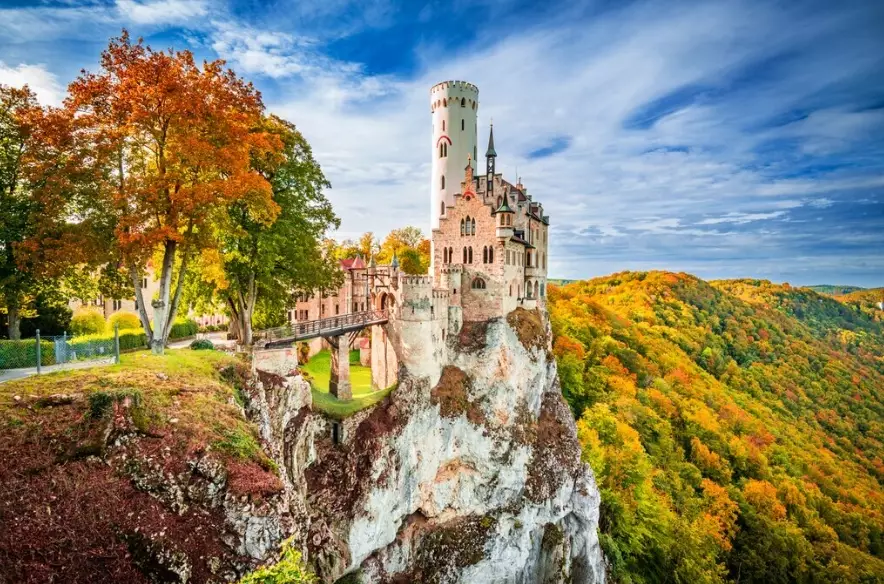
Munich: The Urban Finale
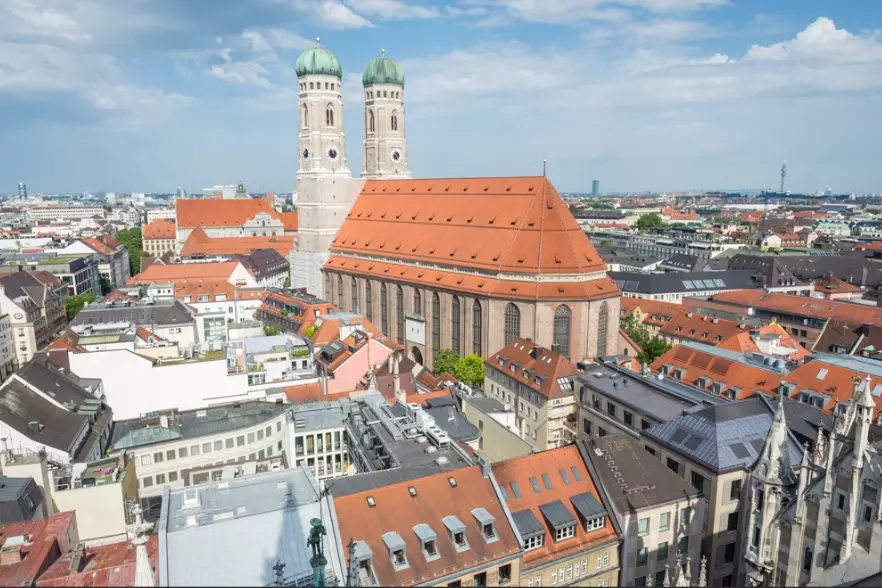
After all that nature, Munich feels vibrant. Drop your car at the rental office—you won't need it here. Use public transport.
Beyond the Marienplatz and Hofbräuhaus, do this:
- Dachau Concentration Camp Memorial Site: A sobering, essential visit. Take the S-Bahn (S2) from Munich. Entrance is free, but the audio guide is highly recommended. Plan for at least 3-4 hours.
- Eisbach Wave: Watch surfers ride a stationary wave in the English Garden river. It's uniquely Munich.
- Beer Garden Choice: Avoid the super-touristy ones. Augustiner-Keller (Arnulfstraße 52) or Hirschgarten (the largest in Europe) have a more local feel. Just remember the etiquette: find a spot at a shared table, and if a seat has a cloth on it, it's reserved.
- Dinner Vibe: For a great, non-pretentious meal, try Wirtshaus in der Au (Lilienstraße 51). Their roast pork is excellent, and the atmosphere is warm and traditional.
Southern Germany Driving Tips & A Realistic Budget
Driving: You'll need an automatic transmission rental unless you're comfortable with manual. Book early for better rates. Germany's famous for no speed limit on some autobahn sections, but don't feel pressured. Stick to the right lane unless passing. In mountain areas and small towns, watch for narrow streets. Parking is often paid (Parkhaus or Parkplatz). A critical local rule: if traffic slows to a crawl on the autobahn, form an emergency lane (Rettungsgasse) between the left and middle lanes. It's the law.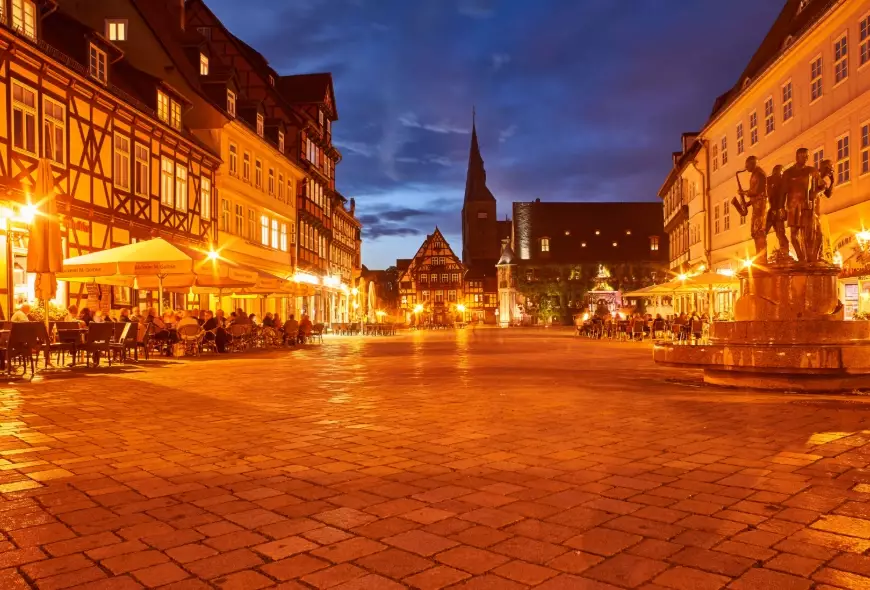
Budget (Per Person, Mid-Range):
- Rental Car & Fuel: €400-€600 for two weeks, including full insurance and about €150-€200 for fuel.
- Accommodation: €80-€150 per night for a double room in a nice guesthouse (Gasthof) or 3-4* hotel. Book ahead, especially for Füssen/Garmisch.
- Food & Drink: €40-€70 per day. A main course in a sit-down restaurant is €15-€25. Lunch can be a €5-€10 sausage from a market stand.
- Attractions & Entries: €200-€300. Castles, cable cars, and spas add up.
- Total (excluding flights): A realistic ballpark is €2,000 - €3,000 per person for two weeks, depending on your style.
Your Southern Germany Road Trip Questions Answered
Is two weeks enough for a Southern Germany road trip?
It's the ideal minimum. It allows you to cover the major regions—Black Forest, Lake Constance, the Bavarian Alps—at a relaxed pace with 2-3 nights in most locations. You could spend a month here easily, but two weeks gives you a fantastic, comprehensive overview without feeling rushed.
What's the best time of year for this road trip?
Late May to late September offers the most reliable weather for driving and hiking. September is a personal favorite—crowds thin after summer, the weather is still pleasant, and you might catch the start of Oktoberfest in Munich (mid-September to early October). Winter is beautiful but some mountain passes and secondary roads can close, and it's a different trip focused on Christmas markets and skiing.
 Should I buy a castle pass or city cards?
For this specific itinerary, probably not. The Bavaria Castle Pass (14-day ticket, €29) only covers the interior of state-owned castles like Hohenschwangau, not Neuschwanstein. Since Neuschwanstein is the main paid castle interior you'll visit, it's rarely worth it. The Munich City Pass can be valuable if you plan to visit many museums and use public transport extensively in a short time. Do the math based on your Munich plans.
How do I handle parking in old towns and cities?
Most historic town centers (Altstadt) are pedestrian zones. You'll usually find large, well-signed paid parking garages (Parkhaus) on the periphery. Use them. They're secure and save you the stress of navigating tiny, one-way streets. In smaller villages, look for a central Parkplatz (parking lot). Street parking often requires a physical parking disc (Parkscheibe) to display your arrival time; your rental car should have one in the glovebox.
I'm not a big hiker. Is this trip still worth it?
Absolutely. The iconic views—Neuschwanstein, Lake Eibsee, the Alpine Road—are accessible by car or short, easy walks. You can take cable cars up mountains, stroll along lake shores, and explore charming towns without strenuous activity. The region's beauty isn't reserved for hardcore trekkers.