Let's get straight to it. A Germany road trip is the best way to experience the country's soul. You trade crowded train schedules for the freedom to chase a castle on a hill, stop for a spontaneous vineyard tasting, or spend an extra hour in a storybook village. But a great trip needs more than just a rental car. It needs a smart plan. After a decade of driving Germany's Autobahns and backroads, I've learned what works and what leads to frustration. This guide cuts through the generic advice to give you the specific routes, tips, and hidden stops that make for an unforgettable journey.
Your Road Trip Jumpstart
Planning Your Germany Road Trip Itinerary
Don't try to see everything. Germany's charm is regional. Pick a theme. Are you into fairy tales, wine, mountains, or history? Base your route on that. A common mistake is underestimating drive times. Google Maps might say 3 hours, but with German road construction (ubiquitous in summer), a coffee stop, and traffic near cities, it's often 4.5.
Here’s a balanced 10-day itinerary focusing on classic sights and local flavor. It starts in Frankfurt, a major flight hub.
| Day | Route & Focus | Key Stops & Driving Notes | Overnight |
|---|---|---|---|
| 1-2 | Frankfurt to Heidelberg, onto the Black Forest | Pick up car. Heidelberg Castle (Bergstraße, 69117 Heidelberg. Open 9am-6pm, €9). Then drive B500 scenic road into Black Forest. Skip Triberg's crowded waterfalls; see Allerheiligen Wasserfälle near Oppenau instead. | Baiersbronn or Freiburg |
| 3-4 | Black Forest to Lake Constance (Bodensee) | Explore Freiburg's canals. Drive south to Meersburg (picturesque old town). Take car ferry to Konstanz (about €25). Visit Mainau Island (flower island, €22). Easy, relaxing driving. | Konstanz or Lindau |
| 5-6 | Into Bavaria: Romantic Road Section | Drive to Füssen. Book Neuschwanstein Castle tickets WELL in advance online. Don't just see Hohenschwangau; the view from Marienbrücke is essential. Then drive north to Rothenburg ob der Tauber. Walk the night watchman's tour. | Rothenburg ob der Tauber |
| 7-8 | Franconia & Bamberg | Short drive to Würzburg (Residenz Palace). Then to Bamberg, a UNESCO town. Park at the P+R and take the bus in. Must-try: smoked beer (Rauchbier) at Schlenkerla (Dominikanerstr. 6). | Bamberg |
| 9-10 | Rhine Valley & Return | Drive to Rüdesheim. Park car, take KD Rhine cruise to St. Goar (best castles view). See Lorelei rock. Drive back to Frankfurt airport, allowing 3+ hours for return and refuel. | Rüdesheim or back to Frankfurt |
Pro Tip: Use a mix of booking platforms. For cities, Booking.com is great. For rural guesthouses ("Pension" or "Gasthof"), often the best deals and personal service are found by calling directly or using the local tourist office website (e.g., gastgeber-schwarzwald.de). You'll find family-run places with epic breakfasts that algorithms miss.
Top Scenic Drives and Routes in Germany
The famous themed routes are a good start, but you don't need to follow them slavishly. Often, the road parallel to the official route is just as pretty and has no tour buses.
The Romantic Road (Romantische Straße)
It's popular for a reason. The stretch between Füssen and Rothenburg is postcard-perfect. My controversial take? The middle section (Augsburg to Donauwörth) is skippable if you're short on time. It's mostly farmland. Focus your energy on the endpoints and the walled town of Dinkelsbühl, which is like a quieter, less commercial Rothenburg.
The Castle Road (Burgenstraße)
Runs from Mannheim to Prague. Heidelberg and Nuremberg are the stars. For a real castle experience, stay overnight in one. Burg Colmberg (near Ansbach) is a hotel. Dining in a 1000-year-old knight's hall beats a quick photo stop.
The German Alpine Road (Deutsche Alpenstraße)
East-west across the Bavarian Alps. Stunning. The drive from Berchtesgaden (Königssee) to Garmisch-Partenkirchen is unbeatable for mountain vistas. Stop at the Hintersee lake near Ramsau – it's often quieter than the famous Königssee and just as beautiful.
The Wine Routes: Rhine & Mosel
For a relaxed, culinary trip. The Mosel Valley between Koblenz and Trier is tighter, with more dramatic river bends and castles than the Rhine. In fall, drive the "German Wine Road" (Deutsche Weinstraße) in the Palatinate region for harvest festivals.
Don't Overlook the North: Everyone heads south. But the Baltic Coast (Ostsee) has a serene beauty. The road from Lübeck to Usedom island passes white cliffs (Stubbenkammer on Rügen), historic seaside resorts like Heiligendamm, and Hanseatic brick Gothic towns like Stralsund. It's a completely different, windswept vibe.
Essential Driving in Germany: Tips and Rules
German drivers are disciplined but fast. Here's what you won't find in every rental brochure.
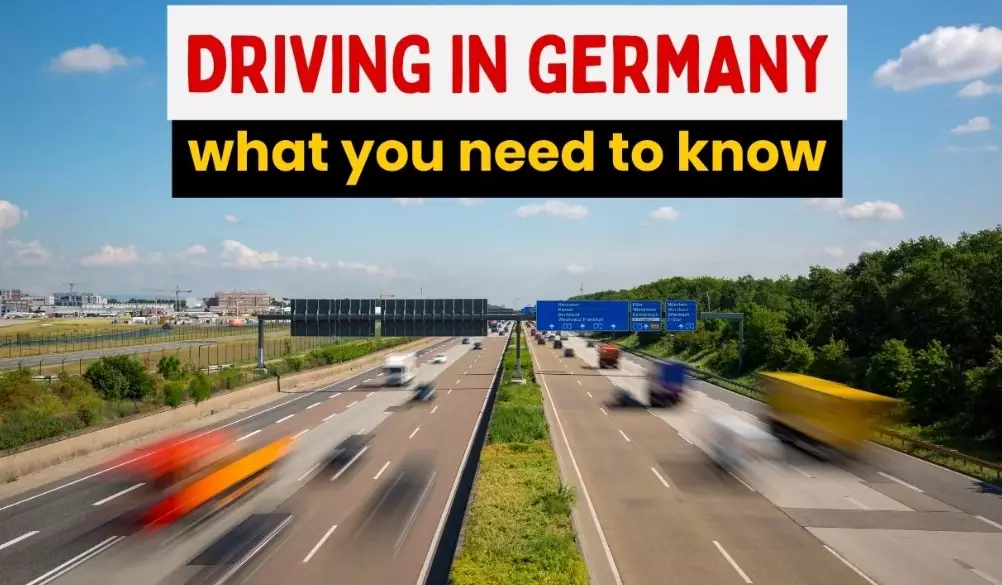
The Autobahn: No general speed limit, but there are often dynamic limits (displayed on electronic signs). If you see a speed limit sign with a grey stripe through it, that means the previous limit ends. The right lane is for driving, the left for passing only. Never pass on the right. If a car flashes its lights behind you in the left lane, move over. It's not rude; it's the rule.
Environmental Zones (Umweltzones): Most city centers require an Umweltplakette (emission sticker). Your rental car should have one. Confirm. Driving without it is a fine. Check the German Federal Environment Agency website for details.
Parking: A huge headache in old towns. Look for "Parkhaus" (parking garage) on the outskirts. On-street parking usually requires a ticket from a nearby machine (Parkscheinautomat). Blue zones are for residents with permits. I once got a €40 ticket in Freiburg for missing a tiny sign.
Navigation: Have a backup. Mobile data can drop in valleys (Black Forest, Alps). Download offline Google Maps areas or use a dedicated GPS. Physical maps are still a fun, reliable backup.
Where to Stay and Eat on the Road
Chain hotels are at highway exits. For character, look elsewhere.
Accommodation Gems:
- Landgasthof: A country inn. Usually family-run, with a restaurant serving local food. Perfect for small towns. Expect to pay €80-€120/night for a double with breakfast. Example: Landgasthof Adler in the Black Forest village of Mitteltal.
- Ferienwohnung: A holiday apartment. Great for stays of 2+ nights. You get a kitchenette. Book on sites like Fewo-Direkt or through local tourist offices.
- Design Hotels in Cities: In cities like Leipzig or Hamburg, converted industrial buildings offer cool stays. The 25hours Hotel chain gets the local culture right.
Eating Like a Local: Avoid restaurants with giant menus in five languages. Look for a "Tageskarte" (daily menu) on a chalkboard. Lunch is the best value. Must-try road food: Currywurst at a roadside imbiss, Flammkuchen (Alsatian thin crust pizza) in the southwest, and Käsespätzle (cheesy noodles) in the Alps. For a treat, book a table at a Weingut (winery) restaurant in the Rhine or Mosel. You'll eat and drink the estate's own produce.