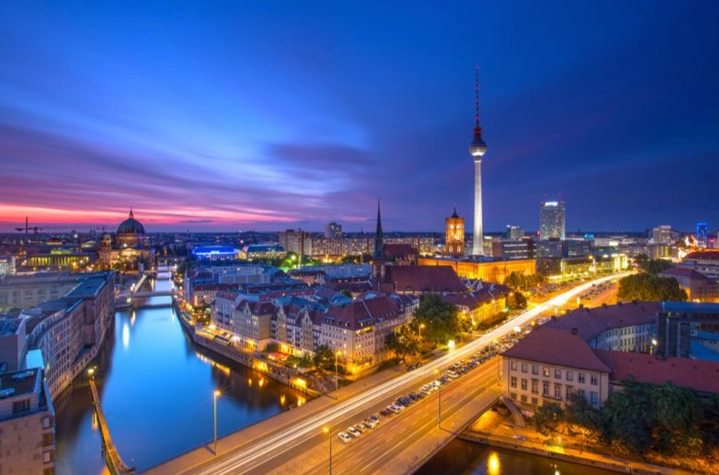
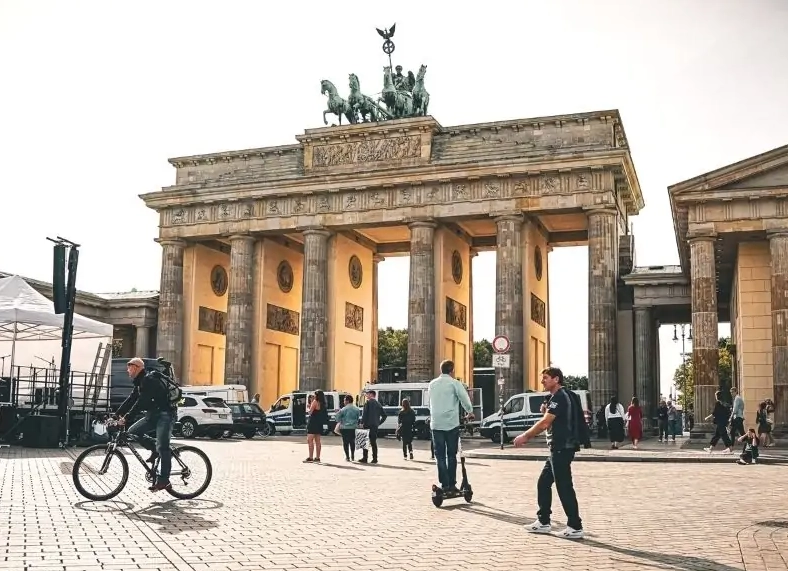
So you've got a week and a rental car, and Southern Germany is calling. Good choice. Forget the idea that you need to see everything—this isn't a checklist marathon. A successful Southern Germany road trip in 7 days is about rhythm. It's about mixing iconic postcard moments with empty forest roads and village bakeries that aren't in the guidebook. I've done this loop more times than I can count, and the magic is in the balance between planning and spontaneity. We'll start in the cultural heart, dive into mythical woods, trace a stunning lakeshore, crown it with fairy-tale castles and alpine peaks, and finish in a world-class city. Let's build your itinerary.
Your 7-Day Southern Germany Road Trip at a Glance
- Day 1: Frankfurt to Heidelberg – A Gentle Start
- Day 2: Into the Heart of the Black Forest
- Day 3: Lake Constance & The Swabian Sea
- Day 4: The Romantic Road to Castles & Füssen
- Day 5: Alpine Peaks & Garmisch-Partenkirchen
- Day 6: To Munich via Andechs Monastery
- Day 7: Munich & The Journey's End
- Road Trip Logistics: Car, Hotels & Food
- Your Southern Germany Road Trip Questions Answered
Day 1: Frankfurt to Heidelberg – A Gentle Start
Land at Frankfurt Airport (FRA), pick up your car, and resist the urge to linger. The city's skyscrapers aren't why you're here. Instead, drive south for about an hour to Heidelberg. This isn't just a pretty university town; it's the perfect soft landing for jet lag. Park at the Parkhaus am Kornmarkt—it's central and saves you the hunt for street parking.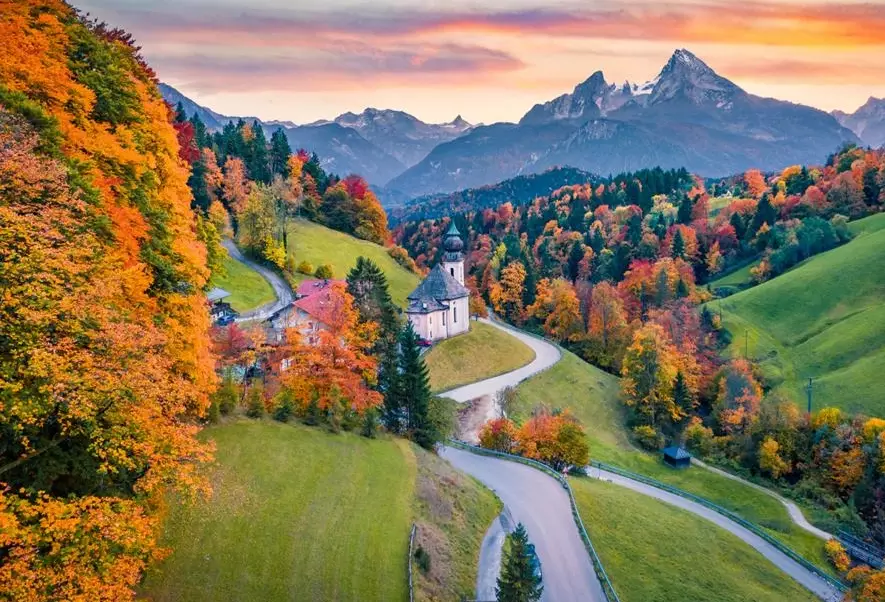
Your mission is the Heidelberg Castle. You can walk up (a steep 15-minute hike) or take the Bergbahn funicular from the station near the Kornmarkt. The castle ruins are the main event. The view over the red rooftops and the Neckar River is the classic Germany shot you're after. Inside, don't miss the Apothekenmuseum (Pharmacy Museum) – it's oddly fascinating. The giant wine vat in the cellar is a tourist cliché, but it's worth a quick look.
Spend the evening wandering the Hauptstrasse (main street) and the old bridge. For dinner, skip the crowded tourist spots right on the square. Walk five minutes down a side street to Schnitzelbank (Bauamtsgasse 7). It's tiny, authentic, and their veal schnitzel is a masterclass. You'll need a reservation.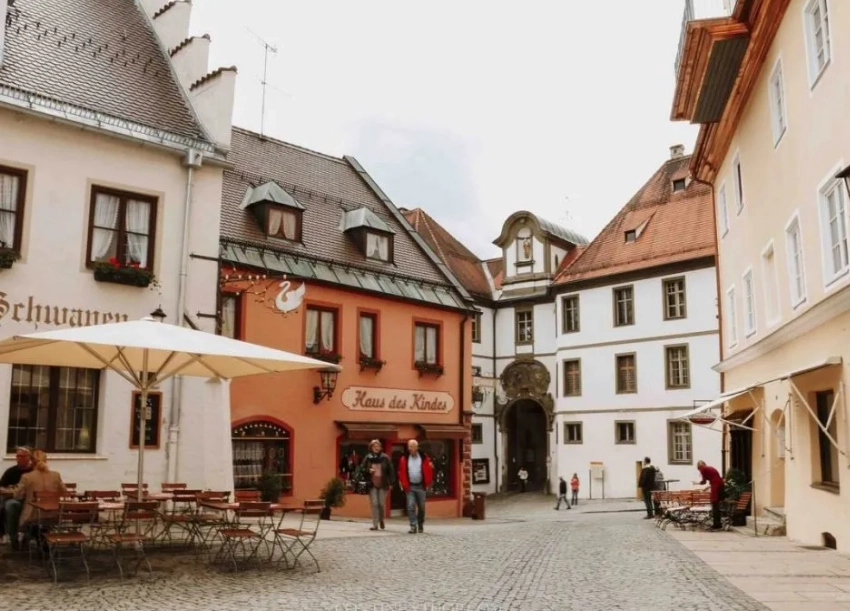
Day 2: Into the Heart of the Black Forest
Today is for driving with purpose. The goal is Triberg, but the joy is the B500 Black Forest High Road. From Baden-Baden, this road winds through dense, dark fir trees with occasional sweeping viewpoints. It's a driving road, not a highway. Take your time.
Triberg is famous for two things: Germany's highest waterfalls and the home of the cuckoo clock. The waterfalls are a pleasant walk. The real gem, in my opinion, is the Schwarzwaldmuseum (Black Forest Museum). It explains the region's history, clockmaking, and folklore better than any souvenir shop. You'll appreciate what you're seeing for the rest of the trip.
Continue south to Titisee or Schluchsee for the night. These are lake resort towns. Schluchsee is slightly quieter. The air is crisp, the water is clear. It's about the atmosphere, not a list of attractions. Stay at a traditional Gasthof like Hotel Alemannenhof in Schluchsee (Seebrugg 1). Family-run, wooden balconies, and a restaurant serving Schwarzwälder Schinken (cured ham) and Kirschtorte (Black Forest gateau) made with local kirschwasser. A double room runs about €120-150 per night.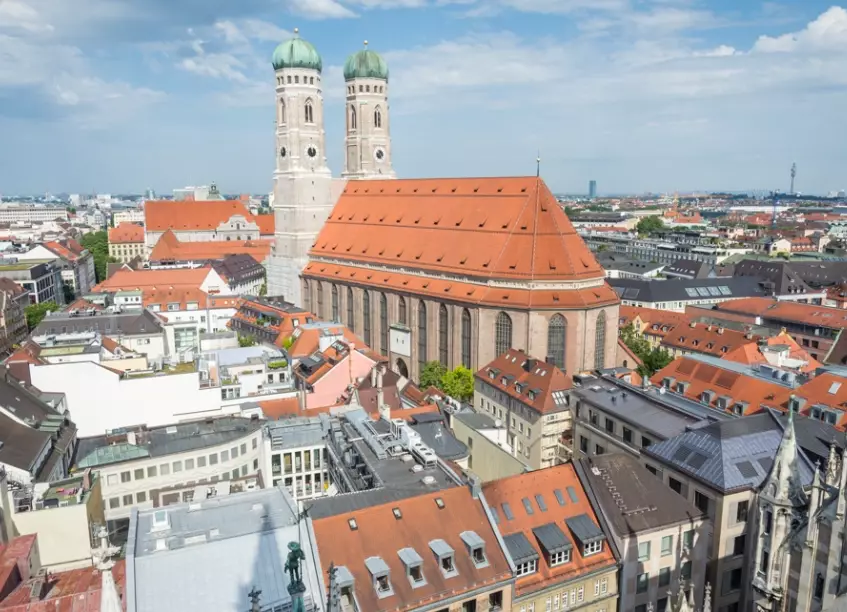
Day 3: Lake Constance & The Swabian Sea
Head east towards the immense Lake Constance (Bodensee). Your target is the island town of Lindau. Park in one of the large garages on the mainland (like Parkhaus am Bahnhof) and walk across the causeway to the old town on the island.
Lindau's harbor entrance, guarded by a lion statue and a lighthouse, is picturesque. Wander the pastel-colored buildings and cobbled streets. For a unique perspective, take a 1-hour boat tour with Bodensee-Schiffsbetriebe (BSB) around the Lindau bay. You get the classic view back towards the island.
In the afternoon, drive north along the western shore of the lake. Stop at the Affenberg Salem if you have time (a walk-through park with free-roaming macaques) or head straight to Meersburg. Meersburg feels more like a "real" town than Lindau. Its medieval castle (Altes Schloss) is worth a visit. Stay here for the night. Hotel Zum Schiff (Bismarckplatz 5) has lake-view rooms and a great terrace restaurant. Try the Felchen, a whitefish native to the lake, pan-fried with almonds.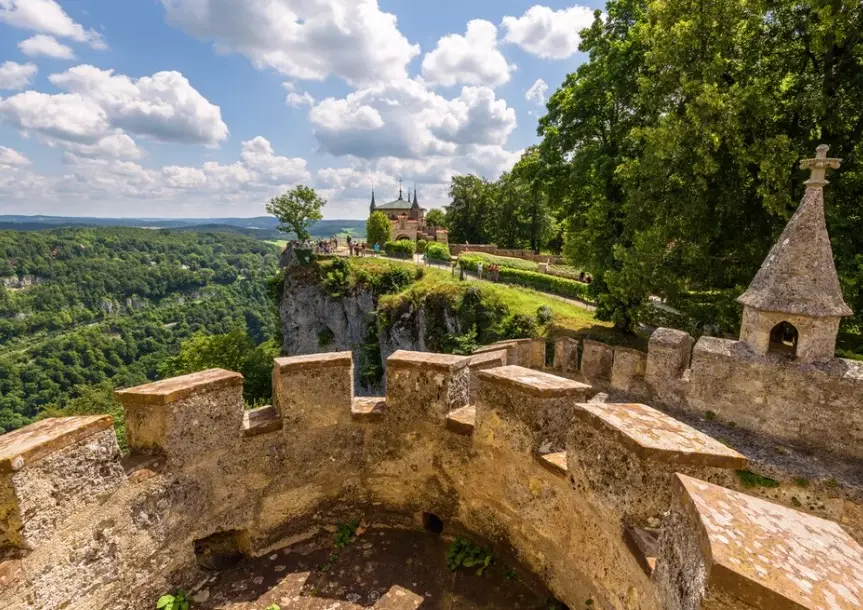
Day 4: The Romantic Road to Castles & Füssen
Today you enter Bavaria and the Alps appear on the horizon. Drive south, skirting the Alps, to Füssen. This is your base for the castles. Book your accommodation here well in advance—it fills up.
The absolute non-negotiable is to pre-book your tickets for Neuschwanstein Castle online, weeks ahead. The "ticket available on the day" myth is a fast track to disappointment. Reserve a specific time slot. Park in the official lots in Hohenschwangau (P1-P4). From there, it's a 40-minute uphill walk, a shuttle bus, or a horse-drawn carriage to Neuschwanstein. The walk is healthy; the shuttle gets you to the Marienbrücke bridge for *that* photo.
Spend the night in Füssen. The old town (Altstadt) is charming. Have dinner at Restaurant Ritterstub'n (Brunnengasse 3) for solid Bavarian fare in a cozy, historic setting.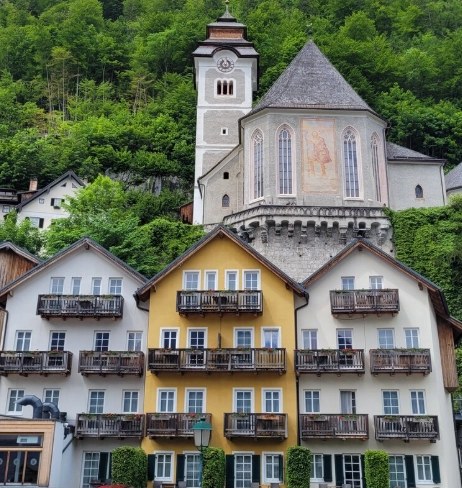
Day 5: Alpine Peaks & Garmisch-Partenkirchen
A short drive east brings you to Garmisch-Partenkirchen, Germany's premier alpine resort. The star attraction is the Zugspitze, Germany's highest mountain. You have two main options to ascend, and I strongly recommend the Eibsee Cable Car (Tiroler Zugspitzbahn) from the Eibsee lake. The ride over the stunning, emerald-green lake is breathtaking. The alternative cogwheel train from Garmisch is longer and mostly goes through tunnels.
At the top, you're at 2,962 meters. Walk across the border into Austria, have a glühwein (even in summer, it's cold up there), and soak in the 360-degree panorama of 400 peaks. Allow at least 4 hours for the whole excursion.
Back in Garmisch, wander through the Partenkirchen district to see the Lüftlmalerei (traditional Bavarian frescoes) on the houses. Stay at a place like Hotel Garmischer Hof (Chamonixstraße 10), which has authentic charm and a good breakfast. For dinner, seek out a Berggasthof (mountain inn) like Gasthof Fraundorfer (Ludwigstrasse 24) for hearty food and often live folk music.
Day 6: To Munich via Andechs Monastery
The drive from Garmisch to Munich is straightforward on the A95. But let's not go straight to the city. Exit at Herrsching and follow signs to Kloster Andechs. This Benedictine monastery on a hill is a local pilgrimage site—for beer lovers. Park at the bottom and take the pleasant 20-minute wooded walk up, or drive to the top parking lot.
This is where Germans go. The Bräustüberl is a massive, communal beer hall. You grab a spot at a long table, order a Mass (liter mug) of their strong, dark Doppelbock Dunkel beer brewed by the monks, and pair it with Schweinshaxe (roasted pork knuckle) or Obatzda (cheese spread). It's loud, cheerful, and utterly genuine. It beats any Munich beer hall for an authentic afternoon experience.
Afterwards, drive the final stretch to Munich. Drop off your rental car at the city-center office (pre-arrange this). You don't want a car in Munich. Check into your hotel—I'd recommend staying near the Hauptbahnhof (main station) for easy transit access on your departure day.
Day 7: Munich & The Journey's End
Your final day is for Munich's highlights. Start at the Marienplatz for the 11 AM Glockenspiel show at the New Town Hall (it's kitschy but fun). Walk through the Viktualienmarkt food market for a quick lunch. Then, choose your focus: art at the Alte Pinakothek, history at the Deutsches Museum (one of the world's largest science museums), or relaxation in the Englischer Garten, where you can watch surfers on the river Eisbach.
For a final, memorable dinner, book a table at Augustiner-Keller (Arnulfstrasse 52). It's one of Munich's oldest and largest beer gardens/restaurants. The atmosphere under the chestnut trees (if weather permits) or in the historic hall is the perfect farewell to Bavaria.
Road Trip Logistics: Car, Hotels & Food
Renting the Right Car
Book an automatic if you're not used to manual. Get unlimited kilometers. A compact or mid-size car is perfect (e.g., VW Golf, Opel Astra). German roads are excellent, but the B500 and alpine roads have curves—you don't need an SUV, just something comfortable. Ensure your rental includes vignettes/tolls for Austria (you might cross briefly near Lindau/Zugspitze).
Where to Stay: A Balanced Mix
Booking.com or Airbnb works well. Aim for a mix: a historic hotel in Heidelberg, a family-run Gasthof in the Black Forest and Alps, and a practical city hotel in Munich. Here’s a quick reference:
| Location | Hotel Suggestion | Style & Avg. Price/Night | Why It Works |
|---|---|---|---|
| Heidelberg | Hotel Zum Ritter St. Georg | Historic Building, €140-180 | Right in the old town, iconic Renaissance facade. |
| Schluchsee (Black Forest) | Hotel Alemannenhof | Traditional Gasthof, €120-150 | Lakeside, family-run, authentic cuisine. |
| Meersburg (Lake Constance) | Hotel Zum Schiff | Lake-View, €130-170 | Terrace on the water, central location. |
| Füssen | Hotel Sonne | Central Altstadt, €110-160 | Walking distance to everything, cozy Bavarian rooms. |
| Garmisch-Partenkirchen | Hotel Garmischer Hof | Alpine Charm, €100-140 | Friendly, good breakfast, good value. |
| Munich | Hotel Europa München | Modern & Practical, €130-170 | Next to main station, easy for arrival/departure. |
Can't-Miss Southern German Foods
This is a culinary road trip too. Must-tries: Schwarzwälder Schinken (Black Forest ham), Spätzle (egg noodles) with cheese or lentils, Maultaschen (Swabian ravioli), Weisswurst (white sausage) with sweet mustard before noon, Obatzda (cheese spread), Schweinshaxe (pork knuckle), and of course, Schwarzwälder Kirschtorte. Drink local beers, Baden wines from Lake Constance, and Apfelschorle (apple juice with sparkling water).