Let's get this out of the way first. You're probably thinking about a juicy beef patty in a bun. I get it. But here's the twist – asking "What is Hamburg's famous food?" in Hamburg itself will rarely get you a burger recommendation. The city's real culinary identity is a salty, hearty, and wonderfully messy love letter to its history as a mighty port. It's food born from sailors, dockworkers, and the relentless North Sea wind.
Forget dainty plates. Hamburg's famous dishes are about sustenance, flavor, and a certain unapologetic roughness. We're talking mashed potatoes and corned beef scrambled together, fresh fish snatched from the Elbe and shoved into a roll, and pastries twisted with cinnamon and butter. It's humble, it's delicious, and it tells you more about the city than any guidebook.
I've lived here for a decade, and I still find new corners of its food scene. But the classics? They're the bedrock. This guide isn't just a list. It's a map to eating like a local, avoiding the tourist traps, and understanding the story on your plate.
Quick Navigation: Your Food Map of Hamburg
The Non-Negotiable Essentials: Hamburg's Iconic Dishes
These are the dishes that define the city. You haven't really experienced Hamburg's food until you've tried these.
Labskaus: The Sailor's Savior (And It Looks... Interesting)
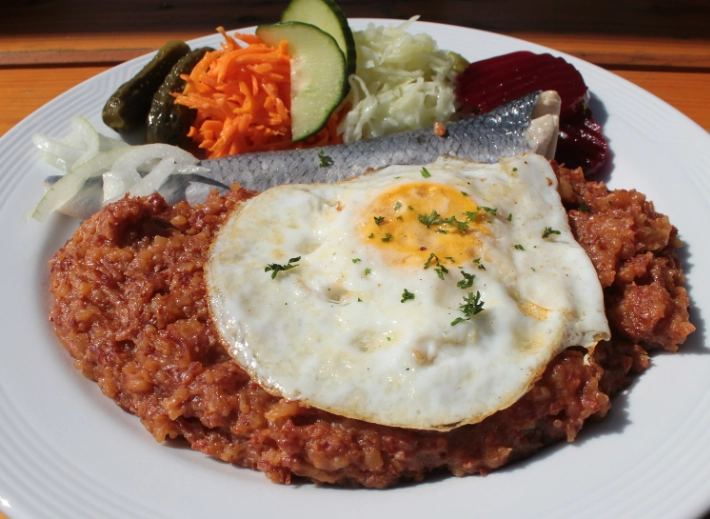
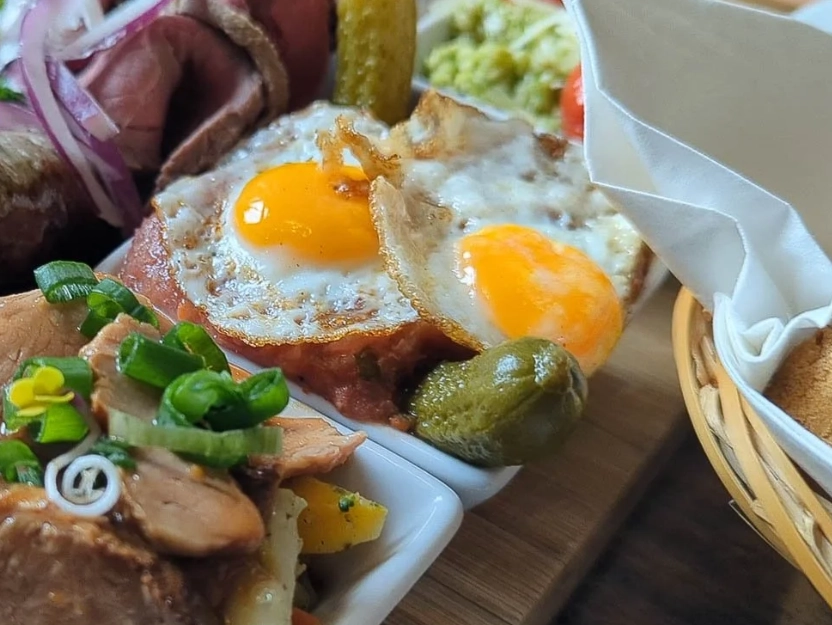
This is Hamburg's most famous and visually challenging dish. Don't let the appearance put you off. Labskaus was invented to feed sailors on long voyages – a way to use preserved meat and whatever vegetables were left. The modern version is a hearty mash of corned beef, beetroot, potatoes, onions, and pickled gherkins, all blended into a pinkish-purple mound. It's always topped with a fried egg, rollmops (pickled herring), and a side of pickled beetroot and gherkins.
The taste? Savory, slightly salty, tangy from the pickles, and incredibly comforting. The key is to mix everything together – the runny egg yolk binds it all. It's a full meal in one plate. A common mistake first-timers make is trying to eat each component separately. Dive in and mix it up. The contrasting textures and flavors are the whole point.
Birnen, Bohnen und Speck: A Taste of the Countryside
This translates to "Pears, Beans and Bacon," and it's a classic North German stew that feels like autumn on a plate. Fresh green beans, hearty potatoes, and sweet pears are stewed together with a big piece of smoky bacon. The sweetness of the fruit cuts through the richness of the bacon fat, creating a beautifully balanced dish. It's less famous internationally than Labskaus but equally beloved locally, especially when the weather turns.
The Undisputed Street Food King: Fischbrötchen
If Labskaus is the iconic sit-down meal, the Fischbrötchen is the iconic grab-and-go bite. You'll find these fish sandwiches everywhere – at dedicated kiosks (Fischbuden) along the harbor, at weekly markets, and in train stations. It's the ultimate fast food here.
A fresh, crusty roll (Brötchen) is slathered with a remoulade sauce (a mayo-based sauce with herbs, pickles, and capers), topped with a filet of fish, and garnished with raw onions and pickles. The magic is in the simplicity and quality of the fish.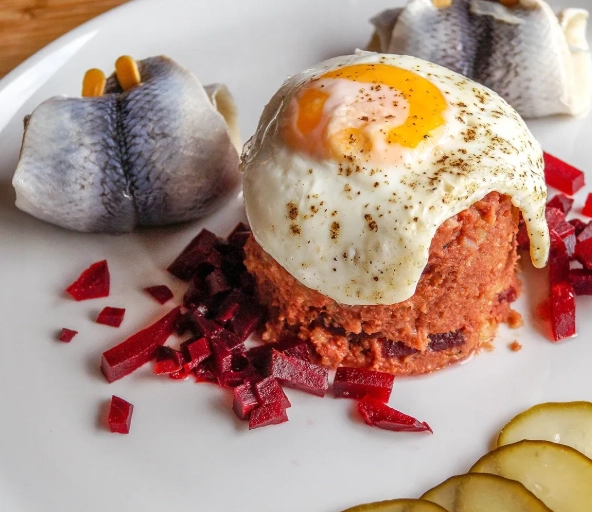
The most common types you'll see:
- Bismarckhering: Pickled herring fillet. Salty, tangy, and the most traditional choice.
- Matjes: Young, mild herring in a sweet-sour cream sauce. Less salty than Bismarck.
- Geräucherter Aal: Smoked eel. Rich, fatty, and an absolute delicacy. More expensive but worth it.
- Krabben: Tiny North Sea shrimp. They're sweet and piled high on the roll.
The best place to get one? The stands at the Landungsbrücken are iconic for the view, but the locals often prefer the smaller, less touristy stalls a block or two away. Fischbrötchenbude Brücke 10 at the Altona Fischmarkt (open Sunday mornings) is a pilgrimage site.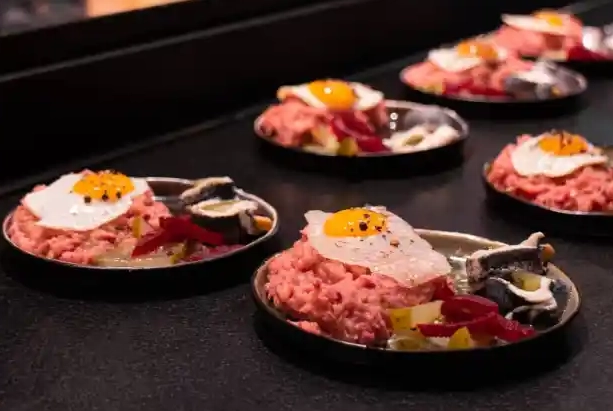
The Sweet Side of the Harbor
Franzbrötchen: Hamburg's Answer to the Cinnamon Roll
You can't talk about Hamburg's food without mentioning the Franzbrötchen. This is the city's signature pastry. Imagine a croissant dough, flattened, smeared with a cinnamon-butter-sugar paste, rolled up, squashed flat, and baked until the sugar caramelizes into a crispy, sticky, buttery masterpiece. The edges are crunchy, the inside is soft and layered.
The name ("French roll") is a bit of historical irony from the Napoleonic era. Every bakery has its own slightly different recipe – some add raisins, others a hint of marzipan or nuts. The debate over who makes the best Franzbrötchen in Hamburg is a serious local pastime. My personal favorite comes from a tiny bakery in Eimsbüttel that shall remain nameless – find your own! That's half the fun.
Where to Eat: From Traditional Pubs to Modern Tables
Knowing what to eat is half the battle. Knowing where to find the good versions is the other half. Here’s a breakdown of specific spots.
| Restaurant / Spot | What to Order | Address / Area | Vibe & Note |
|---|---|---|---|
| Old Commercial Room | Labskaus (their signature), traditional German dishes. | Englische Planke 10, near Landungsbrücken. | Historic restaurant (since 1795). Tourist-friendly but the Labskaus is legit. Expect crowds. Mains €15-€25. |
| Fischereihafen Restaurant | Top-tier seafood, excellent Fischbrötchen at their adjacent kiosk. | Große Elbstraße 143, Altona. | Upscale, with a stunning view of the harbor. The kiosk outside is for a quick, quality Fischbrötchen (€5-€8). Restaurant is pricier. |
| Schifferbörse | Birnen, Bohnen und Speck, other hearty North German classics. | Kirchenallee 46, near Hauptbahnhof. | A no-frills, authentic maritime pub. Dark wood, nautical decor. Feels like stepping back in time. Plates €12-€18. |
| Any "Fischbude" at Landungsbrücken | Fischbrötchen (Matjes or Bismarck), maybe a bowl of Fischsuppe (fish soup). | Landungsbrücken Piers 1-10. | The classic experience. Grab a sandwich, sit on the harbor wall, watch the boats. €4-€7 per sandwich. Brücke 10 is particularly famous. |
| Erika's Eck | Labskaus in a local, non-touristy setting. | Sternstraße 98, Eimsbüttel. | A beloved neighborhood Kneipe. The Labskaus here is fantastic and you'll be surrounded by locals. Cash only, usually. |
For Franzbrötchen, just wander into any independent bakery (Bäckerei) that looks busy with locals. Avoid the chain bakeries at the train stations if you can.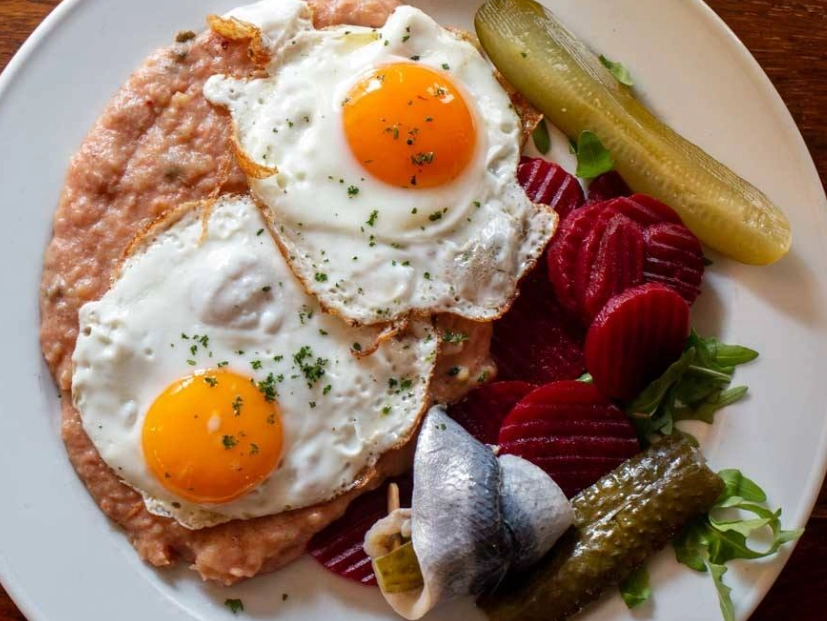
Local Tips & How Not to Look Like a Tourist
After ten years, you pick up a few things.
Timing is everything for Fischbrötchen. The best stands get their fish delivered fresh in the morning. Go for lunch, not late afternoon. If the roll looks soggy, it's been sitting too long.
"Mit alles?" means "with everything?" at a Fischbrötchen stand. Just say "Ja." The everything (onions, pickles, remoulade) is what makes it.
Most traditional pubs serving Labskaus have it as a Tagesgericht (daily special), often on a specific day of the week (like Thursday). It's cheaper then. Call ahead or check their chalkboard.
Hamburg's food scene isn't just about the old classics. The Schanzenviertel and Karolinenviertel are packed with modern cafes, international food, and innovative restaurants putting twists on traditional ingredients. But get the classics first.
One subtle mistake? Ordering a beer with Labskaus. The traditional and far better pairing is a clear, sharp Korn (German schnapps) or a beer chaser. It cuts through the richness.