Let's cut to the chase. No, driving in Germany is not the same as in the US. If you're an American planning to get behind the wheel there, thinking it'll be just like a road trip back home, you're setting yourself up for a stressful surprise—or worse, a ticket. I've driven tens of thousands of miles in both countries, and the differences are profound, systematic, and non-negotiable. This isn't just about driving on the other side of the road (you don't). It's about a completely different philosophy of road use, enforced by rules that are taken seriously. Understanding these differences isn't a nice-to-have; it's essential for your safety, your wallet, and your sanity.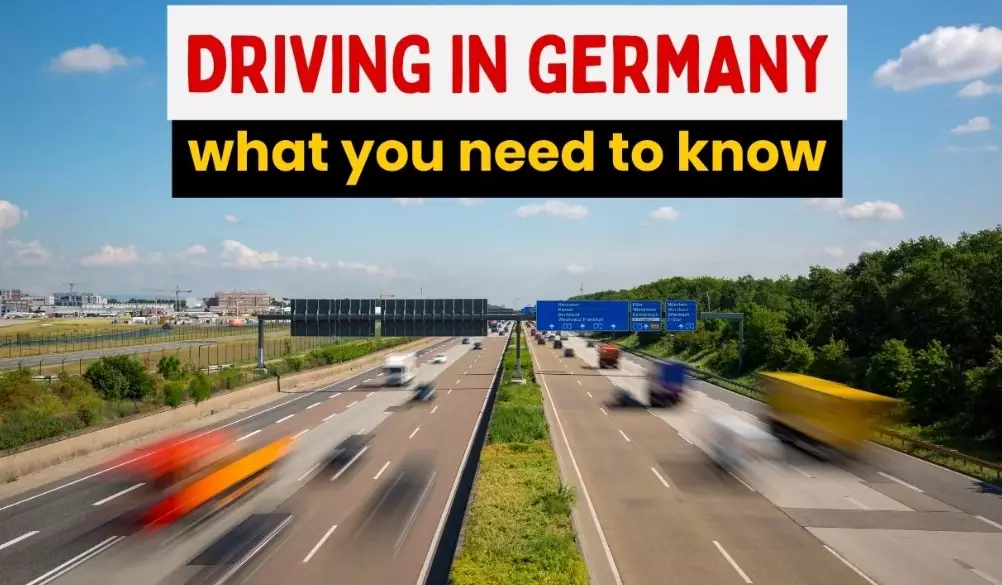
What You'll Learn
The Biggest Difference: Rules of the Road
Forget the Hollywood chase scene version of Germany. Real driving there is governed by logic and strict adherence. Here’s where Americans get tripped up immediately.
Right Before Left? Nope. In the US, you often rely on stop signs or traffic lights at intersections. In German residential areas, the fundamental rule is "Rechts vor Links" (right before left). At an unmarked intersection, the vehicle approaching from your right has the right of way. You must yield. Period. No stop sign needed. This rule is so ingrained that locals expect you to know it. Hesitate, and you'll get a horn.
Speed Limits: The Autobahn Myth and Reality
Yes, sections of the Autobahn have no mandated top speed. But that's maybe 50-60% of it. The rest has permanent or dynamic limits (often 130 km/h or 80 mph recommended, 120, 100, or 80 km/h mandatory). The real shocker for Americans? Urban speed limits are brutally low and enforced. The standard in towns is 50 km/h (~31 mph). In designated "play streets" or residential zones, it's 30 km/h (~19 mph) or even walking speed. Cameras are everywhere. Doing 35 in a 30 zone will cost you.
Priority Rules That Aren't Optional
Beyond right-before-left, understand priority roads. A yellow diamond sign means you are on the priority road. Traffic entering from side roads must yield to you. When the diamond has a black slash through it, the priority road ends. Also, trams almost always have priority over cars. Watch for them.
Zero-Tolerance on Alcohol: The legal blood alcohol limit in Germany is 0.05% (0.00% for drivers under 21 and those in their first two years of holding a license). In most US states, it's 0.08%. This is not a margin for error. If you plan to have a single beer with dinner, don't drive.
Roads & Signs You've Never Seen Before
The infrastructure itself sends different signals. Literally.
Roundabouts (Kreisverkehre): They're everywhere, replacing stop-sign intersections. Rule: Vehicles inside the roundabout have priority. Signal right only when exiting. Don't signal to enter. This is a common American mistake that confuses everyone.
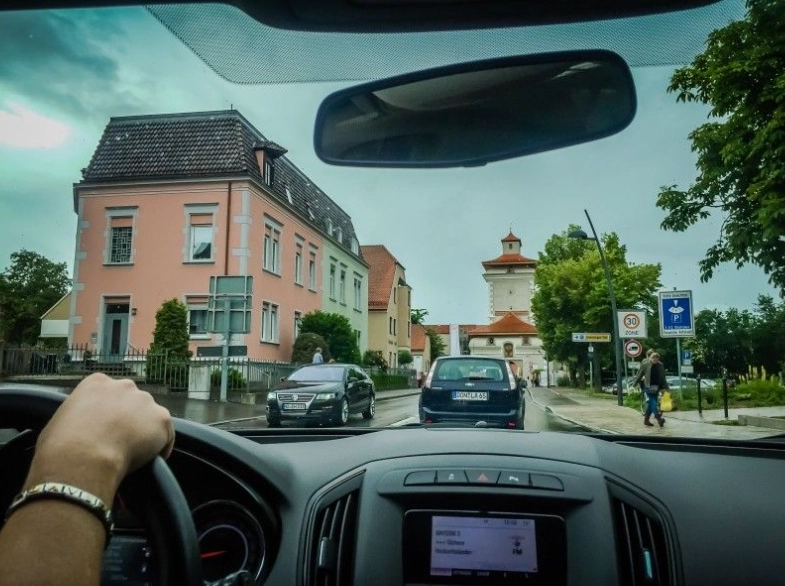
Zone Signs: You'll see signs for "30-Zone" or "Tempo 30 Zone." This isn't a single street limit; it's an entire neighborhood where the 30 km/h limit applies to all streets until you see the zone exit sign. Don't speed up just because one street looks bigger.
Environmental Zones (Umweltzone): Many city centers require a specific emissions sticker (Umweltplakette) on your windshield. You must buy this in advance (online or at garages). Driving without one in a designated zone leads to a fine. Check the city's website (like Berlin.de for Berlin's rules) before you go.
The Unwritten Rules of German Driving Culture
This is where the cultural gap feels widest. German drivers are generally disciplined, predictable, and fast. They expect the same from you.
The Left Lane is for Passing. Only. On the Autobahn, this is sacred. If you are in the left lane and a car approaches rapidly from behind, move right immediately, even if you're already going fast. Camping in the left lane is considered rude and dangerous. The middle lane is for cruising; the right lane is for trucks and exiting.
I learned this the hard way. I was doing 145 km/h (90 mph) in the left lane, feeling like a race car driver. A Mercedes flashed its lights from what seemed like a mile back. Within seconds, it was on my bumper. I moved over, and it shot past like I was standing still. Lesson learned. It's not personal; it's the system.
Use Your Turn Signals... Intelligently. Signaling is used more precisely. On the Autobahn, signal left only when you are actively commencing a pass, not while you're thinking about it. Signal right the moment you complete the pass and intend to return to your lane. This communicates intent clearly.
No Rolling Stops. That "California stop" at a stop sign? A surefire way to get a ticket. Come to a complete stop, wait a beat, then proceed.
Renting a Car in Germany: A Step-by-Step Guide
Let's get practical. Here’s how to secure wheels without hassle.
1. Documents You Absolutely Need:
- A valid US driver's license (must be held for at least one year).
- Your passport.
- An International Driving Permit (IDP). This is a translation document, not a license. Get it from AAA or the National Auto Club before you leave. While not always asked for, many rental companies require it, and police will ask for it during a stop. It's cheap insurance against trouble.
- A major credit card in the primary driver's name for the security hold.
2. Choosing and Understanding Insurance: Decline the rental company's overpriced full coverage if you have a premium credit card (like Chase Sapphire Reserve) that provides primary rental car insurance. But—and this is critical— check your card's policy for coverage in Germany. Some exclude certain luxury car categories common there. Always get the rental company's Third Party Liability coverage. This covers damage you do to others and is a legal minimum. Your credit card usually covers damage to the rental car itself (Collision Damage Waiver).
3. The Pick-Up Inspection: This isn't the US. They will note every scratch, ding, and scrape on the contract. You must do the same. Use your phone to take a 360-degree video of the car, including the roof, wheels, and windshield. Point out any existing damage on the form before you drive off.
4. Fuel Policy: It's almost always "full-to-full." You get the car with a full tank, return it full. Find a gas station (Tankstelle) near the airport before returning.
Your Burning Questions Answered (FAQ)
Driving in Germany can be an incredible experience—the ultimate road trip with unparalleled engineering and scenery. But respect it. It's not the US. The rules are clear, the expectations are high, and the etiquette is real. Do your homework, stay alert, and embrace the precision. You'll not only stay safe, you might just learn to appreciate a more efficient way to drive.