Your Quick Guide
- Navigating the Labyrinth: Your Practical Guide to Visiting
- What You Actually See: Diving into the Collections
- Who Is This Museum Really For? (Spoiler: Probably You)
- Answering Your Burning Questions (The FAQ You Actually Need)
- Making the Most of Your Day: The Area Around the Museum
- The Final Verdict: Is It Worth Your Precious Berlin Time?
Let's be honest, when you think of Berlin museums, your mind probably jumps to the Pergamon or maybe the Jewish Museum. The German Historical Museum Berlin often sits a bit further down the list for first-time visitors. I made that mistake too. I figured it would be a dry, textbook kind of place—dates, kings, wars, rinse and repeat. I was so wrong.
Walking into the grand old Zeughaus (the old Armory building) on Unter den Linden, you're not just walking into a museum. You're stepping into the physical thread of a story that's messy, complicated, and utterly compelling. This isn't just a collection of old stuff. It's Germany trying to make sense of itself, from the fragments of early medieval tribes to the weight of the 20th century and beyond. The German Historical Museum Berlin does something rare: it presents history not as a series of facts to memorize, but as a living, breathing argument about memory, identity, and consequence.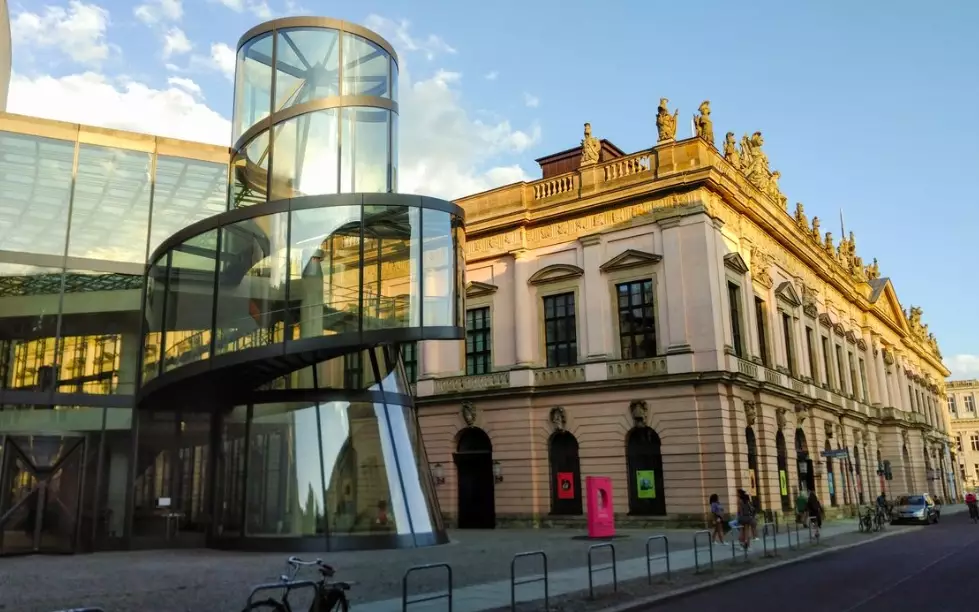
Quick Reality Check: This place is massive. We're talking two massive buildings—the Baroque Zeughaus and the starkly modern I.M. Pei exhibition hall. If you think you can "pop in" for an hour, you're kidding yourself. Plan for a half-day, minimum. Your feet will thank you.
Navigating the Labyrinth: Your Practical Guide to Visiting
Before we dive into the heavy stuff, let's get the logistics out of the way. Because nothing ruins a profound historical experience like standing in the wrong line for 45 minutes.
Getting There and Getting In
The location is unbeatable. Smack in the middle of Berlin's historic heart, the German Historical Museum Berlin is at Unter den Linden 2. You can't miss it.
- By U-Bahn/S-Bahn: The closest station is Hackescher Markt (S-Bahn lines S3, S5, S7, S9). It's a lovely 10-minute walk down the cobblestones. Friedrichstraße station is also close, served by U-Bahn (U6), S-Bahn, and regional trains.
- By Tram: Lines M1, 12 stop at "Am Kupfergraben" right behind the museum.
- By Bus: Bus 100, 200, TXL stop at "Lustgarten" or "Staatsoper". The 100 bus is a tourist classic, passing many landmarks.
My personal tip? Get off at Hackescher Markt, grab a coffee at one of the cafes in the Hackesche Höfe courtyards, and stroll over. It sets the mood perfectly.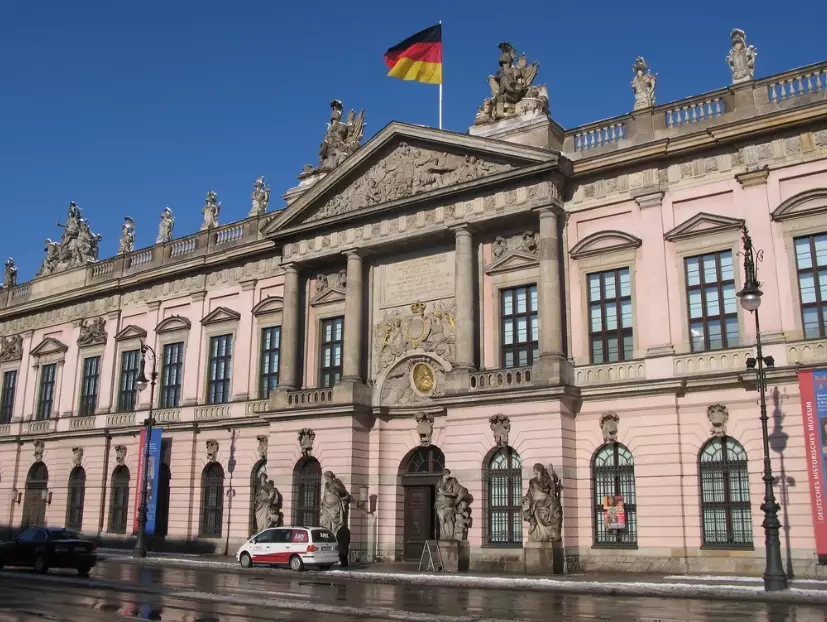
Insider Tip for Beating the Crowds: Everyone heads straight for the main entrance on Unter den Linden. The Pei Building (for special exhibitions) has its own entrance around the back, on Hinter dem Gießhaus. Lines are often shorter there, and your ticket gives you access to both buildings. Start with the special exhibition if it looks interesting, then move to the main permanent collection.
Tickets, Hours, and the Nitty-Gritty
Here’s the essential data in a simple table. Always double-check the official German Historical Museum website for last-minute changes, especially holiday hours.
| What | Details | Notes |
|---|---|---|
| Opening Hours | Daily, 10:00 – 18:00. | Yes, even Mondays! This is a lifesaver in Berlin, where many museums are closed on Mondays. |
| Permanent Exhibition Ticket | €8 (full price). €4 (concession). | Concession applies to students, trainees, disabled visitors (with ID). |
| Special Exhibition Ticket | Varies, usually €8-€10. | Often includes entry to the permanent exhibition. Check the site. |
| Combined Ticket (Both) | Usually around €12. | The best value if you have the time and energy. |
| Free Admission | Under 18s. Also every first Wednesday of the month from 14:00 – 18:00. | The free Wednesday can get busy. Arrive early for that slot. |
| Audio Guide | €3. Available in German, English, French, Italian, Spanish. | Worth it. The permanent exhibition is dense; the audio guide provides crucial context. |
You can buy tickets online in advance. Is it necessary? Not really, except maybe for a blockbuster special exhibition. I've always just bought mine at the counter.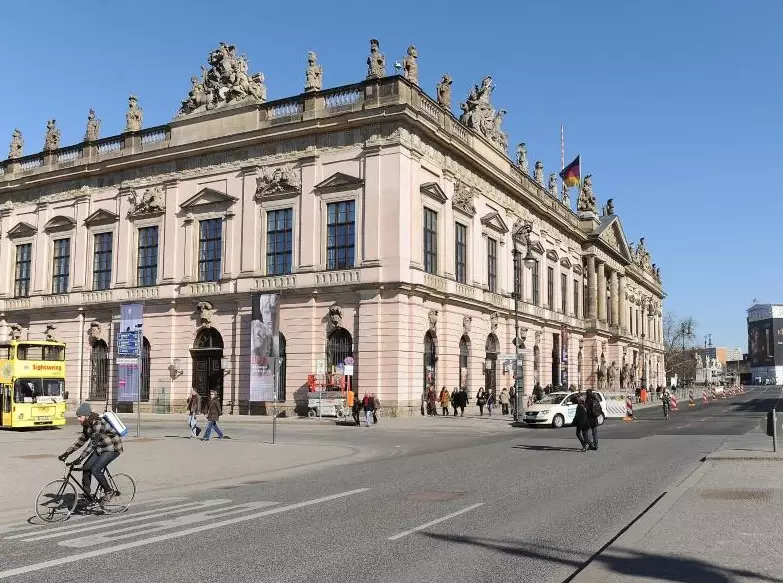
One Major Frustration: The website, while informative, can feel a bit clunky and is sometimes slow to update English information compared to the German version. It's a minor thing, but for an international tourist hub, it's a noticeable hiccup. I wish they'd sync their updates better.
What You Actually See: Diving into the Collections
Alright, you're inside. Now what? The museum is split physically and conceptually between two spaces.
The Zeughaus: The Heart of German History
The permanent exhibition, "German History from the Middle Ages to the Fall of the Berlin Wall," lives here. It spans two floors and roughly 1500 years. It's chronological, but don't expect a simple march through time.
The first floor covers from around 500 AD to 1918. You'll see stunning medieval religious art, armor of the Teutonic Knights, Martin Luther's first edition Bible (a true highlight), and intricate models of Baroque cities. It's about the formation of an idea of "Germany" long before it was a unified nation-state.
Then you move upstairs, and the mood shifts. The 20th century. The presentation becomes more immersive, more confrontational. You're not just looking at objects behind glass; you're in reconstructed environments. A Weimar-era cinema lobby. A segment of a Nazi-era Volkswagen Beetle (the "Strength Through Joy" car). The claustrophobic bunker-like feel of a section on the Second World War.
It's heavy. Intentionally so.
The treatment of the Nazi era and the Holocaust is particularly meticulous. The German Historical Museum Berlin doesn't shy away. It uses personal documents, propaganda films, and everyday objects to show both the horrific machinery of the state and the chilling normalization of evil. It's not an easy section, but it's a masterclass in responsible historical presentation.
The post-war section is equally fascinating, splitting into the parallel histories of East and West Germany. Seeing a Trabi (Trabant, the East German car) near an early West German fridge tells a story of division more powerfully than any wall text.
The Pei Building: Where History Gets a Contemporary Lens
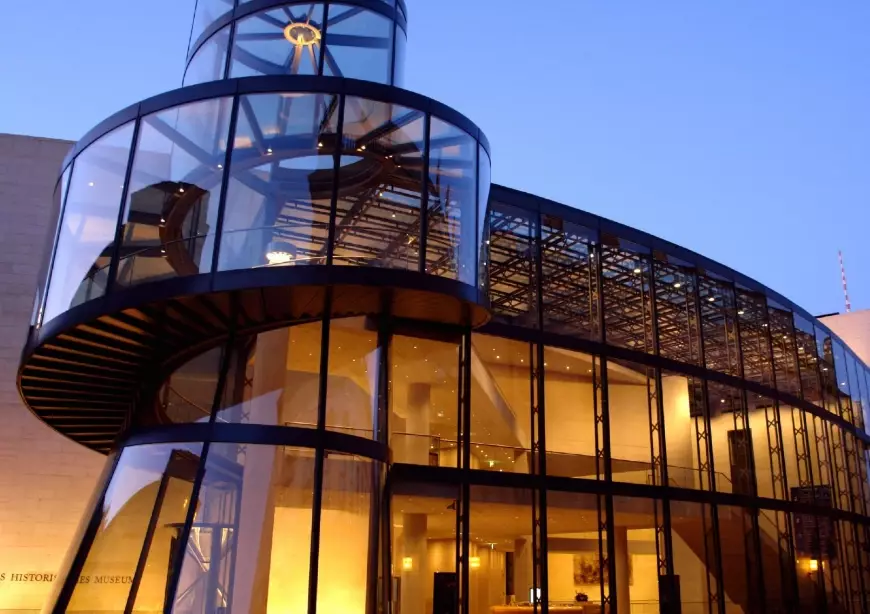
Connected to the Zeughaus by an underground passage is the stunning exhibition hall designed by I.M. Pei (the architect of the Louvre Pyramid). This space is dedicated to rotating special exhibitions.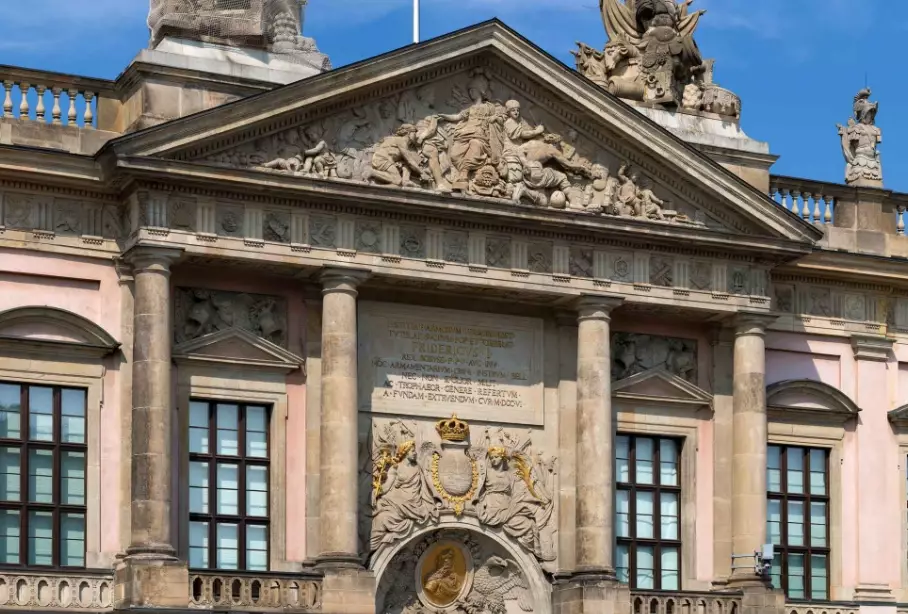
These are where the German Historical Museum Berlin gets really creative. Past exhibitions have focused on everything from the history of money and gold to the cultural impact of the hippie movement, from the art of protest to deep dives into specific decades. They're thematic, often tying historical threads to modern questions.
The building itself is worth the visit. Pei's signature glass and steel geometry, with a stunning spiral staircase, creates a completely different atmosphere from the historic Zeughaus. It feels like a space for asking questions, not just observing answers.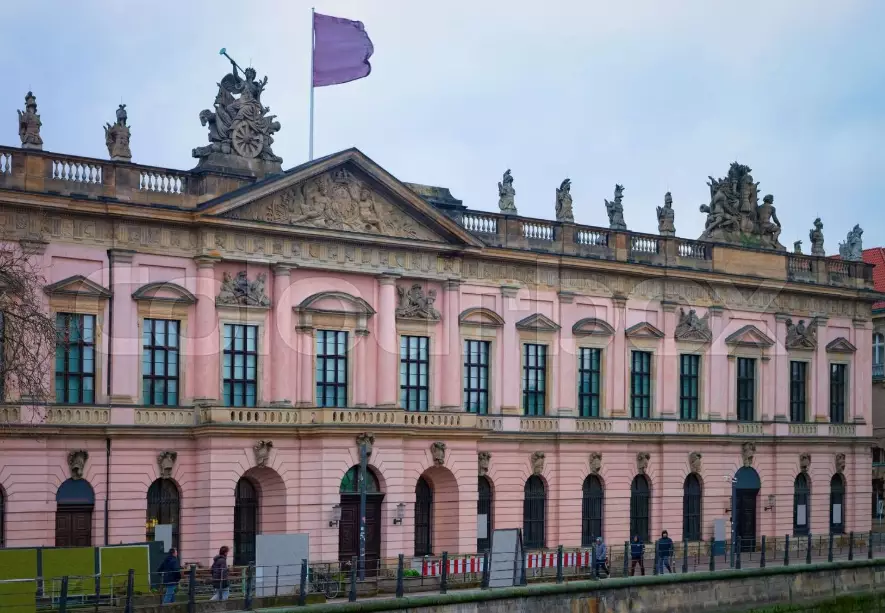
Who Is This Museum Really For? (Spoiler: Probably You)
Let's cut through the marketing. Is the German Historical Museum Berlin for everyone? No. But its audience is broader than you think.
- History Buffs: Obviously. This is your paradise. The depth and quality of the collection are world-class.
- First-Time Visitors to Germany/Berlin: Absolutely. It provides the essential framework for understanding everything else you'll see in the country. Seeing the Brandenburg Gate or the Reichstag after this visit is a completely different experience.
- Students & Educators: It's an incredible resource. The museum's educational department is top-notch.
- People Wary of "Dry" History: Yes! If you think history is boring, this museum might change your mind. The focus on objects, personal stories, and immersive spaces is engaging.
Now, who might find it less ideal?
- Young Children (under ~10): The content is complex, and there's not a ton of interactive, hands-on stuff for little ones. They'll get bored and tired quickly. The Museum Island has better options for kids.
- Anyone in a Huge Rush: If you only have 2 hours in Berlin, don't spend it here. You'll leave frustrated, having seen only a fraction.
- Someone Seeking Only Light Entertainment: This isn't a funfair. It demands some intellectual and emotional engagement.
Answering Your Burning Questions (The FAQ You Actually Need)
I've scoured forums, talked to guides, and reflected on my own visits. Here are the real questions people have before visiting the German Historical Museum Berlin.
For the permanent exhibition alone, a focused visitor needs at least 2.5 to 3 hours. If you like to read most plaques and listen to the audio guide, budget 4 hours. Adding a special exhibition? Add another 1.5-2 hours. So, a comprehensive visit can easily fill 5-6 hours. Break it up with a cafe visit!
Unequivocally, yes. The permanent exhibition has thousands of objects. The audio guide (available in English) helps you navigate, provides context you won't get from the (sometimes brief) wall texts, and highlights key pieces you might otherwise walk past. It's not a dry recitation of facts; it adds narrative and expert commentary.
Yes, for private use! Flash and tripods are prohibited. This is great news. You can photograph most of the stunning artifacts and architectural spaces. They even have some photogenic spots, like the grand staircase in the Zeughaus, practically designed for it.
Extremely. All major signage and object descriptions are in both German and English. The audio guide is available in multiple languages. The museum is very international visitor-friendly.
There's a decent museum café in the Pei Building with coffee, cakes, sandwiches, and hot dishes (like soups and sausages). Prices are standard for a Berlin museum—a bit high but not outrageous. There's also a nice bookstore. Restrooms are clean and plentiful. Lockers and coat check are available (usually for a small coin deposit, like €1 or €2).
A hidden gem? The cafe's outdoor seating in the inner courtyard in summer is a peaceful oasis.
Great question. They complement each other; they don't compete.
- German Historical Museum Berlin: The big picture, from the beginning to 1990. Contextual, comprehensive, academic in a good way.
- DDR Museum: Hyper-focused on everyday life in East Germany. Interactive, hands-on, more experiential.
- Topography of Terror: Focused exclusively on the perpetrators of Nazi terror (SS, Gestapo). Documentary, text-heavy, intensely sobering.
If you can only visit one for an overview of Germany, choose the German Historical Museum Berlin. If you have a specific interest in East Germany, go to the DDR Museum. If you are deeply studying the Nazi regime, the Topography of Terror is essential.
Making the Most of Your Day: The Area Around the Museum
You're in the absolute core of Berlin. Don't just visit the museum and leave. Pair it wisely.
For a Full-Day History Deep Dive: Combine it with a visit to the Neues Museum (for ancient history, like Nefertiti) or the Altes Museum on Museum Island, which is literally across the street. You can buy a combined area pass from the Berlin Tourism Board.
For a Lighter, Contrasting Day: Visit the German Historical Museum Berlin in the morning, then walk 10 minutes to the Hackescher Markt area for lunch and shopping in the unique courtyards of the Hackesche Höfe. The contrast between deep history and vibrant, modern Berlin life is perfect.
For the Iconic Sights: The museum is a stone's throw from the Berlin Cathedral, the Lustgarten park, and the Staatsoper. A short walk down Unter den Linden takes you to the Brandenburg Gate and the Reichstag.
My Personal Favorite Combo: Morning at the German Historical Museum Berlin (Zeughaus permanent collection). Lunch at a casual Imbiss stand for a Currywurst. Afternoon exploring the special exhibition in the Pei Building. Late afternoon walk along the River Spree behind the museum, towards the Berlin Cathedral as the light gets golden. It feels like you've absorbed the layers of the city.
The Final Verdict: Is It Worth Your Precious Berlin Time?
In a city overflowing with incredible museums, the German Historical Museum Berlin holds a unique and essential place. It's not the flashiest, nor the most emotionally intense (that's probably the Jewish Museum), nor the most interactive.
But it is the most important for understanding the "why" behind the "what" of Germany.
It treats you like an intelligent adult, capable of grappling with complexity. It doesn't offer easy answers or patriotic fairy tales. It presents a nation's history with clear-eyed honesty, acknowledging both brilliance and profound failure. That, in itself, is a powerful lesson.
So, if you have a half-day to spare and any curiosity about how Europe's central power came to be what it is today, you should make the German Historical Museum Berlin a priority. Go with an open mind, comfortable shoes, and the willingness to be challenged. You won't just see artifacts; you'll witness a nation in dialogue with its own past. And that is a rare and valuable thing to experience.
Just remember to take a break in the courtyard. History is best absorbed in doses, with a good cup of coffee in between.