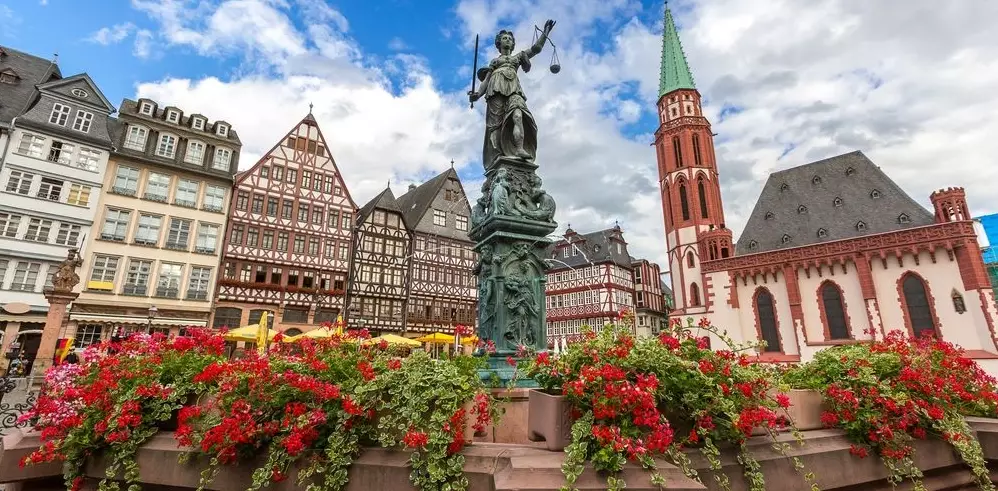
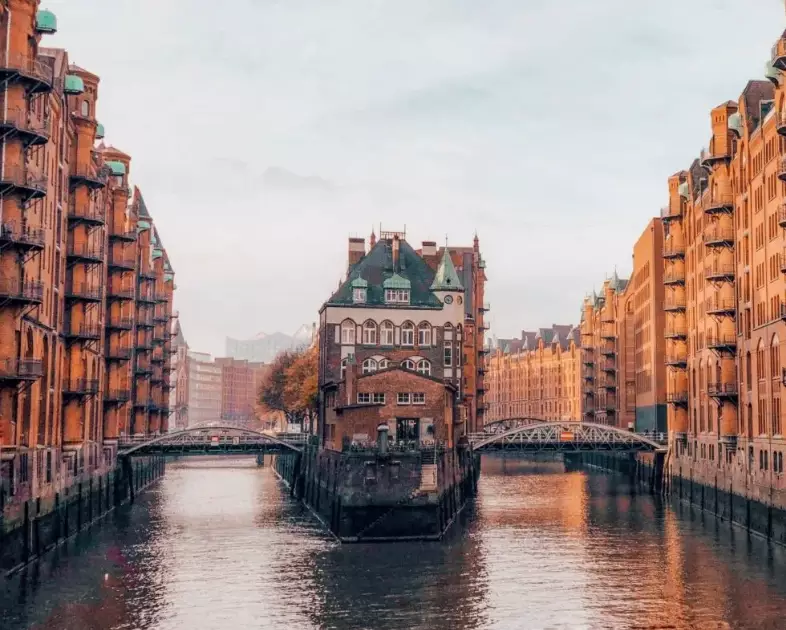
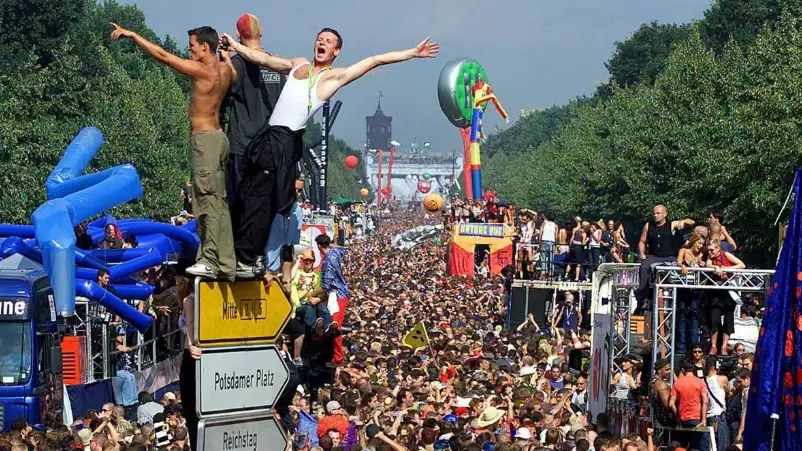
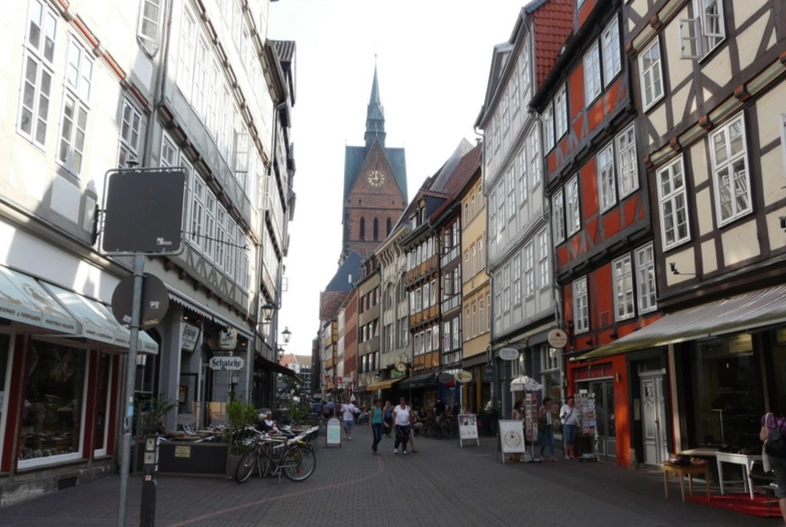
Five days in Germany is just enough to scratch the surface of its incredible diversity. You won't see everything, but with a smart road trip plan, you can absolutely experience the postcard highlights: storybook castles, walled medieval towns, a buzzing modern city, and some of Europe's most famous scenic drives. This itinerary is built for reality—driving times are manageable (mostly 2-4 hours per day), hotels are picked for location and charm, and the food stops are non-negotiable. Forget the generic lists; this is the route I've refined after multiple trips, designed to maximize your time and deliver that classic German adventure.
Your 5-Day Germany Road Trip at a Glance
How to Plan Your 5-Day Germany Road Trip (A Realistic Itinerary)
This loop starts and ends in Frankfurt, a major international hub with great flight and rental car options. The route takes you south to Heidelberg, west along the famed Romantic Road, into the Alps for castles, and north to Munich before heading back.
The Route Logic: Starting in Frankfurt gets the long flight and car pickup out of the way first. You then move towards progressively more scenic and "wow" destinations, saving the iconic Neuschwanstein Castle and the energy of Munich for the latter part of the trip, ending with a straightforward drive back on the autobahn.
Day 1: Frankfurt to Heidelberg – A Scholarly Start
Land at Frankfurt Airport (FRA), pick up your rental car (book an automatic in advance if you need one—they're pricier but save stress), and hit the road. Don't linger in Frankfurt's financial district; your goal is to reach the romantic university town of Heidelberg, about an hour's drive south along the A5.
Heidelberg Highlights: Park at the large garage near the Kornmarkt. Your first stop is the Heidelberg Castle (Schloss Heidelberg). Take the funicular up (€9 round-trip) for the views. The castle ruins are magnificent, but the interior tour is skippable if you're tight on time. Wander the Altstadt (Old Town), cross the Old Bridge, and find the Philosopher's Walk path for the classic photo op back across the river.
Where to Eat: For dinner, skip the overly touristy Hauptstrasse squares. Head to Kulturbrauerei Heidelberg (Leyergasse 6). It's a brewery-restaurant in a former malt house. Try their schnitzel and a dark beer. No frills, just good portions and atmosphere.
Stay Here: Book a hotel in or near the Altstadt. You want to be able to walk everywhere in the evening.
Day 2: Heidelberg to Rothenburg ob der Tauber – Entering the Romantic Road
Drive Time: ~2 hours 15 mins (190 km). Today you enter the Romantische Straße. Don't just blast down the A6. Take the slower, more scenic country roads (like the B292) towards Rothenburg.
The Rothenburg Experience: This is the most famous medieval town on the route, and yes, it's crowded. But it earns it. Park in one of the large lots outside the city walls (like P5 at Spitaltor). Dragging luggage on cobblestones is no fun. Drop your bags at your hotel—inside the walls is essential here.
Walk the intact city walls. Get lost in the side streets away from the main square. The Christmas Museum (year-round) and the Medieval Crime Museum are oddly fascinating. The must-do? The Night Watchman Tour (8 pm nightly, meet at Market Square). It's theatrical, informative, and genuinely entertaining. He walks you through the dark, lamp-lit streets telling stories—it's pure magic.
Food Stop: You have to try a Schneeball (snowball). It's a pastry made of strips of dough, balled up and fried, then coated in chocolate, nuts, etc. Diller's (Hafengasse 3) is a classic spot. They're more for looks and tradition than taste, in my opinion—quite dry—but you gotta have one.
Day 3: Rothenburg to Füssen – Fairytale Castles & Alpine Views
Drive Time: ~3 hours (250 km). This is your longest drive, but it's the heart of the Romantic Road. Stop in Dinkelsbühl, another walled town that's like a quieter, less-commercialized version of Rothenburg. Have a coffee in the market square. Later, you'll pass through Nördlingen, a town built inside a meteorite crater.
Your destination is Füssen or the nearby village of Schwangau. This is your base for the castles. Book your accommodation here well in advance, especially in summer.
Castle Strategy: As soon as you arrive, go to the Hohenschwangau Castle area (the village below the castles). If you haven't pre-booked tickets online (which you absolutely should via the official ticket center), check for last-minute slots for the next day. Tickets are for timed entry and sell out. You cannot enter Neuschwanstein without one.
Dinner: In Füssen, try Gasthof Krone (Schrannengasse 17) for solid Bavarian fare in a cozy setting.
Day 4: Füssen to Munich – From Castles to Capital
Morning: Use your pre-booked ticket for Neuschwanstein Castle. Arrive at the ticket center in Hohenschwangau with time to walk (40 mins uphill), take the shuttle bus, or a horse-drawn carriage to the castle entrance. The interior is ornate but unfinished—the real magic is the exterior view. Walk 15 minutes further to Marienbrücke (Mary's Bridge) for that iconic photo of the castle perched above the gorge. It's often crowded and can be closed in winter, but the view is worth it.
Drive to Munich: ~2 hours (130 km) on the A96. Drop your rental car at a city-center location (like near Hauptbahnhof) before checking into your hotel. Do not drive in central Munich. Parking is expensive and a nightmare. The public transport (U-Bahn, S-Bahn) is excellent.
Munich Evening: Dive right in. Head to the Marienplatz for the 5 pm Glockenspiel show (it's cheesy but fun). Then, walk to the Hofbräuhaus (Am Platzl 9). Yes, it's a tourist cliché, but the atmosphere is genuinely electric. Share a table, order a Maß (liter) of beer, some pretzels, and maybe a pork knuckle. It's an experience.
Day 5: Munich to Frankfurt – The Return Journey
Morning in Munich: If you have a late afternoon flight from Frankfurt, you have a few morning hours. Visit the Viktualienmarkt food market for a fresh breakfast. Or, for something more solemn and impactful, take the U-Bahn to Dachau Concentration Camp Memorial Site (open from 9 am). It's a sobering but important visit. Allow at least 2-3 hours respectfully.
The Drive Back: ~3.5 hours (390 km) on the A3/A5 autobahns directly to Frankfurt Airport. Allow extra time for traffic and to refuel the rental car before drop-off.
Essential Germany Road Trip Tips & Things to Know Before You Go
This is where most generic guides fall short. Here's the real advice from someone who's navigated the autobahns and parking garages.
Renting a Car & Driving in Germany
Rental: Book months ahead, especially for automatics. Compare prices at the airport vs. downtown locations (sometimes downtown is cheaper). You'll need a credit card in the driver's name for the deposit. Get full insurance coverage for peace of mind.
Rules of the Road:
- Speed: No general speed limit on many autobahn sections, but there are frequent posted limits (especially near cities, in construction zones). The recommended speed is 130 km/h (80 mph). Stay right except to pass.
- Priority: Vehicles coming from the right often have the right of way in towns and at unmarked intersections. This is a huge one that catches visitors off guard.
- Tolls: Passenger cars don't pay tolls on German highways. You only need a vignette (sticker) if you plan to drive into Austria (e.g., a detour to Salzburg), which you can buy at border gas stations.
Parking: This is the daily challenge. Look for "Parkhaus" signs for garages or "Parkplatz" for lots. In old towns, you will almost always park outside the walls. Machines often take coins and credit cards. Keep change (€1, €2 coins) handy. The blue "P" sign with a white "Altstadt" means a park-and-ride lot with a shuttle bus into the center—often the smartest choice.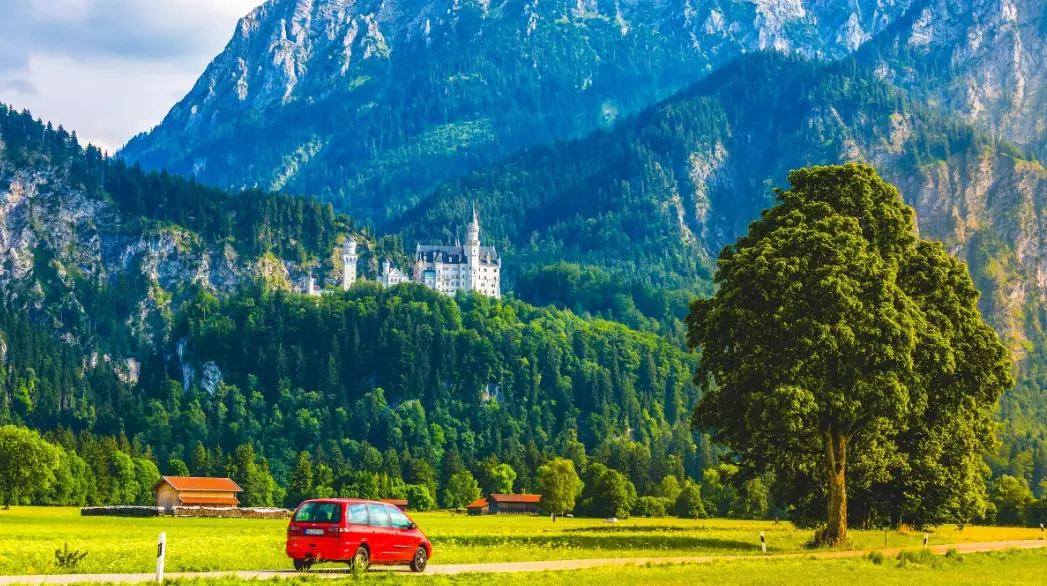
Budgeting for Your 5-Day Road Trip
Let's break down the costs beyond flights. For a mid-range traveler (two people sharing):
- Rental Car + Fuel: €60-120/day for the car, plus ~€150-200 for fuel for the entire trip.
- Accommodation: €100-180 per night for a comfortable 3-4 star hotel or nice guesthouse.
- Food & Drink: €40-70 per person per day for meals (a mix of casual and one nice dinner).
- Attractions & Parking: €100-150 per person for castle tickets, museums, tours, and daily parking fees.
A realistic total, excluding international flights, is roughly €800-1200 per person for the 5 days.
| City | Hotel Recommendation | Why It Works | Approx. Price/Night |
|---|---|---|---|
| Heidelberg | Hotel zum Ritter St. Georg | Historic building right on the market square. You're in the heart of it. | €140-€200 |
| Rothenburg | Hotel Goldener Hirsch | Family-run, traditional, located on a quiet street inside the walls. | €120-€180 |
| Füssen/Schwangau | Hotel Schlosskrone Füssen | Central in Füssen, easy walk to train station, great breakfast. | €110-€160 |
| Munich | Hotel Mirabell Munich | Near Hauptbahnhof, easy public transport access, modern rooms. | €130-€190 |
Your Germany Road Trip Questions Answered (FAQ)
 What's the biggest mistake first-timers make on a German road trip?